

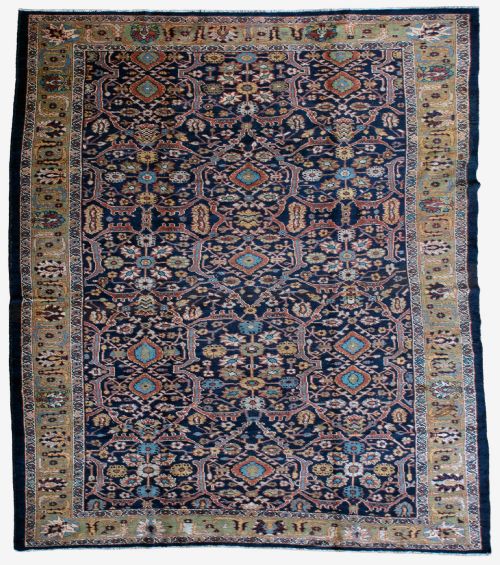
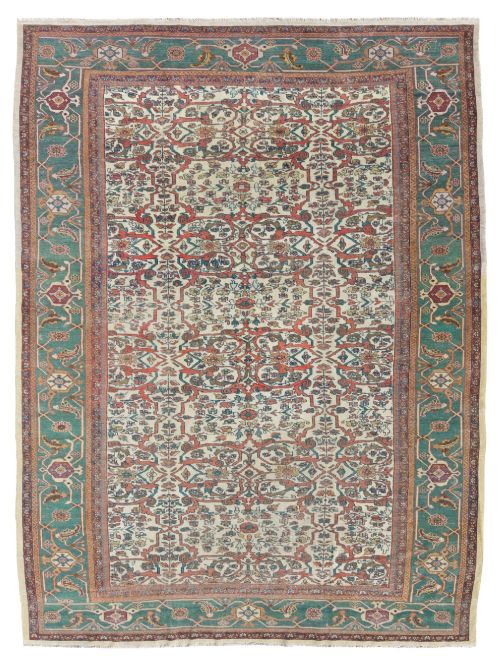
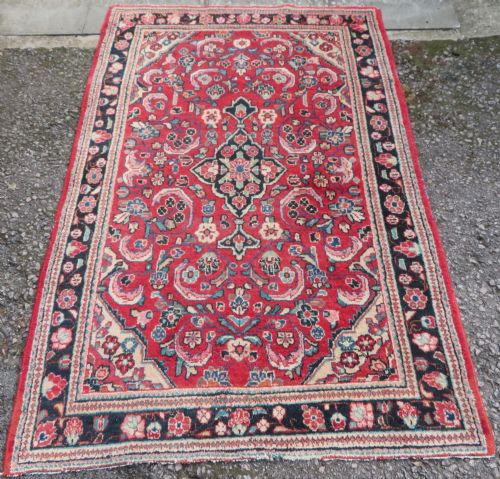
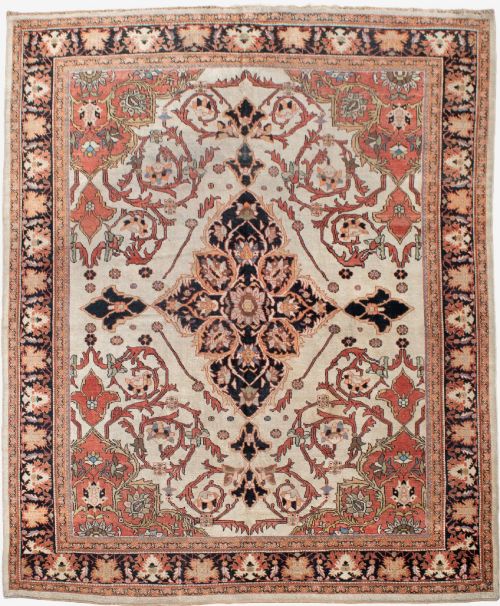


Wool Mahal Rug
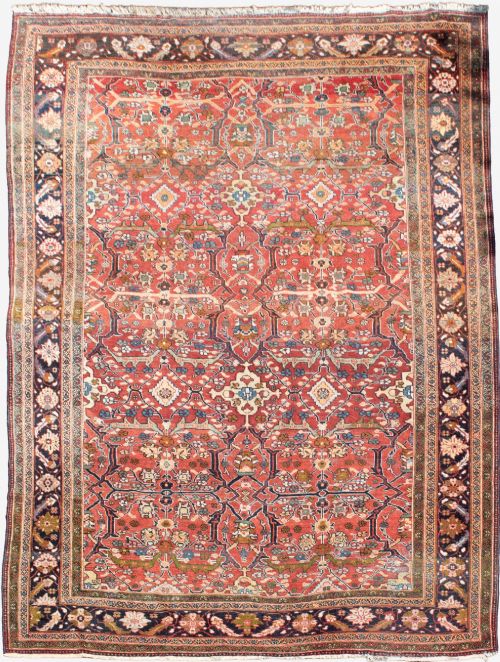
A wool mahal rug brings generous proportions and traditional Persian design to a floor, offering heavy weave and natural dyes.
Wool Mahal Rug
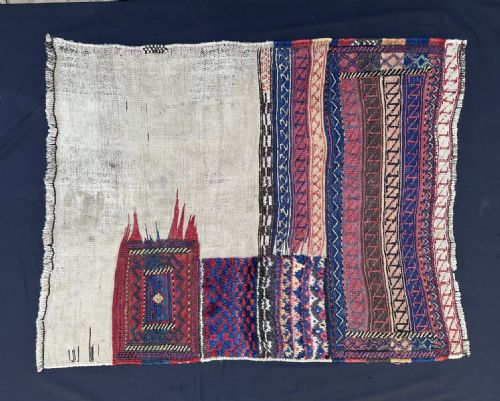
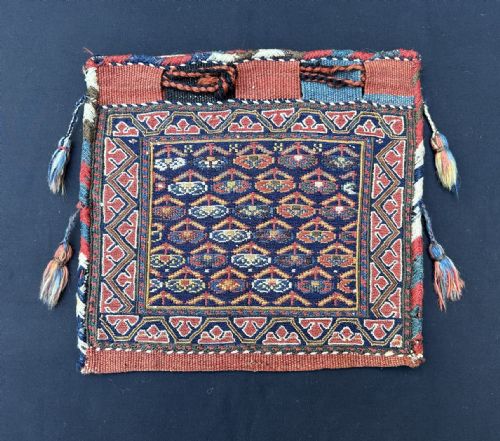
A wool mahal rug is a woven floor covering originating from Western Persia, often associated with the Chahar Mahal region and tribal workshops. These textiles appear primarily as large carpets, village rugs, runners and specific tribal forms such as wheat-sacks and bread sofreh.
Buyers encounter pieces spanning the late nineteenth century through to the early twentieth century, reflecting traditional Persian styles. The inventory includes related types like Ziegler, Sultanabad, and Fereghan carpets alongside standard village productions.
The most common formats on this page are room-sized carpets and smaller village rugs, woven by groups including Lori-Bakhtiari nomads. These pieces show established regional patterns designed for both domestic use and export.
What varies in quality
Quality in a wool mahal rug is determined by the fineness of the weave and the complexity of the design, which together dictate how sharply the motifs render. Early village pieces with balanced proportions and well-preserved natural dye variations command greater appreciation.
The condition of the wool pile and the integrity of the cotton foundation govern the longevity and structural stability of each carpet. Superior examples maintain even wear across the surface while retaining the depth and saturation of their original colour.
Listings span from 1870 to 1930, utilising wool, cotton, hand-spun wool, goat hair, and natural dyes across Persian and tribal styles.
The Wool Mahal Rug Glossary
- Mahal
- A type of Persian carpet originating from the district of Mahallat or the wider Chahar Mahal region in Western Persia. These rugs typically feature large-scale traditional floral patterns and robust wool construction.
- Ziegler
- A classification often applied to nineteenth-century Persian carpets produced or influenced by the Swiss firm Ziegler and Co., known for subdued palettes and large open designs tailored for Western markets.
- Tacheh
- A tribal woven grain bag or wheat-sack produced by Lori-Bakhtiari nomads in Western Persia. These square textiles feature distinctive geometric patterns and sturdy construction.
- Sofreh
- A flatwoven or piled tribal textile used for handling bread or communal dining among Persian nomads. They display utilitarian designs rooted in regional tradition.
- Natural Dyes
- Colourants derived from plant, insect or mineral sources used in traditional carpet production prior to the introduction of synthetic dyes. They yield complex hues that mellow gracefully over time.
Wool Mahal Rug: Frequently Asked Questions
Where were wool mahal rugs made?
These rugs were woven in Western Persia, specifically associated with the Chahar Mahal region and surrounding village workshops. Production involved both settled town weavers and nomadic groups.
The regional style developed to serve both local domestic needs and the international export market, particularly during the late nineteenth and early twentieth centuries.
How do I care for an antique rug?
Vacuum gently using a suction-only attachment without a rotating brush bar to protect the hand-spun wool pile. Keep the textile out of direct sunlight to prevent fading of natural dyes.
Professional cleaning should be undertaken periodically by a specialist familiar with antique Persian carpets to maintain the integrity of the cotton foundation.
What is the difference between a Mahal and a Ziegler?
Mahal rugs generally refer to traditional village and workshop productions from the Mahallat region featuring bold floral patterns. Ziegler carpets represent a specific subset influenced by European commercial enterprise, often with softer palettes and expansive ivory grounds.
Both share origins in Western Persia during the nineteenth and early twentieth centuries but cater to different aesthetic preferences.
Are these carpets suitable for heavy traffic?
The robust construction utilising hand-spun wool pile and sturdy cotton foundations makes these carpets durable for everyday use. Their thick weave absorbs foot traffic well while maintaining structural stability.
Placing an appropriate underlay beneath the rug helps prevent sliding and reduces friction against the floorboards.