


Wool Equestrian Textile
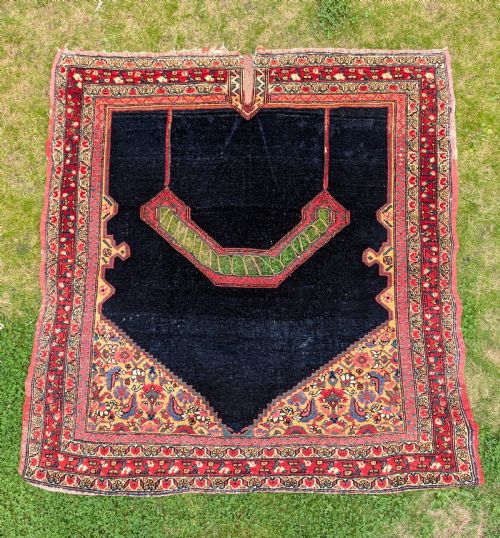
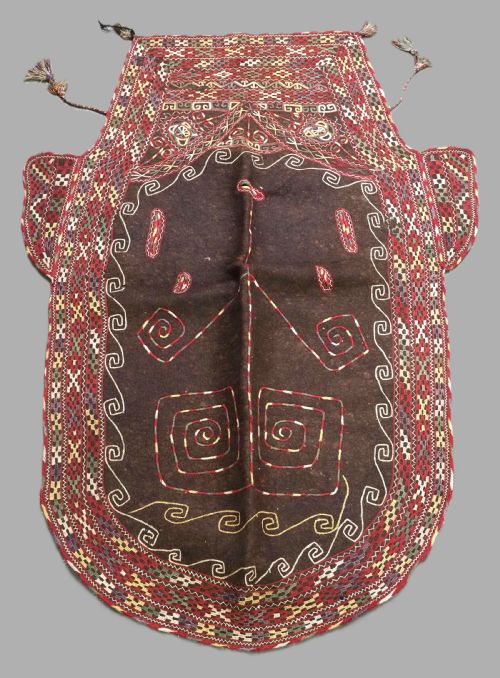
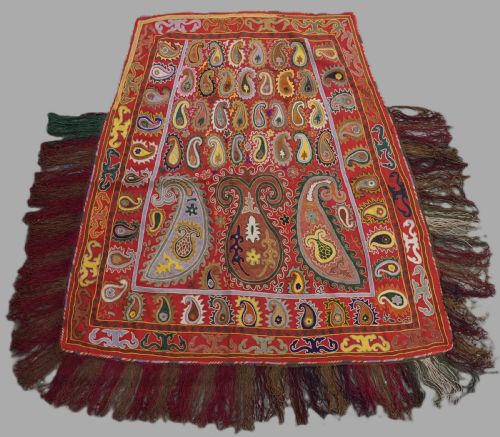
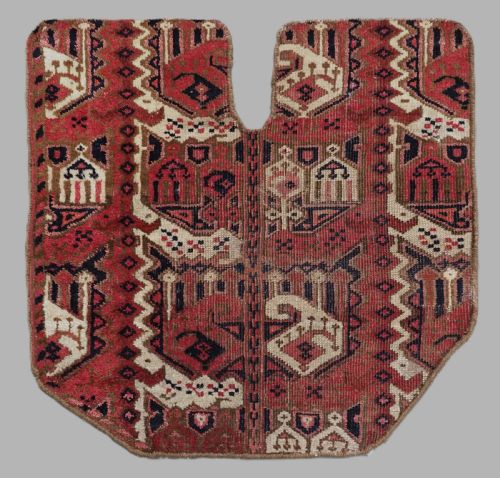
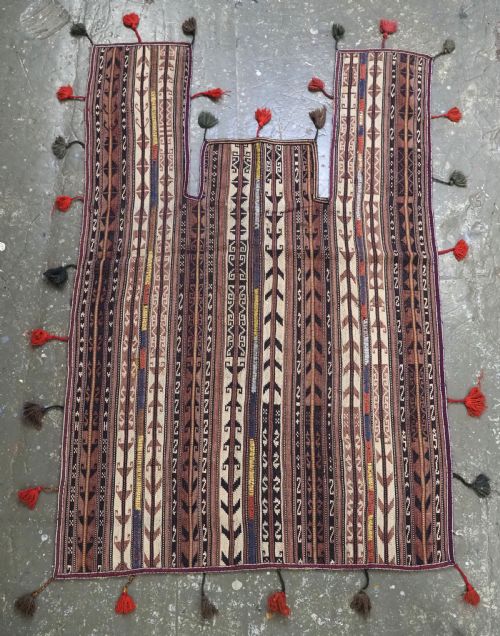
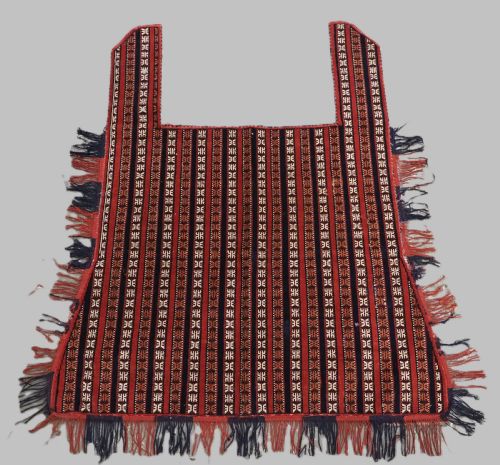
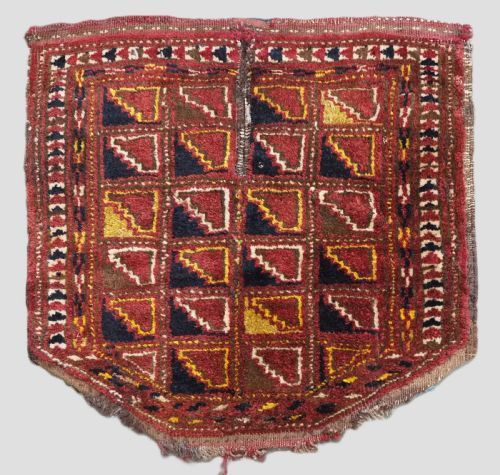
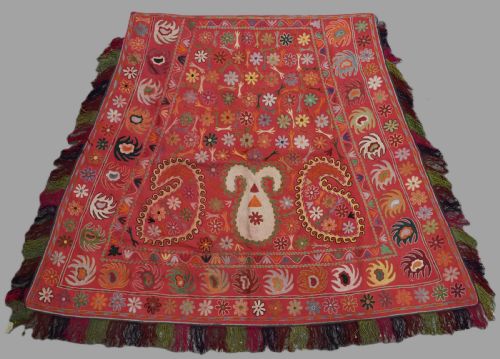
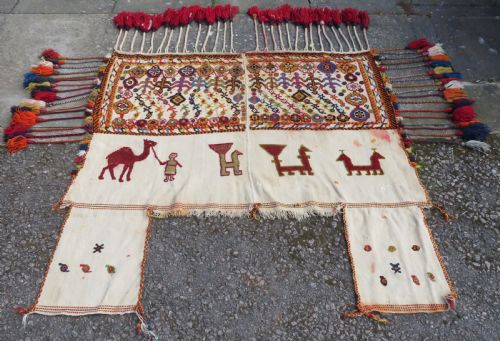
These wool equestrian textile pieces are ceremonial saddle covers and tribal blankets that bring rich woven history and distinctive colour into a room.
Wool Equestrian Textile
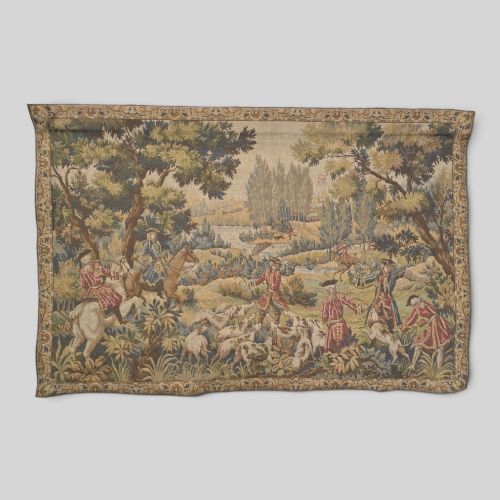
When you search for a wool equestrian textile, you meet pieces intended for horses, including ceremonial horse blankets, saddle rugs, and saddle covers. The selection spans tribal traditions from Central Asia, Persia, and Tibet, alongside European tapestries and needlework panels.
You are most likely to encounter Turkmen, Uzbek Lakai, and Persian tribal pieces dating from the nineteenth and early twentieth centuries. These take the form of heavy woven or embroidered covers designed originally for riding or ceremonial display.
The inventory also includes French wall hangings and needlepoint panels from the nineteenth and early twentieth centuries. These differing origins share a common reliance on wool as the primary medium for pattern and texture.
Materials and construction
The construction relies heavily on wool, often combined with cotton, silk, felted wool, and leather details. Makers utilised natural dyes alongside cotton thread and silk thread for embroidery and structural support.
Tribal pieces often feature dense embroidery on felted wool or flatweave grounds, executed by hand. European works employ needlepoint and tapestry techniques on wool foundations to build pictorial and geometric surfaces.
Materials documented across the selection include felted wool, cotton thread, leather, and natural dyes.
Assessing quality and depth
Quality rests in the density of the weave, the clarity of the natural dyes, and the fineness of the needlework. Pieces with intricate embroidery and intact structural edges demonstrate superior craftsmanship.
The distinction between standard utility items and ceremonial pieces lies in the complexity of the tribal motifs and the handling of materials like silk thread and leather.
The Wool Equestrian Textile Glossary
- Saddle cover
- A textile designed to fit over a horse saddle, often utilised for ceremonial processions or daily riding.
- Tribal textile
- A piece created by nomadic or village groups, featuring regional geometric or pictorial motifs unique to their culture.
- Tapestry
- A form of textile art woven on a vertical loom, traditionally used for wall hanging and interior decoration.
- Needlepoint
- A type of canvas work embroidery stitched with wool or silk thread to cover the ground completely.
- Natural dye
- Colouring matter derived from plants, insects, or minerals rather than synthetic chemical processes.
Wool Equestrian Textile: Frequently Asked Questions
Where do most of these pieces originate?
The inventory draws heavily from Central Asian and Persian tribal weaving traditions, including Turkmen and Uzbek groups.
Other examples originate from Tibetan workshops and European studios producing decorative wall hangings and needlework.
How should I display a wool equestrian textile?
Many collectors mount wall tapestries and needlepoint panels directly onto walls using appropriate conservation methods.
Smaller saddle rugs and covers can be placed on flat surfaces or displayed as textile art to showcase the intricate wool patterns.
How do I identify the period of a piece?
Dating relies on examining the specific wool types, the chemical composition of the dyes, and traditional tribal design patterns.
Nineteenth-century examples often display distinct natural colour palettes and hand-spun materials compared to later twentieth-century works.