


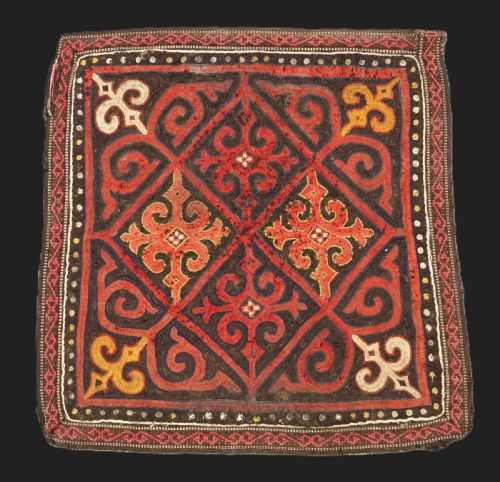

Wool Embroidered Wall Panel
A wool embroidered wall panel brings tangible texture and historical narrative into a room through needle and thread.
Wool Embroidered Wall Panel
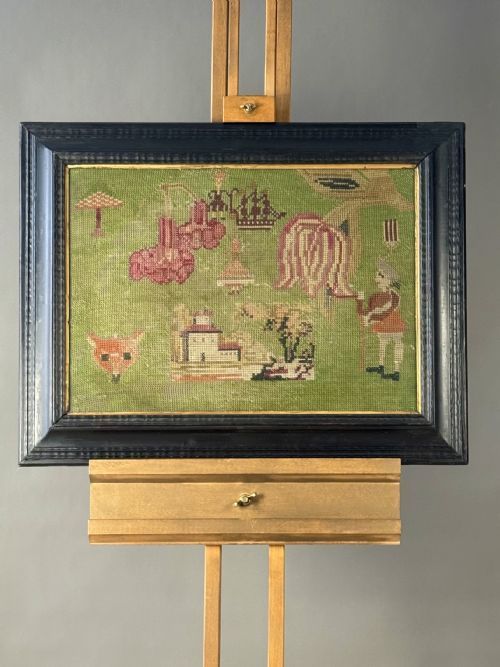
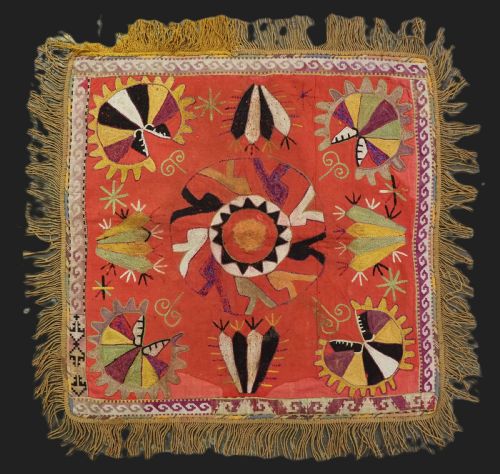
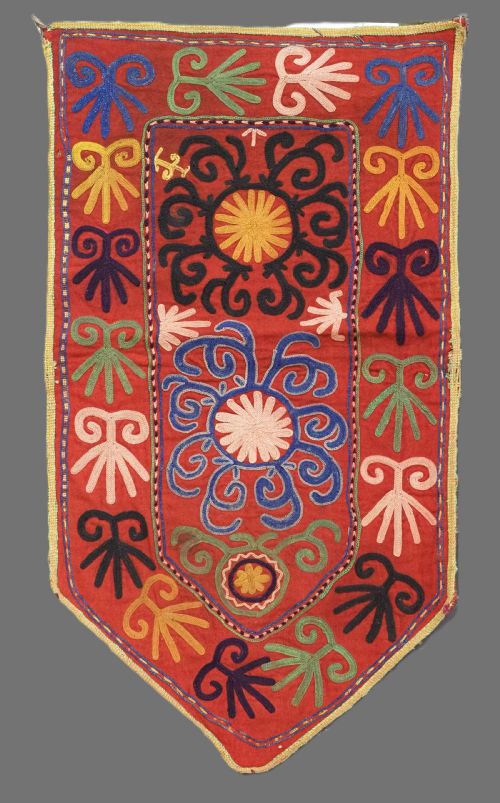
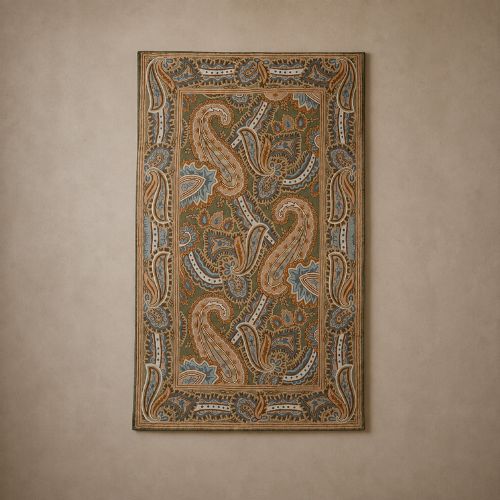
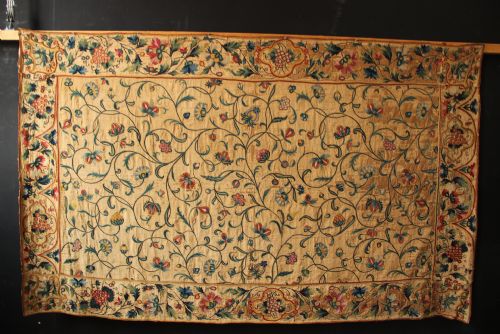
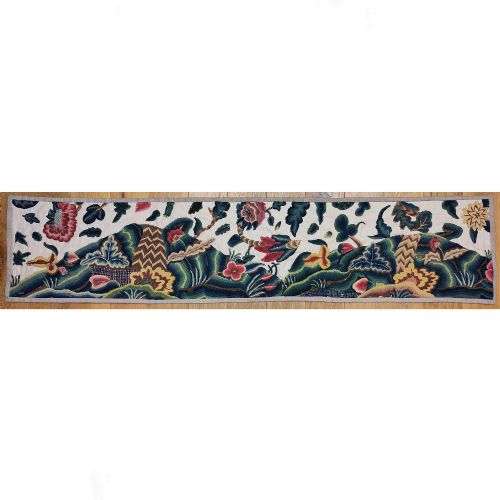
A wool embroidered wall panel encompasses historic needlework pictures, crewelwork textiles, and tribal wall hangings designed to be displayed on interior surfaces. When searching for a wool embroidered wall panel, buyers encounter diverse forms ranging from 17th-century English crewelwork to Central Asian nomadic dowry embroideries.
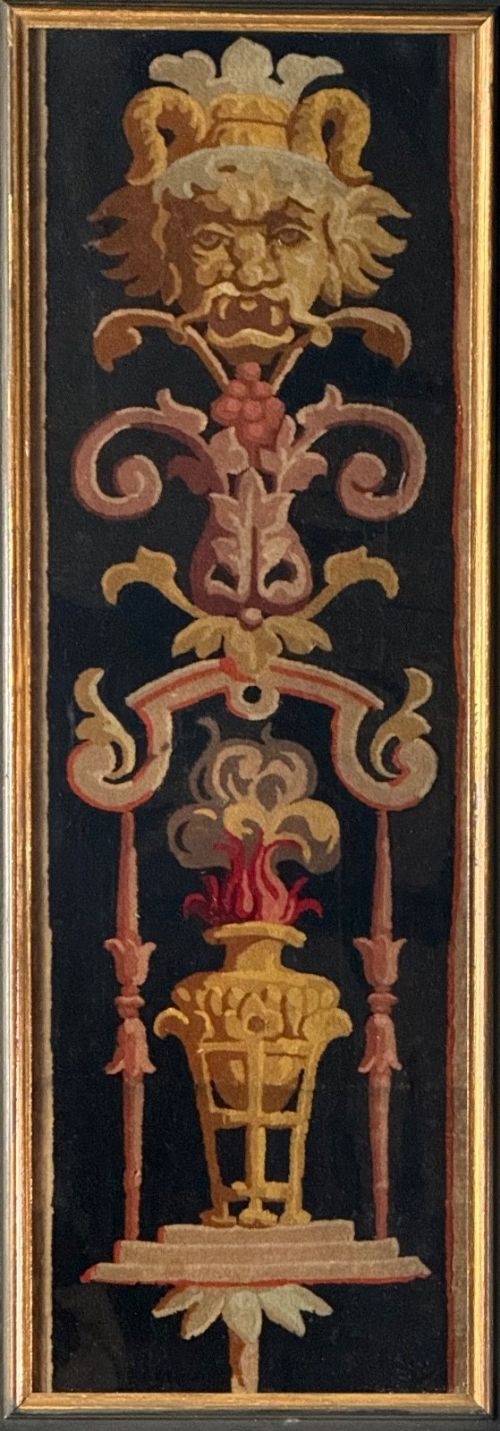
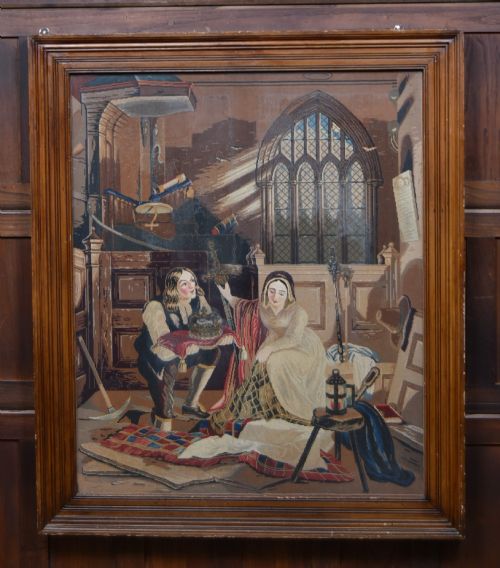
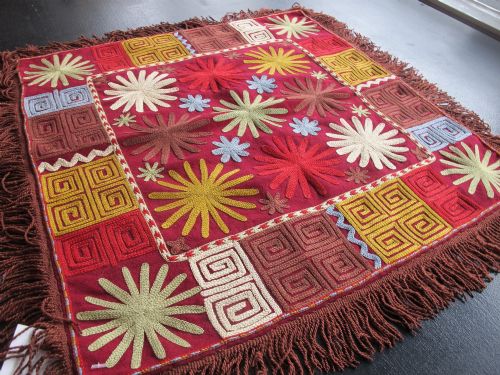
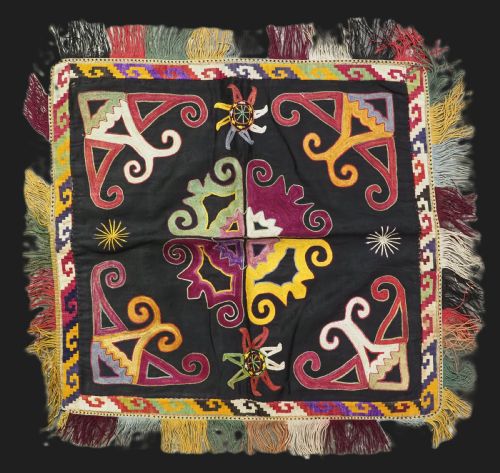
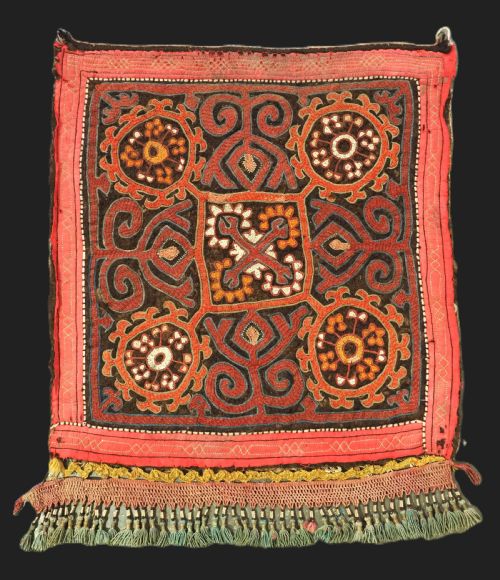
The selection includes European needlepoint panels from the 18th and 19th centuries alongside folk art samplers and framed tapestries. Many pieces incorporate specialised regional formats such as Uzbek ilgich or Kyrgyz yurt wall hangings.
Origins stretch across Britain, continental Europe, and Central Asia, utilising wooden frames or remaining as flexible fabric panels meant for hanging.
How they were made
Makers utilised wool, silk, and cotton threads worked onto various ground materials including linen, canvas, felt, and wool grounds. Stitching techniques vary from fine needlepoint and crewelwork embroidery to applied felt fringes and patterned weaving.
Structural support often involves wooden frames and giltwood surrounds, while several textile pieces remain unmounted to retain their original pliable character as wall hangings.
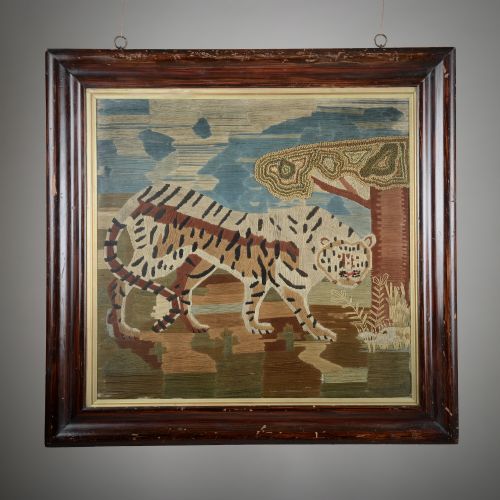
One wool work proudly depicts a tiger, proving that needlecrafters across history enjoyed stitching exotic beasts.
What varies in quality
Quality rests upon the fineness of the stitching and the integrity of the textile ground, distinguishing meticulous needlework from simpler folk art execution. The complexity of the design, such as intricate pastoral scenes or detailed tribal medallions, elevates the visual impact.
Preservation of the original wool and silk threads without extensive modern intervention determines the enduring integrity of the panel.
The Wool Embroidered Wall Panel Glossary
- Crewelwork
- Embroidery executed with wool yarn on a linen or cotton substrate, prominent in English needlework traditions. This technique allows for varied stitch types and textured floral or pastoral motifs.
- Ilgich
- A Central Asian dowry embroidery created by nomadic tribes for wall hanging use. These pieces often feature geometric designs and vibrant silk stitching on wool grounds.
- Needlepoint
- A form of counted or freehand canvas work stitched with yarn to create a dense, pictorial surface. It frequently appears in framed continental panels and Victorian wall art.
- Sampler
- A piece of needlework demonstrating various stitches and patterns, historically produced to practice or showcase needle skills. Older examples often incorporate alphabets or pictorial figures.
Wool Embroidered Wall Panel: Frequently Asked Questions
How were wool embroidered wall panels originally displayed?
Historic textiles served varying decorative and cultural purposes depending on their origin. European crewelwork and needlework pictures were typically framed behind glass or mounted in wood to adorn domestic interiors.
In contrast, Central Asian panels like ilgich and tush kyiz functioned as nomadic furnishings, hung inside tents or dwellings as part of dowry displays and celebratory traditions.
What materials are common in these textiles?
The primary medium involves wool threads worked onto supportive backings of linen, cotton, canvas, or felt. Silk frequently supplements the wool embroidery to add contrast and sheen to specific motifs.
Supporting elements include wooden stretcher frames and giltwood surrounds, though many tribal pieces survive as flexible fabric panels.
How do I care for an antique wall panel?
Display requires positioning away from direct sunlight to prevent the fading of natural wool and silk dyes. Maintaining stable indoor humidity protects organic textile fibres from degradation.
Vacuuming should be avoided unless executed through protective mesh by a textile conservator. Hanging methods must distribute weight evenly across the backing material or frame.
How can I tell the period of a panel?
Dating relies on stylistic indicators, materials, and stitching techniques characteristic of specific eras. Early English crewelwork exhibits distinct 17th or 18th-century botanical layouts, whereas Victorian pieces often show denser needlepoint execution.
Central Asian tribal embroideries carry regional motifs and specific ground fabrics tied to late 19th-century and early 20th-century nomadic production.