







Wool Embroidered Picture
A wool embroidered picture brings centuries of stitched pastoral scenes, portraits and folk art straight to your wall.
Wool Embroidered Picture
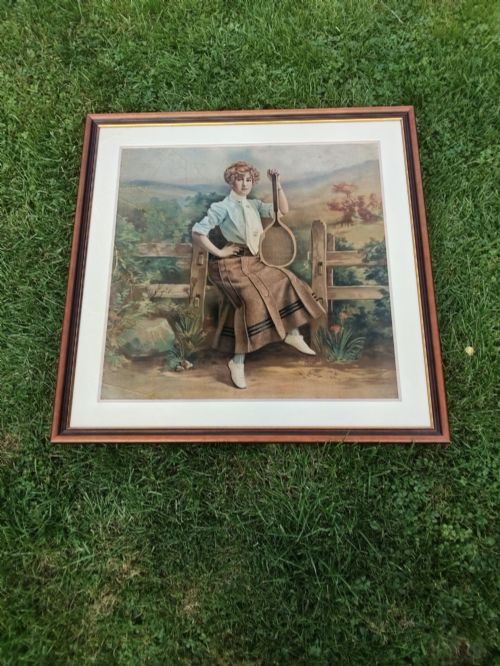
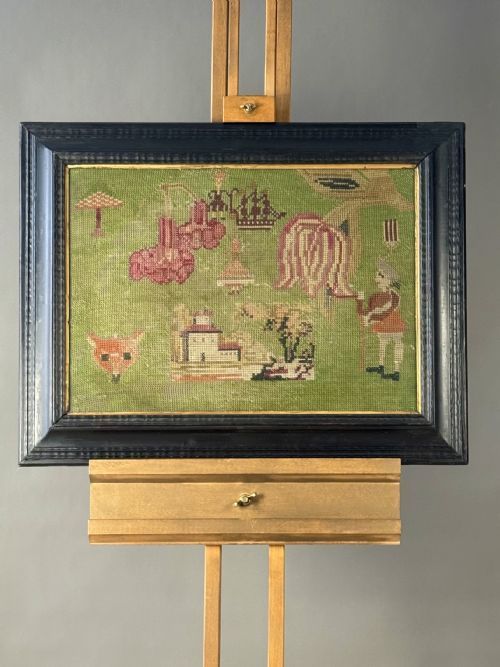
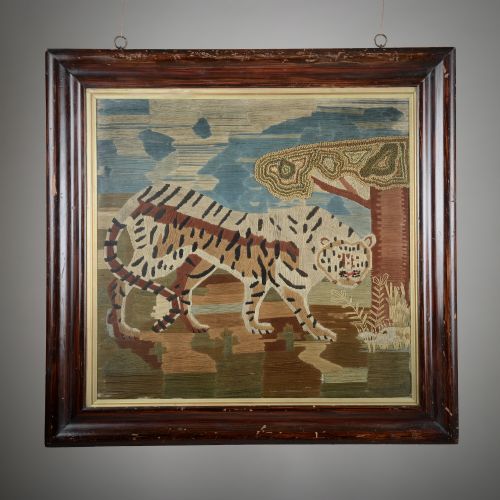
A wool embroidered picture captures centuries of domestic and classical scenes, taking forms such as needlework panels, samplers and framed textile art. Buyers searching for a wool embroidered picture will encounter pieces originating from the seventeenth, eighteenth and nineteenth centuries, alongside later examples.
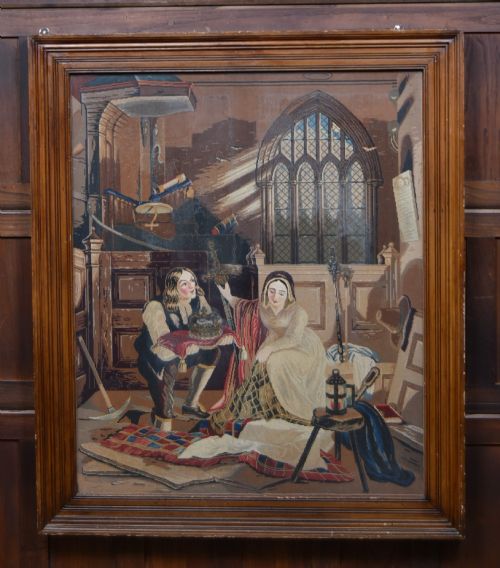
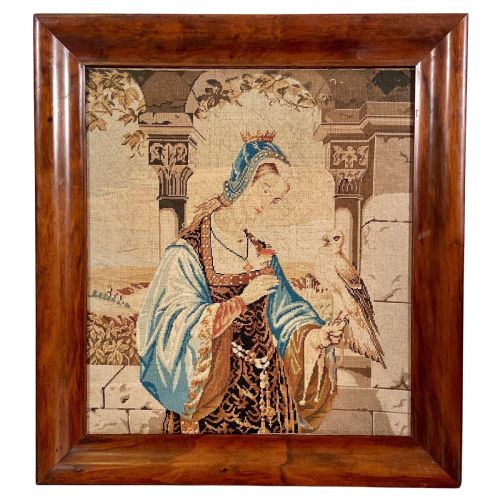
The subjects span from pastoral farming scenes and portraits to religious depictions, medieval styles and literary subjects like the Lady of the Lake. Most pieces arrive framed in wood, giltwood or verre églomisé, ready for hanging on the wall.
Earlier examples lean towards detailed eighteenth-century needlework, while nineteenth-century works often explore folk art, classical portraits and narrative tapestries. Pieces from the Arts and Crafts period and the early twentieth century also appear within this tradition.
Materials and construction
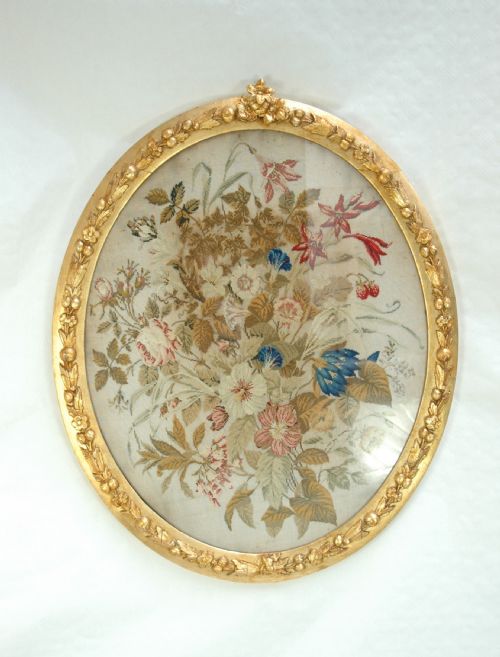
Makers built a wool embroidered picture using wool, silk and felt stitched onto linen or canvas grounds. Gros-point stitching appears alongside fine needlepoint and embroidery to build texture and depth within the picture plane.
Frames incorporate wood, giltwood and gold leaf, frequently featuring glass to protect the delicate textile panels. Verre églomisé frames with gilded glass borders also house oval woolwork pictures from the Regency period.
Wool Embroidered Picture Retail Price Guide 2026
Typical asking prices for wool embroidered picture among the pieces listed under this phrase on Sellingantiques today, from the lower quarter to the upper quarter. They describe what is for sale here now, not the wider market.
Listings feature wool, silk, linen, canvas, giltwood, and gold leaf across periods ranging from the seventeenth to the twentieth century.
Assessing quality
Quality in a wool embroidered picture rests upon the fineness of the stitchwork, the complexity of the composition and the preservation of the fibres. Masterful needlework displays subtle tonal shifts in the wool and silk, creating lifelike pictorial depth.
The enclosure matters just as much as the textile itself, with period frames in original giltwood or verre églomisé elevating the status of the piece. Intact grounds and stable stitching separate exceptional historic survivals from heavily restored examples.
The Wool Embroidered Picture Glossary
- Gros-point
- A coarse needlepoint stitch worked on canvas, often used for durable tapestries and backgrounds. It provides a distinct textured surface in nineteenth-century wool work pictures.
- Verre églomisé
- A cold decoration technique where gilt designs and paintings are applied to the reverse of glass. Frames utilising this method frequently surround Regency oval woolwork pictures.
- Sampler
- A piece of needlework produced to demonstrate skill in various stitches and patterns. Early examples serve as archives of domestic needlecraft.
- Needlepoint
- Embroidery stitched through an open-weave canvas ground, covering the entire foundation. This technique allows for dense pictorial designs in historical pictures.
- Giltwood
- Wood carved and coated with a thin layer of gold leaf or gilt paint. Many antique frames use this finish to complement textile art.
Wool Embroidered Picture: Frequently Asked Questions
How old are these pictures?
The pieces span from the seventeenth century through the eighteenth and nineteenth centuries up to the early twentieth century. Eighteenth-century examples and nineteenth-century tapestries form the core of what is available.
Dates are determined by the stitching techniques, materials, framing styles and subject matter typical of each period.
How should I hang them?
These framed textile artworks belong on interior walls away from direct sunlight to protect the wool and silk threads from fading. Use secure picture hooks suited to the weight of the wooden or giltwood frame.
Keep them clear of damp environments and intense heat sources to preserve the integrity of the fabric and the framing.
What subjects do they show?
The imagery covers a broad spectrum including pastoral farming scenes, classical portraits, religious figures like St Peter, and literary narratives such as Little Red Riding Hood. Folk art and medieval-style tapestries also feature prominently.
Each subject reflects the artistic tastes and decorative ambitions of the era in which the needlework was produced.
Are they framed?
Most pieces come in dedicated frames made of wood, giltwood or specialised glass settings like verre églomisé. These frames protect the textile art and complete the presentation of the wall hanging.
Original frames enhance the historic character of the needlework picture.