




Wooden Wall Shield
A wooden wall shield carries heraldic pride or sporting triumph straight to the room, bringing centuries of carved timber and mounted bone into domestic spaces.
Wooden Wall Shield
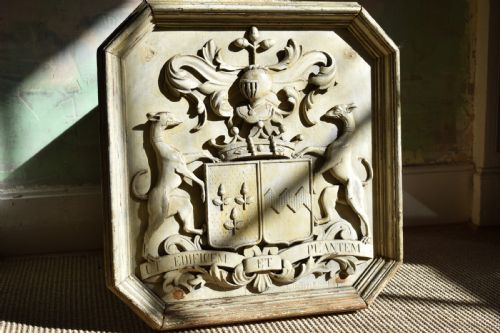
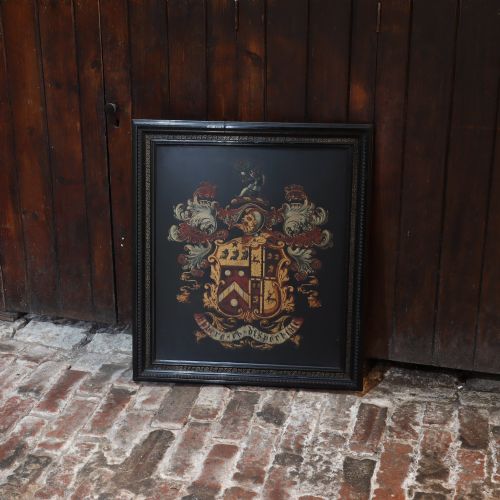
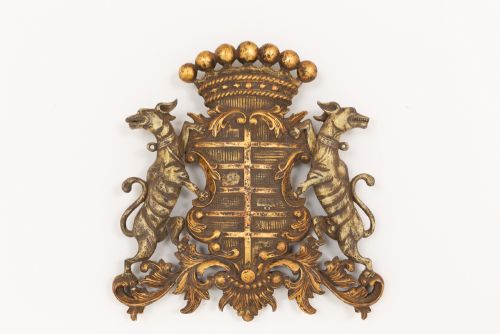
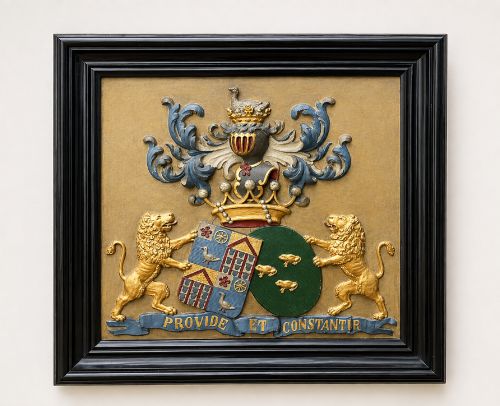
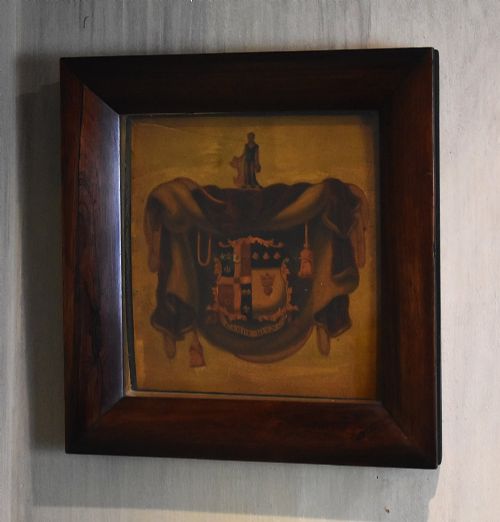
A wooden wall shield encompasses carved armorial panels, heraldic crests, and taxidermy trophies mounted upon timber bases. These pieces emerge from the nineteenth and early twentieth centuries, spanning Victorian, Edwardian, and Regency periods.
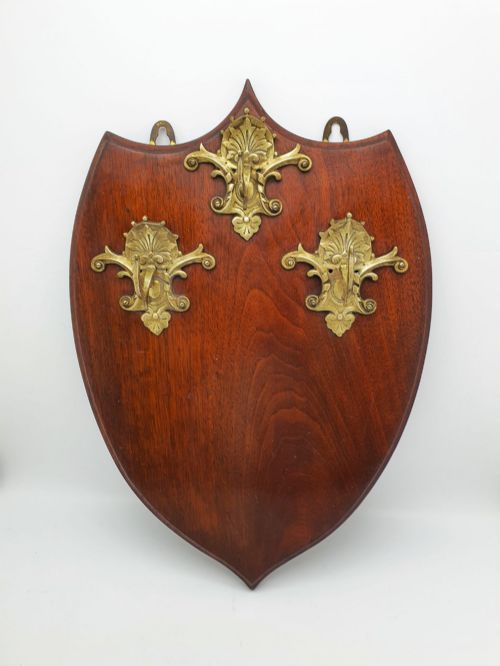
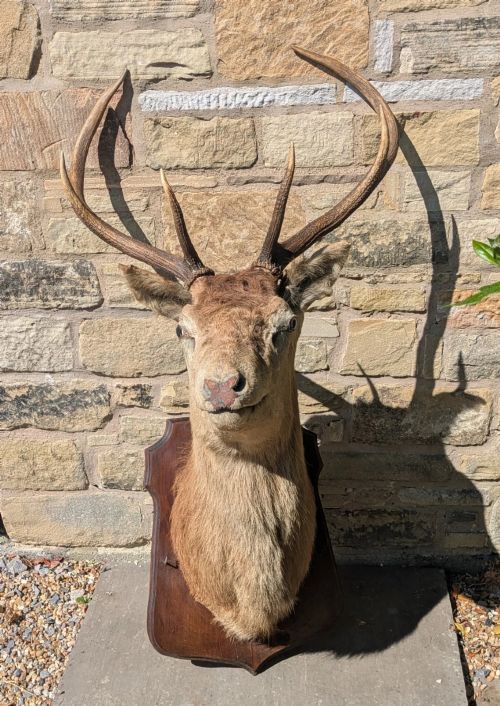
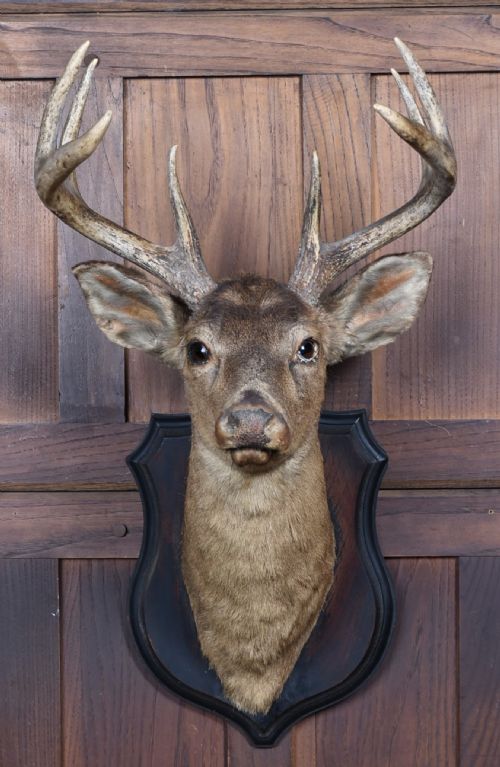
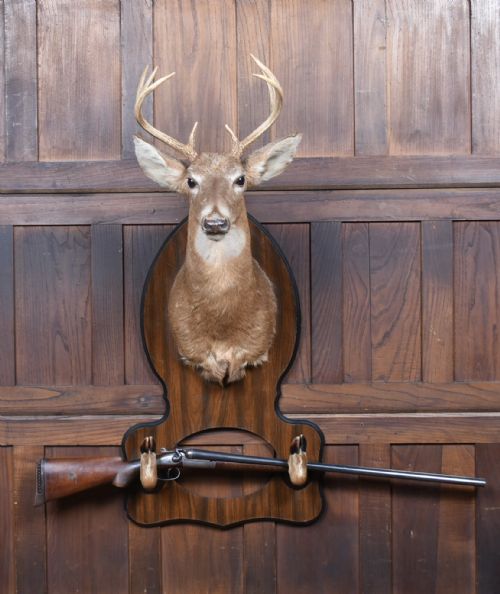
Buyers encounter carved hardwood armorial plaques alongside mounted deer antlers, gazelle horns, and taxidermy stags' heads affixed to wooden shields. Functional variations include brass coat hooks and hotel reception key boards set into oak boards.
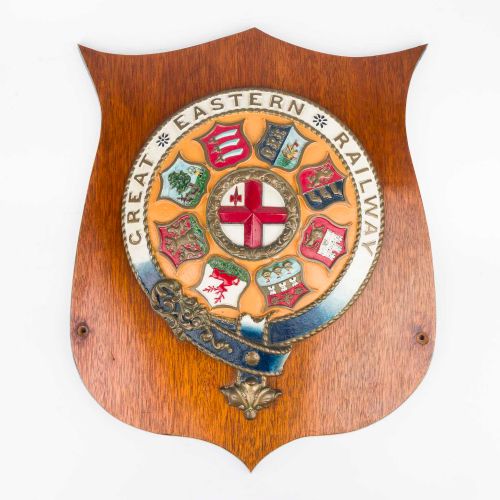
Origins stretch across British, French, and Dutch workshops, taking the form of painted coach panels, heraldic marriage plaques, and railway crests.
Materials and construction methods
Carpenters shaped these pieces from oak, mahogany, tiger oak, and assorted hardwoods, employing deep relief carving to render heraldic lions, coats of arms, and foliate scrolls. Polychrome paint and silver-plating frequently highlight the carved details and metal fixtures.
Taxidermy specimens utilise real horn, bone, antler, and taxidermy hide, mounted securely onto wooden backing boards using traditional taxidermy methods of the period. Brass components such as coat hooks and hinges are fixed directly into the timber.
Wooden Wall Shield Retail Price Guide 2026
Typical asking prices for wooden wall shield among the pieces listed under this phrase on Sellingantiques today, from the lower quarter to the upper quarter. They describe what is for sale here now, not the wider market.
Fox hounds named Dairy Maid found immortality mounted on timber alongside majestic twelve-point stags.
Distinctions in craftsmanship and origin
Quality rests upon the crispness of the wood carving and the documented provenance of the heraldry or taxidermy. Pieces attributed to recorded taxidermists or bearing specific familial coats of arms command greater attention than generic decorative plaques.
The preservation of the timber, the natural state of the horn and antler, and the fidelity of painted polychrome surfaces determine the standing of an individual piece within its period.
Peter Spicer and Sons·Edward Gerrard and Sons
The Wooden Wall Shield Glossary
- Armorial
- Relating to heraldry or coat armour. These shields display specific family lineages and civic crests.
- Taxidermy
- The art of preparing, stuffing, and mounting the skins of animals. Specimens appear fixed to wooden shields as hunting trophies.
- Heraldic panel
- A flat board displaying a coat of arms. They record marriages, family descents, and institutional identities.
- Polychrome
- Painted in several colours. This finish enlivens carved wooden crests with historical pigments.
Wooden Wall Shield: Frequently Asked Questions
How do I hang a wooden wall shield?
These shields generally feature robust metal mounting loops or heavy-duty brackets fixed to the reverse of the timber backing.
Ensure your wall fixing matches the weight of the dense hardwood and any mounted taxidermy or antlers before hanging.
Were these shields used outdoors?
Such pieces were designed strictly for interior display in halls, libraries, lodges, and hotel receptions.
Exposing the timber, paint, and natural bone to outdoor weather will cause rapid deterioration.
How do I clean taxidermy and wood?
Dust the wooden shield and horns gently with a dry, soft brush to remove surface debris without damaging the hide or paint.
Avoid liquid cleaners and moisture, which can harm historic wood finishes and taxidermy materials.
What periods do these pieces date from?
The selection spans from the nineteenth century through the Edwardian era up to the nineteen-thirties.
Stylistic cues like Pugin designs or Regency painted finishes help indicate the exact era of production.