

Wooden Wall Rack
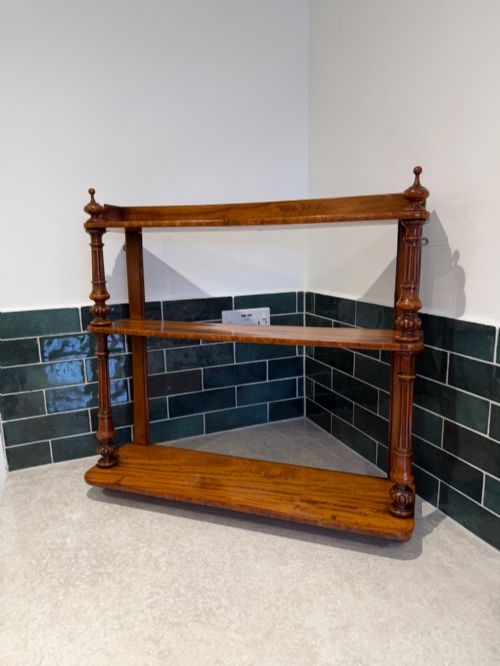
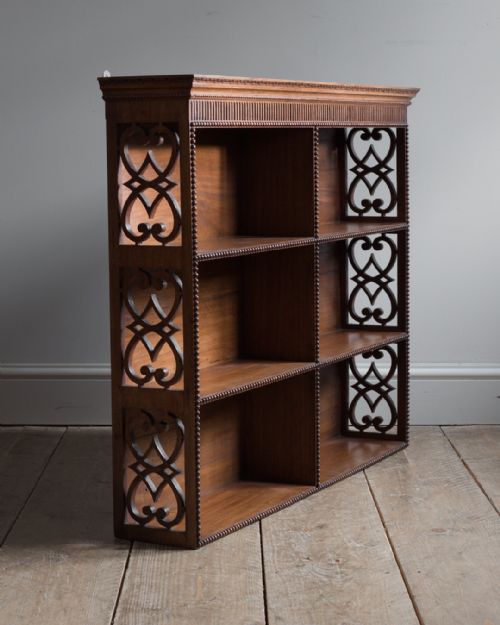
These wooden wall rack pieces organise everyday spaces with functional charm, spanning practical coat hooks to display shelving.
Wooden Wall Rack
A wooden wall rack serves as a space-saving fixture designed to hold coats, plates, books, or small household objects within hallways, kitchens, and living rooms. When searching for this phrase, buyers encounter a diverse selection ranging from utilitarian pine coat holders to refined mahogany hanging shelves.
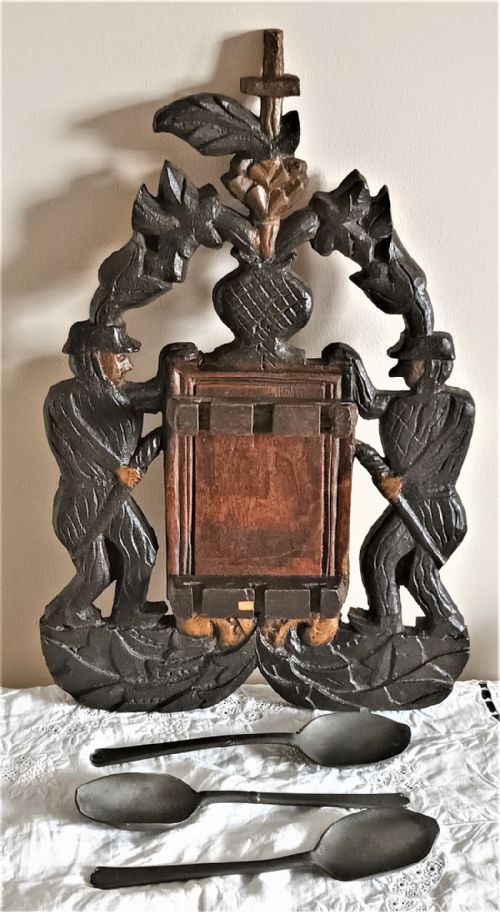
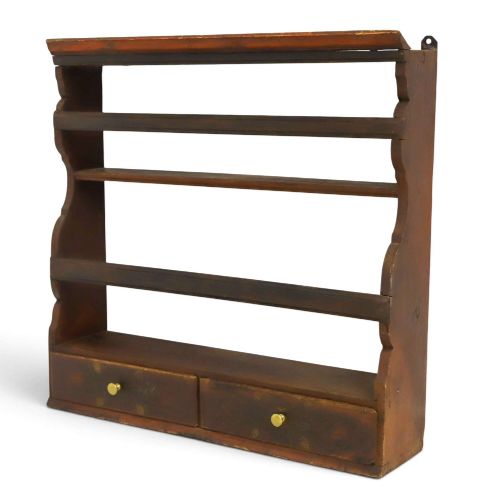
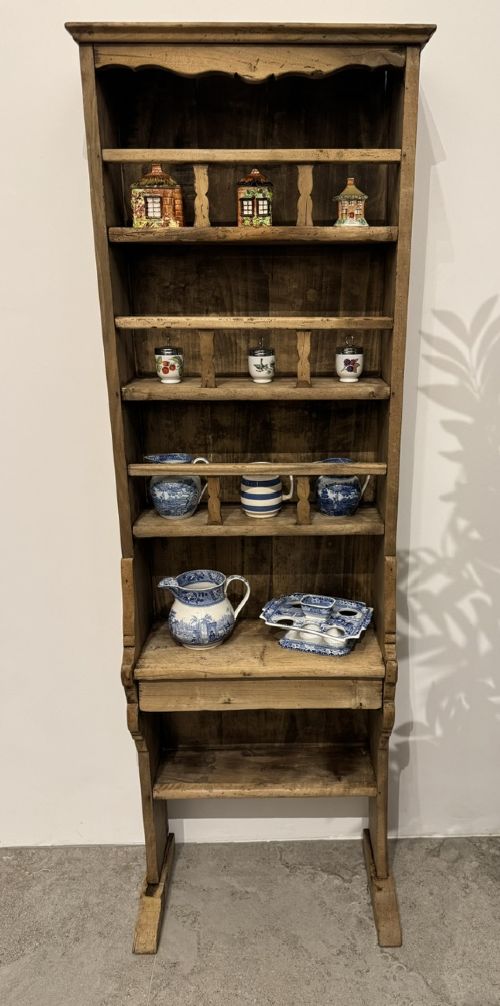
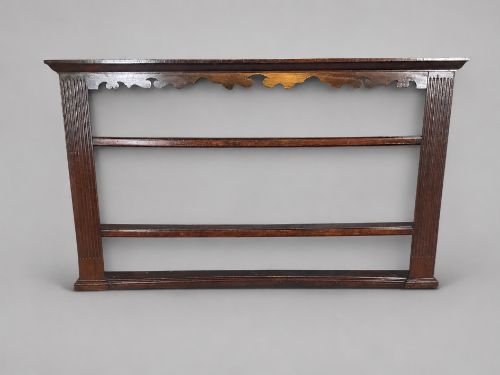
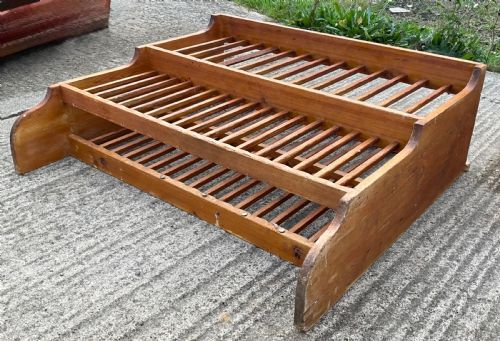
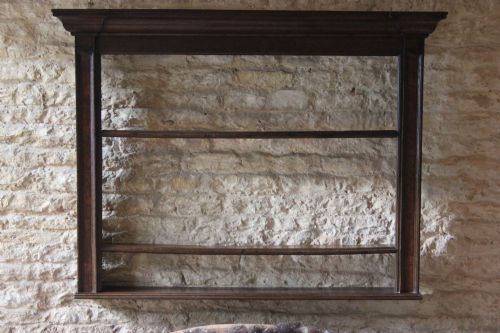
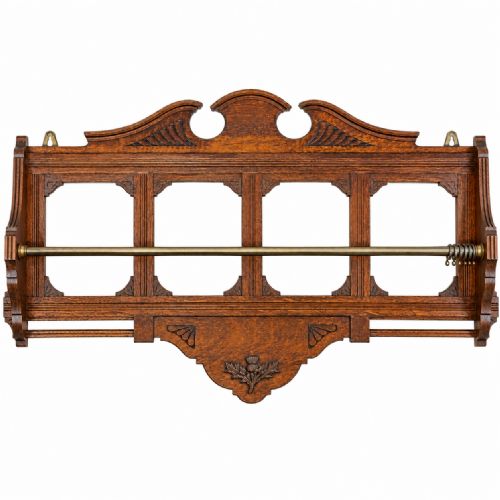
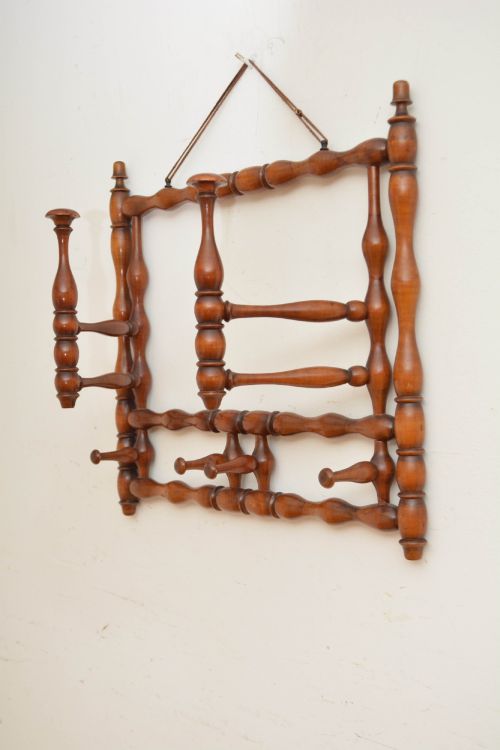
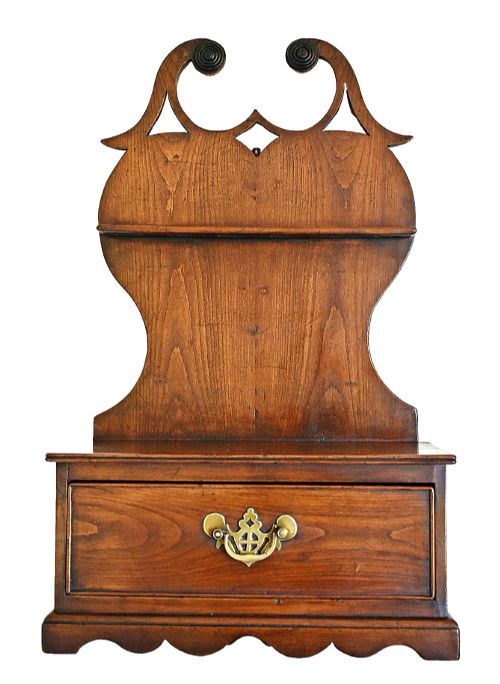
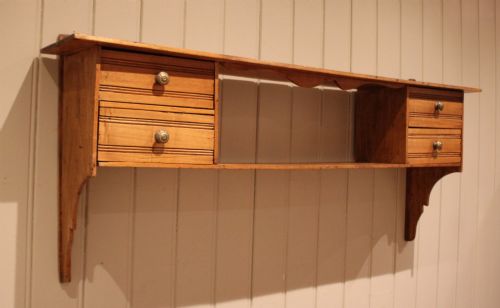
The pieces appearing on this page span several centuries, with a strong representation of Victorian, Edwardian, and Georgian designs. Functional forms such as coat racks with brass hooks and open bookcases predominate alongside plate racks and spoon racks.
Origins vary from English country workshops to French provincial makers and Black Forest carvers. Domestic examples utilise native timbers like oak and mahogany to provide sturdy storage for everyday living.
Materials and construction
Makers constructed these racks primarily using solid hardwoods such as mahogany, oak, and walnut, alongside utilitarian softwoods like pine. Timber boards formed the main backplates and shelves, shaped using traditional hand woodworking techniques.
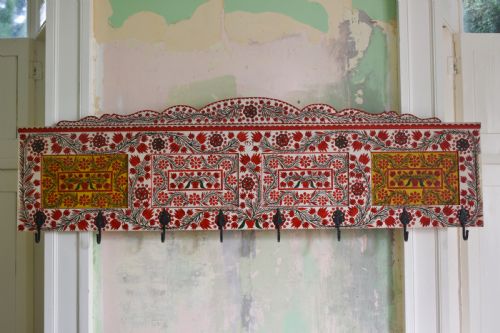
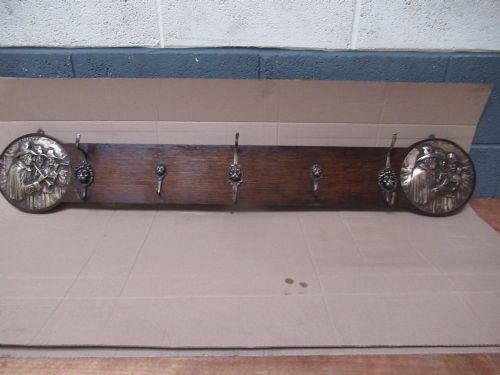
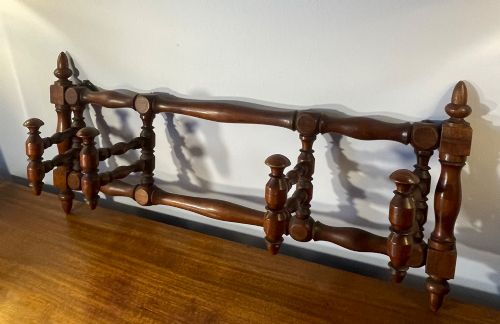
Metal and ceramic hardware added utility and decoration, incorporating cast brass hooks, iron brackets, and porcelain inserts. Carved details, turned wooden pegs, and hand-painted finishes appear on regional examples from the 18th century through to the early 20th century.
Wooden Wall Rack Retail Price Guide 2026
Typical asking prices for wooden wall rack among the pieces listed under this phrase on Sellingantiques today, from the lower quarter to the upper quarter. They describe what is for sale here now, not the wider market.
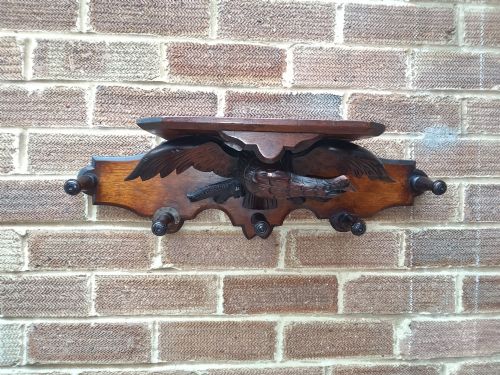
A fierce Black Forest gnome stands ready to hold a whip, proving that even a humble utility hook had a sense of humour.
Judging the quality
Quality rests upon the selection of timber and the integrity of the joinery, distinguishing finely figured mahogany boards from plain utilitarian pine. Original fittings, such as heavy cast brass hooks and matching ceramic inserts, elevate a piece above later replacements.
Design sophistication separates standard workshop output from exceptional examples, seen in delicate fretwork, hand-carved Black Forest motifs, or integrated mirror glass. The crispness of carved mouldings and the balance of proportions determine the visual appeal.
The Wooden Wall Rack Glossary
- Backboard
- The vertical wooden panel that supports hooks, shelves, or pegs for wall mounting. This component often displays the grain or painted finish characteristic of the period.
- Delft rack
- A specialised shelving unit designed to display ceramic plates upright against a grooved wooden ledge. These Georgian and 18th-century pieces typically feature multiple plate tiers.
- Faux bamboo
- A decorative carving style mimicking the segmented joints of natural bamboo. This technique appears on 19th-century French coat hooks and hanging frames.
- Trefid
- An early style of spoon handle terminating in a notched, three-lobed shape. Such spoons occasionally accompany antique oak spoon racks.
- Satin birch
- A pale, light-reflecting timber utilised for Victorian shelving units. Its distinctive grain provides a bright alternative to darker hardwoods.
Wooden Wall Rack: Frequently Asked Questions
How do I hang a heavy wooden wall rack?
Secure the rack directly into wall studs or masonry using appropriate fixings matched to the weight of the timber and intended load.
Ensure the mounting brackets or pre-drilled screw holes on the backboard distribute the pressure evenly across the structure.
How do I clean antique wooden wall fixtures?
Dust the timber regularly with a soft, dry cloth to prevent dirt accumulation within carved details and around brass hooks.
Apply occasional coats of appropriate beeswax to nourish the wood and maintain the natural lustre without modern chemical polishes.
Are brass hooks on Victorian racks usually original?
Original brass hooks typically show appropriate patination, wear patterns, and fixing screws consistent with the age of the backboard.
Replacements often appear cleaner, lack historical surface oxidation, or feature thread types that do not match the period of the timber.