

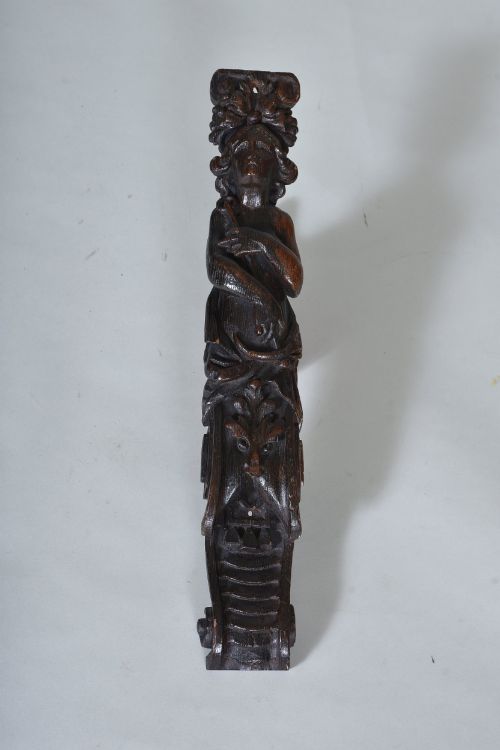


Wooden Wall Mask
These wooden wall mask pieces bring carved character and striking presence to an interior, offering a distinct focal point for any room.
Wooden Wall Mask
A wooden wall mask collection encompasses a varied group of carved sculptures, plaques, and mounted heads originating from several distinct eras and traditions. When searching for a wooden wall mask, buyers encounter objects ranging from European architectural carvings and Black Forest animal heads to African tribal masks and Japanese folk art.
The pieces appearing on this page span the seventeenth, eighteenth, and nineteenth centuries, alongside Edwardian and mid-twentieth-century examples. Forms vary widely from architectural corbels and figurative wall brackets to ceremonial masks and taxidermy mounts set on carved wooden shields.
European traditions contribute walnut lion heads and tiger heads alongside oak carvings, while global traditions provide items such as Baule tribal masks, Kifwebe masks, and Japanese Daruma plaques. This mix reflects diverse cultural purposes, from architectural adornment to ritual use and folk tradition.
How they were made
Carvers shaped these pieces primarily from solid hardwoods including oak, walnut, and dark oak, selecting timber suited to detailed chiselling and deep relief work. Artisans utilised hand tools to cut away the grain, achieving intricate facial expressions and textural depth on animal heads, human visages, and architectural supports.
Wooden Wall Mask Retail Price Guide 2026
Typical asking prices for wooden wall mask among the pieces listed under this phrase on Sellingantiques today, from the lower quarter to the upper quarter. They describe what is for sale here now, not the wider market.
Several fierce forest predators share wall space here with a serene Japanese sage and watchful ceremonial spirits.
What varies in quality
The standard of a carved wooden wall mask depends significantly on the precision of the hand carving and the vitality of the final expression. Master carvers achieved anatomical conviction and deep undercut details that create strong shadows and lifelike presence, whereas simpler pieces show more schematic toolwork.
Condition and originality also determine the standing of an item, particularly concerning surface patination and the survival of original pigments or finishes. Pieces retaining their early carved wooden backplates or mounts display a greater degree of integrity than those altered or separated from their original context over time.
P. Spicer & Sons
The Wooden Wall Mask Glossary
- Corbel
- A structural piece of stone, wood, or metal jutting from a wall to carry a weight, often carved into figurative or scroll designs.
- Black Forest
- A nineteenth-century style of intricate wood carving originating from the mountainous region of central Europe, renowned for realistic depictions of animals and foliage.
- Kifwebe
- A traditional mask associated with the Songye people of the Democratic Republic of Congo, characterised by striated linear patterns and geometric form.
- Daruma
- A Japanese traditional doll or plaque modelled after Bodhidharma, representing perseverance and good fortune in folk art traditions.
- Architectural salvage
- Building elements rescued from structures slated for demolition, preserving historic woodwork and decorative carvings for reuse.
Wooden Wall Mask: Frequently Asked Questions
What is a wooden wall mask?
A wooden wall mask is a carved sculptural object designed to hang on a vertical surface, encompassing European animal heads, architectural brackets, and international tribal masks.
These pieces function primarily as decorative art, bringing texture, history, and distinct cultural narratives into domestic spaces.
How do I date a wooden wall mask?
Dating relies on examining the tool marks, timber species, style conventions, and any accompanying documentation or provenance associated with the carving.
Seventeenth-century pieces typically show heavier oak construction and deep, rudimentary chisel work, whereas nineteenth-century Black Forest items display highly naturalistic anatomical detailing.
Where should I hang a wooden wall mask?
These pieces suit placement in hallways, studies, or living rooms where they can act as a strong visual anchor against plain or panelled walls.
Ensure the mounting is secure, as denser hardwood sculptures and taxidermy mounts carry significant weight and require proper wall fixings.
How do I care for antique wooden wall masks?
Maintain the wood by keeping pieces away from direct sunlight, intense heat sources, and rapid humidity fluctuations that might cause the timber to split.
Dust gently with a dry, soft cloth, avoiding commercial polishes or moisture unless the specific finish requires light conditioning.