

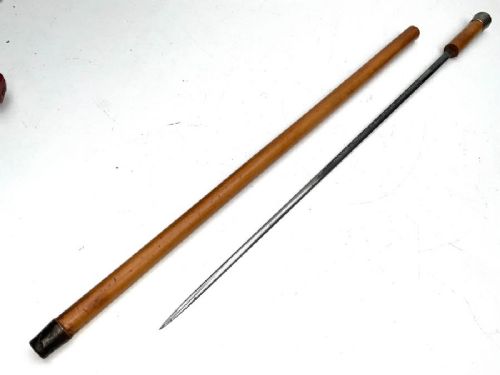
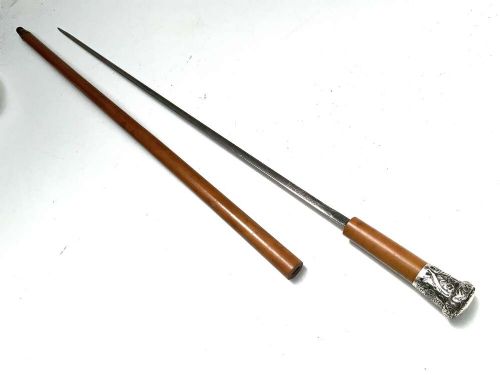

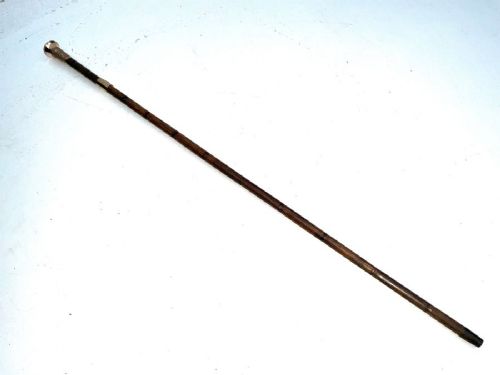


Wooden Walking Stick Blade
A wooden walking stick blade combines an everyday gentleman's support with a concealed steel edge for protection.
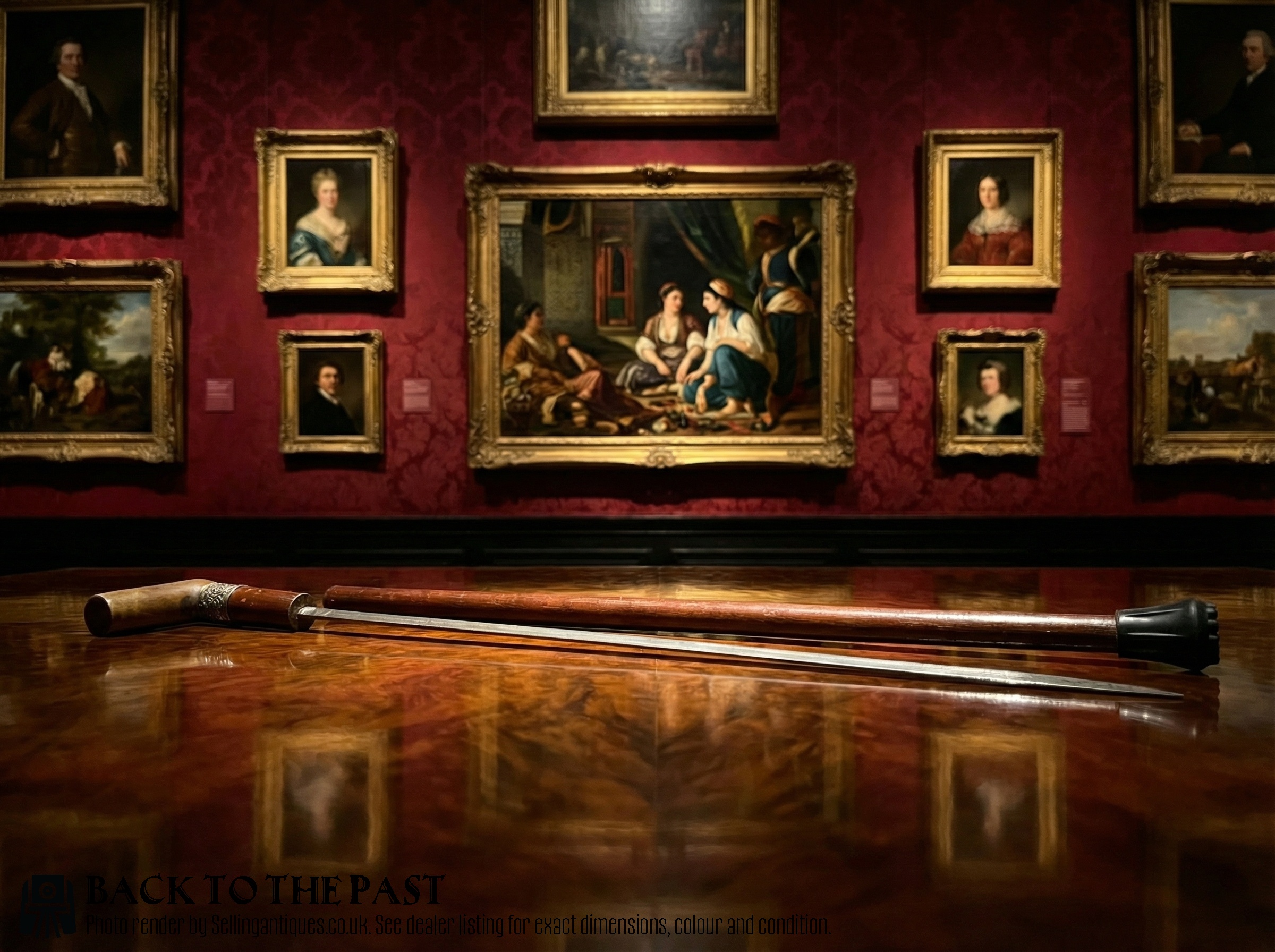
Wooden Walking Stick Blade
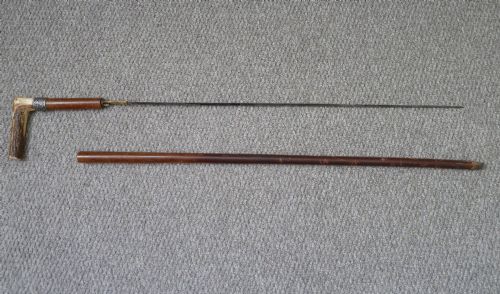
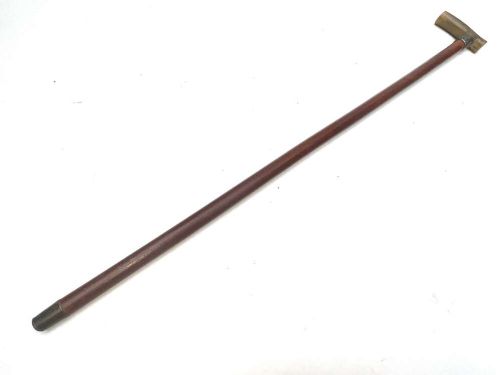
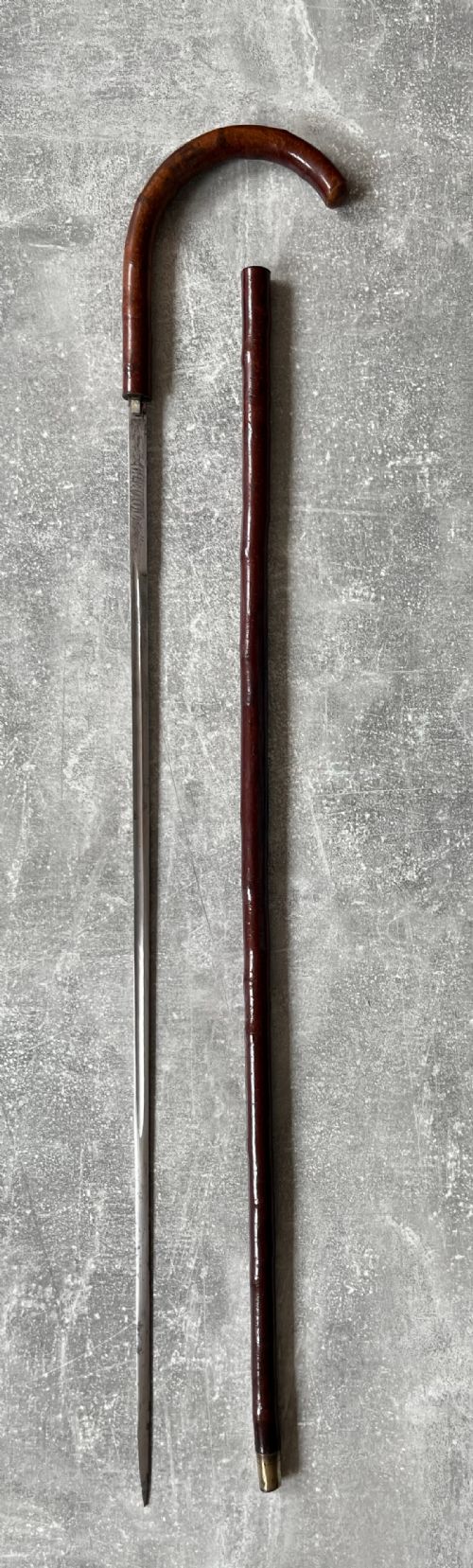
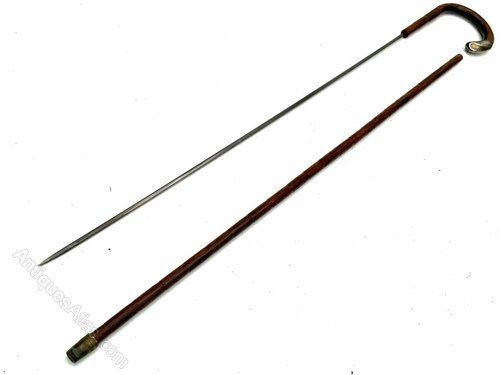
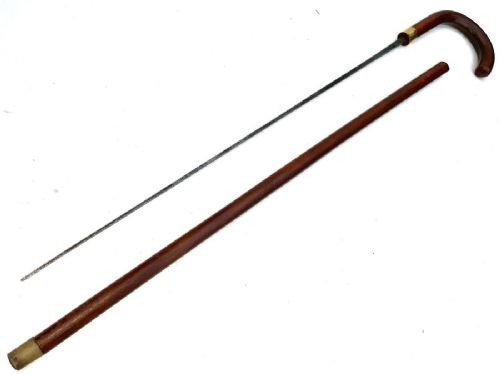
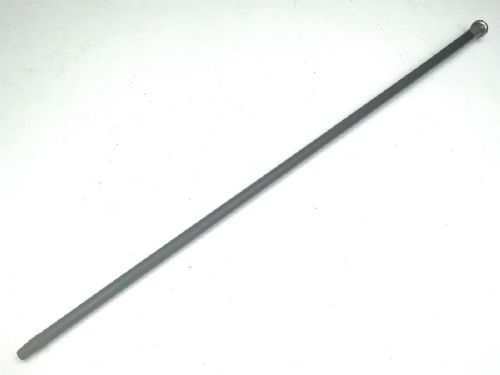
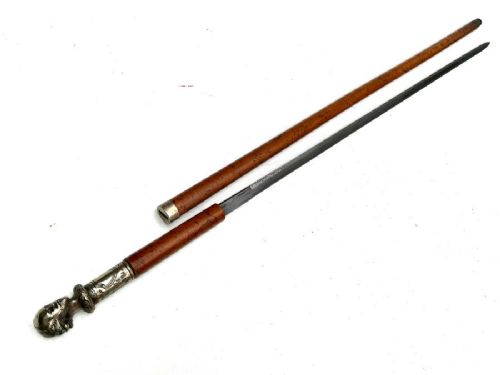
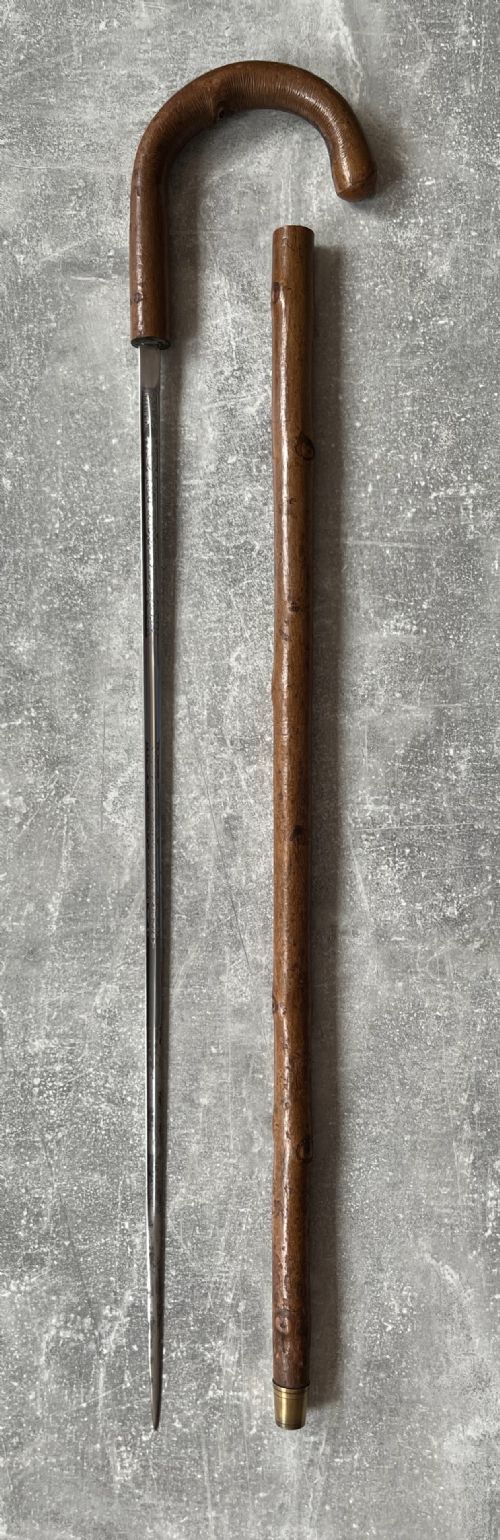
A wooden walking stick blade generally refers to a sword stick or concealed blade cane, designed to look like a standard walking cane while housing a hidden steel weapon inside the shaft. These pieces appear across Victorian, Edwardian, and early twentieth-century periods, spanning from the 1880s through to 1920.
The versions most common on this page combine natural timber shafts made from cherrywood, partridge wood, hazel, malacca cane, rosewood, or Irish blackthorn with concealed steel blades. Many incorporate specific military associations, masonic emblems, or distinct handles fashioned from horn, antler, and root ends.
Makers ranged from standard military outfitters to specialised blade smiths, frequently pairing durable hardwoods with functional metal elements such as silver collars, brass mounts, and Wilkinson or Toledo steel blades.
How they were made
The construction relies on hollowing a sturdy wooden shaft to securely house a steel blade, which locks into place with a collar or screw mechanism. Woods like malacca cane, rosewood, and partridge wood were selected for straightness and durability, while handles were carved from horn, antler, or root wood and attached to silver or brass collars.
Blades were forged from steel, sometimes bearing specific maker stamps such as Wilkinson or Toledo, demonstrating the integration of traditional sword-smithing techniques into civilian and military walking canes.
Wooden Walking Stick Blade Retail Price Guide 2026
Typical asking prices for wooden walking stick blade among the pieces listed under this phrase on Sellingantiques today, from the lower quarter to the upper quarter. They describe what is for sale here now, not the wider market.
The inventory records specialised military and fraternal examples, including pieces tied to the Grenadier Guards, Masonic lodges, and Imperial German military officers.
What varies in quality
Quality in a wooden walking stick blade depends on the integrity of the hidden locking mechanism and the quality of the forged steel blade within. Pieces featuring named blade makers or solid silver collars generally represent higher manufacturing standards than unmarked utility versions.
The selection of timber also dictates the tier of the piece, with dense hardwoods like malacca and rosewood showing superior grain and resilience compared to plain utility woods. Handle materials such as genuine horn and antler, paired with tight joins along the shaft, separate standard civilian walking sticks from finer military and fraternal examples.
The Wooden Walking Stick Blade Glossary
- Sword stick
- A walking cane containing a concealed metal blade within its wooden shaft. This dual-purpose design was popular among gentlemen for personal defence during the Victorian and Edwardian eras.
- Malacca cane
- A durable, mottled rattan palm imported from Southeast Asia, prized for its flexibility and strength in walking stick construction. It often accepts silver collars and mounts very cleanly.
- Swagger stick
- A short, light cane carried by military officers as a badge of rank rather than for physical support. Some examples covertly housed hidden blades.
- Collar
- A metal band, frequently cast in silver or brass, fitted around the upper shaft of a walking stick to reinforce the wood beneath the handle.
- Blackthorn
- A dense, hard British wood featuring distinctive knotty projections, commonly utilised for traditional Irish walking sticks and shillelaghs.
Wooden Walking Stick Blade: Frequently Asked Questions
How do you release the hidden blade?
Most concealed blades release via a twist-lock mechanism, a push-button release, or a simple friction fit secured by the collar.
Users pull the handle straight out from the wooden shaft to reveal the steel blade.
Were these used as weapons?
Yes, sword sticks and blade canes served primarily as personal protection devices for gentlemen walking through unfamiliar or dark city streets during the nineteenth and early twentieth centuries.
They provided a discreet means of defence before the widespread carrying of firearms became common.
What woods were used for the shafts?
Common timbers include malacca cane, rosewood, cherrywood, hazel, and partridge wood.
These woods were chosen for their straight grain, impact resistance, and ability to be hollowed out without compromising structural integrity.
How do you date an antique sword stick?
Dating relies on stylistic clues, military associations, hallmarks on silver collars, and the specific materials utilised in the handle and blade.
Victorian and Edwardian pieces often display distinct craftsmanship markers and metalworking styles characteristic of London silversmiths or continental workshops from the 1880s to the 1920s.