

Wooden Vanity Table
These wooden vanity table pieces offer practical elegance, bringing period charm and functional surface space to daily routines.
Wooden Vanity Table
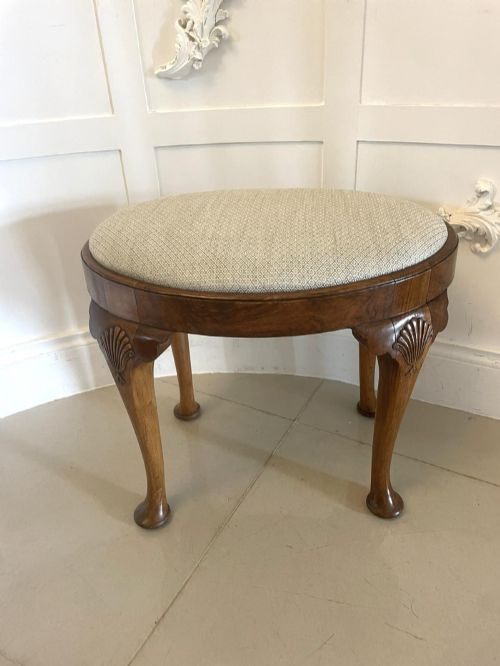
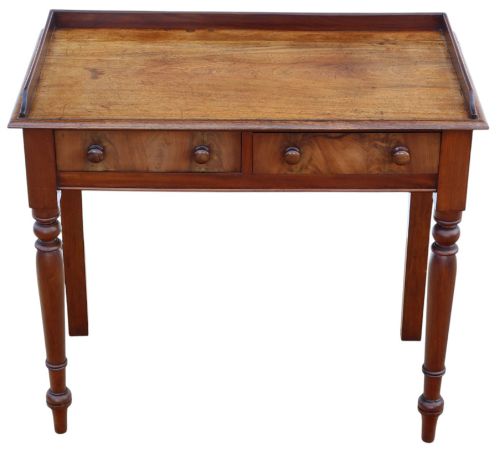
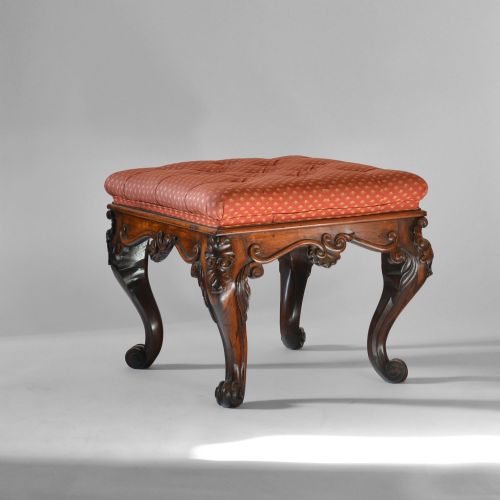
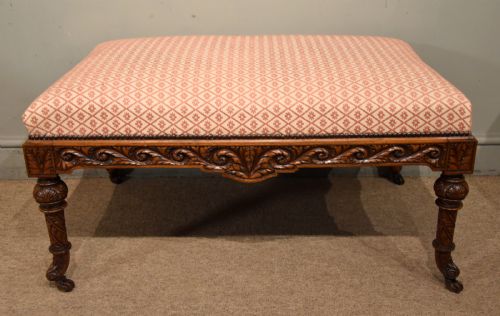
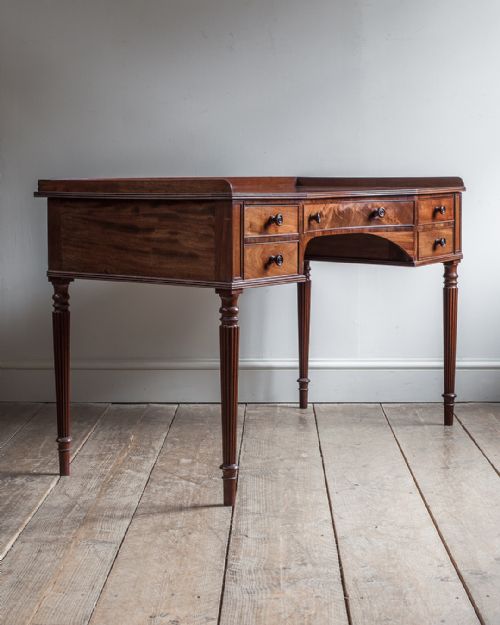
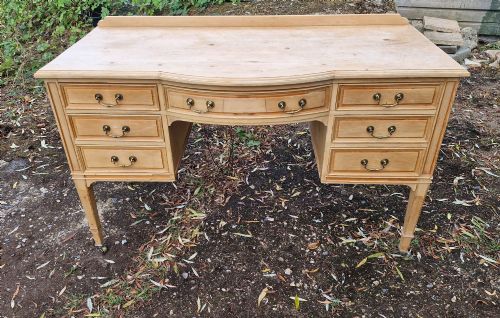
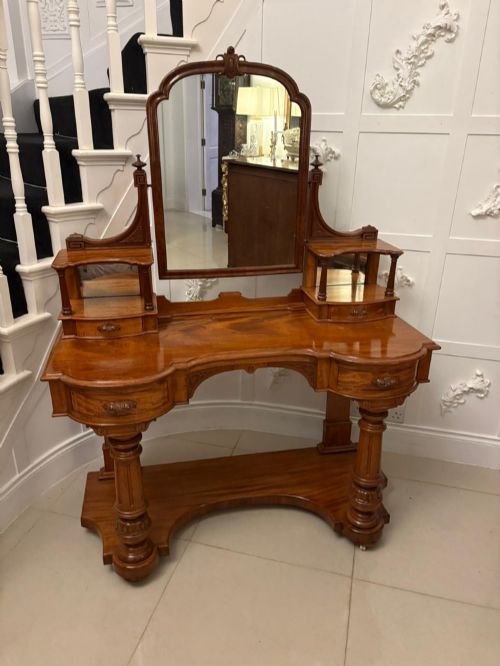
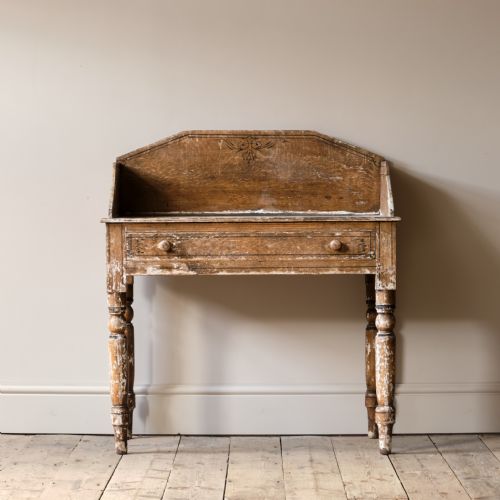
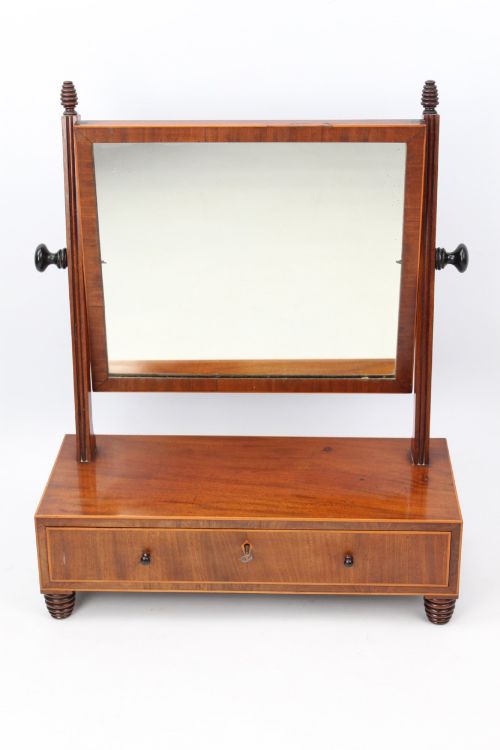
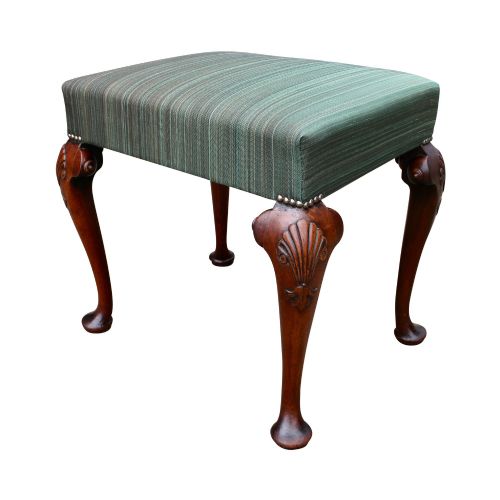
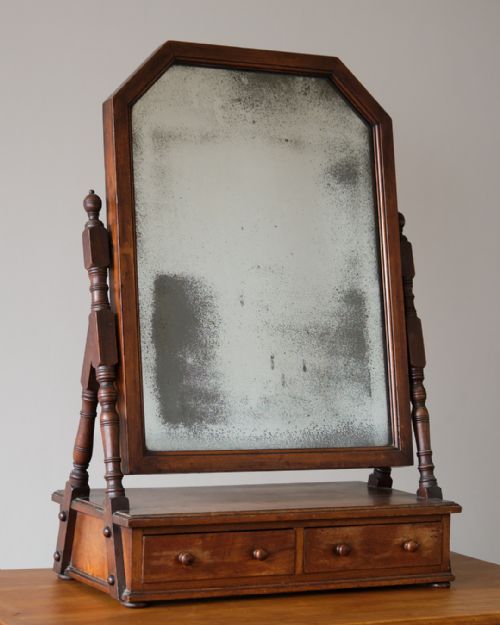
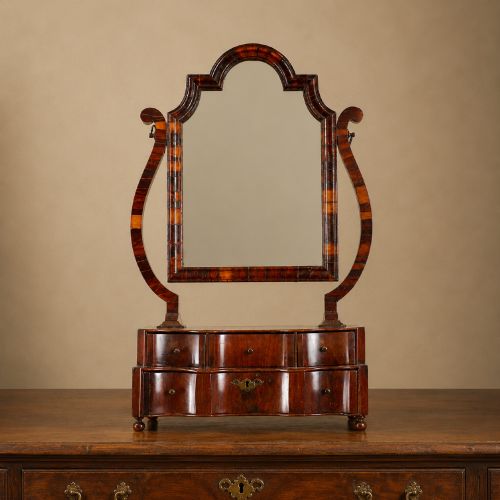
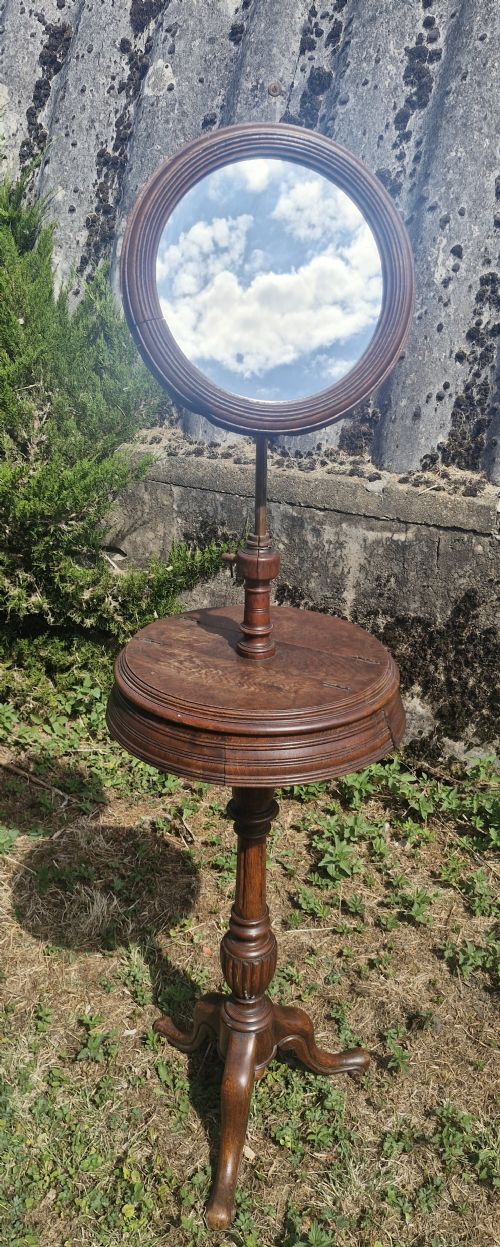
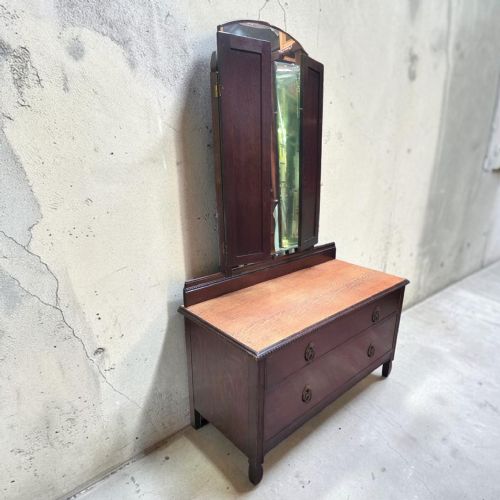
A wooden vanity table encompasses dressing tables, washstands, dressing mirrors, and matching stools designed for personal grooming. When buyers search for a wooden vanity table, they encounter forms ranging from large freestanding tables to compact tabletop mirrors and shaving stands.
The pieces span several centuries, with robust representation from the Georgian, Regency, Victorian, and Edwardian eras, alongside later Arts & Crafts and Art Deco designs. Mahogany and walnut appear frequently, often complemented by pine, oak, and specialised timbers.
Most items serve a dual purpose as writing surfaces or decorative furniture, while smaller toilet mirrors sit atop chests of drawers. This variety allows collectors to select pieces that fit both compact dressing areas and spacious bedrooms.
Materials and construction methods
Cabinet makers utilised dense hardwoods such as mahogany, walnut, and rosewood for primary structures, ensuring durability across daily use. Secondary timbers like pine and oak support internal drawer boxes and framing.
Surfaces often feature figured veneers, including burr walnut and bird's eye maple, paired with brass hardware and tilting mirror glass. Joinery methods reflect the period, ranging from hand-cut dovetails on early Georgian drawers to later Edwardian production techniques.
Listings feature items spanning the 18th, 19th, and 20th centuries, utilising mahogany, walnut, oak, and pine alongside brass and mirror glass.
Distinctions in quality
The standard of timber selection largely dictates a piece's tier, with richly figured grains and solid construction separating superior examples from utilitarian ones. Fine carving, crisp mouldings, and original brass fittings elevate the stature of a dressing table or mirror.
The integrity of the mirror glass and the smoothness of drawer action indicate the level of initial craftsmanship and subsequent care. Pieces retaining original surfaces and maker labels carry distinct historical weight compared to heavily altered equivalents.
Heal & Sons
The Wooden Vanity Table Glossary
- Toilet mirror
- A smaller mirror designed to sit on top of a table or chest, popular from the Georgian period onward for personal grooming.
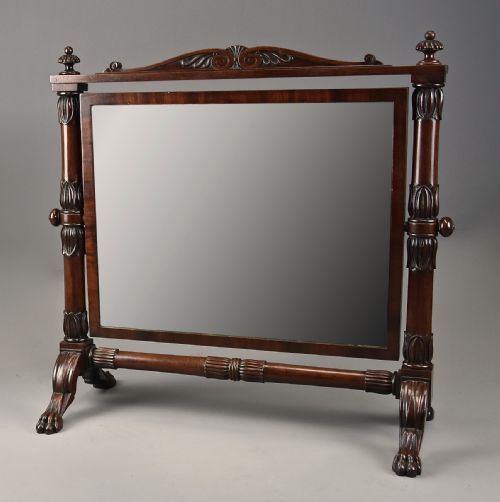
- Cheval glass
- A full-length dressing mirror suspended on a vertical frame that allows the glass to tilt.
- Washstand
- A dedicated wooden table or cabinet designed to hold a basin and pitcher for washing before plumbed bathrooms became standard.
- Cabriole leg
- A furniture leg that curves out and then in, commonly seen on Queen Anne and Victorian styles.
- Serpentine front
- A furniture front featuring a concave centre flanked by two convex ends, typical of finer Georgian cabinet work.
Wooden Vanity Table: Frequently Asked Questions
What is a wooden vanity table used for?
These pieces function primarily as dedicated spaces for grooming, hair styling, and applying cosmetics. Many incorporate drawers or compartments to organise personal items.
Beyond functional utility, they serve as decorative focal points within bedrooms and dressing rooms, often integrating matching stools or adjustable mirrors.
How do I identify a Georgian vanity piece?
Georgian examples typically feature rich mahogany timbers, precise dovetail joinery, and restrained classical proportions. Details like bracket feet and cockbeaded drawer edges help distinguish this era.
Mirrors from this period often swivel within slender upright arms attached to small drawer bases.
Are vanity mirrors removable?
Many dressing mirrors are separate components designed to sit atop a matching table or chest without permanent fixings. Tabletop toilet mirrors can often be lifted off their base stands entirely.
Freestanding cheval mirrors and larger dressing chests feature secured pivoting mechanisms that keep the glass attached to the main frame.
How do I care for antique wood surfaces?
Maintain timber surfaces by dusting regularly with a soft, dry cloth and avoiding direct exposure to strong sunlight or heat sources. Occasional application of appropriate wax preserves the polish without building up residue.
Protect glass components by using non-abrasive cleaners applied to a cloth rather than sprayed directly near wooden frames.