




Wooden Vanity Chest
A wooden vanity chest provides compartmentalised storage for grooming items and keepsakes, combining functional drawers or trays with rich cabinet timbers.
Wooden Vanity Chest
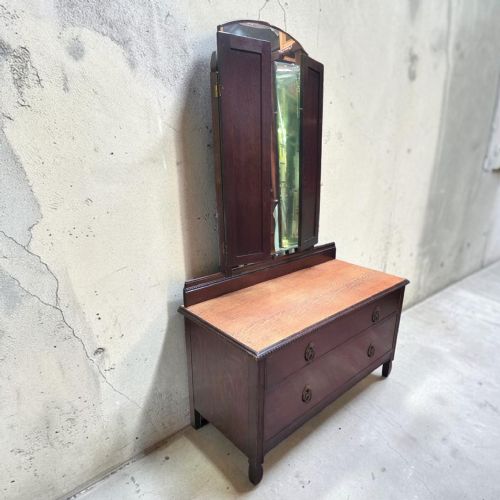
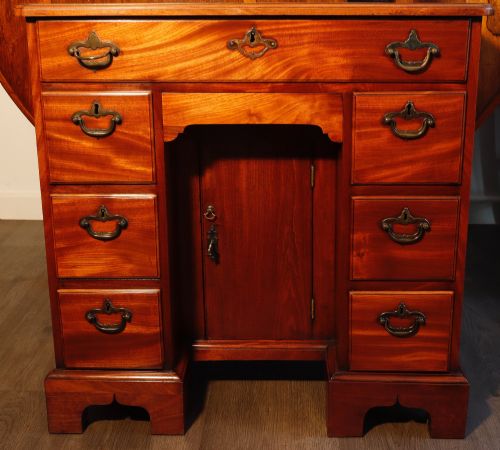
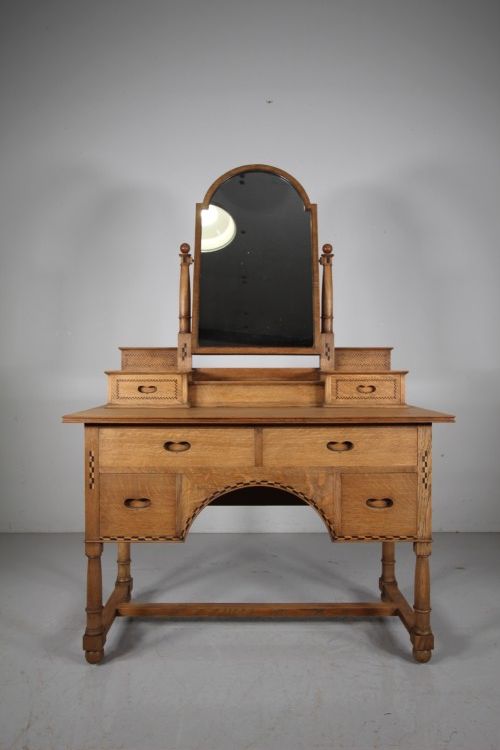
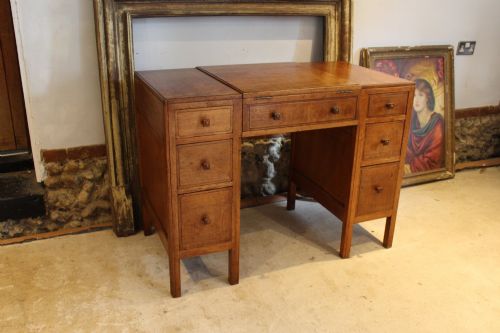
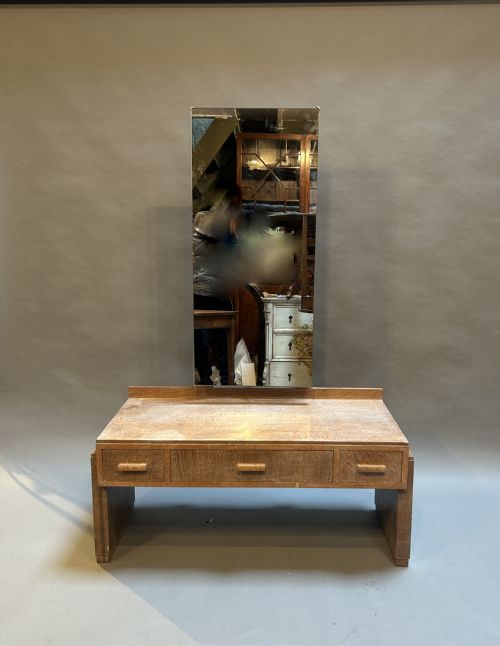
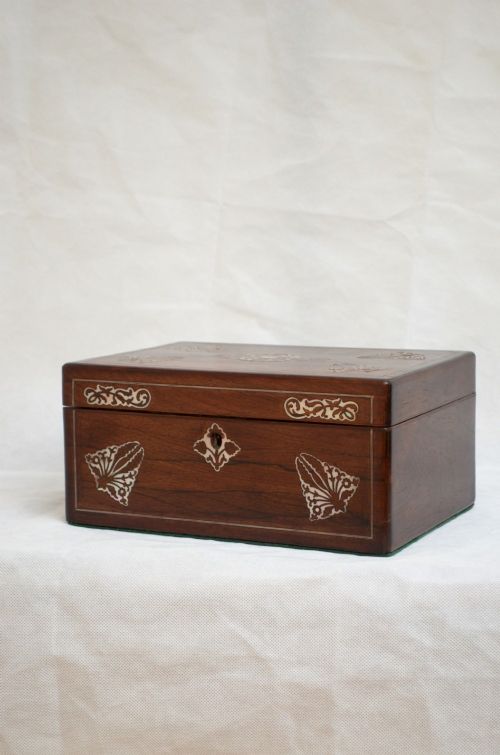
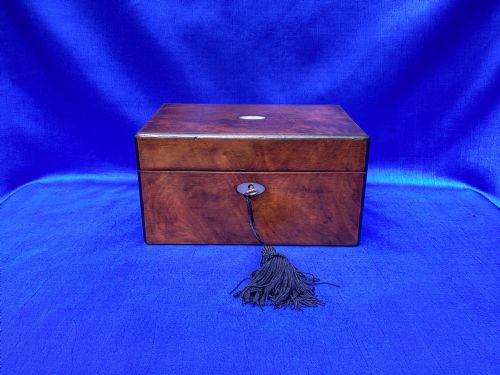
When you search for a wooden vanity chest, you encounter a range of dressing tables, tabletop cabinets, and fitted travel boxes produced across the eighteenth, nineteenth, and early twentieth centuries. These pieces encompass large oak dressing chests with mirrors, compact rosewood jewellery cabinets, and mahogany travelling boxes equipped with interior compartments.
The objects span multiple eras, including Georgian, Victorian, Edwardian, and Art Deco periods, drawing on diverse regional traditions such as English craftsmanship, Scottish workshops, and continental European designs. Makers utilise varied timber grains to elevate domestic grooming furniture into decorative showpieces.
Materials and construction
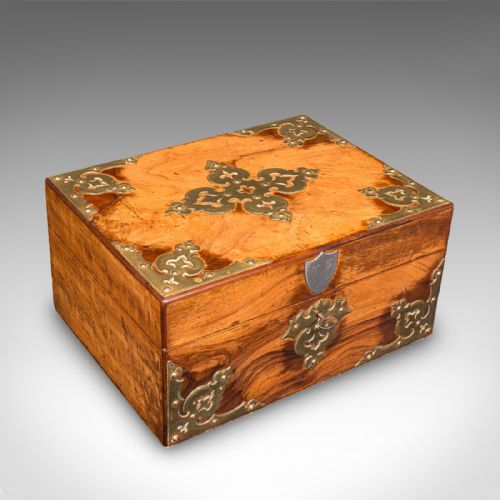
Craftsmen construct these chests from dense hardwoods such as mahogany, rosewood, walnut, and oak, frequently selecting figured veneers to create striking exterior patterns. Surface ornamentation incorporates mother-of-pearl inlay, brass mounts, glass panels, and marquetry details.
Interior architecture relies on precise joinery to house lift-out trays, swing-out compartments, and velvet or silk linings designed for jewellery and grooming equipment. Travelling variants employ robust brass corner braces and lockable mechanisms to withstand transit.
A cleric's swing-out case offers clandestine storage for the deeply pious traveller.
Distinctions in quality
The upper tier of pieces is distinguished by maker attribution, such as labelled works by Heal and Sons or Gillows, alongside superior timber selection like heavily figured walnut or rosewood. Intricate mother-of-pearl inlay and fully intact, original fitted interior trays elevate an example.
Lesser pieces exhibit simpler construction in pine or plain oak with minimal decorative embellishment and replaced interior elements. The precision of the drawer dovetailing and the retention of original locking mechanisms mark the divergence in grade.
Heal and Sons·Heals·Gillows·Parkins and Grotto
The Wooden Vanity Chest Glossary
- Campaign washstand
- Portable furniture designed for travel, featuring folding frames and brass hardware built for disassembly. These items served officers and travellers during the Georgian and Victorian eras.
- Marquetry
- The art of applying small pieces of veneer to a structure to form decorative patterns. Craftsmen utilise contrasting timbers to create floral or geometric motifs on box lids.
- Cheval mirror
- A freestanding mirror mounted on a swivel frame supported by two pillars. They frequently sit atop dressing chests or stand independently.
- Aesthetic movement
- A late nineteenth-century design style emphasising visual beauty over narrative subject matter. Pieces from this period display simplified forms and stylised decoration.
- Dressing box
- A portable wooden case fitted with compartments for cosmetics, brushes, and mirrors. Many include secret drawers and lifting trays.
Wooden Vanity Chest: Frequently Asked Questions
What is a wooden vanity chest?
A wooden vanity chest is a piece of furniture or a portable box designed for storing grooming accessories, cosmetics, and jewellery.
They range from large dressing tables with integrated mirrors to tabletop cabinets fitted with trays and secret drawers.
How do I date a wooden vanity chest?
Dating relies on identifying timber choices, hardware styles, and construction methods associated with specific periods like the Victorian or Edwardian eras.
Makers' stamps, paper labels, and distinct decorative movements such as Art Deco or Arts and Crafts provide precise chronological markers.
Were these chests used for travel?
Certain forms, such as campaign washstands and travelling dressing boxes, were specifically engineered for mobility during the Georgian and Victorian periods.
They feature robust brass reinforcement, locking lids, and compact internal layouts to secure contents during transit.
What woods were used in these pieces?
Cabinetmakers utilised durable hardwoods including mahogany, rosewood, walnut, and oak, frequently chosen for their rich grain patterns.
Secondary woods like satinwood and pine appeared alongside decorative veneers and mother-of-pearl inlay.