
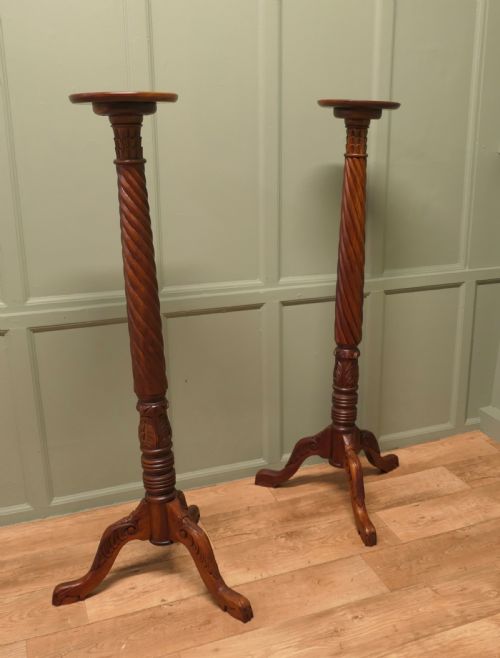
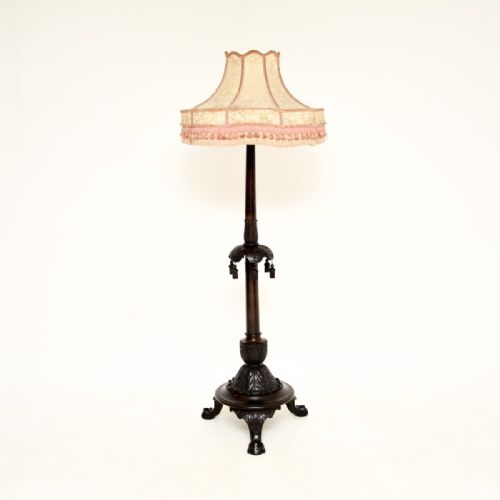
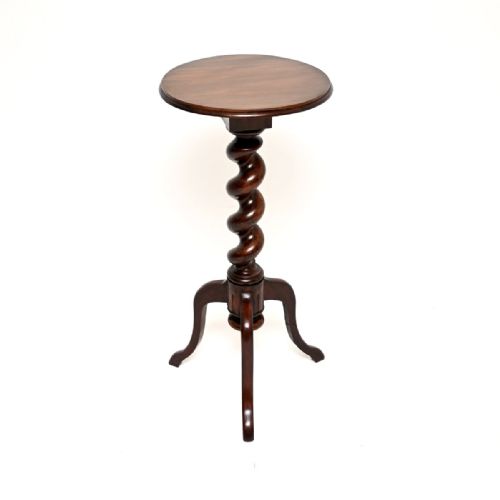
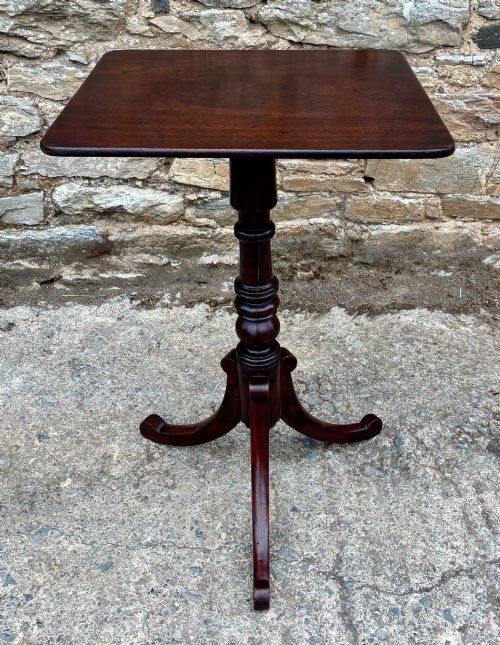

Wooden Tripod Lamp Stand
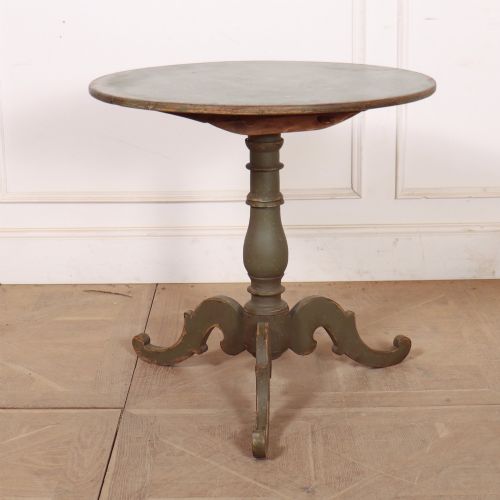
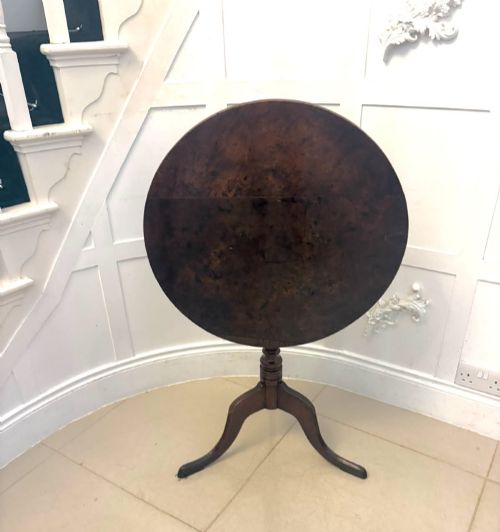
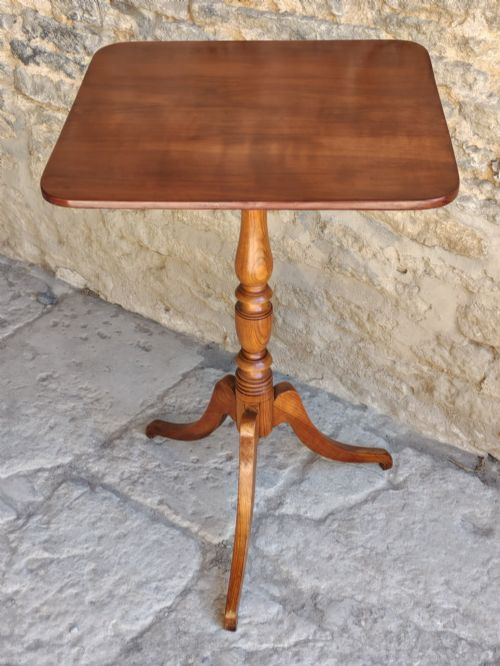
A wooden tripod lamp stand provides a steady, elevated platform for illumination, bringing traditional craftsmanship and warm timber tones to a corner.
Wooden Tripod Lamp Stand
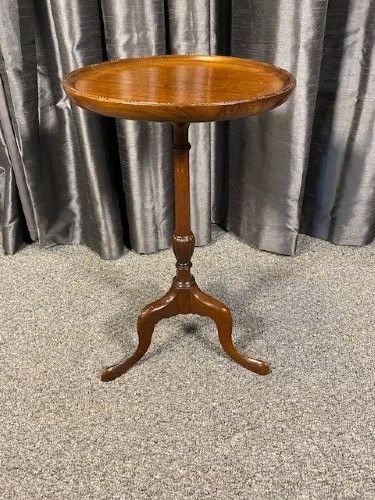
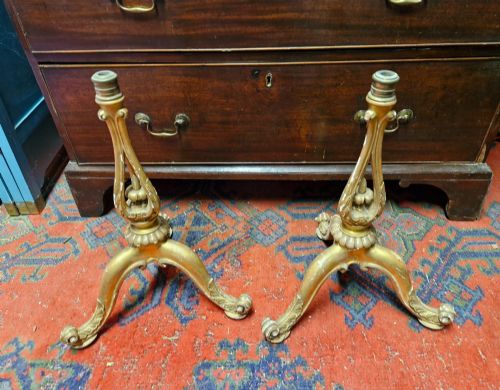
A wooden tripod lamp stand encompasses various small tables and standard lamps raised on three legs, designed to hold lighting or sit beside seating. The selection includes wine tables, occasional tables, and standard lamps dating from the eighteenth century through to the Edwardian period.
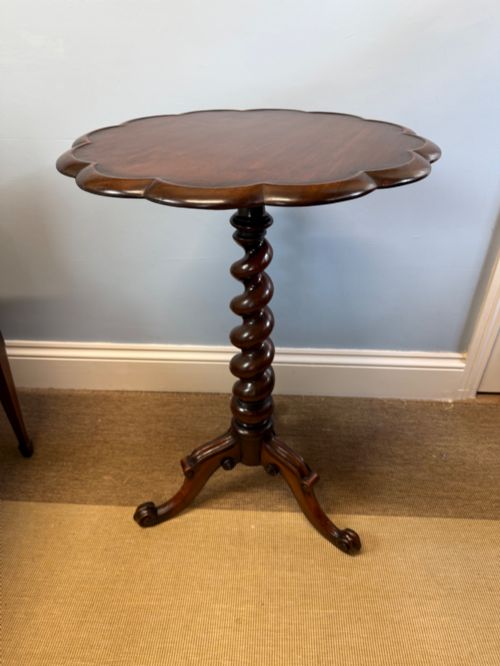
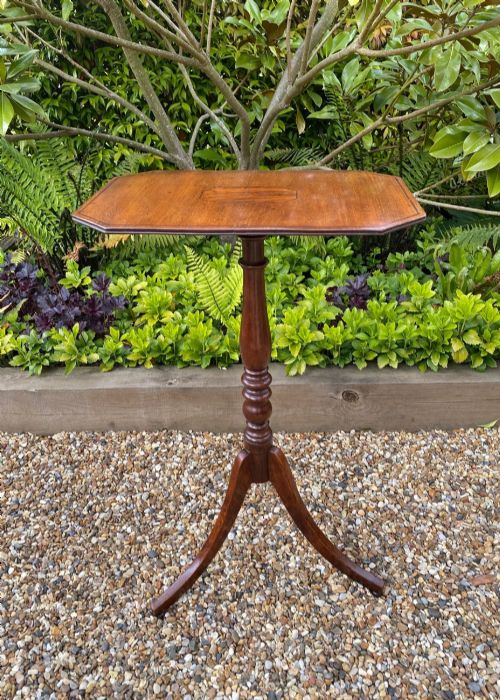
Mahogany and walnut form the core of the available pieces, alongside oak, rosewood, and satinwood examples. Buyers frequently encounter tilt-top mechanisms, circular tops, and carved pedestals across Georgian, Regency, and Victorian iterations.
How they were made
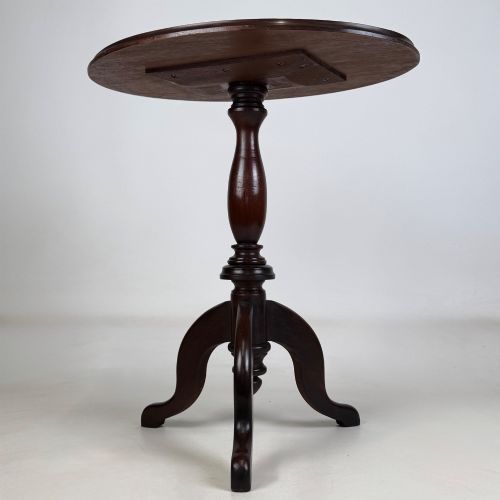
Cabinetmakers utilised dense hardwoods such as mahogany, walnut, and oak, turning pedestals on lathes and joining three splayed legs to the central shaft using traditional tenon or dovetail joints. Tops were often constructed from single planks of timber or burr veneers, sometimes fitted with birdcage mechanisms or tilt-top catches.
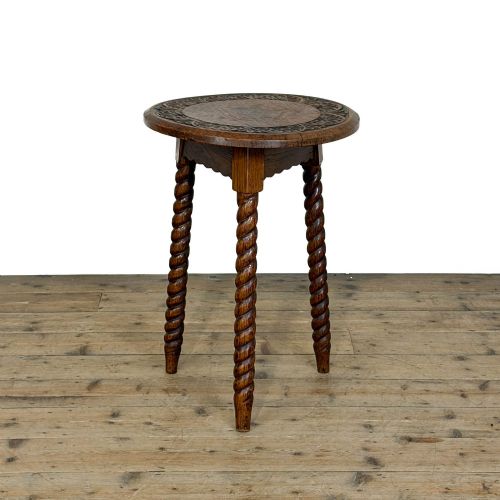
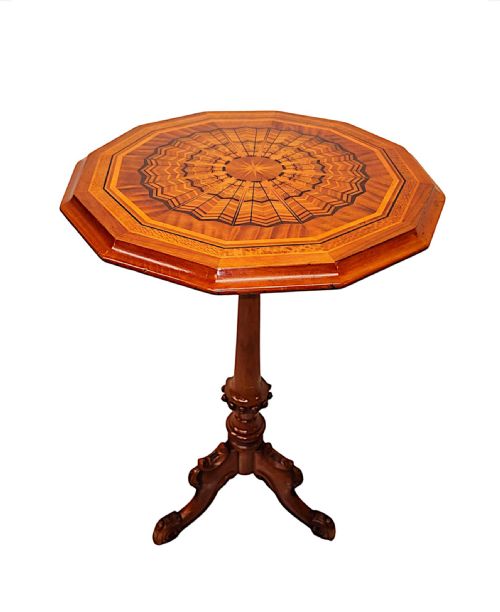
Surface decoration ranges from intricate satinwood inlay and Chinoiserie lacquer to barley twist turnings and hand-carved oak details. Brass fittings, such as casters or tilt latches, appear on select tables to assist movement and function.
Several tables come with tilting tops, designed centuries ago so servants could tuck them flat against the wall out of the way after the wine was finished.
What varies in quality
The distinction between tiers rests upon timber selection and the crispness of the carving. Dense, figured grain timbers like burr walnut or highly figured mahogany paired with well-proportioned, hand-turned pedestals indicate superior workshop output.
Structural stability and originality of components dictate lasting worth. Examples retaining their original brass hardware, unwarped tilt-top mechanisms, and firmly seated tripod bases represent the higher standard of surviving pieces.
Gillows
The Wooden Tripod Lamp Stand Glossary
- Tilt-top
- A table mechanism allowing the wooden surface to pivot vertically when not in use. This clever design saved floor space in smaller period rooms.
- Tripod base
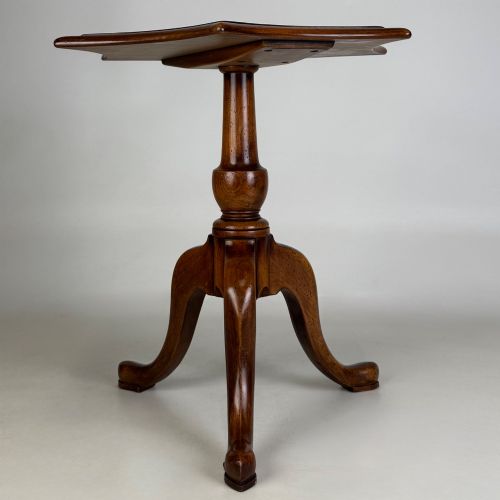
- A support structure comprising three splayed legs radiating from a central pillar. It offered stability on uneven historical floors.
- Wine table
- A small occasional table designed to hold glasses or bottles near seating. These compact pieces frequently doubled as lamp stands.
- Barley twist
- A carved spiral column resembling twisted rope. This decorative turning style appears frequently on Victorian pedestals.
- Chinoiserie
- European decorative imitation of Chinese artistic styles, often featuring hand-painted lacquered scenes. It adds colourful pictorial detail to Regency tables.
Wooden Tripod Lamp Stand: Frequently Asked Questions
What is a wooden tripod lamp stand used for?
These pieces function primarily to support table lamps or floor lighting while occupying a minimal footprint in a room. Their compact size makes them suitable for placing beside armchairs or in neglected corners.
Historically, similar small tables served beverages or held candles, but today they adapt easily to modern electrical lamps and interior layouts.
How do I identify a Georgian tripod table?
Georgian examples typically feature rich mahogany timber, simple or piecrust circular tops, and finely turned baluster columns resting on arched tripod legs. The joinery often utilises pegged joints and hand-cut dovetails.
Examining the underside reveals the age of the timber and the hand-tool marks left by the cabinetmaker, distinguishing eighteenth-century work from later revivals.
Are tilt-top mechanisms original?
Many tables from the eighteenth and nineteenth centuries include working tilt-top catches, allowing the surface to fold flat against the pedestal. Original catches usually comprise a wooden block and a brass spring or sliding wedge.
Buyers should inspect the pivot area beneath the top to ensure the hinges and blocks match the age and wear patterns of the rest of the table.
How do I care for antique wooden tables?
Maintaining these surfaces requires keeping them away from direct heat sources and sudden humidity changes to prevent the timber from splitting or warping. Regular dusting with a soft, dry cloth preserves the polished finish.
Occasional application of traditional beeswax feeds the old hardwood and enhances the natural grain without building up synthetic residue.