



Wooden Treen Vessel
A wooden treen vessel brings the warmth of turned and carved timber into daily use, offering tactile history through functional domestic objects.
Wooden Treen Vessel
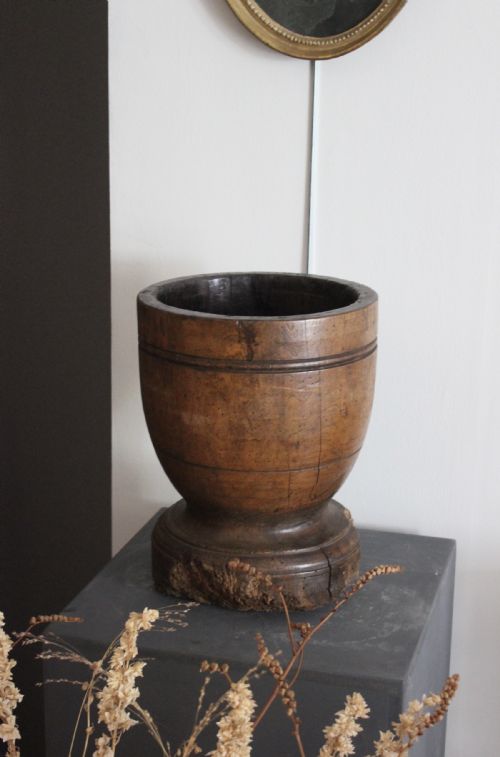
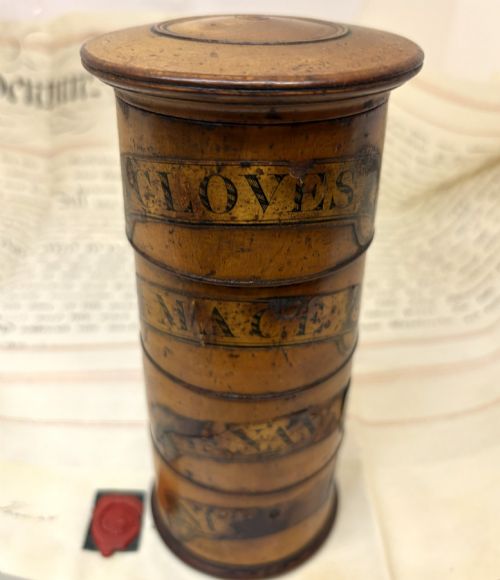
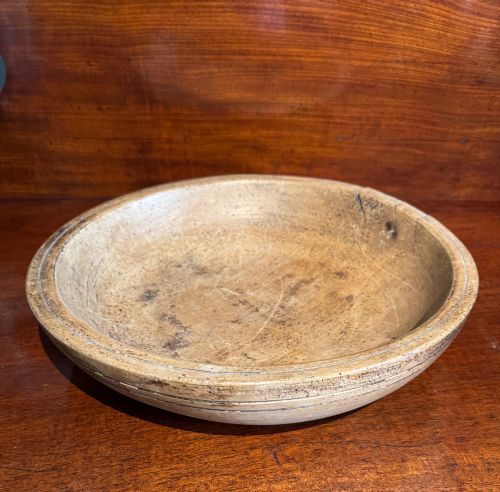
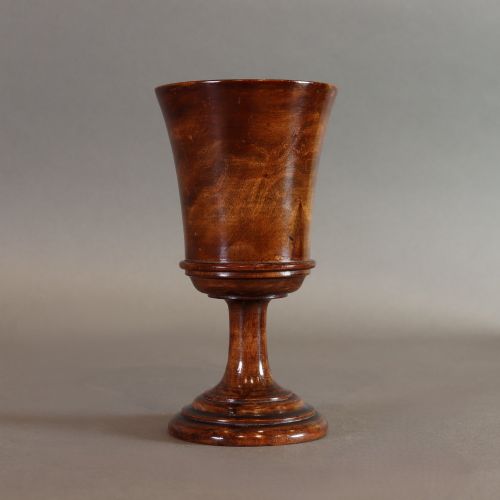
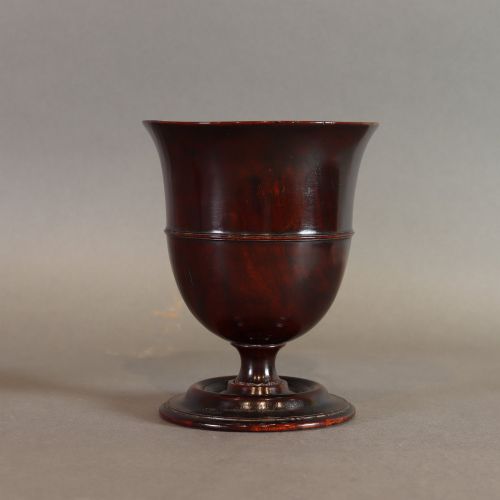
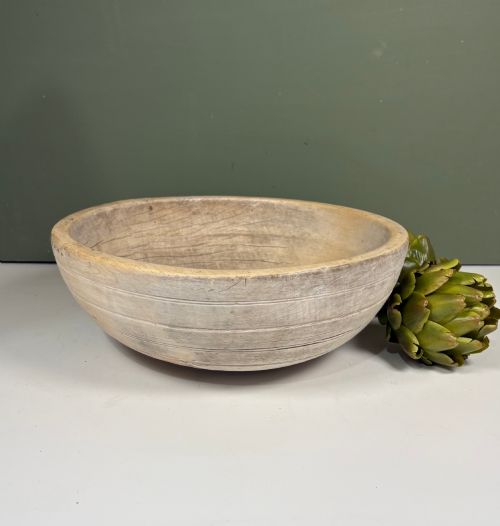
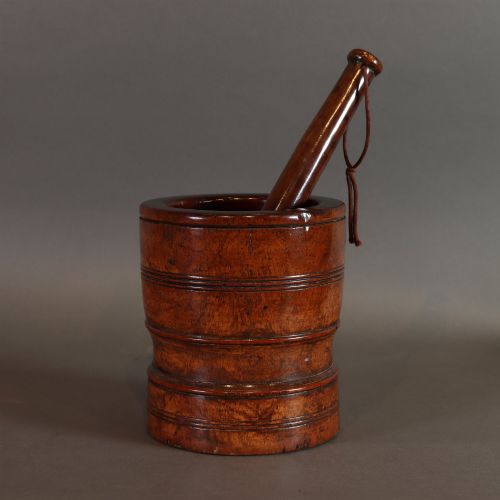
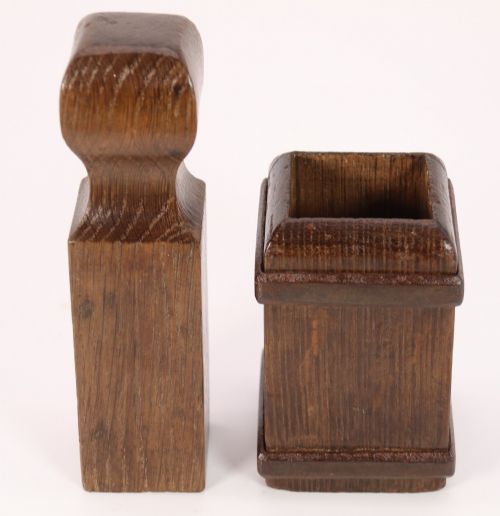
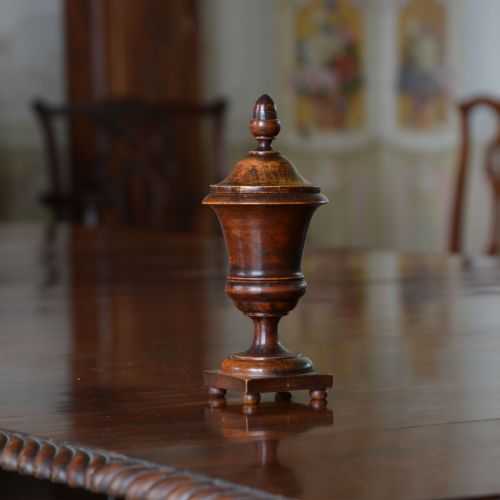
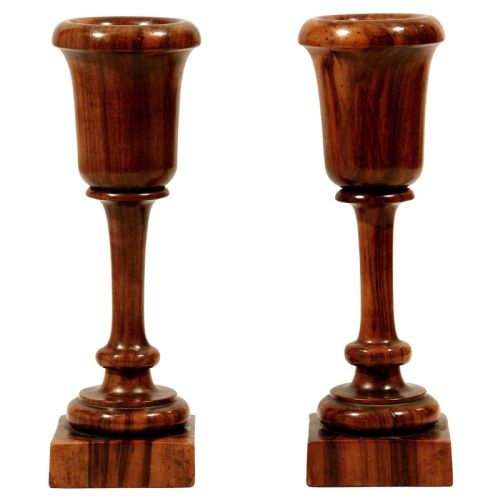
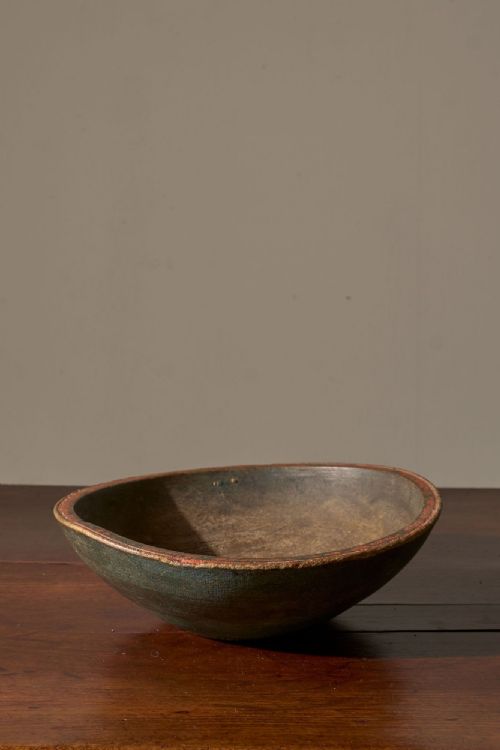
The objects take many functional forms, including dairy bowls, spice towers, mortars, goblets, and lidded pomanders. Pieces originate from diverse traditions such as English country workshops, Scottish folk art, French provincial craft, and Scandinavian turns.
Earlier examples often display heavy utility in dense timbers like lignum vitae or oak, while later Victorian and Georgian pieces frequently showcase lighter fruitwoods or sycamore. Collectors find both robust kitchenalia and finely turned parlor ornaments within these categories.
Materials and turning methods
Craftsmen shaped these items using lathes and hand-carving tools, selecting dense hardwoods and fruitwoods suited to the intended domestic function. Lignum vitae, fruitwood, sycamore, walnut, boxwood, and oak provide the structural foundation for the vessels seen here.
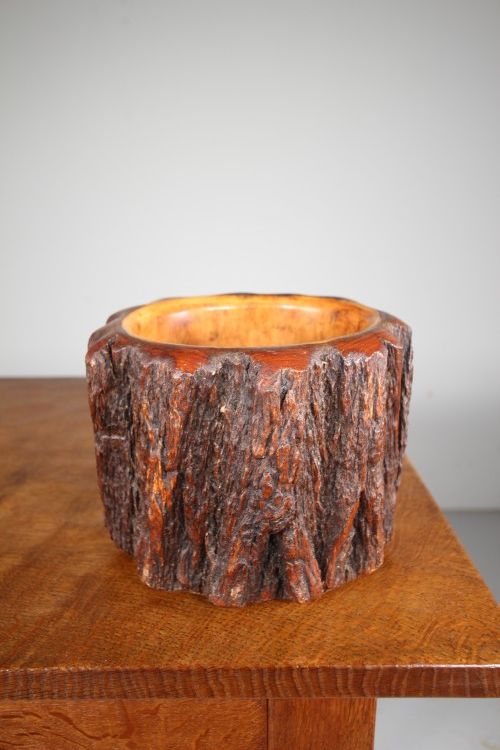
Turned objects rely on the lathe for symmetrical bodies, pedestals, and rims, while mortars and bowls often benefit from deep hollowing out of solid timber blocks. Some items incorporate secondary elements such as wrought iron mounts or silver linings to withstand heavy functional wear.
Wooden Treen Vessel Retail Price Guide 2026
Typical asking prices for wooden treen vessel among the pieces listed under this phrase on Sellingantiques today, from the lower quarter to the upper quarter. They describe what is for sale here now, not the wider market.
Listings feature woods spanning oak, walnut, yew, boxwood, and lignum vitae across periods from the seventeenth century to the Victorian era.
Judging quality in turned timber
Quality rests upon the crispness of the original turning, the integrity of the timber, and the presence of natural wear accumulated through age. A well-proportioned vessel displays balanced walls and harmonious lines dictated by the grain of the wood.
Surface character distinguishes standard pieces from superior examples, with depth of tone and tactile patina elevating domestic utility into folk art. Retaining original lids, matching pestles, or distinct functional fittings adds significant interest to surviving containers.
The Wooden Treen Vessel Glossary
- Treen
- Small handmade wooden domestic objects produced prior to the widespread adoption of modern plastics and mass manufacturing. The term derives from the old English word for tree.
- Lignum vitae
- An extremely dense and heavy tropical hardwood utilised for turned items requiring high durability, such as mortars and heavy goblets. It naturally possesses self-lubricating oils that resist splitting.
- Mortar and pestle
- A heavy vessel paired with a handheld club used for grinding spices, medicines, or culinary ingredients. Early examples were frequently turned from solid blocks of oak or fruitwood.
- Dairy bowl
- A wide, shallow wooden basin utilised in traditional dairies for setting milk to separate cream. Sycamore was commonly chosen for these vessels because it does not impart strong flavours to food.
- Spill vase
- A small upright container designed to hold tapered spills of paper or wood used for lighting candles and fires. These decorative stems often feature turned pedestals and matching covers.
Wooden Treen Vessel: Frequently Asked Questions
What is a wooden treen vessel?
A wooden treen vessel is a functional or decorative item carved or turned from timber for domestic use. These range from kitchen bowls and dairy vessels to spice containers and drinking goblets.
Items in this category reflect centuries of woodworking traditions across Britain and continental Europe. Each piece served a specific practical purpose in the home, apothecary, or kitchen before becoming collected for its historic craftsmanship.
How were old wooden vessels used?
Historic wooden vessels fulfilled everyday domestic chores, food preparation, and storage needs. Dairy bowls held milk for cream separation, while mortars ground spices, herbs, and medicinal powders.
Smaller containers accommodated specialised goods like nutmeg, pills, or taper spills for lighting fires. Their daily handling created the smooth surfaces and patinas appreciated by modern collectors.
How do I date a wooden vessel?
Dating relies on identifying the turning style, timber species, tool marks, and overall wear patterns characteristic of specific eras. Seventeenth-century pieces often utilise dense lignum vitae and heavy proportions, whereas Georgian and Victorian examples introduce lighter fruitwoods and refined silhouettes.
Structural details such as hand-cut threads on spice towers or wrought iron reinforcements provide further clues to age. Comparing form and material against documented domestic items helps narrow down the period of manufacture.
How do I care for antique treen?
Antique treen requires stable environmental conditions away from direct heat sources and drastic humidity changes to prevent the timber from splitting. Gentle dusting with a dry cloth maintains the surface without stripping natural age oils.
Avoiding excessive moisture is vital, particularly for unlined vessels and historic bowls. Occasional application of suitable microcrystalline wax can help preserve dry surfaces and enhance the natural patina.