


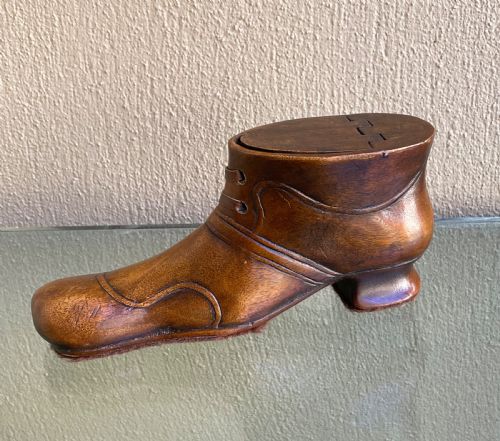


Wooden Treen Snuff Box
These small wooden treen snuff box items are tactile pocket pieces carved to hold tobacco, offering a tangible link to Georgian and Victorian social rituals.
Wooden Treen Snuff Box
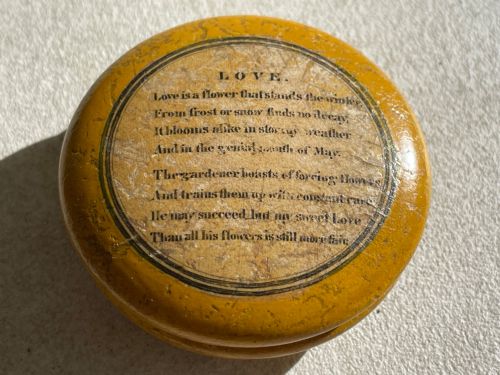
A wooden treen snuff box brings together miniature carpentry and personal social history from the eighteenth and nineteenth centuries. These portable containers were designed to hold powdered tobacco for discreet consumption during daily social interactions. Collectors encounter various forms here, ranging from simple oblong blocks to elaborate novelty shapes.
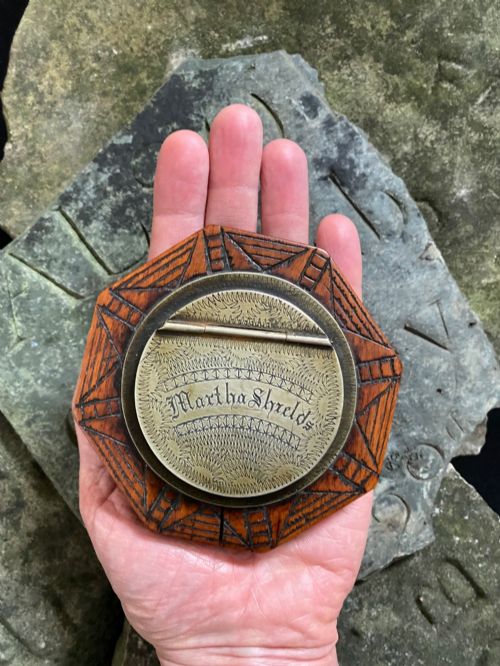
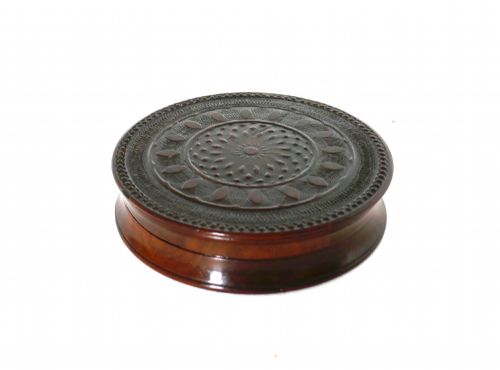
The selection on this page centres heavily on nineteenth-century specimens alongside Georgian and Edwardian examples. Common configurations include rectangular boxes, shoe-shaped vessels, and double-sided containers. Regional pieces show distinct local character, including Scottish engine-turned designs and Welsh chip-carved interpretations.
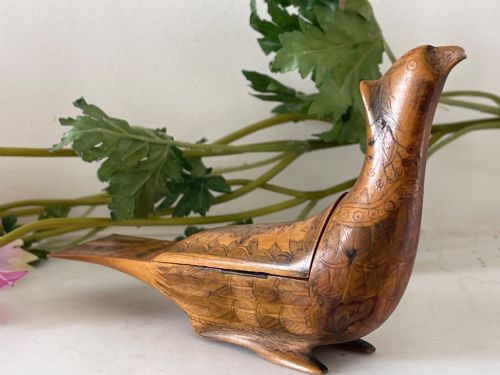
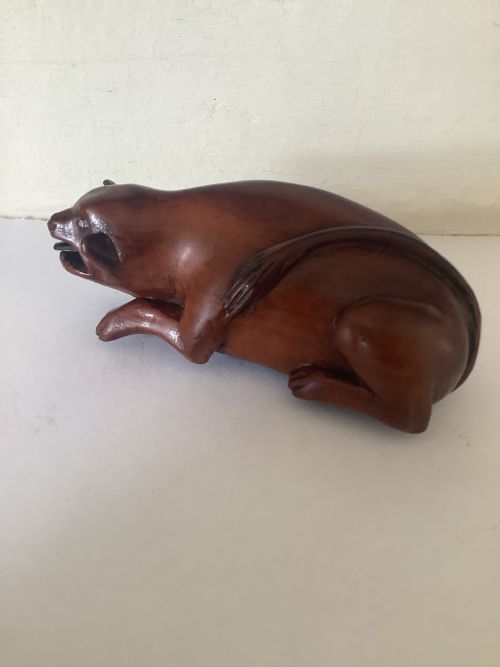
Makers utilised specific timber varieties to create tactile objects that fit comfortably into a waistcoat pocket or palm. Form often followed function or humour, resulting in shoe designs, mortar and pestle shapes, and book-form boxes. These items reflect the domestic woodworking skills of their respective periods without industrial manufacture.
How they were made
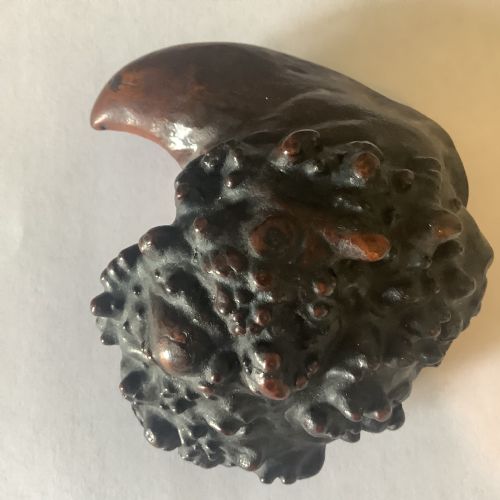
Craftsmen shaped these objects from dense hardwoods and native fruitwoods using traditional hand tools and lathes. Common timber choices recorded in the listings include burr walnut, mahogany, laburnum, and general fruitwood. These close-grained woods allowed for sharp carving details and smooth handling surfaces.
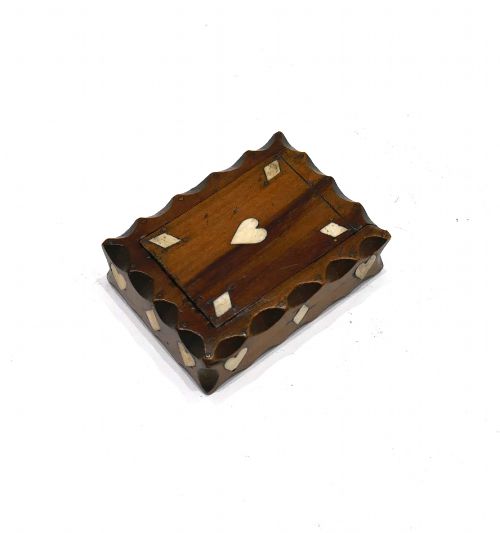
Decoration relied on inlay work, engine turning, and chip carving rather than applied finishes. Makers pressed bone, metal, and contrasting woods into geometric hearts and diamond shapes, or carved pictorial elements directly into the timber. Some pieces utilised the natural grain of burr walnut or incorporated brass mounts.
Novelty forms required sculptural carving to replicate shoes, hands, or books from solid blocks of timber. Hinges and lids were closely fitted to keep the powdered tobacco dry during daily carriage. The resulting construction combined structural rigidity with miniature decorative refinement.
Wooden Treen Snuff Box Retail Price Guide 2026
Typical asking prices for wooden treen snuff box among the pieces listed under this phrase on Sellingantiques today, from the lower quarter to the upper quarter. They describe what is for sale here now, not the wider market.
Listings feature eighteenth, nineteenth, and early twentieth-century periods, spanning Georgian, Victorian, and Edwardian eras.
What varies in quality
Quality in a wooden treen snuff box rests on the ambition of the carving and the crispness of the detail. Pieces shaped as shoes, hands, or detailed books demand greater sculptural skill than straightforward rectangular containers. The finesse of chip carving or engine turning separates standard domestic items from superior folk art examples.
Material selection also dictates the tier of the piece, with figured timbers like burr walnut or intricate bone and metal inlay commanding attention. The survival of original surface patination without modern intervention preserves the tactile integrity of the wood. Finer examples maintain tight lid closures and sharp decorative edges despite centuries of handling.
The Wooden Treen Snuff Box Glossary
- Treen
- Small handmade wooden domestic objects. The term derives from old English words for tree and encompasses items shaped for daily utility.
- Snuff box
- A small hinged container used to hold powdered tobacco. These were carried in pockets for consumption in company.
- Engine turned
- Geometric patterns cut into wood or metal using a specialised lathe. This technique created precise repeating textures on Scottish specimens.
- Chip carved
- A method of removing small chips of wood from a flat surface with a knife to form geometric or floral patterns. Welsh makers favoured this decorative approach on book-form boxes.
Wooden Treen Snuff Box: Frequently Asked Questions
Why were snuff boxes shaped like shoes?
Shoe-shaped snuff boxes were popular novelty items loaded with cultural symbolism and polite humour during the eighteenth and nineteenth centuries.
Carvers sculpted timber to resemble ladies' slippers or boots, sometimes incorporating hinged lids into the sole or instep.
How do I date a wooden snuff box?
Dating relies on examining the timber species, hinge construction, decorative techniques, and regional carving styles recorded in the piece.
Georgian examples often feature chip carving and inlaid bone, while later Victorian pieces may utilise engine-turned decoration or burr walnut.
How were these boxes used daily?
Owners carried these containers in pockets or waistcoats for convenient access during social gatherings and conversation.
A pinch of tobacco powder was tapped out and inhaled, making the tight closure of the wooden lid essential.