



Wooden Torchere Lamp
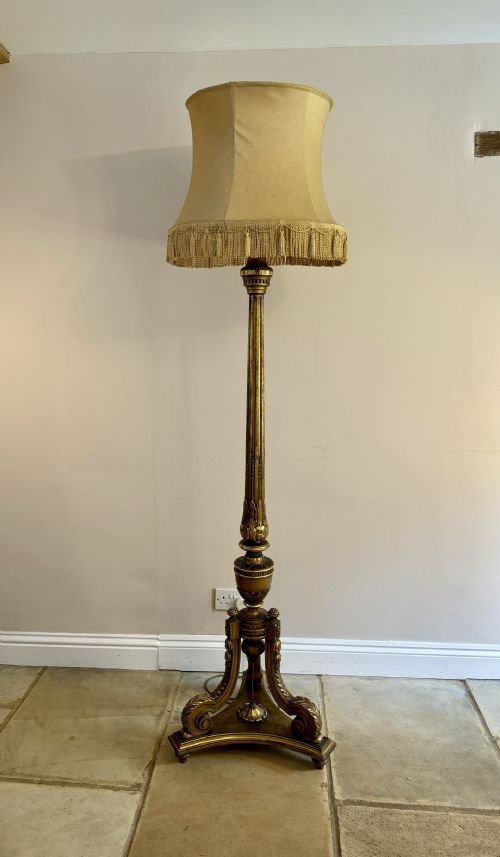
A wooden torchere lamp stands as a slender column for elevated light, bringing vertical presence and carved detail to a traditional room.
Wooden Torchere Lamp
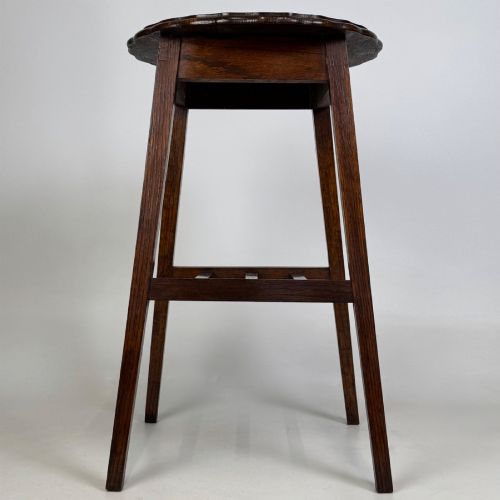
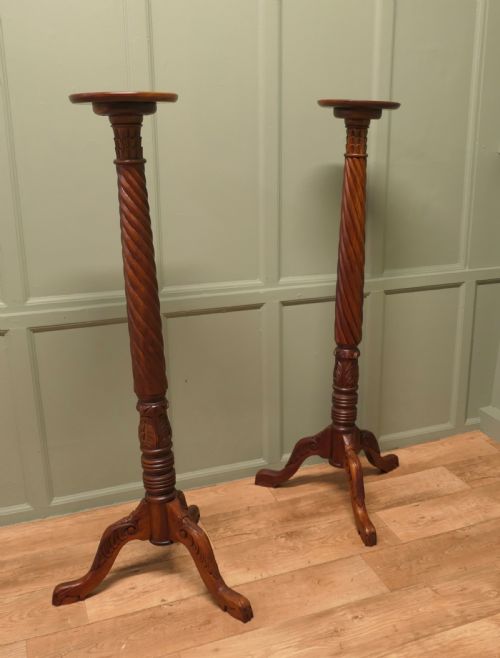
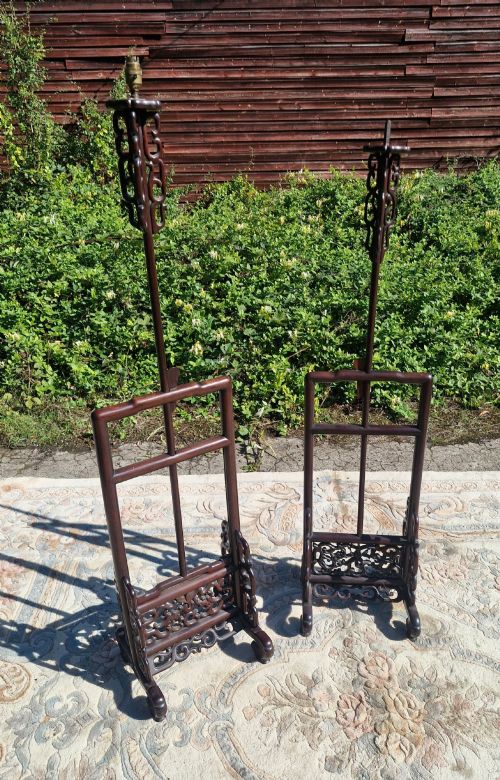
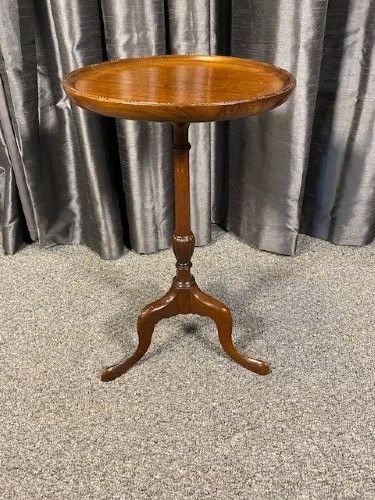
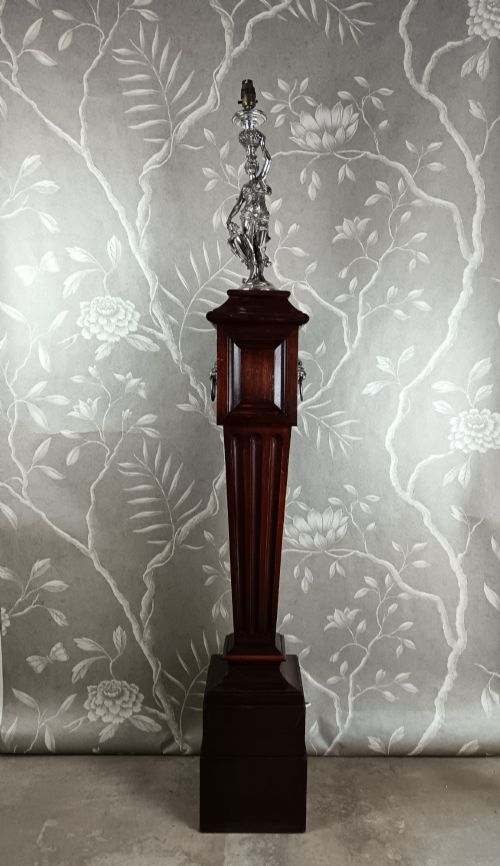
A wooden torchere lamp combines the high pillar form of a traditional candle stand with modern electrical lighting, serving as a striking floor-standing lamp. These pieces often originate from the nineteenth and early twentieth centuries, drawing on Georgian, Victorian, and Edwardian design traditions. Buyers looking at this selection will find tall standard lamps, figural supports, and adapted pedestals designed to hold a light source at height.
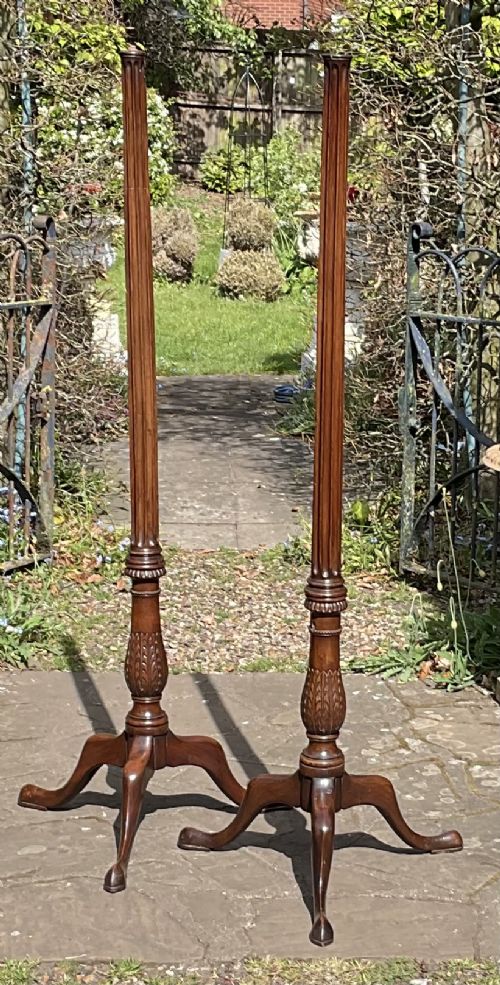
Proportions vary from simple fluted columns to ornate baroque revival pieces with intricate gold leaf and polychrome finishes. One frequently encounters paired standards alongside single figural lamps, offering flexibility for flanking furniture or lighting a dark corner. Each piece reflects the craftsmanship of its period, whether through hand-carved mahogany or detailed surface gilding.
What varies in quality
The depth and crispness of the hand-carving separate standard turned columns from exceptional figural pieces, where every fold of drapery or anatomical detail is carefully defined. Original surface treatments, such as untouched polychrome paint or aged gold leaf, hold far more distinction than later overpainting or crude restoration.
Stability and weight distribution dictate the practical merit of a tall standard lamp, with heavier timber bases preventing tipping. The integrity of the original wood structure, free from major splits or structural compromise in the central shaft, remains central to the value of any antique torchere.
Wooden Torchere Lamp Retail Price Guide 2026
Typical asking prices for wooden torchere lamp among the pieces listed under this phrase on Sellingantiques today, from the lower quarter to the upper quarter. They describe what is for sale here now, not the wider market.
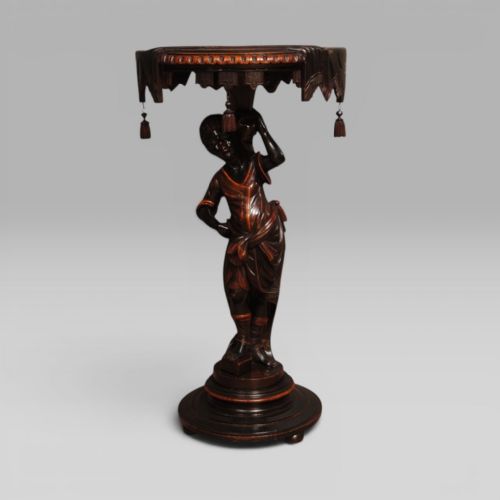
A carved wooden blackamoor figure stands ready to hold your room's illumination with unwavering eighteenth-century theatricality.
WMF
The Wooden Torchere Lamp Glossary
- Torchere
- A tall stand originally intended to carry a torch or candle, later adapted to hold an electric lamp standard. These pieces provide concentrated vertical height in interior schemes.
- Standard Lamp
- A floor-standing upright light fixture designed to illuminate a room from a raised position. They frequently share proportions and turning styles with traditional pedestals.
- Polychrome
- Decorated in multiple colours, often found on carved wooden figures and Venetian decorative works. This surface technique adds vivid visual character to figurative stands.
- Giltwood
- Timber that has been coated with a thin layer of gold leaf or gold paint. It creates a reflective, luxurious finish typical of baroque and revival designs.
- Figural
- Incorporating human or animal forms into the structure of the piece, such as carved figures holding pedestals or lamps. These sculptural elements define the most ornate examples.
Wooden Torchere Lamp: Frequently Asked Questions
Are these lamps wired for modern use?
Most antique floor lamps and standards arrive with modern electrical wiring or require straightforward rewiring by a qualified electrician to meet current safety standards.
Buyers should inspect the lampholder and cord entry points to determine if professional updating is necessary before regular use in the home.
How do I keep a tall wooden torchere stable?
These tall stands rely on wide, heavy timber bases to maintain balance, though placing them out of major household traffic lanes remains sensible.
Positioning the lamp on level flooring prevents any wobble in the slender central shaft.
Can I use standard lamp shades on these?
Standard shades fit most electrical conversions, provided the harp or fitting matches the specific lamp holder diameter on the upper shaft.
Traditional proportions often suit pleated fabric or simple drum shades that complement the vertical timber work.
How do I date a wooden torchere lamp?
Dating relies on examining the timber species, turning styles, and the application of surface treatments like gesso, gilding, or early brass fittings.
Georgian and Victorian examples display hand-tool marks and wood ageing patterns distinct from later twentieth-century reproductions.