



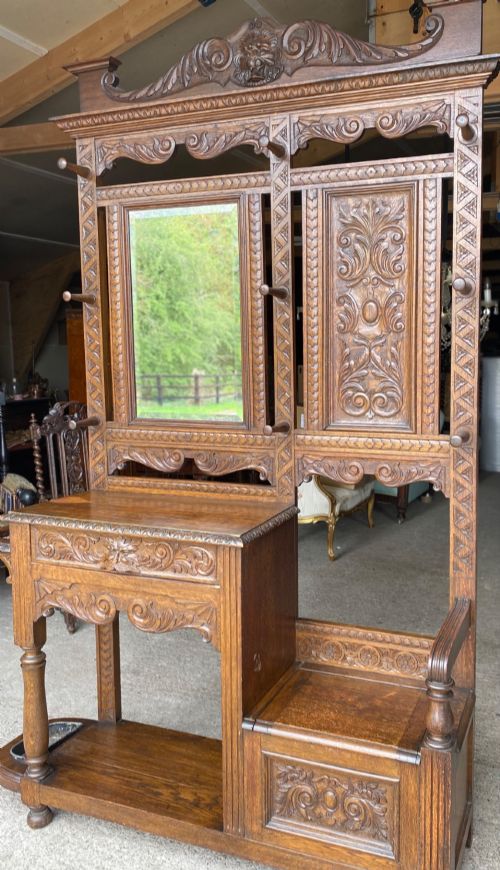

Wooden Standing Mirror
A wooden standing mirror brings warmth and functional elegance to a room, offering full-length reflection through centuries of craftsmanship.
Wooden Standing Mirror
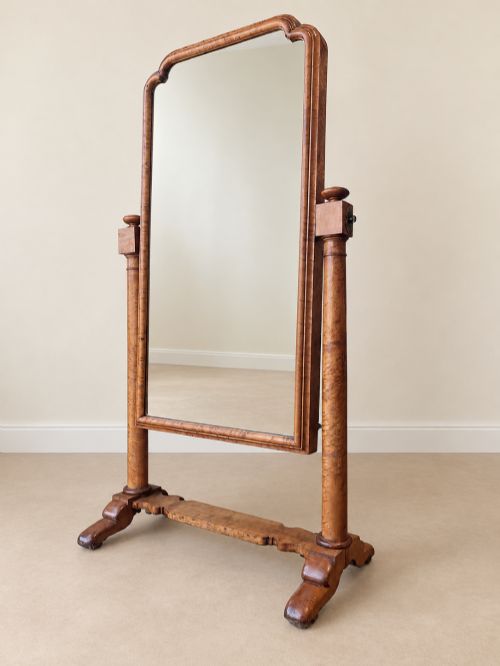
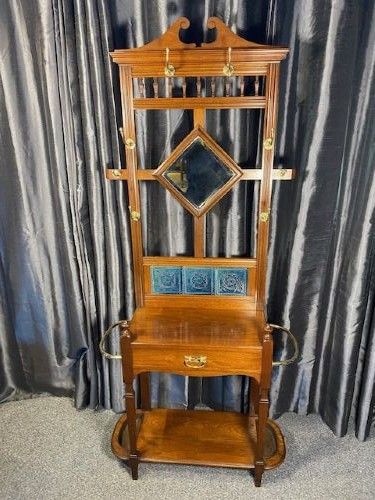
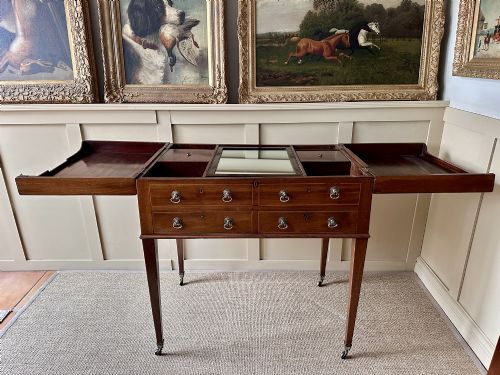
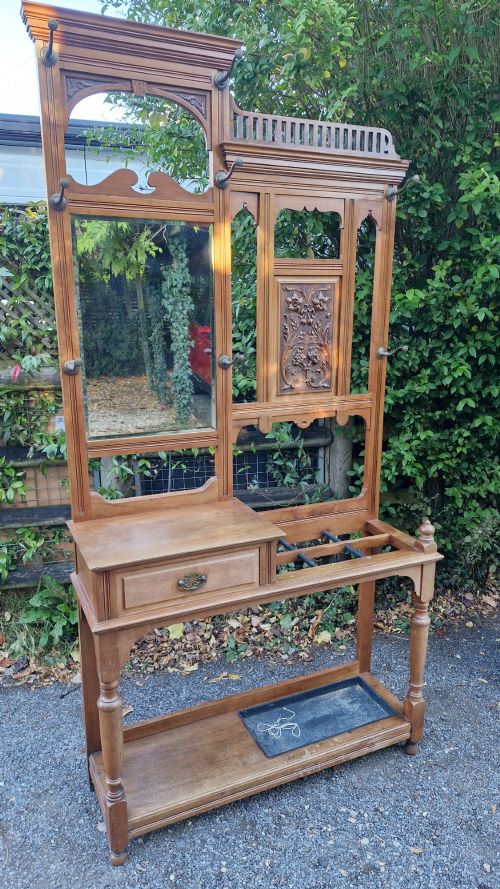
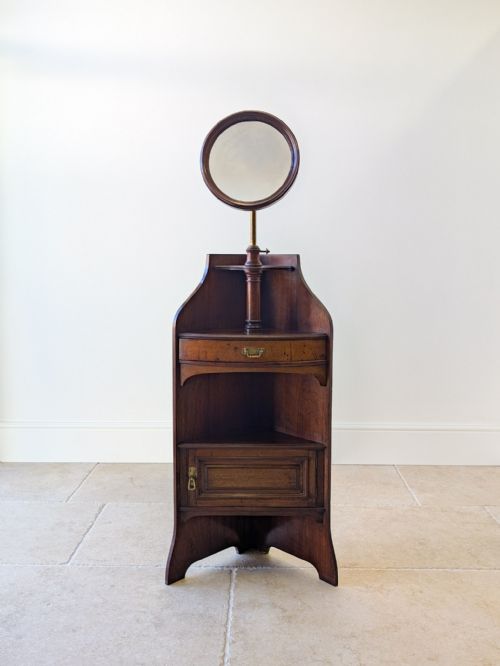
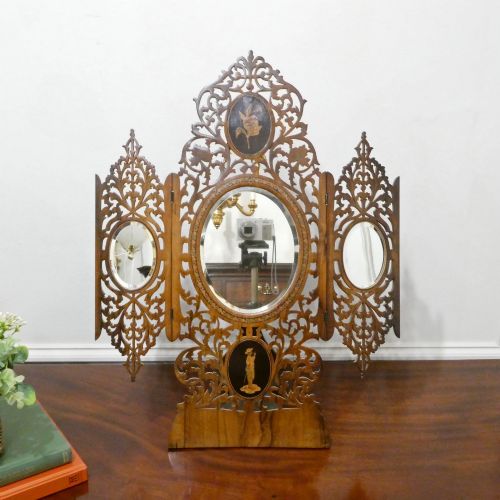
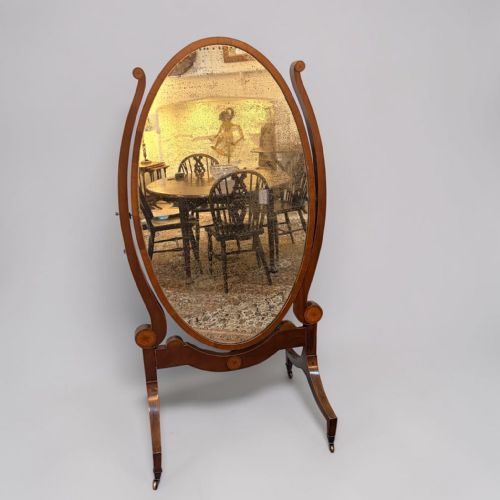
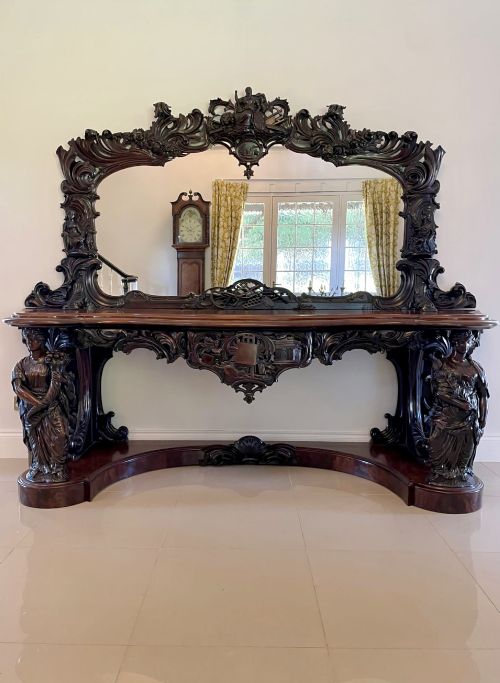
When you search for a wooden standing mirror, you encounter large floor-standing cheval glasses alongside dressing table mirrors and hall furniture incorporating mirrored panels. These pieces span the Victorian, Edwardian, and later periods, capturing the stylistic shifts from ornate carving to cleaner lines.
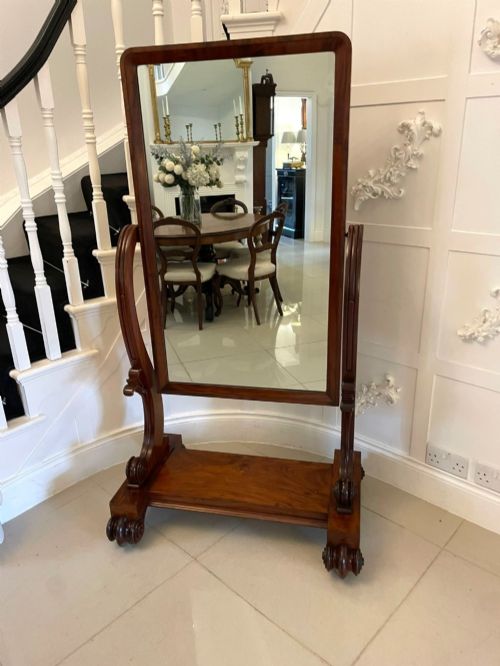
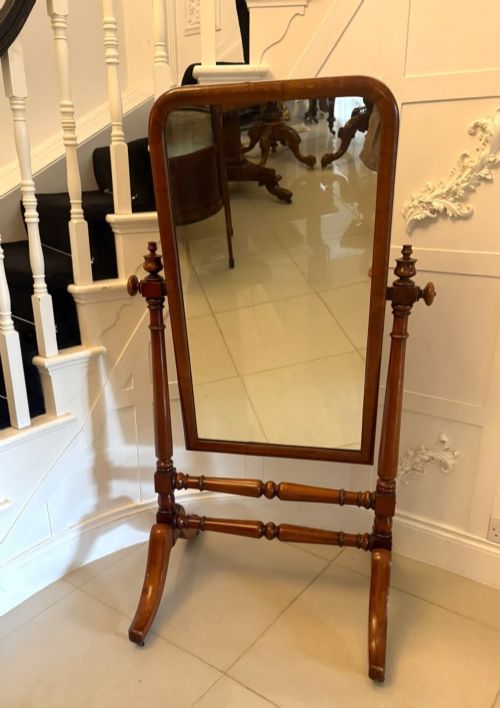
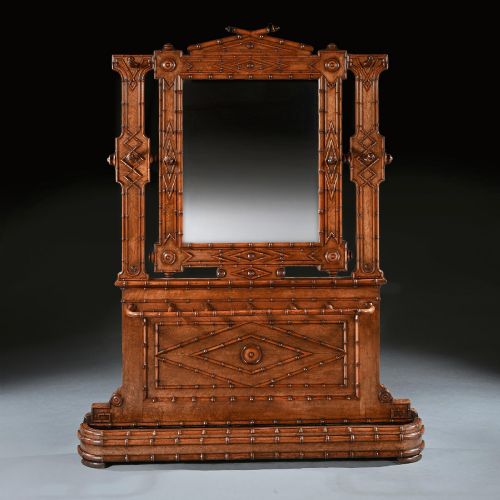
The most common full-length formats are cheval mirrors mounted on freestanding frames with pivoting side supports, often constructed in mahogany, walnut, or oak. Alongside these, smaller dressing mirrors and combination hall stands integrate glass plates into larger timber structures.
Origins range from English workshops to continental makers, employing styles such as Arts and Crafts, Queen Anne, and Art Nouveau. Each form serves a distinct domestic purpose, from bedroom dressing to hallway organisation.
Materials and construction
Cabinetmakers utilised dense hardwoods like mahogany, walnut, and oak to build sturdy standing frames capable of supporting heavy glass plates. Timber was frequently polished, carved, or inlaid to suit the prevailing aesthetic of the period.
Pivoting mechanisms on cheval mirrors relied on brass pins or screws, allowing the glass to tilt smoothly within its upright supports. Gesso and giltwood details appeared on more decorative frames, while simpler items favored exposed grain and bentwood techniques.
Wooden Standing Mirror Retail Price Guide 2026
Typical asking prices for wooden standing mirror among the pieces listed under this phrase on Sellingantiques today, from the lower quarter to the upper quarter. They describe what is for sale here now, not the wider market.
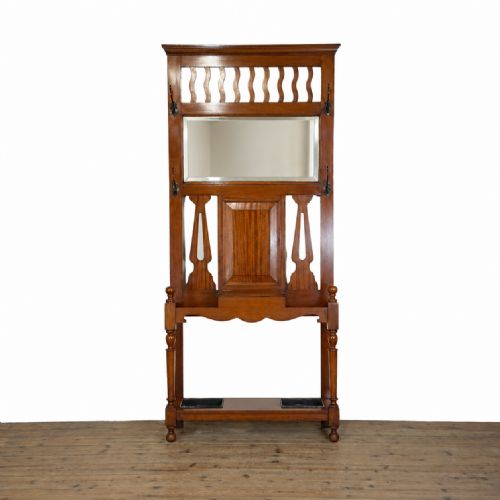
Several items combine reflection with unexpected utility, serving simultaneously as coat racks, umbrella bins, and hallway seats.
Distinctions in craftsmanship
The integration of the timber frame with the mirror plate distinguishes standard items from exhibition pieces. Superior examples display precise joinery, thoughtful timber selection such as burr walnut or birdseye maple, and balanced proportions that maintain stability during adjustment.
Carved ornament and structural hardware reveal the hand of the maker, with high-tier pieces featuring crisp relief work and solid brass mountings. The clarity and preservation of the original mirror glass further separate fine specimens from later replacements.
Heal & Sons·Thonet
The Wooden Standing Mirror Glossary
- Cheval mirror
- A large floor-standing mirror mounted on a vertical frame with pivots that allow it to swing. This form became popular in the eighteenth century and remained a bedroom staple through the Victorian era.
- Gesso
- A plaster-like material applied to wooden surfaces to create a smooth base for gilding or painting. It allows intricate relief decoration on frames.
- Birch birdseye
- A figured wood grain showing small circular patterns resembling bird eyes, utilised by cabinetmakers for decorative veneer work on furniture and mirror surrounds.
- Hall stand
- A multi-functional piece of hallway furniture combining a mirror, coat hooks, umbrella stands, and sometimes a bench seat. They were widely produced in oak and walnut during the nineteenth and early twentieth centuries.
Wooden Standing Mirror: Frequently Asked Questions
How do I adjust a cheval mirror?
Cheval mirrors pivot on central side screws mounted to the upright supports. You can loosen or tighten these brass fixings by hand or with a suitable tool to set the desired angle of tilt.
Ensure you support the glass frame with one hand while adjusting the hardware to prevent sudden movement or strain on the wooden pivots.
Are these mirrors heavy to move?
Most wooden standing mirrors possess substantial weight due to the dense hardwoods like mahogany, walnut, or oak used in their construction. Large cheval frames and hall stands require two people for safe relocation.
Smaller dressing mirrors placed on tables are considerably lighter and easily lifted by a single person.
How do I care for the wooden frame?
Maintain the timber by dusting regularly with a soft, dry cloth to prevent dirt accumulation on polished surfaces. Avoid placing the mirror in direct sunlight or near heat sources to protect the wood and veneer.
Periodically apply a suitable wax polish to nourish hardwoods like mahogany and oak, rubbing it gently into the grain.
Can I replace the original glass?
Original mirror glass often displays signs of age, including light foxing or silvering loss, which collectors generally value as proof of authenticity. Replacing the plate is possible but typically alters the historic character of the piece.
If replacement is necessary for functional reasons, consult a specialist framer to ensure the new glass fits securely within the antique rebate.