




Wooden Spirit Decanter
A wooden spirit decanter secures your favourite drink behind brass or glass, combining fine cabinet-making with functional barware from the Georgian, Victorian, and Edwardian eras.
Wooden Spirit Decanter
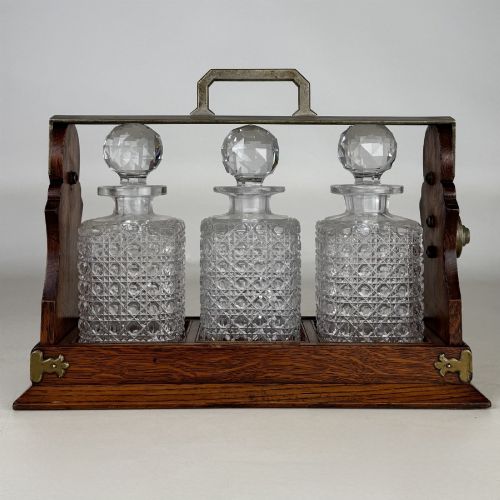
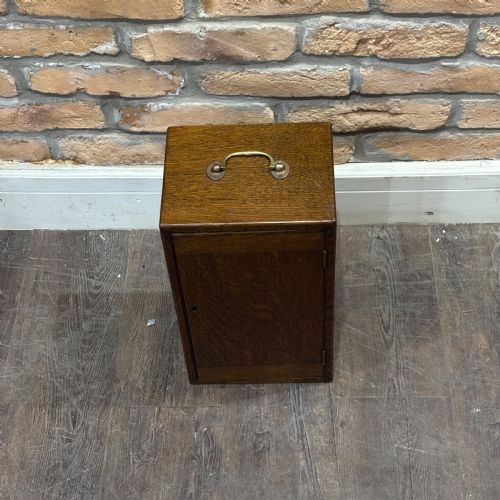
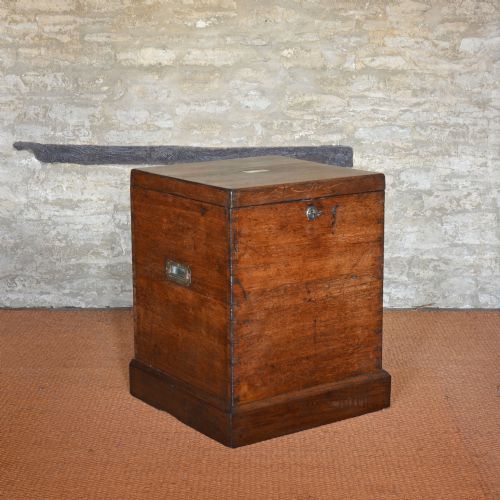
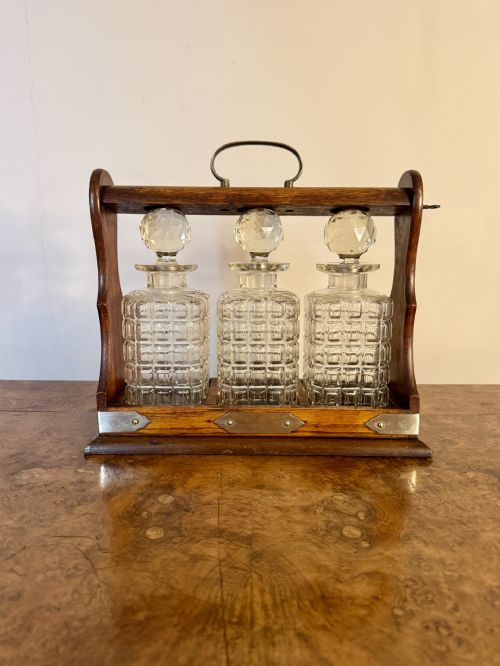
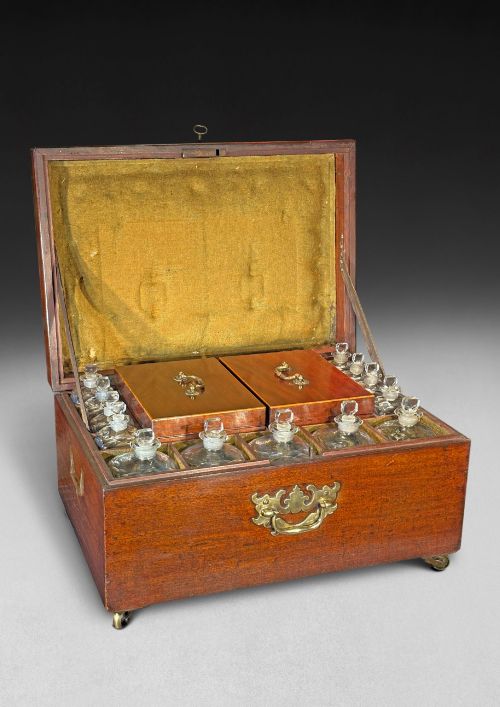
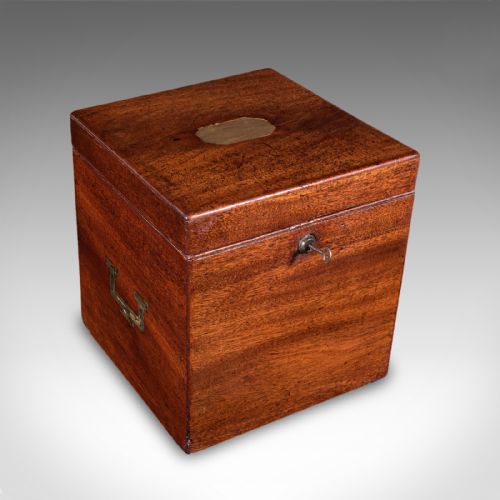
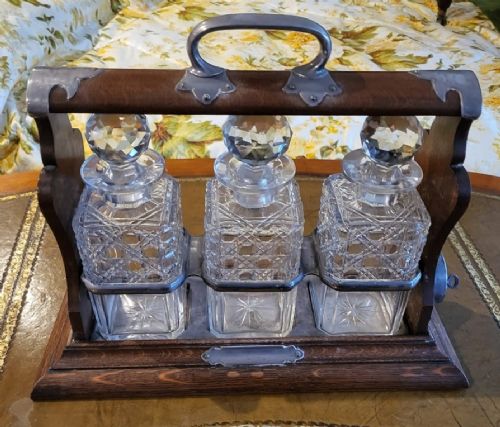
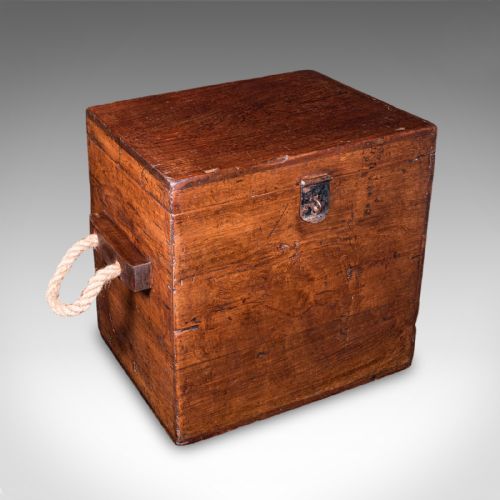
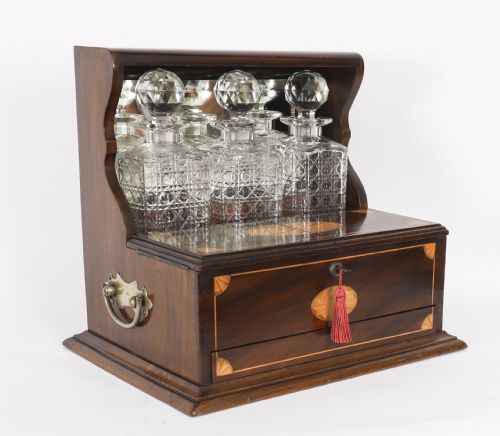
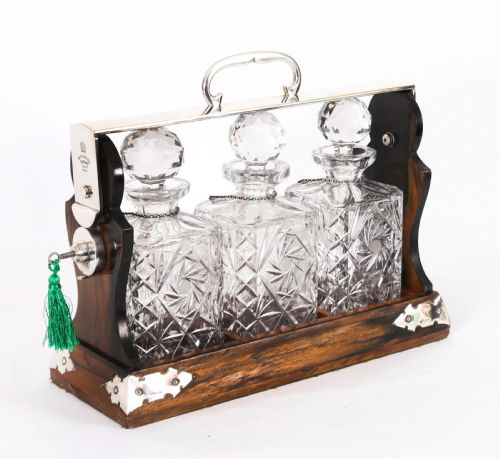
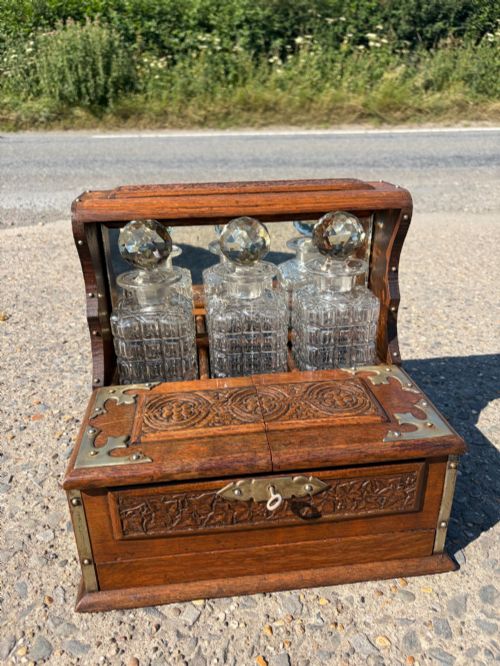
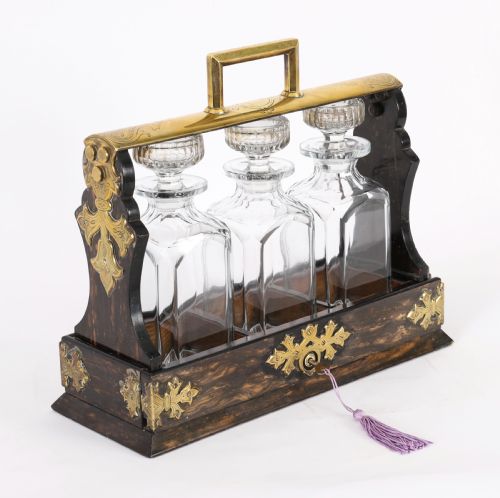
A wooden spirit decanter typically manifests as a tantalus, a decanter box, or a cellarette designed to safely house crystal bottles of whiskey, gin, rum, and brandy. You will frequently encounter sturdy oak and mahogany examples from the Victorian and Edwardian periods, often equipped with locking mechanisms.
The selection ranges from George III and Georgian storage boxes fitted with multiple cut glass bottles to late Victorian and Edwardian tantalus sets paired with games compendiums. Oak, walnut, and mahogany form the primary carcasses, frequently enhanced with brass mounts, silver plating, or marquetry stringing.
How artisans constructed these drinking cabinets
Cabinet-makers utilised dense timbers such as mahogany, oak, walnut, and coromandel, often finishing surfaces with satinwood inlay or brass banding to protect the edges. Internal frames were precisely partitioned to cradle cut crystal and cut glass decanters securely during transit or storage.
Security mechanisms formed an integral part of the construction, featuring Bramah locks and silver-plated locking bars that prevented unauthorised access to the spirits within. Metal fittings in brass and silver plate were cast and polished to complement the rich tones of the timber.
Wooden Spirit Decanter Retail Price Guide 2026
Typical asking prices for wooden spirit decanter among the pieces listed under this phrase on Sellingantiques today, from the lower quarter to the upper quarter. They describe what is for sale here now, not the wider market.
Some nineteenth-century hosts hid their games compendium beneath the decanters so guests had to earn their whisky through board games.
What distinguishes finer examples from standard pieces
The distinction between standard items and superior pieces lies in the complexity of the internal fittings, such as integrated games compendiums and fully removable decanter services. Timber selection and decorative techniques, including intricate marquetry stringing and fine satinwood inlay, elevate the visual refinement.
Hardware execution dictates much of the overall standard, with fully operational Bramah locks, substantial brass mountings, and hallmarked silver elements marking out the best workshops. The clarity and cut of the associated crystal bottles also contribute significantly to the piece's integrity.
Betjemann’s·Mappin & Webb
The Wooden Spirit Decanter Glossary
- Tantalus
- A locking drink cabinet featuring a metal bar that secures the stoppers of the decanters in place, preventing removal until the lock is turned. It derives its name from the mythological figure Tantalus, as the liquor is visible yet physically unattainable without the key.
- Cellarette
- A cellar-like chest or box designed for storing wine and spirit bottles near the dining table. Georgian and Regency examples often sat directly on the floor or on short legs.
- Decanter Box
- A portable wooden case lined to hold multiple glass bottles securely for travel or home storage. These boxes frequently feature brass carrying handles and intricate internal partitioning.
- Bramah Lock
- A high-security cylindrical lock patented by Joseph Bramah in the eighteenth century. It was widely utilised on fine campaign furniture and spirit storage boxes.
- Marquetry
- The art of applying pieces of veneer to a structure to form decorative patterns and pictures. In these pieces, contrasting woods create delicate stringing lines along the cabinet edges.
Wooden Spirit Decanter: Frequently Asked Questions
What is a tantalus?
A tantalus is a locking spirit cabinet that secures decanter stoppers beneath a metal bar to prevent the contents from being poured without a key.
This clever design allowed hosts to safely display expensive whiskey, gin, and brandy in the drawing room while restricting access.
How do I date an oak tantalus?
Dating relies on examining the timber, hardware, locking mechanisms, and overall aesthetic style associated with the Georgian, Victorian, or Edwardian eras.
Earlier nineteenth-century pieces often feature heavy brass mounts and Bramah locks, whereas later Edwardian iterations frequently incorporate silver-plated bars.
Were these boxes meant for travel?
Many decanter boxes and maritime cases were constructed with robust brass carrying handles and secure internal partitions designed to withstand movement.
Over time, these portable drinking cellars transitioned into static drawing-room furniture and dry bars.
What glass belongs in these sets?
Authentic sets typically house heavy cut crystal or cut glass decanters that match the exact contours of the internal wooden base.
Replacements are common, so matching the period cut of the glass to the age of the wooden case remains important.