




Wooden Spice Container
A wooden spice container brings warmth and history to a shelf, offering clever storage crafted from rich boxwood, fruitwood, and oak.
Wooden Spice Container
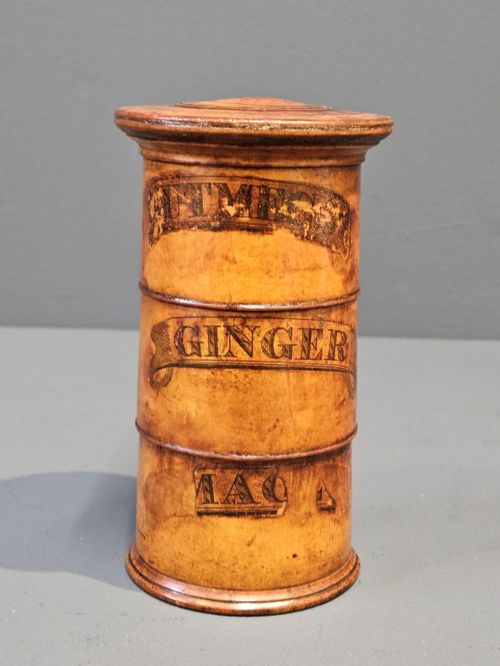
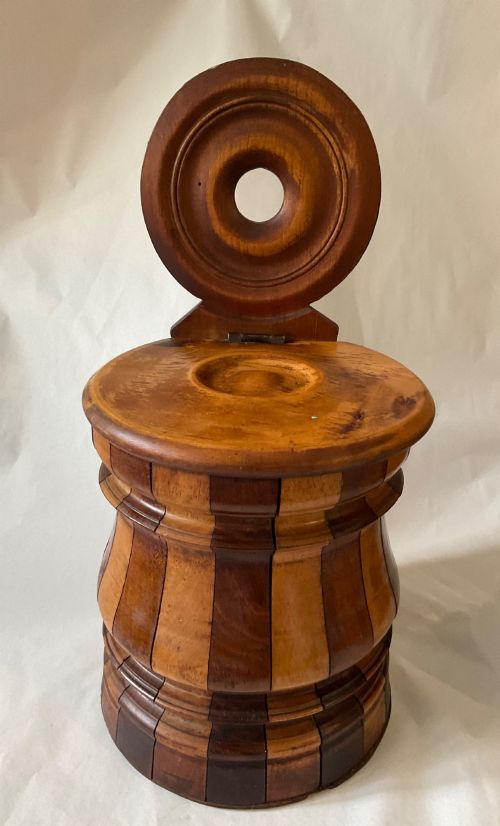
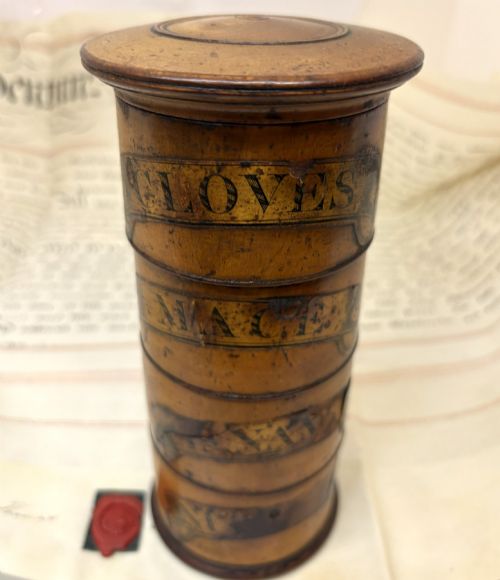
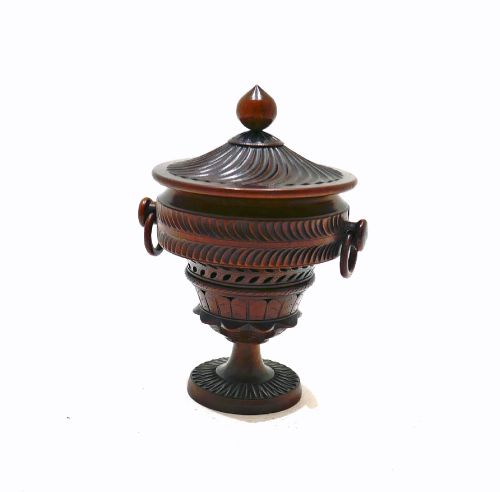
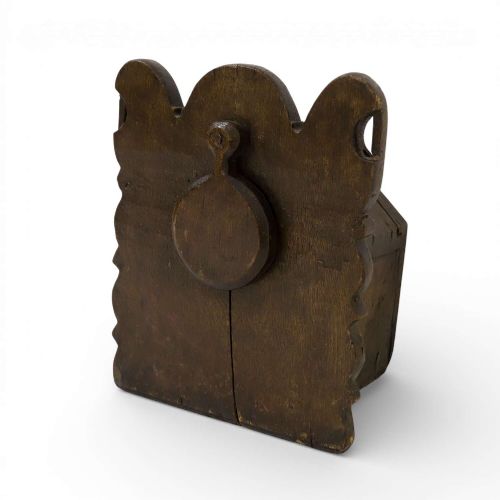
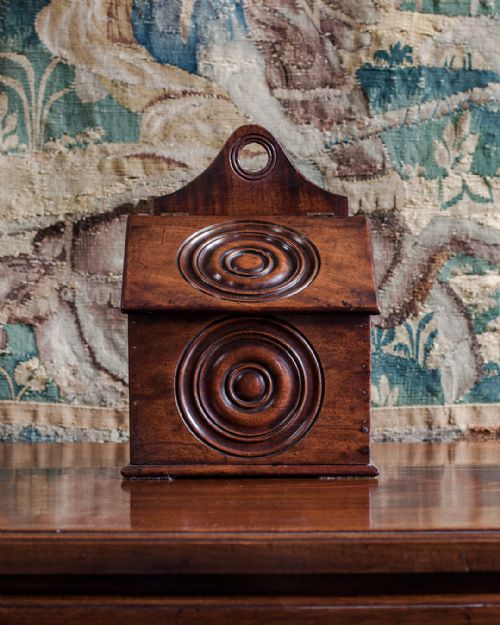
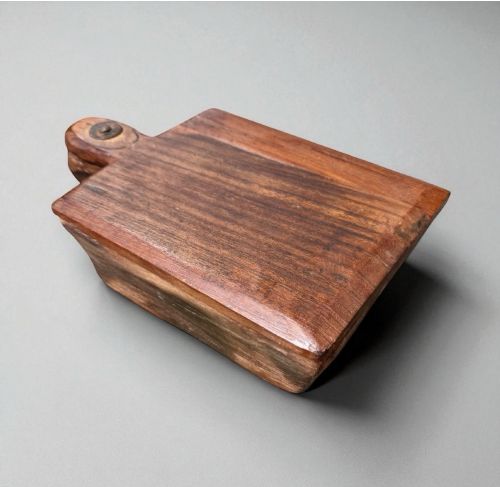
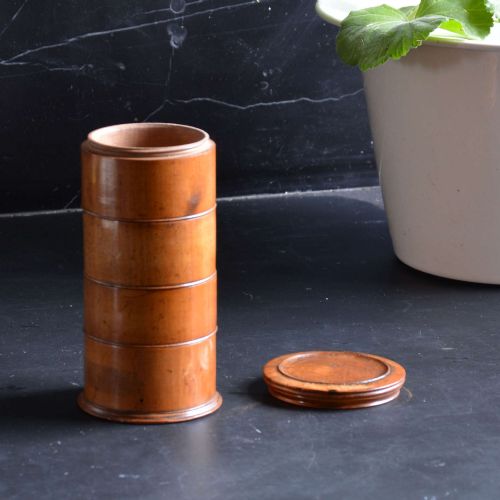
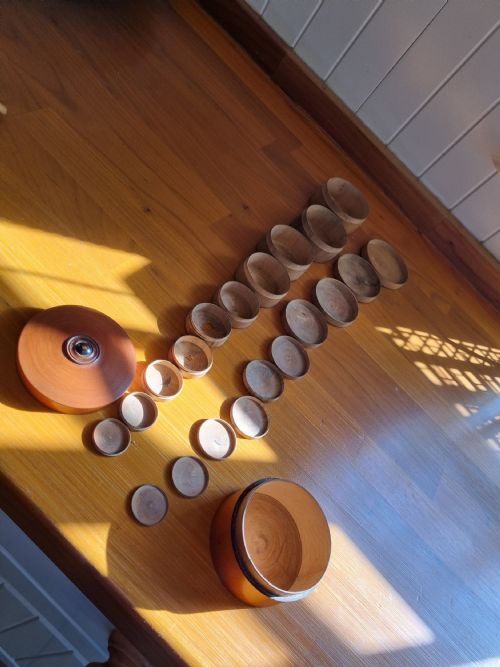
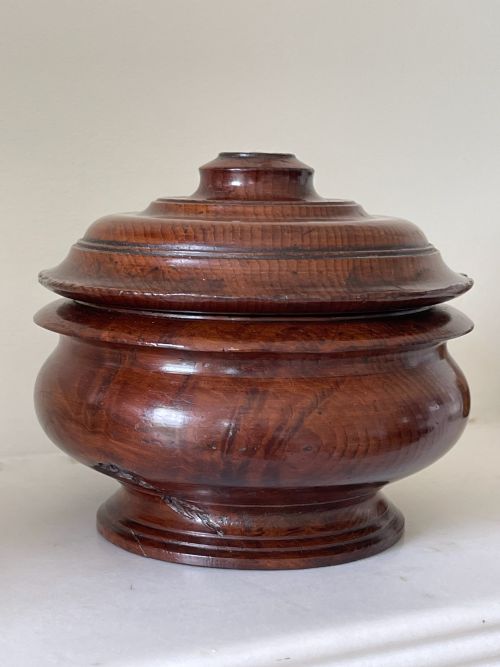
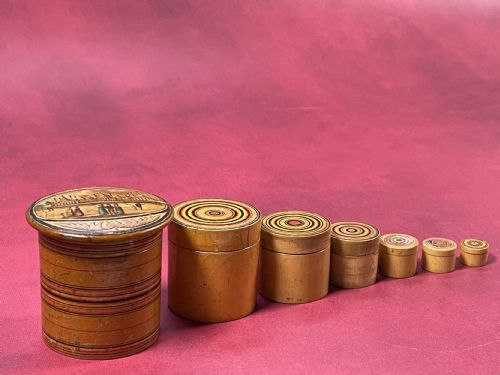
A wooden spice container is a practical treen vessel designed to hold domestic condiments, most frequently appearing here as multi-tiered spice towers and wall-hanging salt boxes from the eighteenth and nineteenth centuries. Collectors searching for a wooden spice container will discover utilitarian kitchenware alongside decorative boxes, decorative urns, and intricate nesting sets.
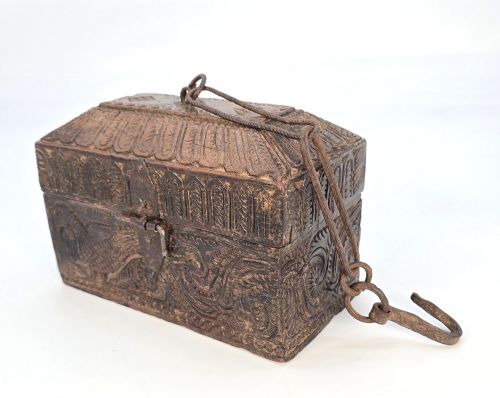
The pieces on this page span Georgian, Victorian, and Edwardian eras, encompassing both British country pieces and Indian vernacular carvings. Buyers are most likely to encounter fruitwood, boxwood, and oak examples shaped by turnery and hand-carving into graduated compartments or lidded jars.
Domestic spaces of the past relied heavily on these functional objects for culinary storage, which explains their modest scale and durable construction. Today, collectors value them for their tactile surfaces and the ingenuity of their multi-tier designs.
Factors of quality
Quality rests in the crispness of the turnery, the integrity of the fitted sections, and the survival of original surface finishes. A piece that retains its matching tiers and original hardware commands greater interest from collectors.
The choice of timber and the complexity of the design also distinguish finer examples, such as multi-compartment towers or turned jars with well-preserved patination. Simpler utility salt boxes rely on honest wear and solid construction rather than intricate detail.
The Wooden Spice Container Glossary
- Treen
- Small handmade wooden domestic objects. These utilitarian items were turned on a lathe or carved by hand for everyday household use.
- Spice tower
- A multi-tiered turned wooden container. Sections stack vertically to hold various culinary powders and resins.
- Salt box
- A wall-hung wooden container with a hinged lid. It kept dry salt close to the hearth in historical kitchens.
- Boxwood
- A dense, pale yellowish wood prized by turners. Its fine grain allows for exceptionally sharp detail in small vessels.
- Fruitwood
- An umbrella term for timbers like apple, pear, and plum. Cabinetmakers favoured them for their warm tone and smooth finish.
Wooden Spice Container: Frequently Asked Questions
What is a wooden spice container?
A wooden spice container is a turned or carved treen vessel made to store culinary powders and herbs in historical kitchens. They range from simple lidded pots to complex multi-tiered towers.
Many examples date from the Georgian and Victorian periods, reflecting domestic habits of the eighteenth and nineteenth centuries.
How were spice towers used?
Spice towers held several different culinary powders within separate stacked compartments, saving space on the kitchen shelf or table. Each tier nested into the next to keep expensive provisions dry and aromatic.
Owners often kept them close to the cooking hearth for easy access during food preparation.
How do I date a wooden spice container?
Dating relies on timber choice, turning style, and construction methods characteristic of periods like the Georgian or Victorian eras. Examining the tool marks and any original iron hardware provides further clues to age.
Regional styles, such as British country treen or Indian carved hardwood, also point to specific manufacturing eras.
How should I care for antique treen?
Keep wooden spice containers away from direct sunlight and sudden temperature changes to prevent the timber from splitting or warping. Dust them gently with a dry cloth rather than using liquid polishes.
Maintaining a stable indoor humidity helps preserve the original surface patination and dry finish.