


Wooden Slat Garden Seats
Wooden slat garden seats are robust outdoor benches offering enduring utility, and buyers choose them for their classic combination of timber slats and metal supports.
Wooden Slat Garden Seats
Wooden slat garden seats encompass outdoor benches, garden chairs, and armchairs designed for parks, patios, and country gardens. The pieces found here span the Victorian, Edwardian, and interwar periods, alongside nineteenth-century examples and items from around nineteen hundred. Forms range from standard garden benches and tree seats to pairs of armchairs and unusual orangery seats.
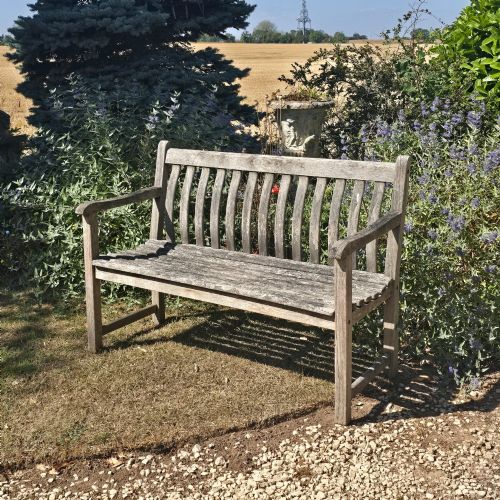
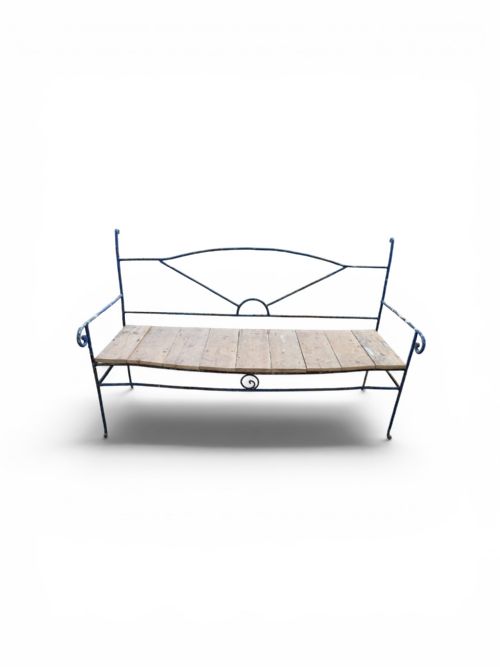
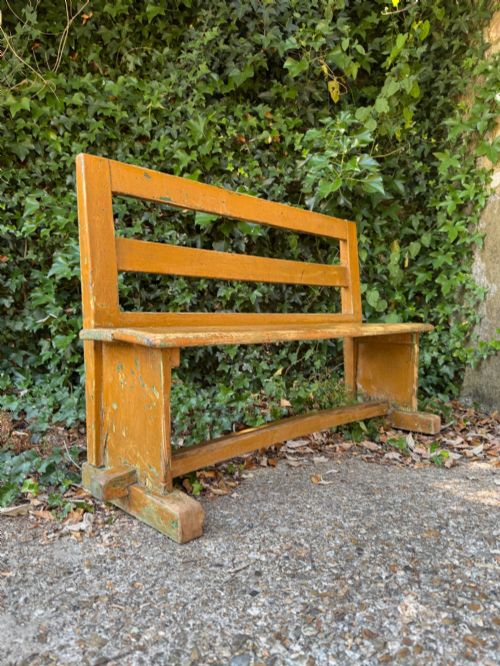
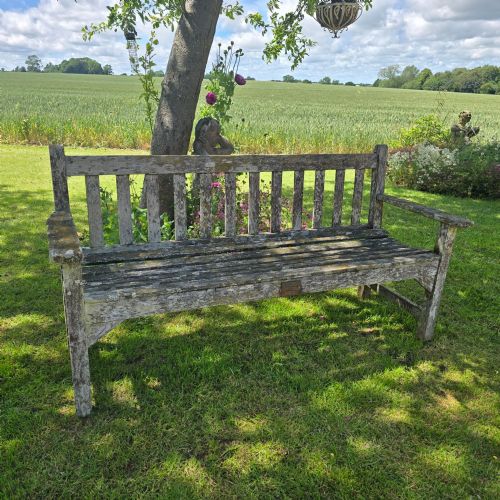
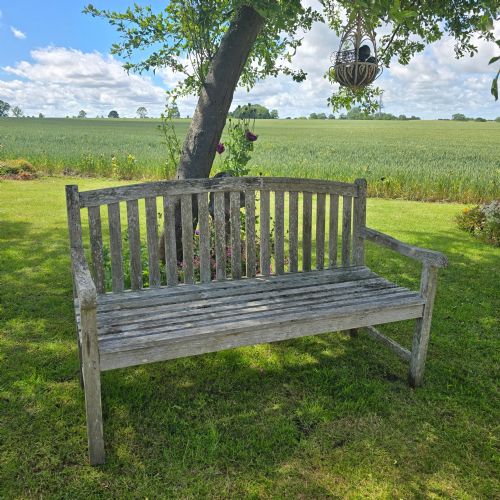
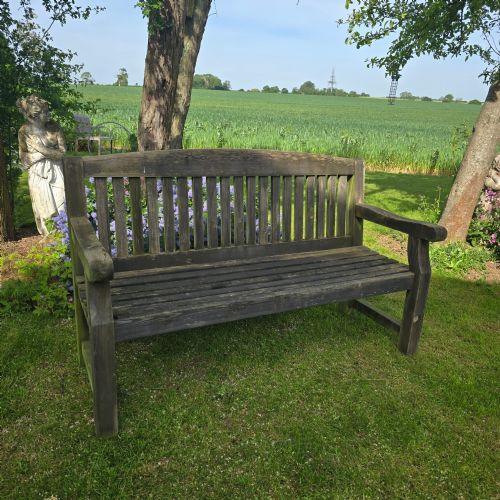
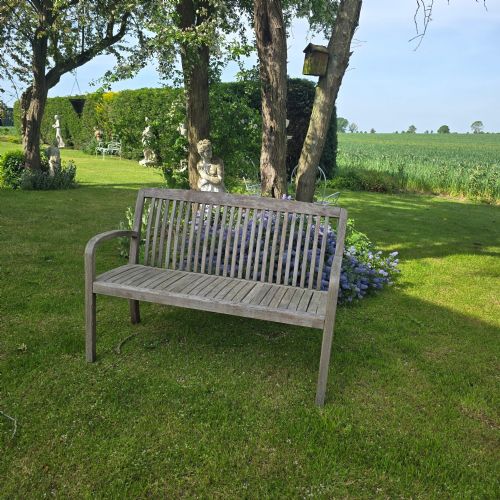
The version most commonly met on this page is the teak garden bench, often well weathered or silvered from exposure to the elements. These pieces typically feature wooden slats secured to sturdy frames, representing styles such as English country house, rustic country, and Edwardian design. Alongside these, buyers encounter pine benches, oak orangery seats, and cast iron frame variants.
How they were made
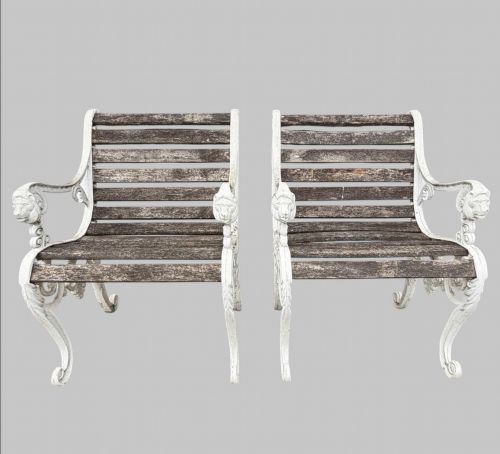
Construction relies upon durable timbers paired with robust metal supports to withstand outdoor use. Teak, oak, pine, and general timber form the slatted seating surfaces and frames, chosen for their natural resilience. These are frequently combined with cast iron or wrought iron components, such as decorative ends, lion mask details, and structural legs.
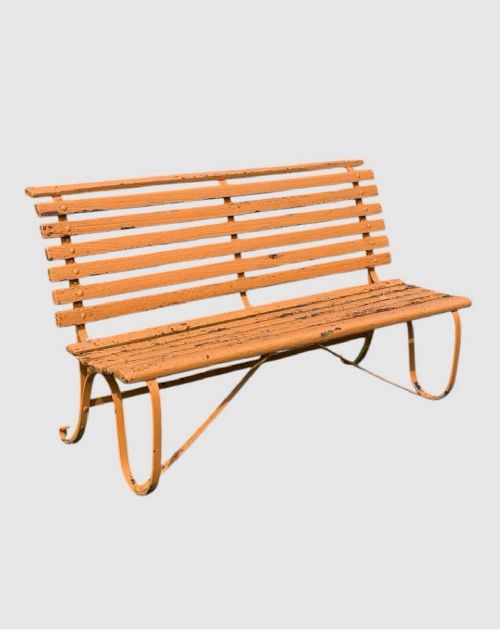
Surface finishes vary from natural weathered silvered teak to painted wood. Metal elements often utilise cast iron designs, echoing the work associated with Coalbrookdale. The assembly joins slatted wood panels to heavy metal or wooden frameworks, ensuring stability across garden chairs and benches.
Several pieces carry provenance from the Calcutta Polo Club, proving that nineteenth-century Englishmen took their comfort quite seriously abroad.
What varies in quality
Quality separates standard utilitarian outdoor seating from pieces possessing distinctive decorative motifs and finer materials. The choice of dense timbers like teak versus softer woods alters longevity and the character of the weathered finish. Finer examples display thoughtful proportion, substantial timber sections, and careful integration of wooden slats into the frame.
Design flourishes elevate certain pieces, such as heart motifs, lion mask cast iron armchairs, or unusual forms like tree seats and orangery benches. The integrity of the cast iron work and the depth of the timber weathering contribute further distinctions across the range.
The Wooden Slat Garden Seats Glossary
- Teak
- A dense, oil-rich tropical hardwood prized for outdoor use because it resists moisture and ages to a silver grey patina. This material forms the primary construction of many durable garden benches.
- Cast Iron
- Molten iron poured into a mould to create rigid structural and decorative components. In these seats, it frequently provides the patterned ends and armrests.
- Tree Seat
- A circular or polygonal bench built around the trunk of a tree to provide surrounding garden seating. This specialised form utilises curved wooden slats.
- Edwardian
- The period spanning the reign of King Edward VII, characterised in garden furniture by lighter proportions and graceful vernacular designs. Pieces from this era often balance comfort with traditional craftsmanship.
- Victorian
- The nineteenth-century period associated with ornate decoration and heavy industrial production. Garden seating from this time often incorporates elaborate cast iron frames.
Wooden Slat Garden Seats: Frequently Asked Questions
How do I care for a weathered teak bench?
Weathered teak requires very little intervention because the natural silvered patina protects the wood from further degradation. Scrubbing gently with soapy water removes dirt without stripping the historic surface.
Applying oils is generally unnecessary unless you prefer to restore the warm golden colour of fresh timber. Leaving the wood exposed allows the characteristic silvered finish to mature further.
Can these garden seats stay outside all year?
Most of these pieces are constructed from hardy timbers like teak and robust metals designed to withstand outdoor conditions year-round. The natural oils in teak prevent rotting even when exposed to heavy rain and frost.
Pine and painted wooden variants benefit from more sheltered placement during harsh winter months to preserve the paint and wood integrity. Raising seats slightly off damp ground also helps extend their lifespan.
What is a tree garden seat?
A tree garden seat is a specialised bench built in sections to encircle the trunk of a mature tree. This design offers shaded seating that integrates directly into the landscape.
Constructing these requires curved wooden slats and precisely angled frames to fit the natural contours of the tree. They serve as focal points in traditional English country gardens.
How do I distinguish Victorian from Edwardian seats?
Victorian garden seats typically feature heavier proportions and more elaborate cast iron decoration, reflecting the industrial aesthetics of the nineteenth century. These often include intricate patterns or animal motifs on the armrests and frames.
Edwardian pieces tend to display lighter lines and simpler timber construction, often favoring understated elegance over ornate metalwork. Examining the overall heft and decorative restraint helps clarify the period.