








Wooden Shop Display Cabinets
These wooden shop display cabinets are survivors of trade and retail history, sought after for bringing authentic commercial character into a modern interior.
Wooden Shop Display Cabinets
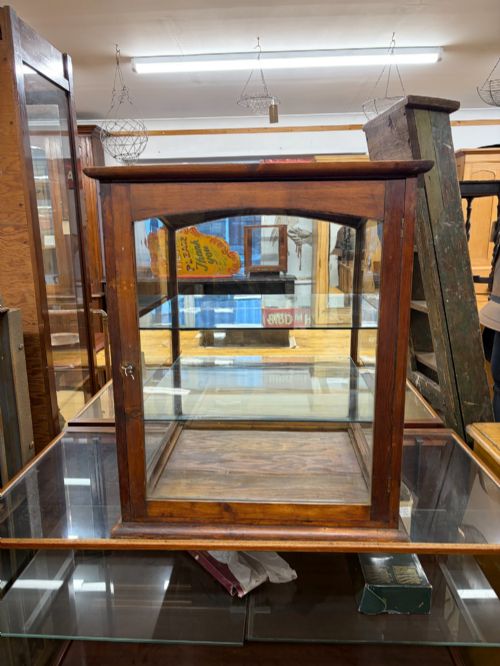
When you search for wooden shop display cabinets, you encounter a specialised form of commercial furniture designed to showcase merchandise to the public. These pieces span from the late nineteenth century through to the mid twentieth century, encompassing Victorian, Edwardian, and Art Deco eras.
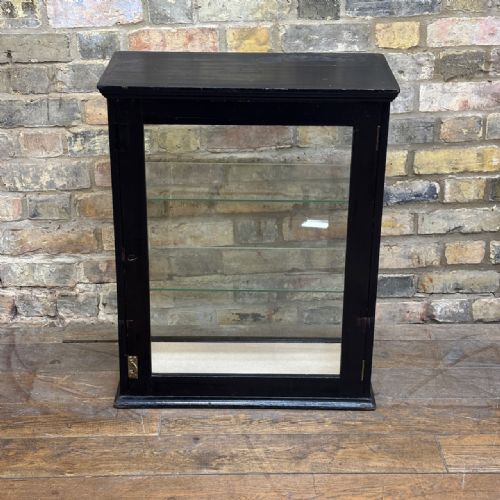
The versions most commonly met on this page include countertop display cabinets, wall cabinets, and haberdashery units. They originate from diverse commercial settings, ranging from apothecary counters and cigar shops to general merchant stores.
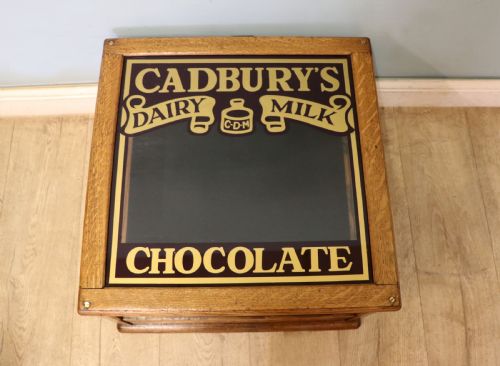
Many of these units served specific brand advertising purposes, carrying surviving graphics or signage for established names such as Fry's Chocolate, Cadburys, and Clark's Anchor. Other examples focus purely on material display, utilising adjustable glass shelves and glazed panels to maximise visibility.
Materials and Construction
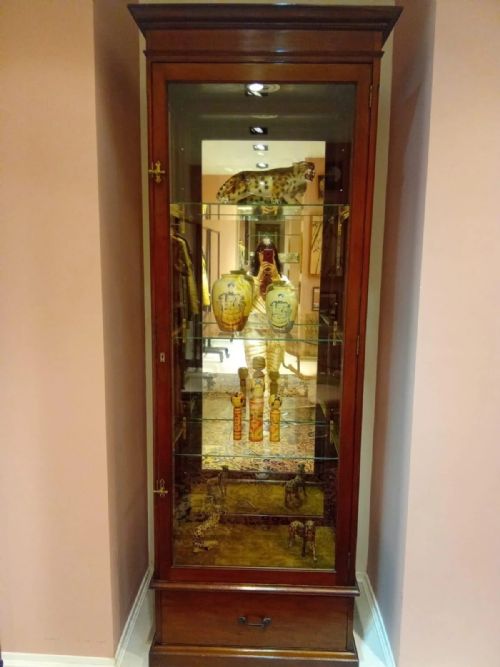
Makers utilised dense timbers such as mahogany, oak, and cedar to build robust frames capable of withstanding daily retail use. These woods were often polished to a high finish, while internal elements incorporated glass for shelving and viewing panels.
Hardware played a functional and structural role, with brass fittings utilised for hinges, handles, and framing edges on specific countertop models. Additional materials such as paper and mirror glass appeared in backing boards and advertising inserts to enhance internal reflection and branding.
Wooden Shop Display Cabinets Retail Price Guide 2026
Typical asking prices for wooden shop display cabinets among the pieces listed under this phrase on Sellingantiques today, from the lower quarter to the upper quarter. They describe what is for sale here now, not the wider market.
Some nineteenth-century shop keepers had to convince customers that pencils needed their own dedicated glass showcase to be properly appreciated.
Distinctions in Quality
The upper tier of these commercial fixtures is defined by the integration of mechanical or purpose-built elements, such as dispensing mechanisms or cantilever designs. Superior examples also feature refined timber framing like polished mahogany and sophisticated brass detailing.
Construction methods and original branding preservation dictate the standing of a piece. Cabinets retaining their authentic advertising elements, clear maker attribution, and original adjustable internal glass shelving hold greater documentary and material interest than altered or plain equivalents.
Saml. Elliott & Sons·Clark’s Anchor·Knight’s Castile·Fry’s Chocolate·Ermen & Roby·H. UPMANN Habana·Cadburys Chocolate·Venus Pencil
The Wooden Shop Display Cabinets Glossary
- Haberdashery cabinet
- A multi-drawer or glazed unit originally designed for storing and selling sewing threads, buttons, and textiles. These often feature glass fronts or drawer panels to allow stock visibility.
- Countertop display cabinet
- A smaller format showcase built to sit upon a shop counter for direct customer viewing. They generally feature rear access doors for the shopkeeper.
- Advertising display
- A commercial showcase or dispenser incorporating specific brand graphics, text, or logos. These units served to promote particular products while holding stock.
- Cantilever display
- A specialised shelving or tiered arrangement that extends outward without external vertical supports. This mechanism allows multiple levels of goods to be presented simultaneously.
- Apothecary cabinet
- A storage and display unit created for chemists and pharmacists. They typically house small drawers or glazed compartments for medicines and dry goods.
Wooden Shop Display Cabinets: Frequently Asked Questions
How do I date a display cabinet?
Dating relies on observing the timber species, construction techniques, and stylistic markers such as Edwardian framing or Art Deco geometry. Surviving brand names and patent dates associated with the products inside also provide a reliable production window.
Hardware styles, including brass framing and hinge types, offer further chronological clues. Commercial pieces often reflect the design shifts of their respective decades rather than domestic furniture trends.
Can I use these cabinets at home?
These pieces integrate well into modern interiors for displaying collections, glassware, or books. Their compact countertop and wall-hanging formats suit living spaces and kitchens where floor area is restricted.
The glazed panels and glass shelves protect delicate items from dust while maintaining visual openness. Adjustable shelving found in many variants allows for the accommodation of objects of varying heights.
What is an apothecary cabinet?
An apothecary cabinet is a specialist storage and display unit historically used in chemists and pharmacies. They were engineered to house dry ingredients, medicines, and small medical paraphernalia securely.
Examples often feature numerous small drawers or glazed display spaces designed for organisation. Their dense wood construction and specialised labeling reflect their industrial origins.