

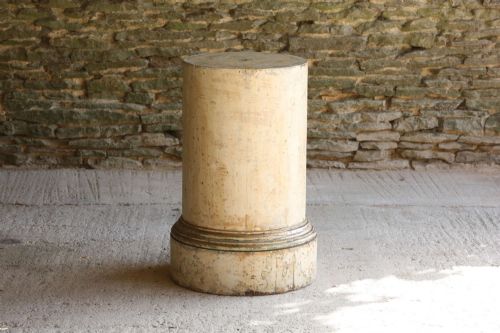

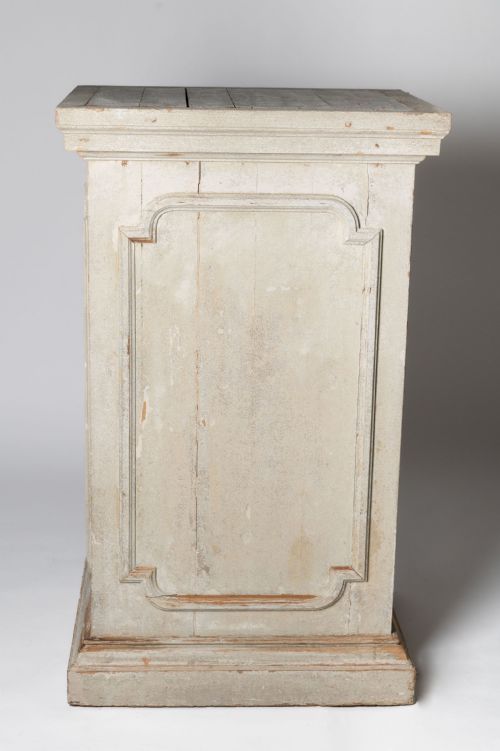
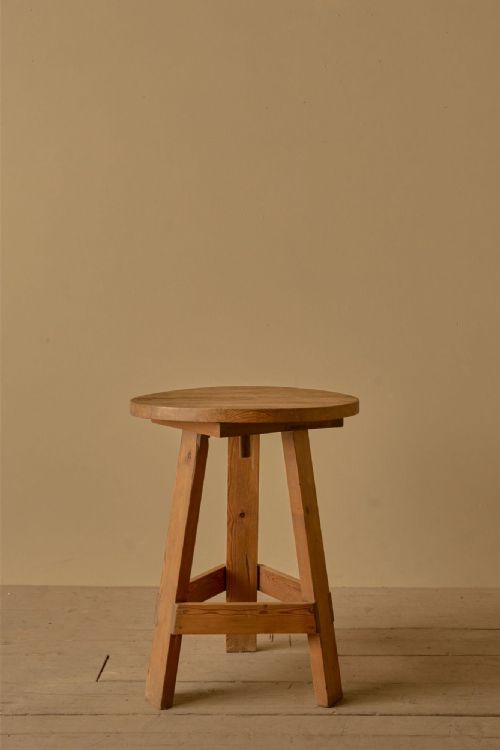
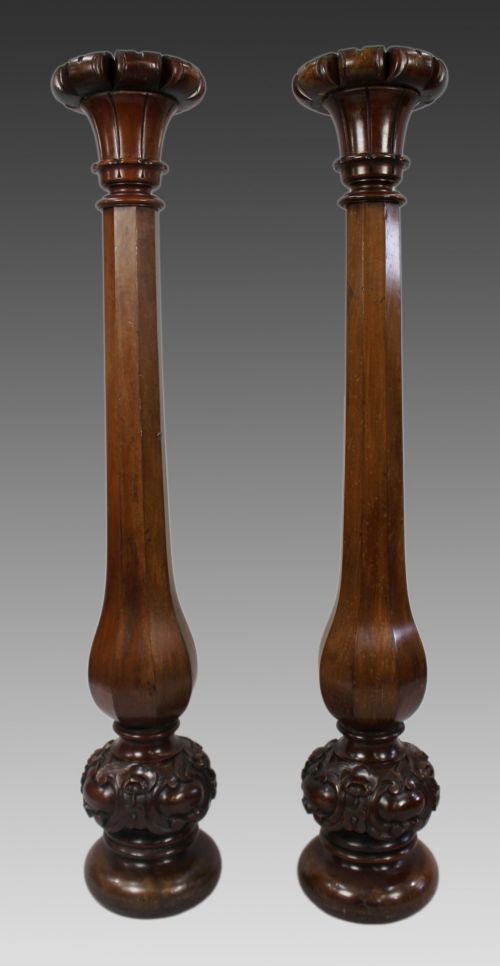

Wooden Sculpture Plinth
A wooden sculpture plinth elevates a piece of art or an architectural fragment to catch the light properly in a room.
Wooden Sculpture Plinth
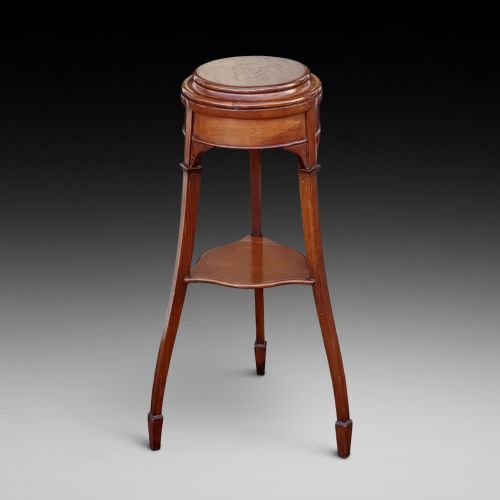
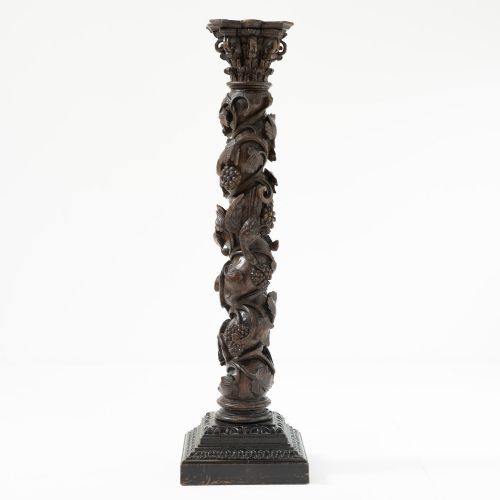
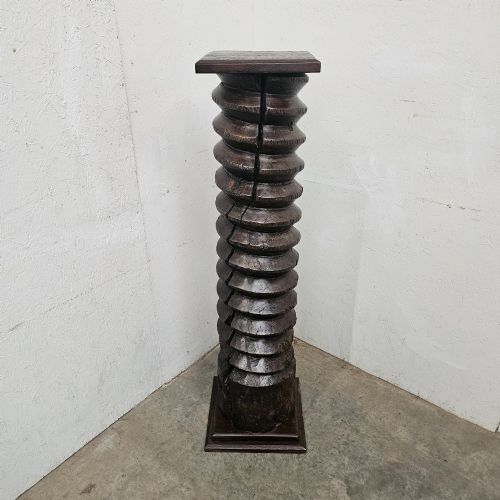
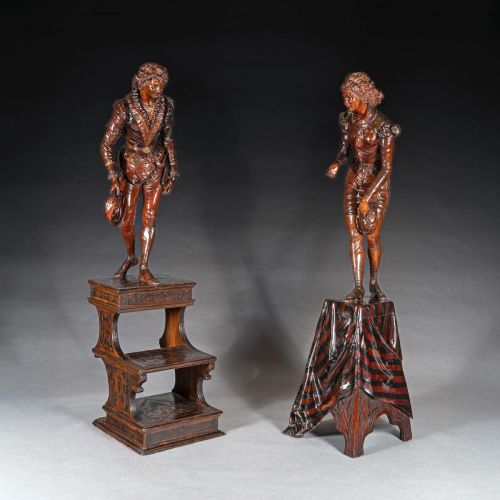
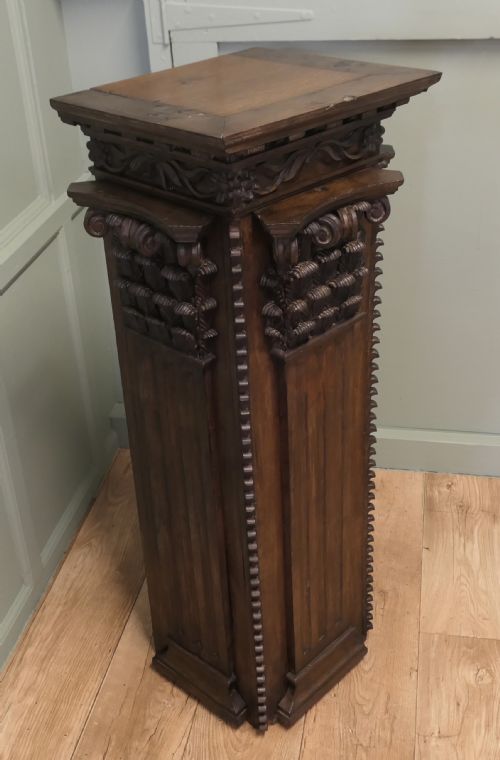
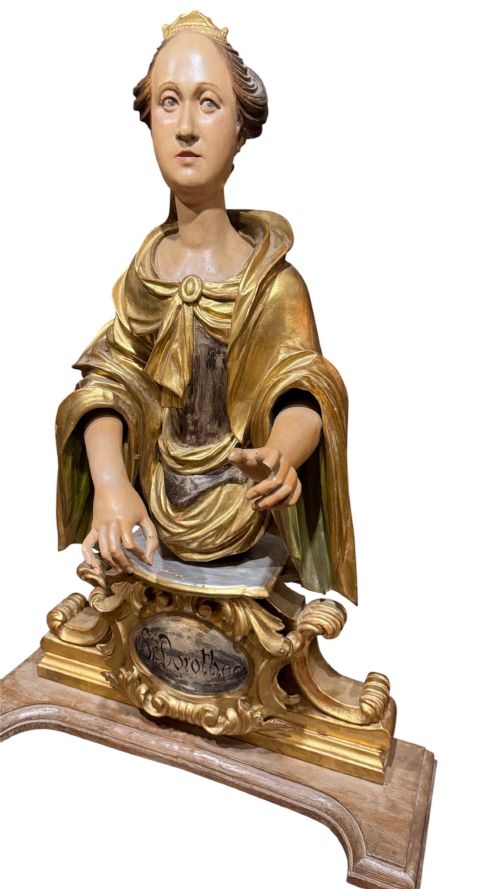
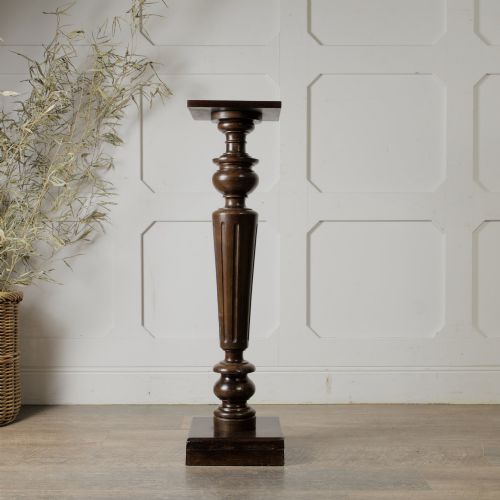
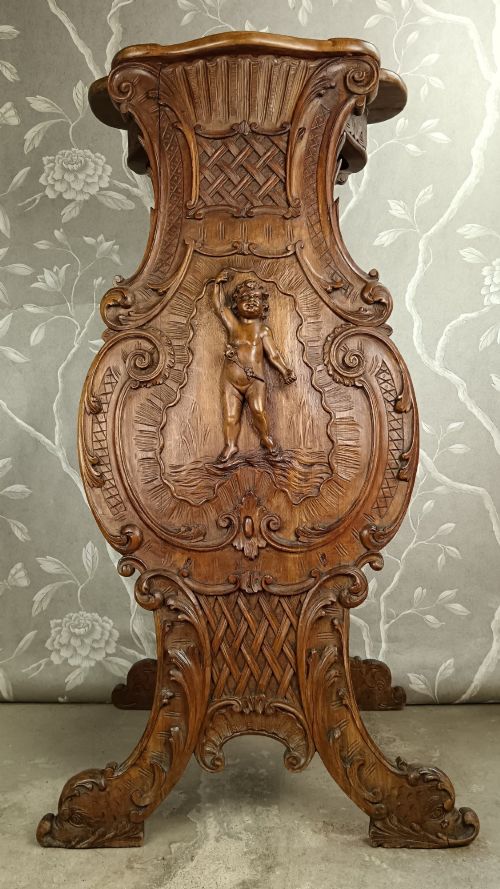
A wooden sculpture plinth serves to elevate figures, busts, vases, and columns within an interior space. These supports range from simple turned cylinders to architectural columns and ornate pedestals designed to display sculptural works.
The selections span several centuries, with pieces originating from the eighteenth, nineteenth, and early twentieth centuries. Forms vary from straightforward display stands to elaborate revival styles incorporating classical motifs.
Buyers encounter cylindrical stands, column display pedestals, and triform supports tailored for specific exhibition needs. Each piece provides a stable platform constructed to support weight while adding architectural presence to a room.
Materials and Construction
Craftsmen utilised timbers such as mahogany, walnut, oak, satinwood, pine, amboyna, and birch to construct these stands. Wood was frequently turned, carved by hand, or inlaid to create finished surfaces with distinct grains.
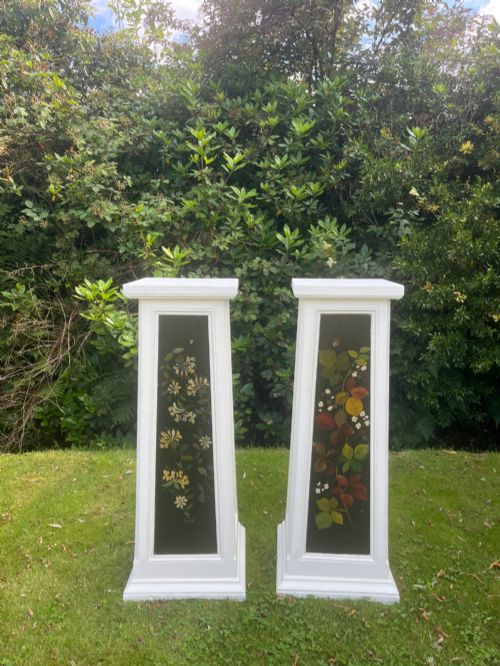
Many examples incorporate applied finishes including paint, gesso, gold leaf, ebonisation, and faux marble effects. Ormolu mounts occasionally accent the woodwork on grander neoclassical and Louis XVI style pieces.
Wooden Sculpture Plinth Retail Price Guide 2026
Typical asking prices for wooden sculpture plinth among the pieces listed under this phrase on Sellingantiques today, from the lower quarter to the upper quarter. They describe what is for sale here now, not the wider market.
Distinctions in Quality
Quality rests in the precision of the carving and the selection of timber veneers. Finely detailed hand-carving and solid mahogany or walnut construction distinguish the finer works from simpler pine or turned utility stands.
The sophistication of the stylistic execution, whether Baroquely carved or Neoclassically restrained, determines the standing of the piece. Superior examples display careful joinery and harmonious proportions suited to display exhibition items.
Gillow & Co.·Valentino Besarel·Guido Cacciapuoti
The Wooden Sculpture Plinth Glossary
- Solomonic
- A twisted spiral column shape resembling a corkscrew, frequently seen in seventeenth and eighteenth-century wood carving.
- Torchere
- A tall decorative stand originally designed to hold a candle or lamp, later adapted as a sculpture pedestal.
- Triform
- Having three sides or a triangular base plan, offering stability for tall display columns.
- Gesso
- A plaster-like mixture applied to wood surfaces as a base for paint or gilding.
- Ormolu
- Gilded bronze mounts applied to furniture and pedestals for decorative accent.
Wooden Sculpture Plinth: Frequently Asked Questions
How do I choose the right height?
Consider the viewing angle required for the object placed on top. Taller columns suit larger rooms and specific sightlines, while lower stands keep sculptures at a grounded level.
Measure both the space available and the height of the sculpture to ensure visual balance when combined.
Can these stands support heavy marble?
Solid hardwood versions made from mahogany or oak provide substantial weight-bearing capacity. Check the construction type, such as solid turning versus veneered pine, before placing dense stone upon them.
Ensure the base footprint matches the weight distribution of the sculpture to prevent tipping.
How do I clean painted wood surfaces?
Dust gently with a dry, soft cloth to remove everyday particles. Avoid using harsh chemical sprays that might harm gesso, paint, or gold leaf finishes.
Maintain stable room humidity to protect antique timber and applied finishes from cracking.
What is an aesthetic movement pedestal?
These pieces reflect late nineteenth-century design principles emphasising artistic craftsmanship and simpler lines. They often feature contrasting ebonised woods and refined detailing.
Such columns match interiors influenced by the turn toward artistic reform in Victorian decoration.