



Wooden Sculpture Pedestal
A wooden sculpture pedestal elevates a treasured bust or figure, bringing fine carving and varied woods directly into the room.
Wooden Sculpture Pedestal
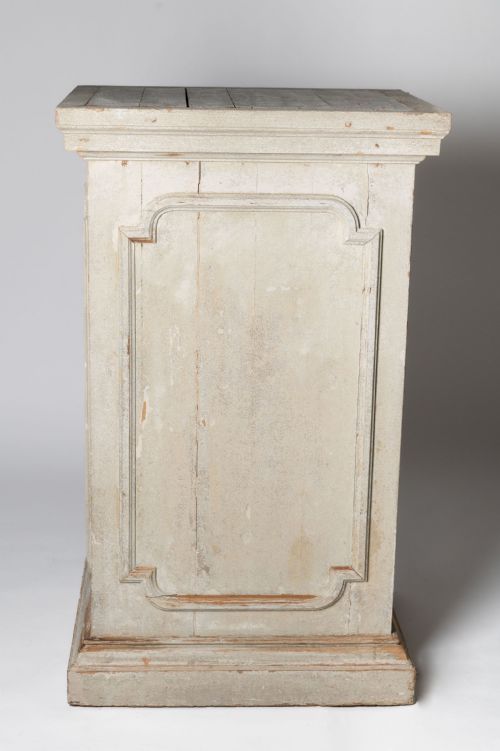
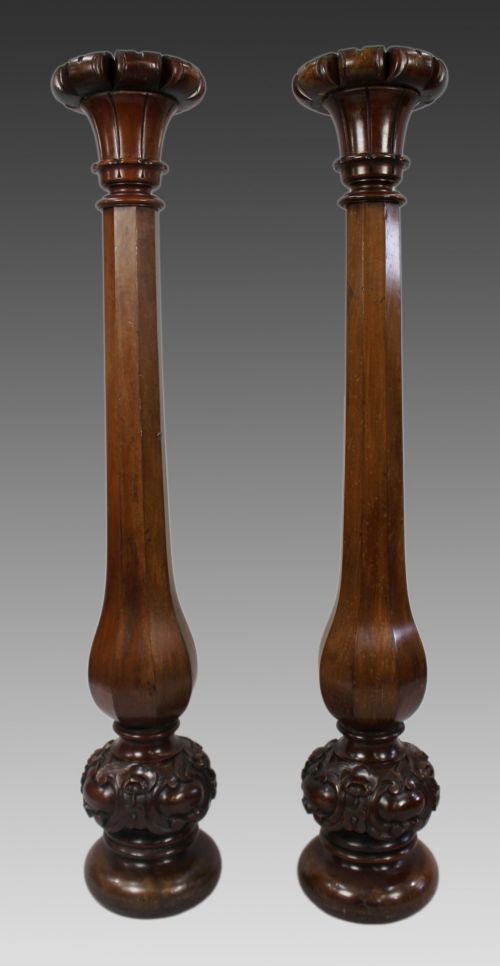
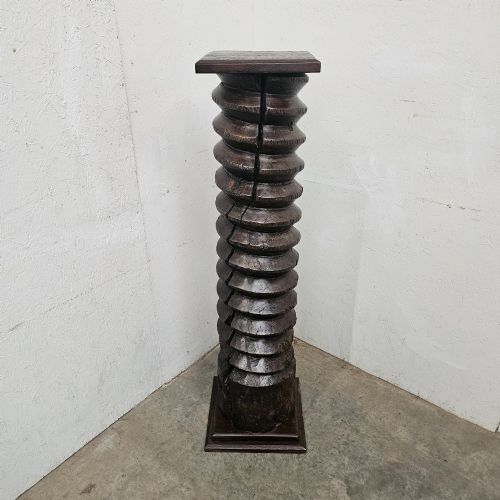
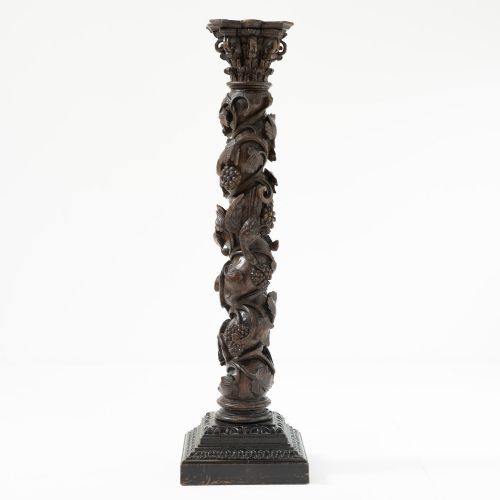
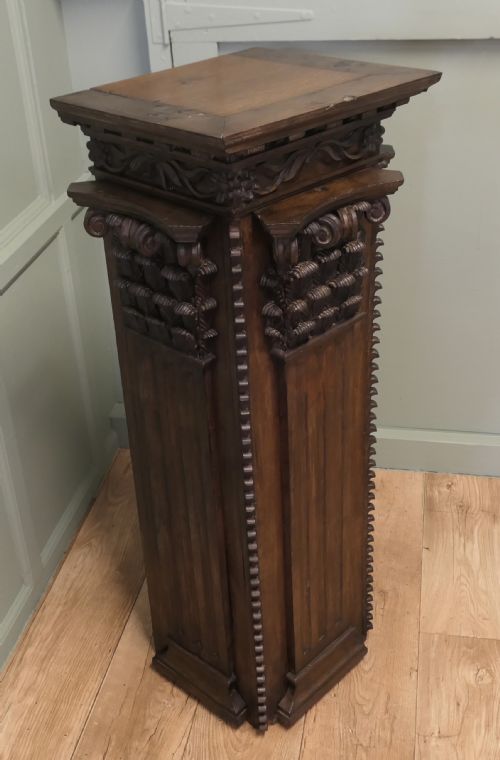
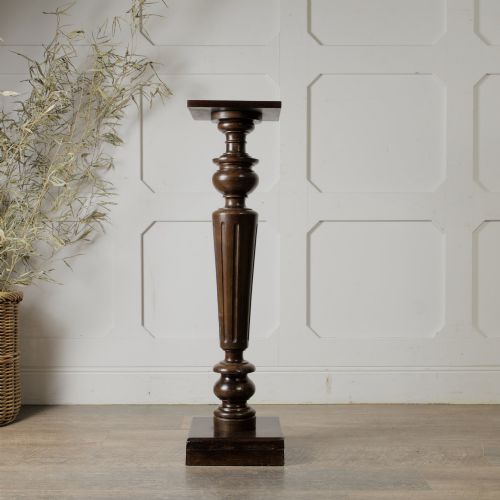
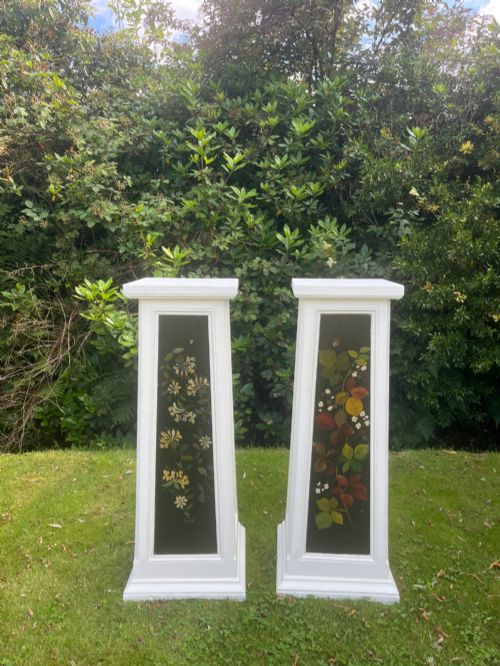
A wooden sculpture pedestal serves as a stable column, plinth, or torchiere designed to display artwork, figures, and busts at eye level. These pieces emerge across periods spanning the eighteenth, nineteenth, and early twentieth centuries, reflecting diverse European and Asian traditions. The selection includes solid mahogany columns, walnut spiral pillars, and painted display stands.
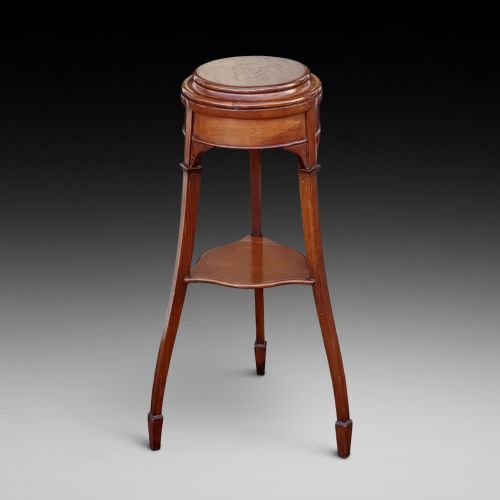
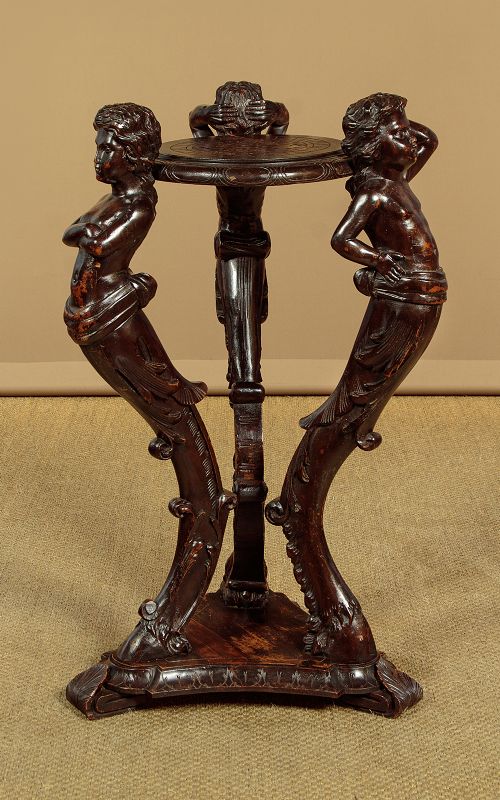
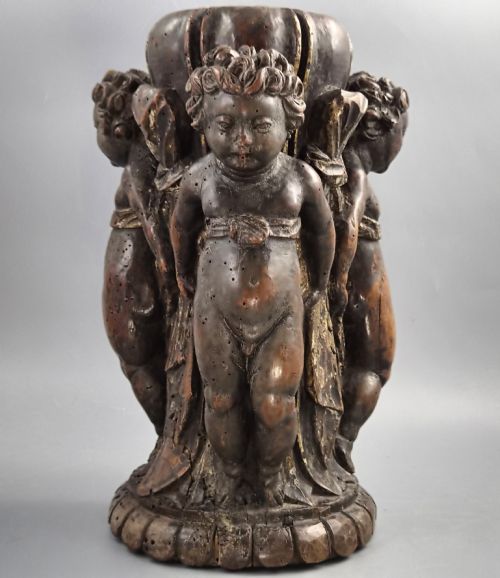
Makers and workshops across Italy, France, England, and Sweden shaped these supports in revival styles ranging from Baroque to Neoclassical and Empire. Buyers encounter cylindrical sculpture stands, triform bases, and figural supports featuring carved putti or animal forms. The forms vary from simple turned wooden plinths to elaborate polychrome and gilt columns.
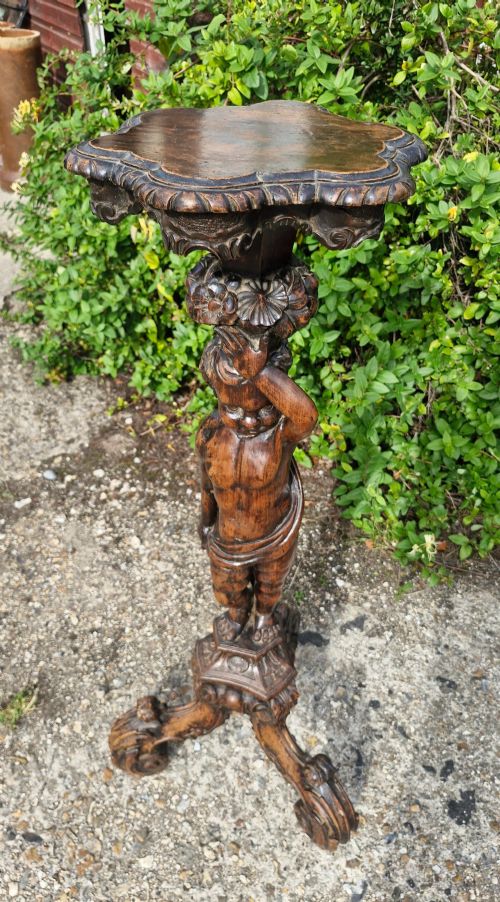
The objects combine practical display functions with ornamental sculpture, functioning as architectural elements within a room. Many pieces integrate figures directly into the stand, such as Blackamoor or Venetian figures carrying the platform. Others rely purely on carved wood, grain painting, or ebonised finishes to create vertical interest.
Materials and Techniques
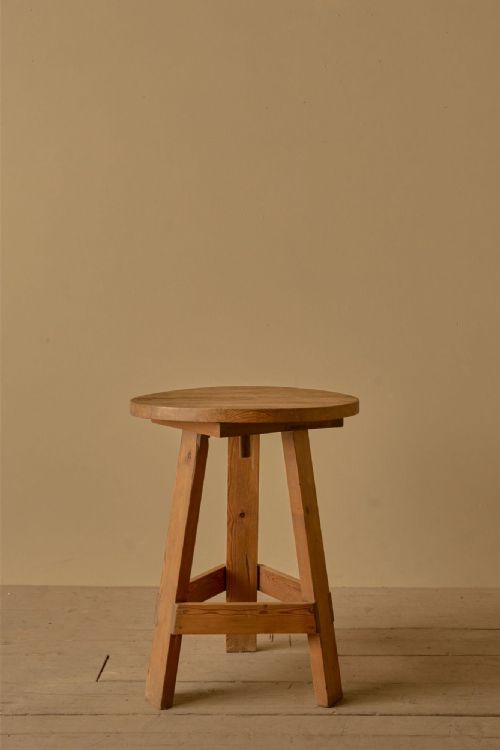
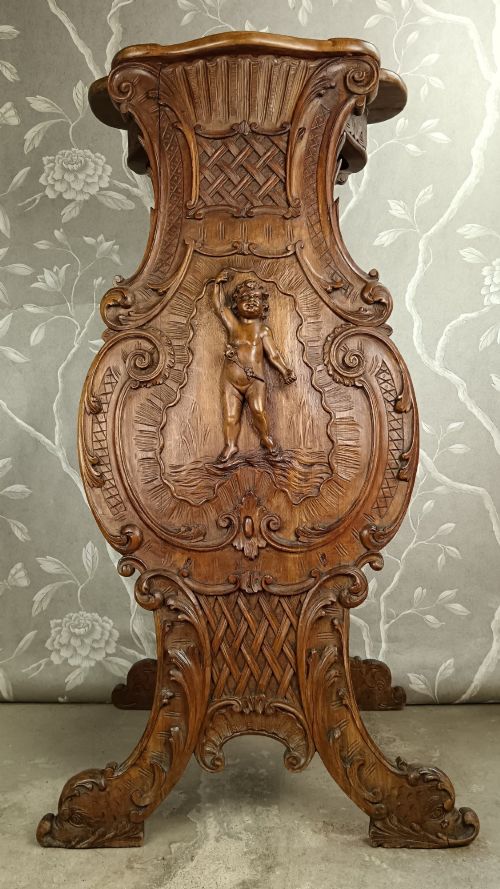
Constructed primarily from timber, these stands utilise oak, walnut, mahogany, satinwood, birch, and lime wood. Carpenters and carvers employed solid construction methods alongside turned and carved decorative elements. Spiral pillars, fluted columns, and solid plinths demonstrate traditional woodworking mastery.
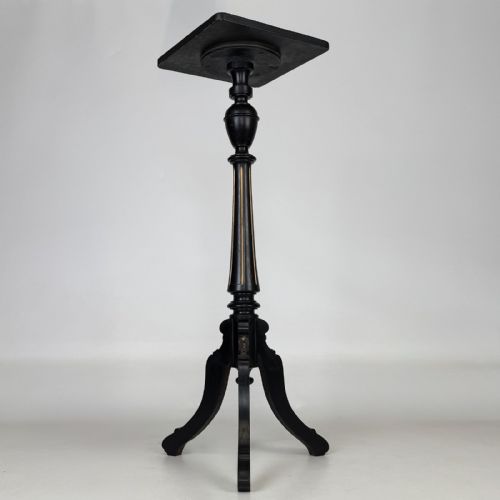
Surface treatments define many pieces, incorporating paint, gesso, gold leaf, lacquer, and polychrome finishes. Ebonised wood and grain-painted pine simulate exotic materials or provide stark monochrome contrast. Artisans applied original gilt polychrome and lacquered details to figural elements and columns alike.
Wooden Sculpture Pedestal Retail Price Guide 2026
Typical asking prices for wooden sculpture pedestal among the pieces listed under this phrase on Sellingantiques today, from the lower quarter to the upper quarter. They describe what is for sale here now, not the wider market.
Listings feature woods spanning oak, mahogany, walnut, amboyna, birch, and lime wood across multiple centuries.
Evaluating Execution
Depth of carving and sharpness of detail separate standard turnings from sculptural masterpieces. Pieces featuring figures, such as putti, elephants, or human forms, rely heavily on anatomical proportion and facial expression. The crispness of acanthus leaves and fluting indicates the carver's skill.
Integrity of surface finish dictates much of the visual impact. Original gilt polychrome, untouched lacquer, and aged wood patination hold greater aesthetic weight than later repainting. The choice of dense timbers like amboyna, macassar ebony, and figured walnut elevates the standing of the piece.
Valentino Besarel·Gillow and Co
The Wooden Sculpture Pedestal Glossary
- Solomonic
- A spiral twist column shape resembling a helix. This form creates dynamic movement and shadow along the vertical shaft of a stand.
- Torchiere
- A tall stand or ornamental candlestick originally designed to hold a light source. In this context, it functions as a display column for sculptures and busts.
- Gesso
- A plaster mix applied to wood surfaces as a base for painting or gilding. It provides a smooth ground for intricate detail work.
- Polychrome
- Decorated in multiple colours. This technique appears frequently on figural bases and decorative stands from Venetian and Asian traditions.
- Ebonised
- Wood finished to resemble ebony through staining or painting. This dark treatment achieves a formal, uniform appearance on pedestals and plinths.
Wooden Sculpture Pedestal: Frequently Asked Questions
What holds a wooden sculpture pedestal stable?
Massive timber bases, weighted triform structures, and wide column feet provide the physical grounding necessary for tall displays.
Heavier hardwoods like oak and walnut naturally add stability to the base while supporting top-heavy marble or wood sculptures.
Where should a torchiere stand be placed?
Corners and blank wall spaces benefit most from the vertical height of a torchiere or display column.
Placing the stand away from direct foot traffic protects delicate carvings and protruding figural elements from accidental bumps.
How do I identify a Victorian pedestal?
Victorian pieces often display revival styles like Renaissance or Baroque, utilising dense timbers, ebonised finishes, or faux marble.
Turned oak spiral pillars and amboyna woods are common indicators of nineteenth-century British cabinetmaking.
Can these stands support heavy art?
Solid mahogany, oak, and walnut columns easily bear the weight of heavy bronze or marble busts.
Checking the joining at the base and top platform ensures the internal structure remains sound for heavy displays.