



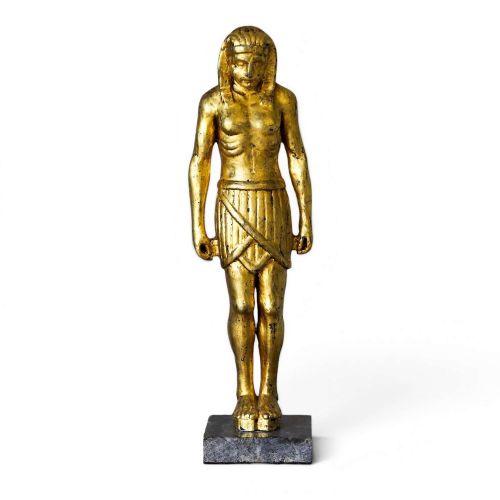
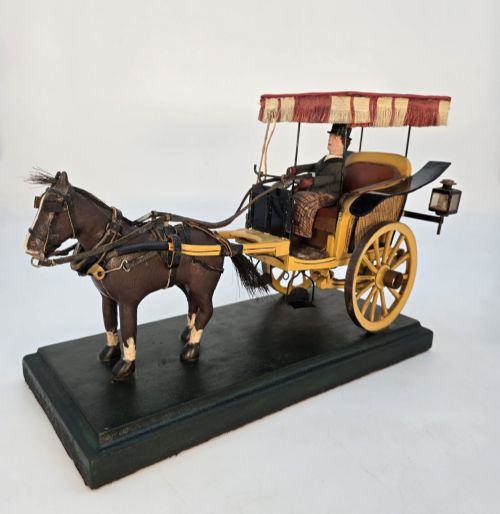
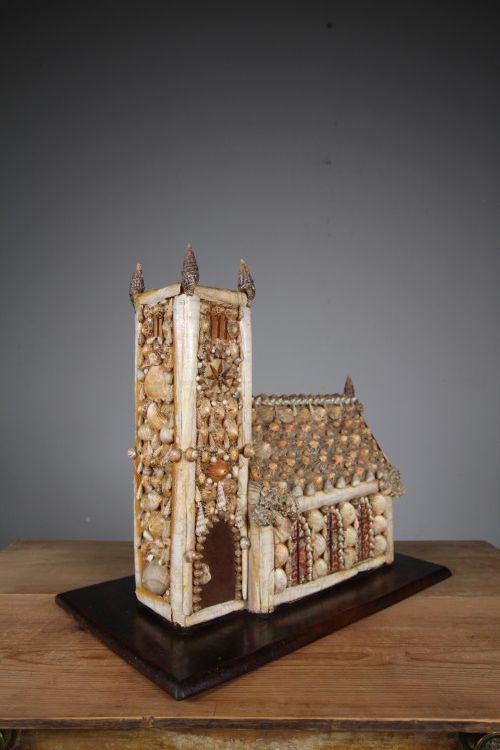


Wooden Sculpture Base
A wooden sculpture base elevates a piece, turning an object into a focal point through its material and proportion.
Wooden Sculpture Base
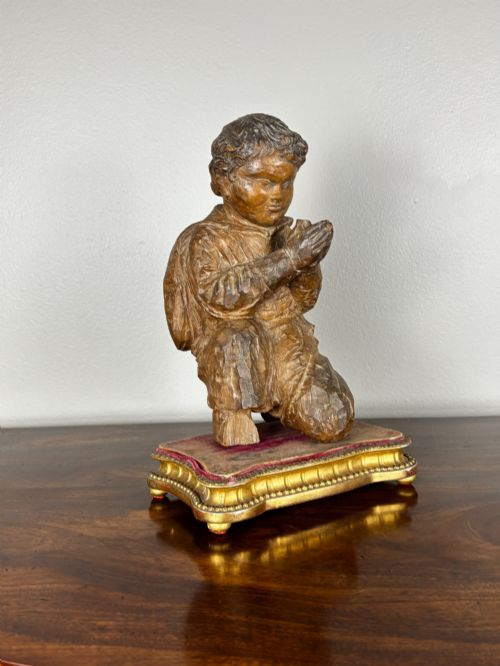
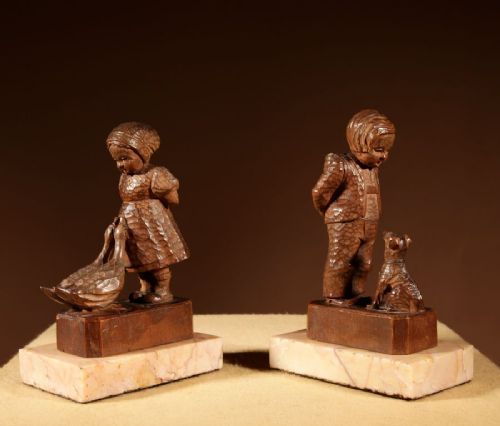
When searching for a wooden sculpture base, buyers encounter structural supports, pedestals, and display plinths designed to hold figures, models, and decorative items. These foundations often incorporate mixed elements, pairing timber with marble, metal, or painted surfaces to complement the artwork they carry.
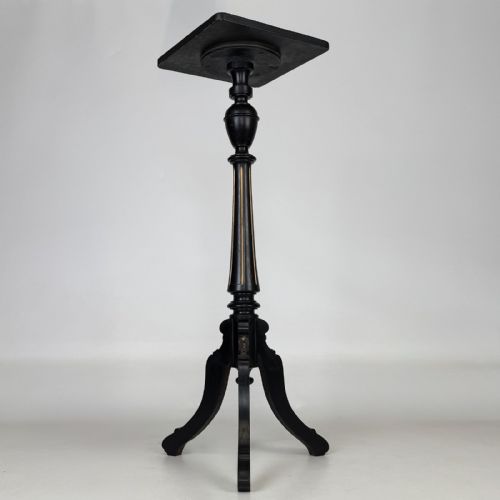
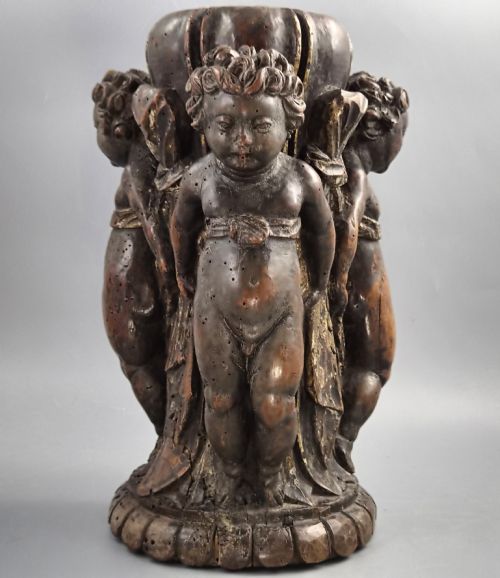
The selections span centuries, featuring 17th-century Baroque walnut columns alongside 19th-century Victorian plant stands and Art Deco timber mounts. Originating from diverse European and regional workshops, these supports accommodate everything from carved deities to modern animal figures.
How they were made
Joiners and carvers utilised solid timbers such as walnut, oak, mahogany, and boxwood, employing traditional hand tools to shape columns, brackets, and socle blocks. Surfaces received various finishes, ranging from ebonisation and gilding to simple wax polish or paint.
Many examples combine wood with contrasting materials like marble plinths, metal brackets, or granite foundations to add weight and stability. Craftspeople integrated carved detailing such as putti, fluting, and inlaid patterns directly into the structural grain.
Wooden Sculpture Base Retail Price Guide 2026
Typical asking prices for wooden sculpture base among the pieces listed under this phrase on Sellingantiques today, from the lower quarter to the upper quarter. They describe what is for sale here now, not the wider market.
Periods represented span from the 17th century through the Victorian era to 1930s Art Deco.
What varies in quality
The standard of a base depends on the harmony of its proportions and the skill evident in the carving of mouldings or decorative motifs. Superior examples display crisp detail in wooden foliage or figures, whereas simpler items rely purely on turning or basic joinery.
Integrity of construction and the retention of original surface patination distinguish finer items from later replacements. The choice of dense hardwoods and stable secondary materials ensures durability and longevity.
Eugene Emile Borga·Guido Cacciapuoti
The Wooden Sculpture Base Glossary
- Socle base
- A short plinth or pedestal supporting a sculpture, bust, or candlestick.
- Torchiere
- A tall stand or candlestick, often heavily carved, designed to hold a light source or figure.
- Ebonised
- Wood treated with a dark stain or finish to imitate ebony.
- Caryatid
- A carved architectural figure acting as a support in place of a column or pillar.
- Console table
- A bracketed table or stand fixed against a wall to display decorative objects.
Wooden Sculpture Base: Frequently Asked Questions
How do I choose the right size base?
Consider the weight and footprint of the sculpture you intend to mount. The supporting surface should provide adequate stability without overpowering the object placed upon it.
Measure the base of your sculpture carefully to ensure proper clearance and visual balance before selecting a display stand.
Can these bases support heavy marble?
Many historical pedestals and columns were engineered to bear substantial weight, incorporating dense hardwoods and internal bracing. It remains essential to verify the structural integrity of joints and the condition of the timber.
Heavier items require robust foundations such as oak or walnut to prevent tipping or sagging over time.
How should I clean antique wood?
Dust surfaces regularly with a soft, dry cloth to prevent the accumulation of grit in carved recesses. Avoid modern chemical sprays that can strip or soften aged finishes.
Applying a traditional beeswax polish occasionally helps nourish the timber and maintain a natural lustre.
How do I date a wooden base?
Examine the tool marks, joinery techniques, and timber species to determine the probable period of manufacture. Hand-sawn boards and pegged joints typically indicate older craftsmanship.
Compare the decorative style, such as Baroque carving or Art Deco geometric lines, with known historical design periods.