




Wooden Scandinavian Box
A wooden scandinavian box brings tactile folk art and painted history into a room, offering both practical storage and distinctive regional character.
Wooden Scandinavian Box
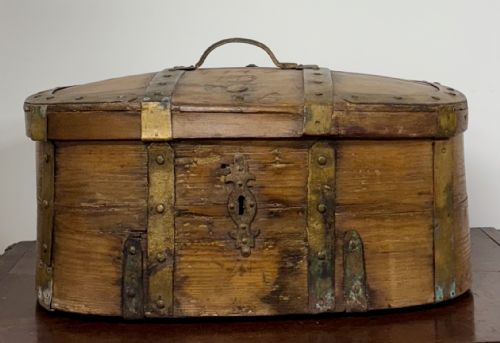
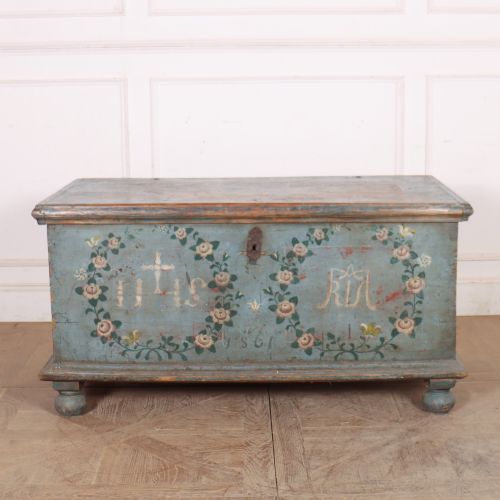
A wooden scandinavian box encompasses a range of utilitarian storage containers, from small hand-painted trinket boxes to large marriage chests and trunks originating primarily from Sweden and wider Scandinavia. These items emerge from various periods spanning the eighteenth through the early twentieth centuries, reflecting rural traditions and domestic life.
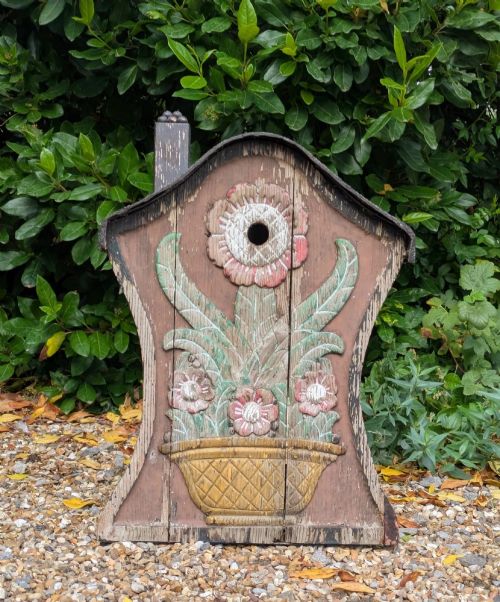
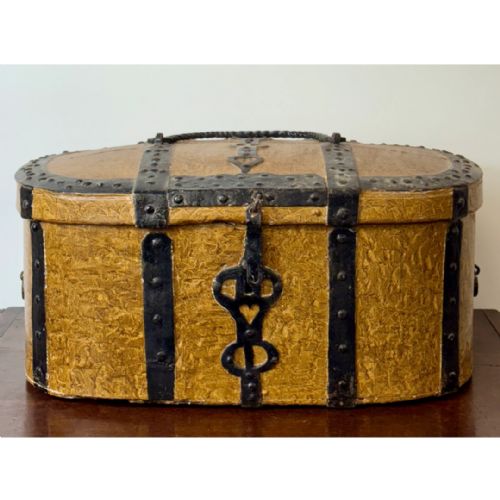
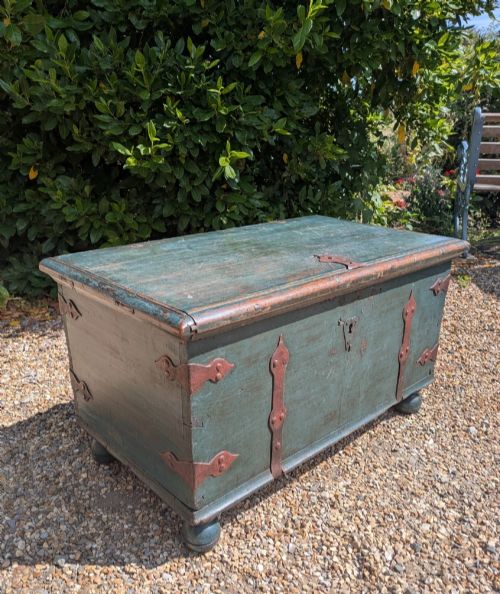
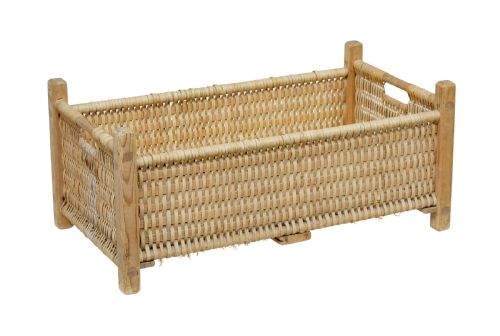
The selections encountered here most frequently include painted pine storage boxes, dome-top coffers, and strong boxes embellished with traditional folk art motifs. Alongside lidded boxes, the selection extends to related utilitarian forms such as marriage chests, dough bins, benches, and woven pine baskets created for everyday household use.
How They Were Made
Constructed predominantly from local pine and occasionally oak or burr birch, these pieces rely on straightforward timber carpentry joined with dovetails or pegged joints. Hand-forged iron strapwork and brass fittings provide structural reinforcement and secure closures for strong boxes and heavy trunks.
Surfaces are often finished with layers of paint, utilising regional palettes that range from muted greens and dark tones to decorative folk artistry. Hand-woven pine construction also appears in baskets, demonstrating traditional tactile craftsmanship alongside rigid timber assembly.
A nineteenth-century doctors bag joins the collection alongside traditional marriage chests and dough bins.
What Varies in Quality
The distinction between ordinary utility items and exceptional pieces rests upon the survival and originality of the painted surface. Authentic folk art decoration applied with deliberate skill elevates a simple pine box into a collector's piece.
Structural integrity combined with original ironwork, such as hand-forged strapwork and hinges, marks superior examples. Pieces retaining their early patination and untouched historic surfaces command greater interest than those with modern intervention.
The Wooden Scandinavian Box Glossary
- Marriage chest
- A large storage box traditionally commissioned or decorated to mark a wedding, frequently inscribed with dates or initials. These chests served as central repositories for a bride's dowry textiles.
- Strong box
- A heavily reinforced wooden container fitted with robust iron strapwork or locks for securing valuables. They combine sturdy timber construction with protective metal hardware.
- Cofer
- A large arched or dome-top chest used for travel or heavy storage. The curved lid efficiently shed dust and allowed runoff.
- Folk art
- Decorative and utilitarian items produced within a traditional community culture, often reflecting regional aesthetics rather than academic styles. These objects use accessible local materials like pine and wrought iron.
- Gustavian
- The Swedish interpretation of neoclassical style, characterised by lighter proportions and restrained painted finishes. Named after King Gustav III, it contrasts with heavier folk art traditions.
Wooden Scandinavian Box: Frequently Asked Questions
What is a marriage chest?
A marriage chest is a large wooden trunk created to hold household linens and valuables as part of a bride's dowry.
These pieces often feature painted details, initials, and dates commemorating the wedding union.
How were strong boxes used?
Strong boxes served as secure containers for money, documents, and precious items within the home or workplace.
They rely on thick timber walls reinforced with hand-forged iron strapwork to deter theft and withstand heavy daily use.
How do I identify folk art boxes?
Folk art boxes are identified by hand-painted decorative motifs, distinctive regional colour palettes, and traditional rural craftsmanship.
They display individual maker expressions rather than uniform factory output.
What wood was used?
Pine is the predominant timber found in these Scandinavian containers, selected for its local availability and workability.
Occasionally, oak, burr birch, and metal elements such as wrought iron and brass appear in the construction and hardware.
How do I care for painted wood?
Painted wooden boxes require stable indoor humidity away from direct sunlight to preserve historic pigments and prevent timber splitting.
Gentle dusting with a dry cloth maintains the surface without disturbing the original patination.