




Wooden Revolving Stand
A wooden revolving stand brings smooth rotation to books, meals, and hall storage through centuries of clever carpentry.
Wooden Revolving Stand
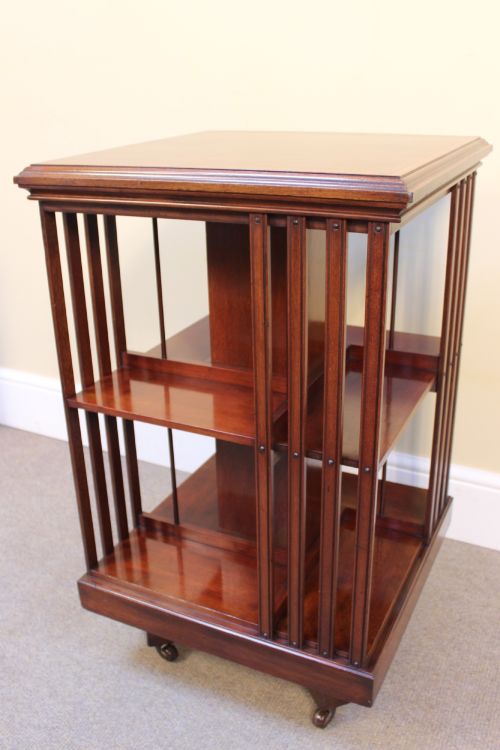
A wooden revolving stand functions as a rotating platform for books, dining service, or garments, designed to bring items within reach without shifting position. When searching for a wooden revolving stand, buyers encounter a diverse selection spanning multiple centuries and practical forms.
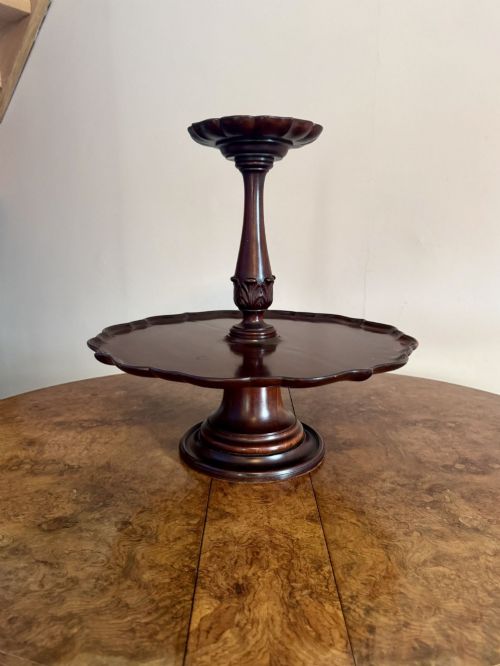
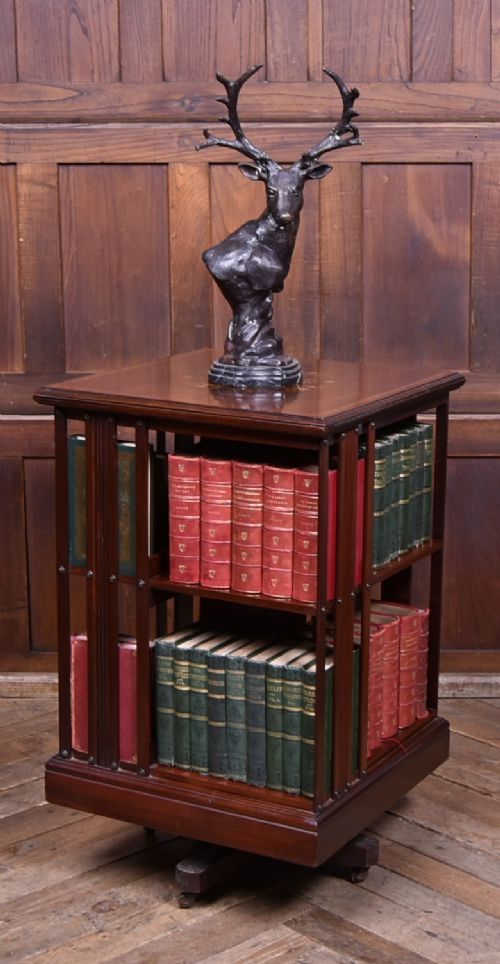
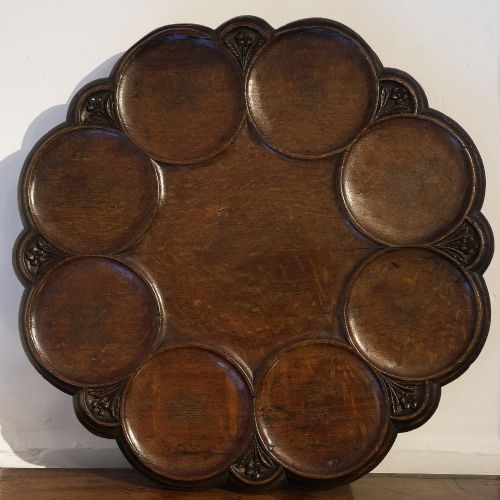
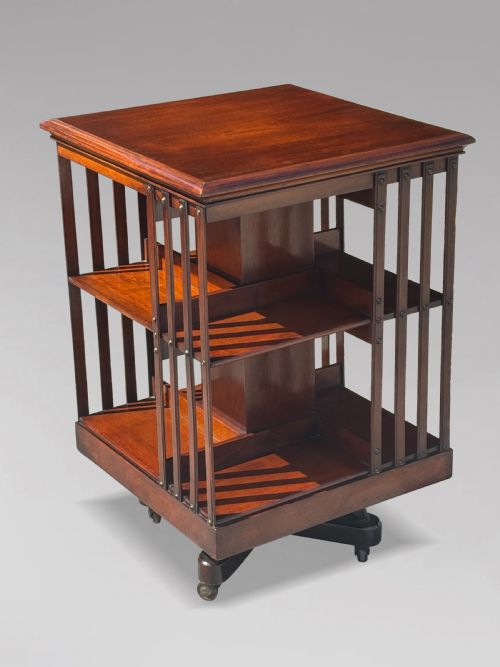
The inventory on this page centres heavily on revolving bookcases from the Edwardian and Victorian periods, alongside earlier Georgian lazy susans and dumb waiters. Table-top formats and freestanding tall furniture dominate the selection, utilising timber movement to serve domestic life.
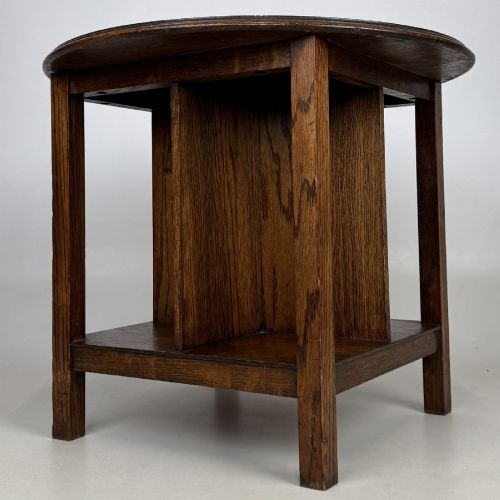
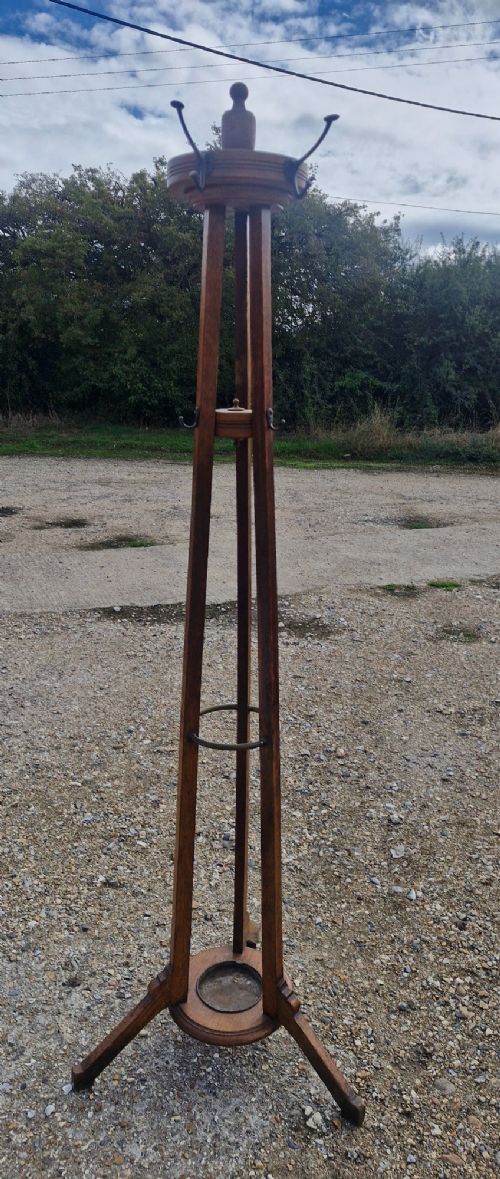
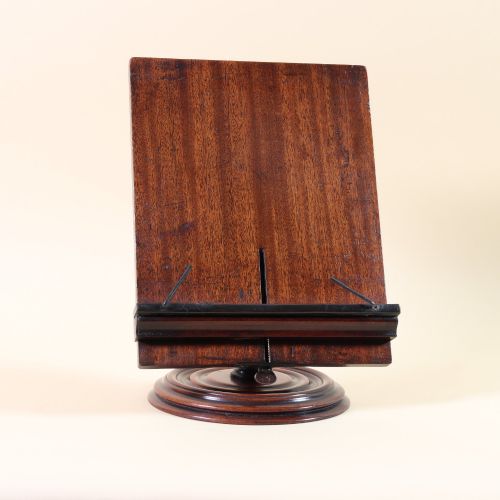
Makers adapted the mechanism for specific rooms, creating desktop book rests, coat stands for hallways, and dining table centerpieces. Oak and mahogany appear most frequently, shaped into single or multi-tiered structures designed for constant daily use.
Materials and construction
Cabinet makers relied predominantly on mahogany and oak, often selecting dense hardwoods capable of supporting heavy volumes and rotating loads. Walnut also appears in Edwardian examples, offering rich grain patterns across flat surfaces and tiers.
Internal mechanisms combined durable woods with metal and brass components to ensure smooth, silent rotation beneath heavy loads. Inlaid satinwood, bentwood techniques, and turned uprights provided decorative refinement without compromising the structural integrity of the revolving action.
Wooden Revolving Stand Retail Price Guide 2026
Typical asking prices for wooden revolving stand among the pieces listed under this phrase on Sellingantiques today, from the lower quarter to the upper quarter. They describe what is for sale here now, not the wider market.
A revolving egg cup stand proves that even breakfast condiments benefited from Victorian ingenuity.
Assessing craftsmanship and execution
Quality rests in the smoothness of the concealed bearing mechanism and how securely the tiers remain balanced during rotation. Superior examples maintain a steady, level spin without wobbling, regardless of whether the piece holds heavy folio volumes or dining dishes.
Finer pieces display thoughtful timber selection, such as matched mahogany veneers or carefully figured oak grain, joined with tight corner construction. Subtle details like fine inlay work or steam-bent curves separate standard utilitarian pieces from exceptional cabinet making.
Thonet
The Wooden Revolving Stand Glossary
- Lazy Susan
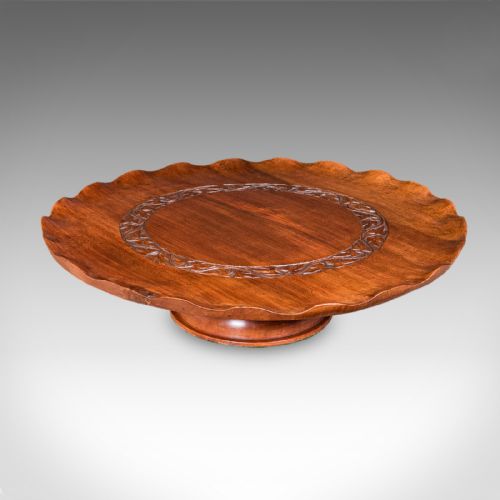
- A revolving tray placed on a table to assist in moving food easily between diners. These take round wooden forms in Georgian and later eras.
- Dumb Waiter
- A tiered stand used in dining rooms to hold dishes and silverware without requiring servant attendance. Georgian examples often feature graduated circular tiers.
- Bentwood
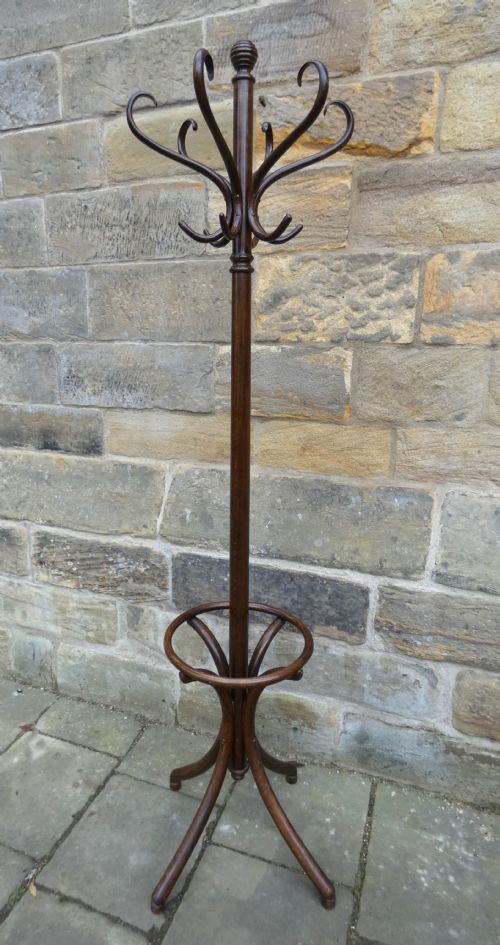
- Wood heated by steam and bent into curved shapes, utilised extensively by makers like Thonet for revolving hall stands. This technique creates strong, lightweight frames.
- Canterbury
- A partitioned stand originally designed for holding sheet music or books near a seat. Pieces of this type incorporate dividers to keep volumes upright.
- Treen
- Small domestic wooden objects made by turning or carving. This category includes items such as revolving egg cup stands.
Wooden Revolving Stand: Frequently Asked Questions
What is a wooden revolving stand used for?
These stands serve multiple domestic purposes, from holding reference books beside a desk to sharing dishes across a dining table.
Taller versions manage coats and hats in hallways, while smaller table-top formats keep condiments or writing accessories easily accessible.
How do I date a revolving wooden bookcase?
Dating relies on observing the timber choice, decorative styles, and construction methods visible across different eras. Edwardian pieces often feature inlaid satinwood and lighter frames, while Victorian and Georgian items display heavier mahogany or oak timbers.
Hardware styles and the design of the internal rotating mechanism also provide clear clues to the period of manufacture.
Where should I place a revolving stand at home?
Compact desk-top stands fit neatly on library tables or sideboards to organise daily reading materials.
Larger multi-tiered bookcases work well beside armchairs or in corner spaces where 360-degree access makes selecting books straightforward.
How does a lazy susan differ from a dumb waiter?
A lazy susan sits flat upon a table surface to rotate dishes and condiments within reach of guests during meals.
A dumb waiter stands independently on the floor as a multi-tiered piece of furniture designed to hold serving plates and silverware beside the dining table.