




Wooden Pub Bar
These wooden pub bar pieces bring character and heritage straight to a room, offering genuine historical utility for daily use.
Wooden Pub Bar
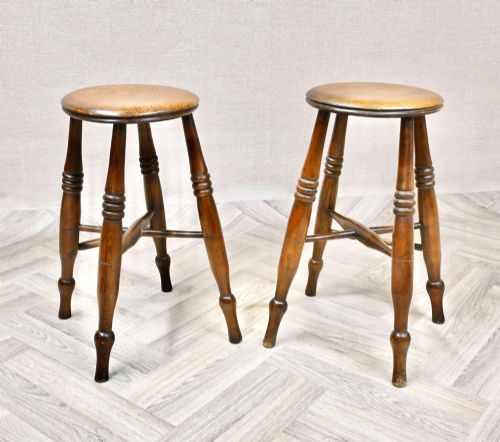
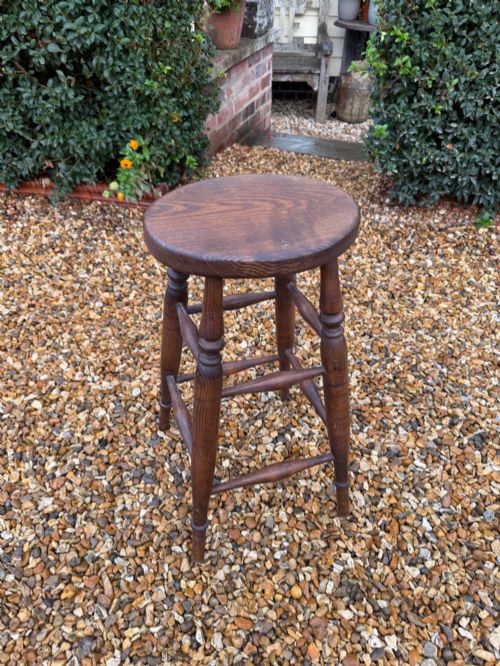
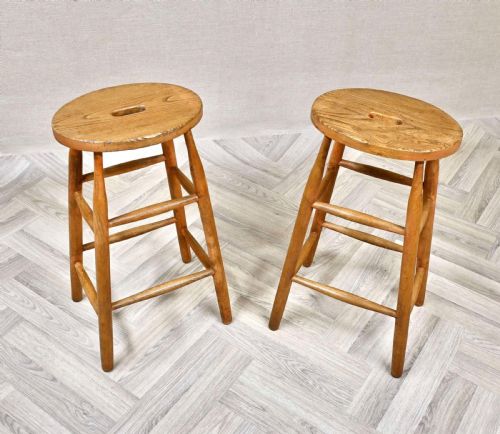
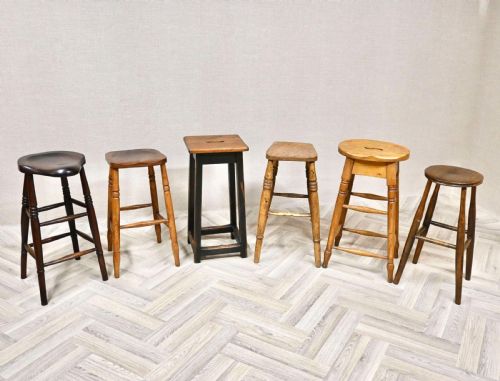
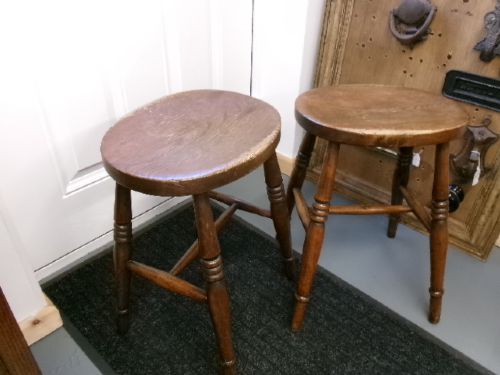
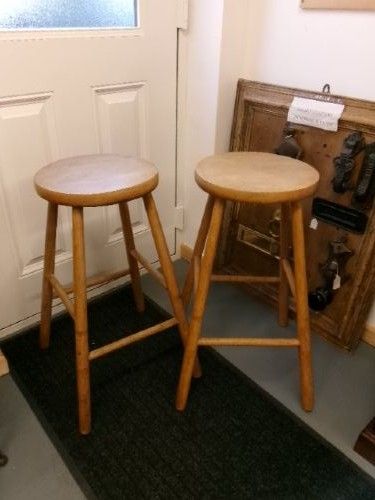
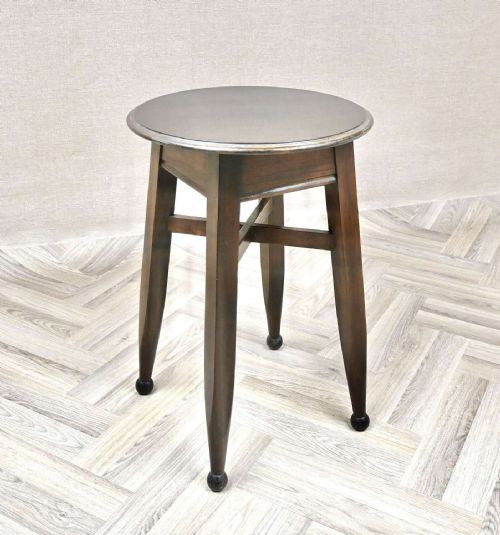
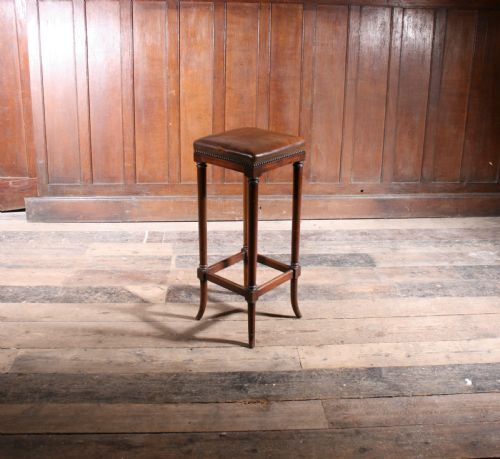
When you search for a wooden pub bar, you encounter an array of antique seating and furniture designed for commercial and domestic taverns. The selection includes tall bar stools, tavern stools, pub tables, and home bars spanning from the Victorian era through the early twentieth century.
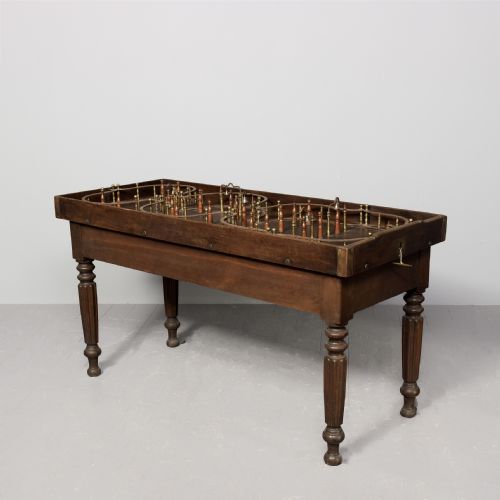
Originating predominantly from the nineteenth and early twentieth centuries, these items reflect the robust construction required for heavy public use. Victorian and Edwardian examples dominate the inventory, accompanied by specific period pieces like George IV games tables.
How they were made
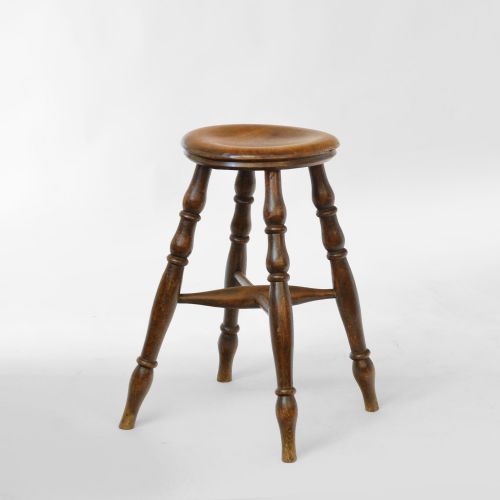
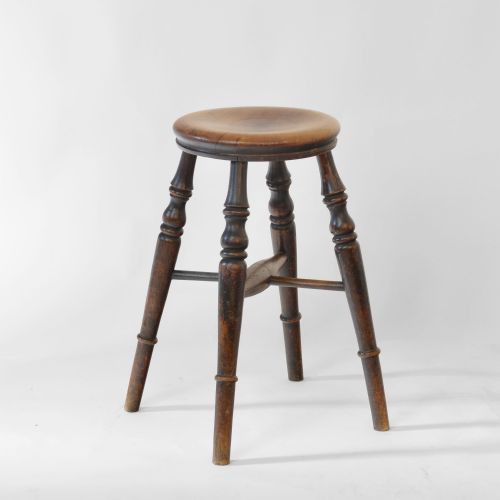
Craftsmen utilised solid hardwoods such as oak, elm, beech, and ash to withstand the rigorous daily demands of public houses and taverns. Turned legs and sturdy frames provide structural integrity, while dished or saddle-shaped wooden tops offer ergonomic comfort.
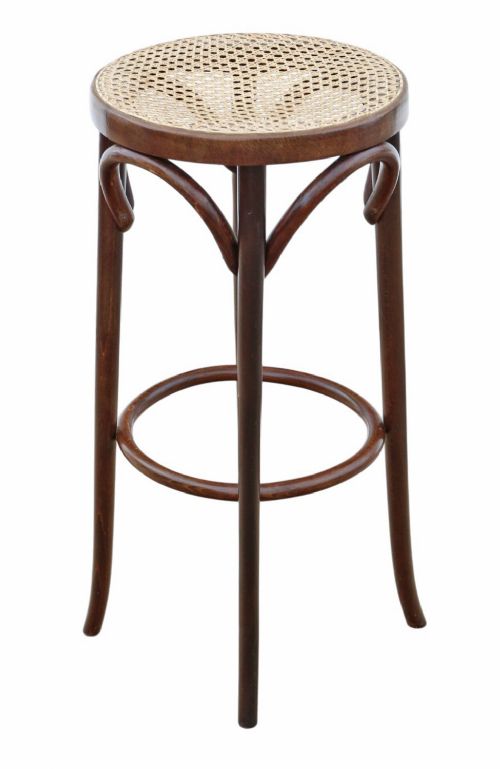
Techniques range from traditional joinery and turning used on nineteenth-century clerk and tavern stools to the steam-bending methods seen in bentwood bar stools. Selected pieces incorporate additional materials like leather upholstery or mahogany cabinetry to enhance their utility and appearance.
Wooden Pub Bar Retail Price Guide 2026
Typical asking prices for wooden pub bar among the pieces listed under this phrase on Sellingantiques today, from the lower quarter to the upper quarter. They describe what is for sale here now, not the wider market.
Listings span from the nineteenth century into the 1940s, featuring woods like elm, beech, oak, and sycamore.
What varies in quality
The calibre of a wooden pub bar piece rests on the selection of timber and the integrity of its original construction. Denser woods like oak and figured sycamore or elm exhibit superior durability and grain pattern depth compared to simpler utility timbers.
Proportion and execution of turning also dictate standing, where balanced heights, well-turned stretchers, and untouched patination distinguish utilitarian workshop seating from finer establishment furnishings.
The Wooden Pub Bar Glossary
- Dished top
- A wooden seat carved with a shallow depression to accommodate the sitter. This ergonomic shaping is commonly found on traditional tavern and bar stools.
- Bentwood
- Wood that has been rendered pliable by steam and then bent into curved forms. This technique created lightweight yet resilient frames for early twentieth-century stools.
- Clerk stool
- A tall stool historically used by clerks and writers standing at high desks. These pieces often feature turned beech or birchwood frames and sturdy footrests.
- Skittles game
- A traditional pub target game played with pins and a wooden ball. George IV examples reflect the recreational history associated with tavern interiors.
- Patina
- The surface sheen and colour acquired by wood through age, handling, and wear. It serves as a visual indicator of authenticity and historical depth.
Wooden Pub Bar: Frequently Asked Questions
How were tall pub stools used historically?
Tall pub stools provided seating for patrons at high tavern counters and raised tables.
Their robust design allowed them to endure heavy daily use in bustling public houses.
What woods are common in these pieces?
Carpenters utilised durable hardwoods like elm, beech, oak, and ash.
These timbers offered the strength necessary for commercial tavern environments.
How do I date a wooden bar stool?
Dating relies on examining construction methods, tool marks, and timber species.
Nineteenth-century examples often display hand-turned elements and distinct wear patterns.
Can I use these stools at a modern kitchen island?
Many antique tall stools suit modern counter heights depending on their exact dimensions.
Checking seat heights ensures compatibility with contemporary kitchen layouts.