

Wooden Plant Table
A wooden plant table raises greenery to the light, bringing structure and organic texture into a room.
Wooden Plant Table
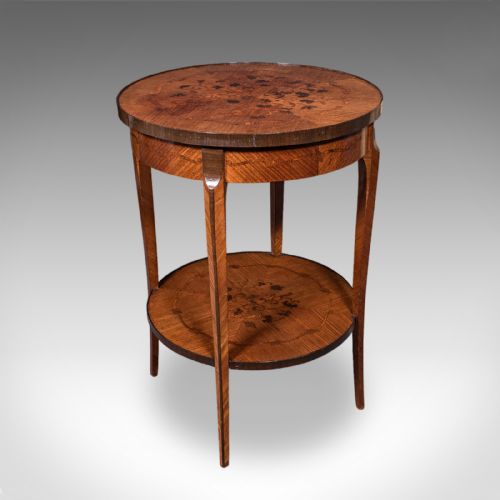
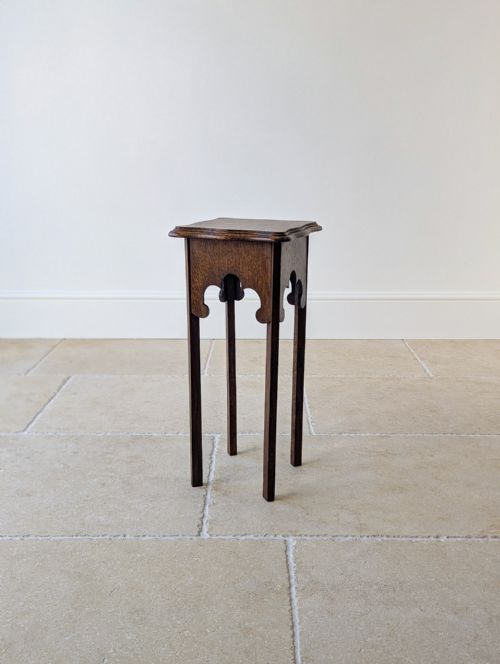
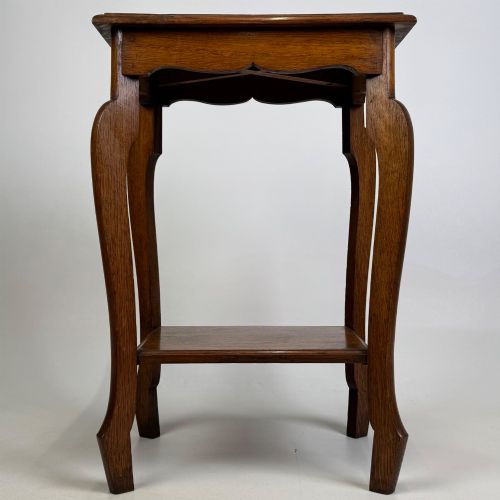
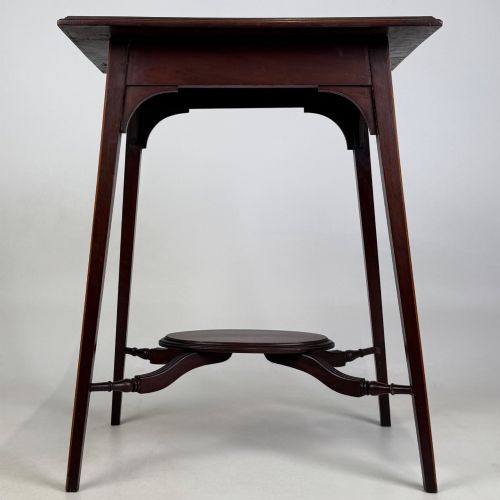
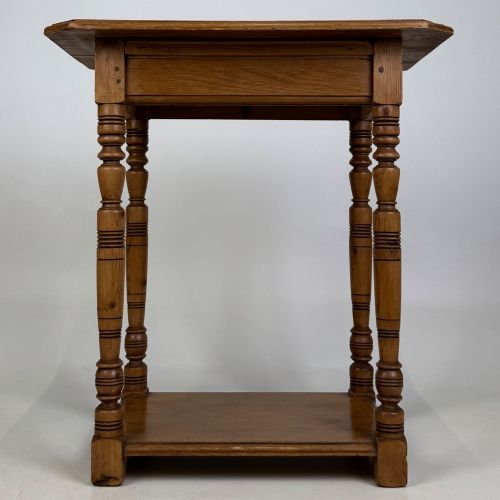
When you search for a wooden plant table, you encounter a varied selection of compact furnishings designed to display flora or serve as occasional surfaces. The forms span side tables, plant stands, pedestals, and jardiniere tables originating from the Georgian period through the Victorian, Edwardian, and early twentieth-century eras.
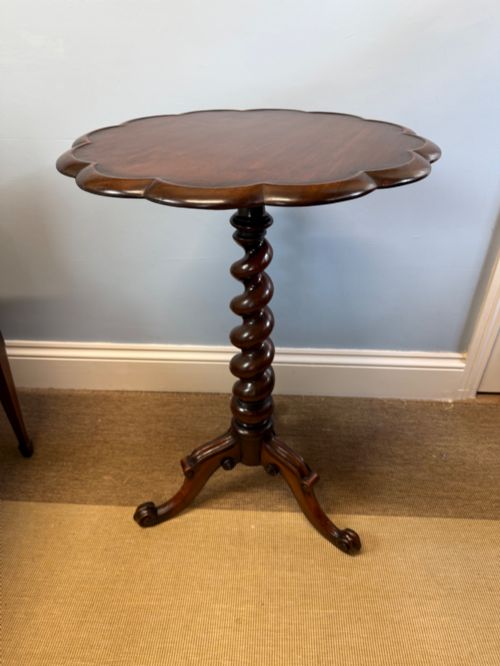
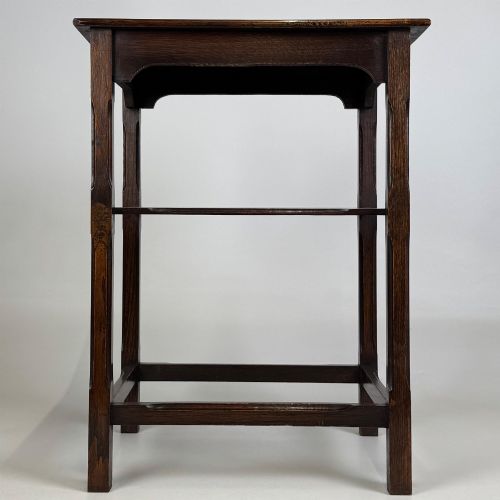
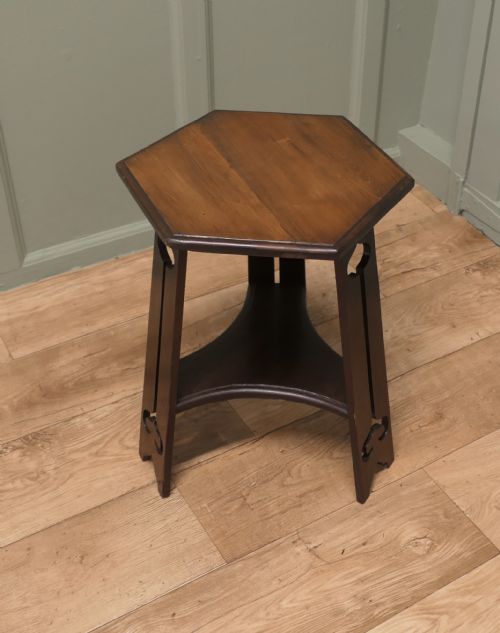
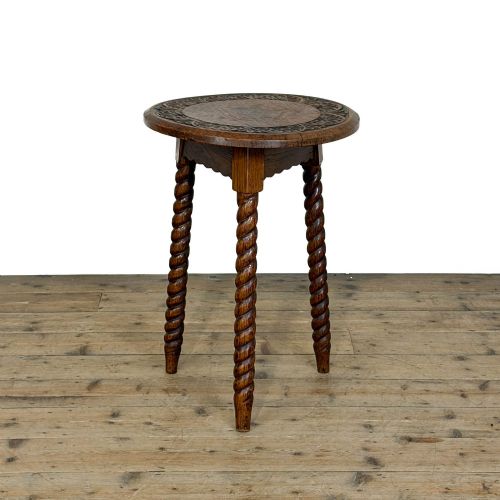
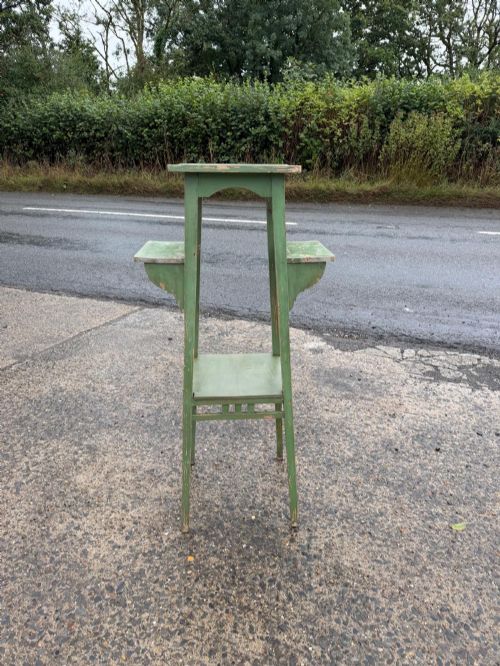
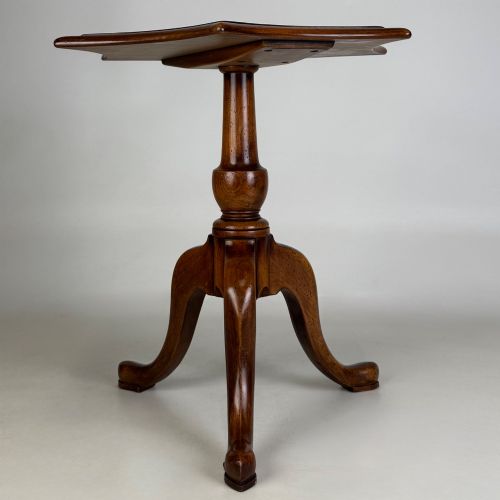
Edwardian and nineteenth-century examples dominate the selection, often taking the shape of octagonal plant stands, tripod tables, or two-tier stands. Makers utilised diverse regional traditions, resulting in pieces reflecting Arts and Crafts principles, Chinese traditional forms, and Anglo-Indian design alongside mainstream British cabinetmaking.
These items double as lamp tables, small side tables, and display surfaces for ceramics or decorative objects. Their compact footprints make them adaptable to corners, hallways, and living spaces where larger furniture does not fit.
Materials and Construction
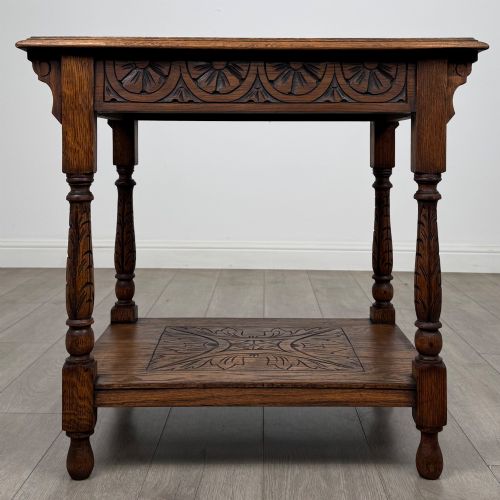
Cabinetmakers constructed these tables using timbers such as oak, mahogany, walnut, satinwood, and assorted hardwoods. Workshops employed solid construction methods, incorporating turned legs, barley twists, and jointed frames.
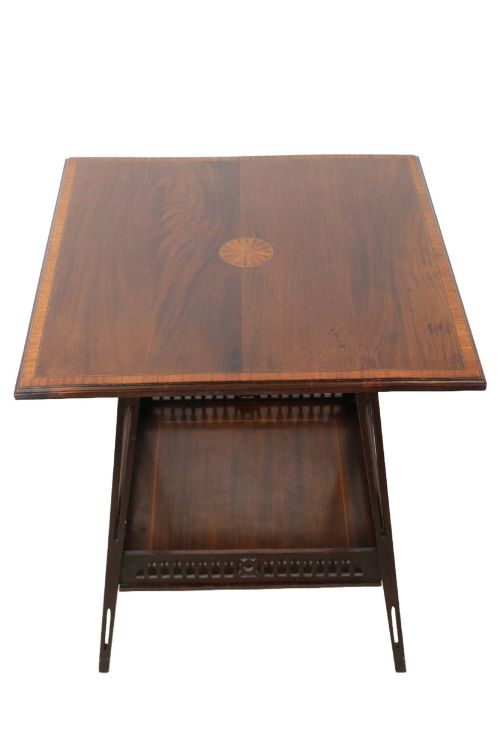
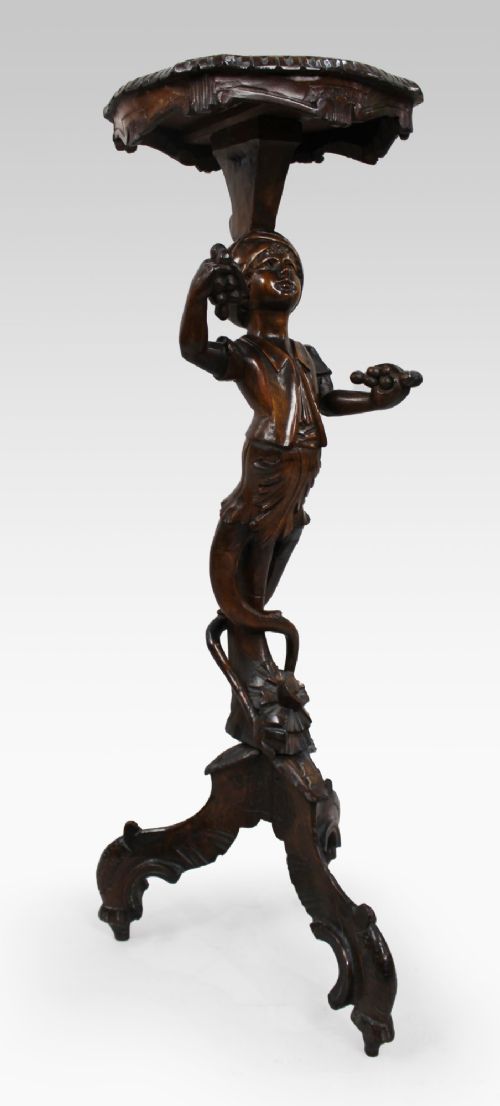
Decoration relied on contrasting techniques including chip carving, figural pedestals, inlaid veneers, and ebonised finishes. Some surfaces feature original paint or chequered inlay work associated with specific design movements.
Listings feature periods spanning from Georgian and Victorian times through the Edwardian era up to the 1930s.
Judging Quality
Quality rests in the selection of timber and the precision of the joinery rather than ornamentation alone. Dense grains, well-figured walnut or mahogany, and crisp execution of chip carving separate standard production from superior workshop output.
Proportion and stability define a successful piece. Tables with solid joints, balanced tripod or four-legged bases, and intact inlaid elements demonstrate the care invested by the original maker.
Trevor Page & Co·Liberty & Co·William Birch·Hindley and Sons
The Wooden Plant Table Glossary
- Jardiniere table
- A specialised stand featuring a built-in container or well designed to hold potted plants and flowers. These pieces often incorporate water-resistant linings or brass details.
- Cricket table
- A small, lightweight three-legged table traditionally built with a round wooden top. The tripod base ensures stability on uneven floors.
- Octagonal
- A geometric shape possessing eight sides and angles. This format appears frequently on tops of Arts and Crafts stands and Anglo-Indian occasional tables.
- Ebonised wood
- Timber treated with a chemical stain or black finish to imitate ebony. This technique gained popularity during the Victorian era for occasional furniture.
- Inlay
- A decorative technique where contrasting materials such as satinwood or lighter veneers are inserted into recessed portions of a wooden base. It defines much Edwardian cabinetwork.
Wooden Plant Table: Frequently Asked Questions
What is a wooden plant table?
A wooden plant table is a compact surface designed primarily to elevate plants off the floor. They appear in forms such as pedestals, jardiniere tables, and multi-tiered stands.
These pieces also function as lamp tables or occasional surfaces. Their varied heights accommodate trailing foliage or upright floral arrangements.
How do I identify an Edwardian plant stand?
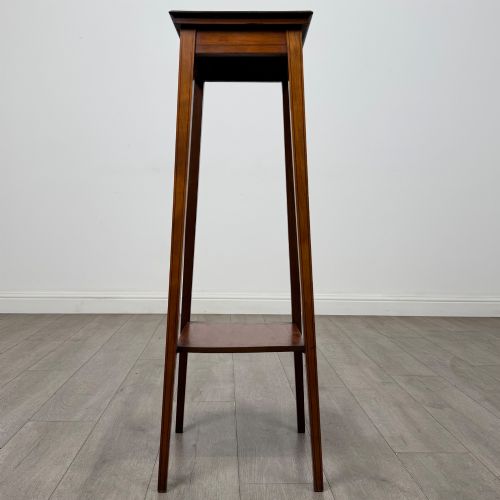
Edwardian plant stands typically date from the early twentieth century and often utilise oak or mahogany. They frequently incorporate inlaid satinwood, simple turned supports, or two-tier designs.
Arts and Crafts influences also appear in Edwardian examples through exposed joints and octagonal tops. The construction leans toward lighter forms compared to heavier Victorian counterparts.
Where should I place a plant table?
Plant tables suit corners, window spaces, or hallways where vertical height adds interest to a room. Their small footprints allow them to fit beside seating or beneath windows.
When positioning wooden stands, consider proximity to natural light for plants or protection from moisture if the surface lacks a liner. They work effectively as isolated display points.
What is the difference between a jardiniere table and a side table?
A jardiniere table incorporates a recessed tray or well intended to hold potted plants and damp soil. Standard side tables provide a flat, continuous surface for lamps or books.
Jardiniere tables often feature metal linings or deeper rims to contain moisture. Both forms share similar turned legs and structural timber frames from the nineteenth and twentieth centuries.