






Wooden Pill Boxes
These wooden pill boxes are tactile pocket containers from past centuries, offering collectors miniature works of turned timber and marquetry.
Wooden Pill Boxes
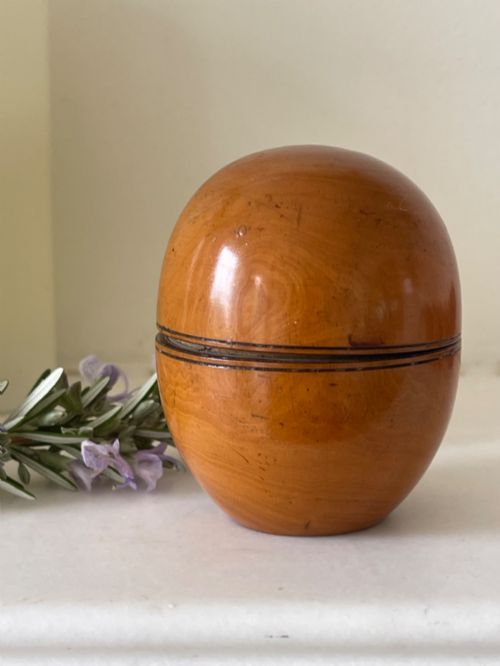
When you search for wooden pill boxes, you encounter small personal containers spanning the Georgian, Victorian, and nineteenth-century periods, often originating as snuff boxes or treen containers repurposed for medical use.
The pieces listed on this page include specimen wood items, Tunbridge Ware, and carved treen vessels made from boxwood, walnut, ebony, and laburnum.
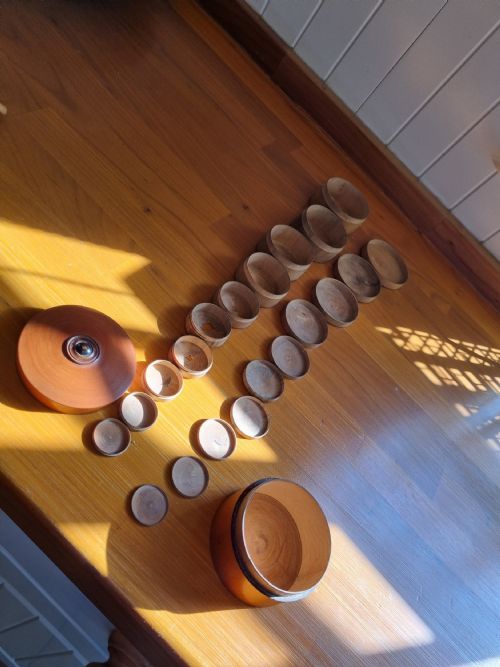
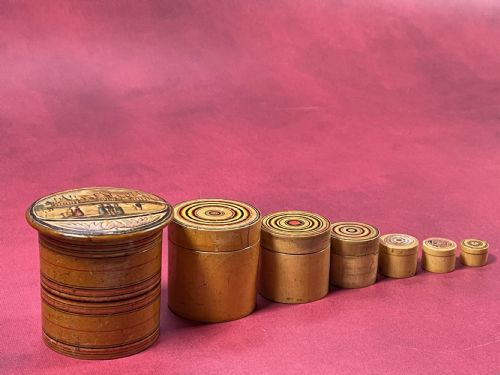
You find circular, oval, and rectangular forms, including engine-turned snuff boxes and nesting containers designed to hold multiple small portions.
How they were made
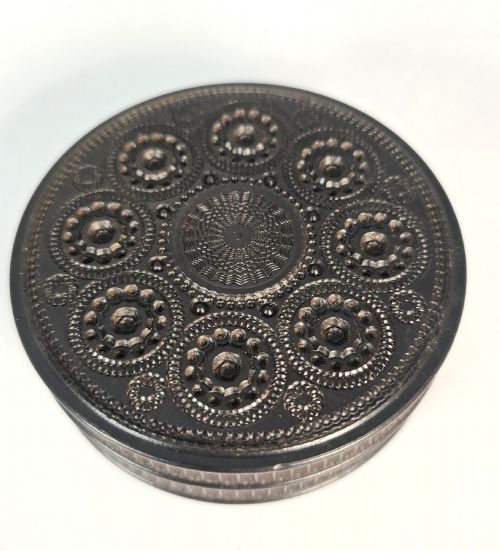
Maker's workshops utilised lathe work for engine-turned decoration on dense timbers like boxwood and ebony, creating precise geometric surface patterns.
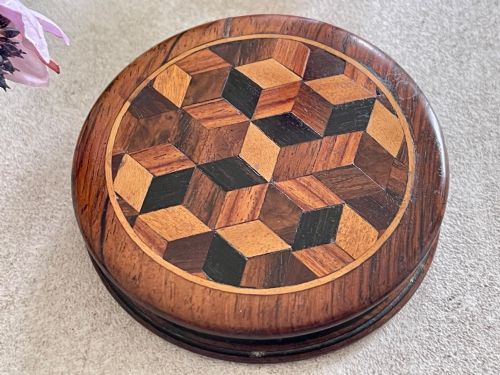
Inlaid pieces incorporate mixed wood veneers and specimen woods, alongside Tunbridge Ware and silver foil linings.
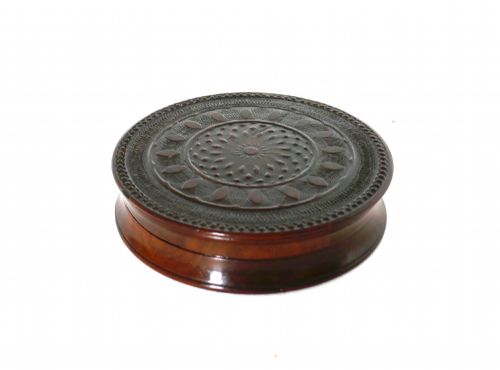
Carvers shaped hard woods and burr walnut by hand, producing relief decoration and fitted lids.
Wooden Pill Boxes Retail Price Guide 2026
Typical asking prices for wooden pill boxes among the pieces listed under this phrase on Sellingantiques today, from the lower quarter to the upper quarter. They describe what is for sale here now, not the wider market.
Periods represented include Georgian, eighteenth century, nineteenth century, and eighteen sixty.
What varies in quality
Quality rests in the crispness of the engine-turning and the complexity of the wood selection, such as contrasting specimen veneers or intricate Tunbridge Ware patterns.
Superior examples retain original linings like silver foil, and feature tightly fitted lids that close flush with the body.
The finesse of the hand-carved detail on hard wood or laburnum distinguishes ordinary utility containers from finer decorative pieces.
The Wooden Pill Boxes Glossary
- Treen
- Small handmade wooden domestic objects. These items display the utility and craftsmanship of past centuries through turned and carved vessels.
- Engine-turned
- Geometric patterns cut into wood using a lathe. This technique creates precise, repeating surface ornamentation.
- Tunbridge Ware
- Woodworking involving tiny mosaic tiles to form pictorial or geometric designs. This style originates from Tunbridge Wells.
- Specimen woods
- Various decorative timbers chosen for their contrasting natural colours and grain patterns. Makers combined these woods in inlaid surfaces.
- Boxwood
- A dense, pale hardwood favoured for detailed turning. It provides a smooth surface for intricate work.
Wooden Pill Boxes: Frequently Asked Questions
What were wooden pill boxes used for?
These small vessels served to carry personal doses of medicine, pills, or snuff discreetly in a pocket or waistcoat.
People of the eighteenth and nineteenth centuries relied on them for portable remedies before mass-produced packaging existed.
How do I date a wooden box?
Dating relies on timber choices, construction methods, and decorative styles typical of periods like the Georgian era or the nineteenth century.
Engine-turned decoration, specific veneer types, and historical labels or linings offer further clues to the decade of manufacture.
Are these boxes meant for holding pills today?
While historic containers can still hold small items, modern users typically display them as collections of miniature woodworking and treen.
Careful handling protects delicate hinges, fitted lids, and sensitive materials like silver foil linings from unnecessary wear.
What is Tunbridge Ware?
Tunbridge Ware refers to wooden items decorated with mosaic patterns built from thousands of tiny tinted wood squares.
This technique creates detailed pictorial scenes or geometric borders across the surface of boxes and stacking pots.