
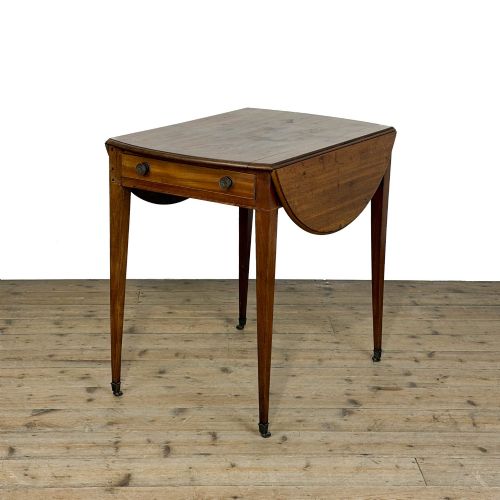
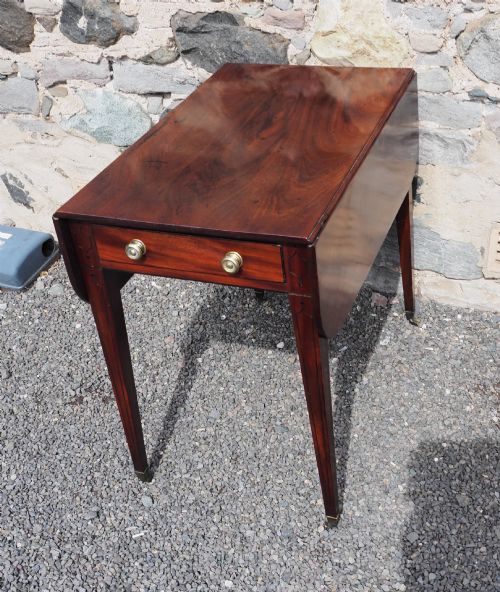
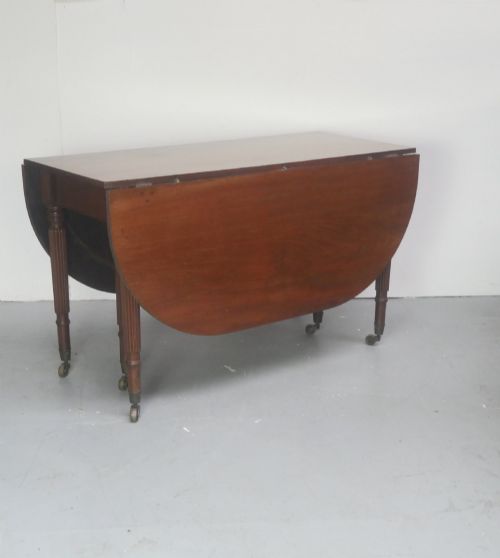
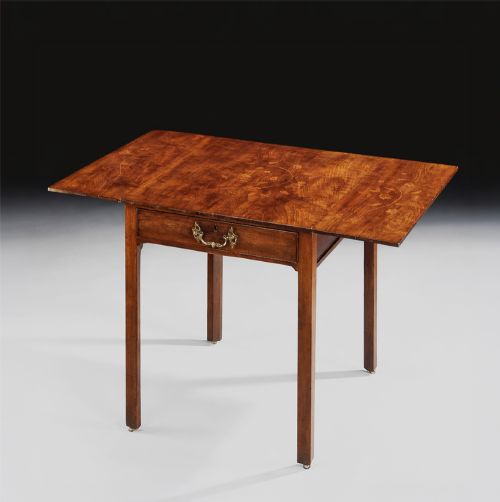

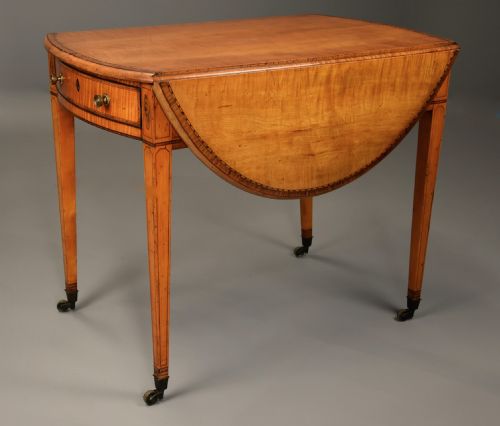
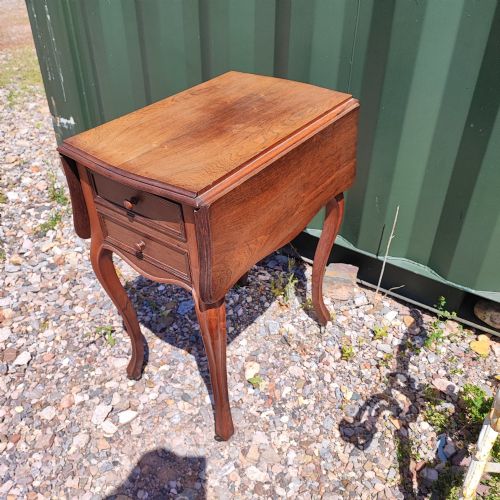
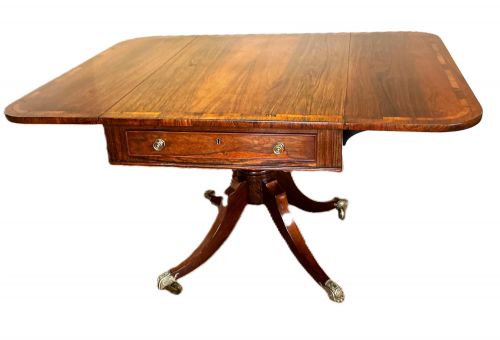
Wooden Pembroke Table
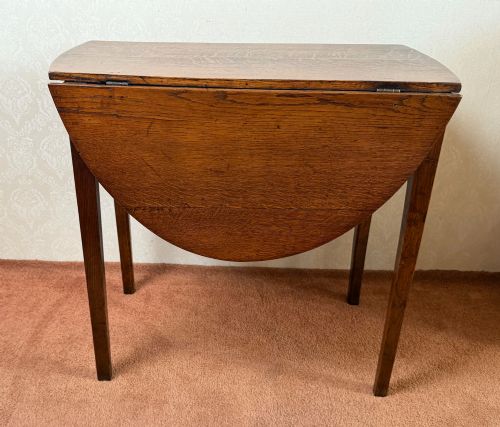
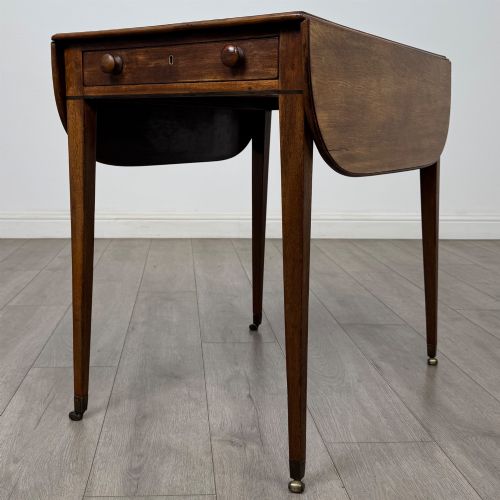
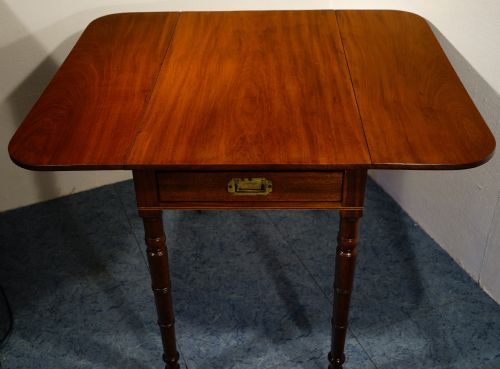
A wooden pembroke table is a versatile drop-leaf drop-flap surface designed for compact living spaces and flexible room layouts.
Wooden Pembroke Table
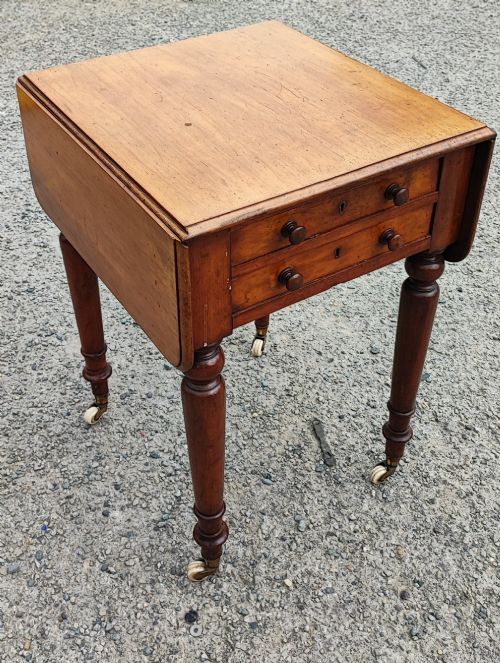
The selections on this page range from compact bedside and lamp tables to larger dining and work variants constructed from timber. Craftsmanship from these eras produced occasional and side tables suited to domestic interiors of varying scales.
Indicators of Excellence
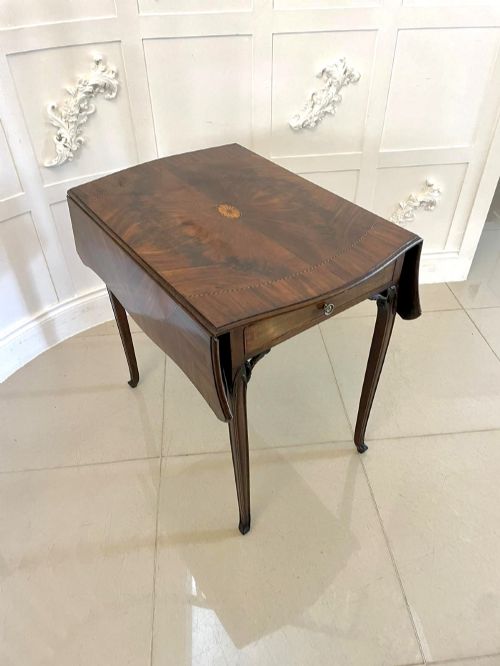
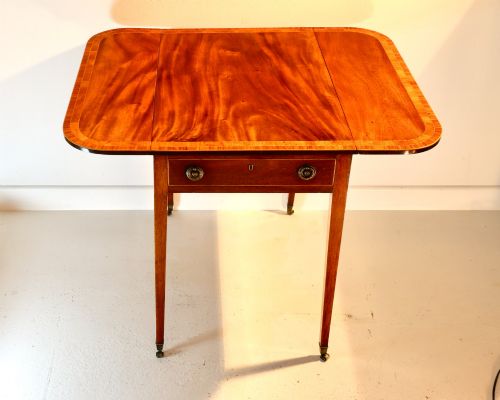
The distinction between standard domestic items and superior examples lies in the selection of figured timber veneers and the crispness of the inlaid wood detailing. Figured mahogany or satinwood displays natural grain patterns that elevate the visual depth of the surface.
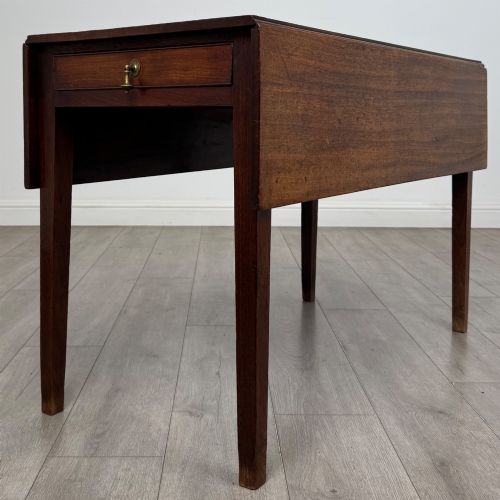
Superior construction is evident in the stability of the drop-leaf hinges, the smooth operation of the fitted silver or work drawers, and the retention of a fine natural patina on the timber.
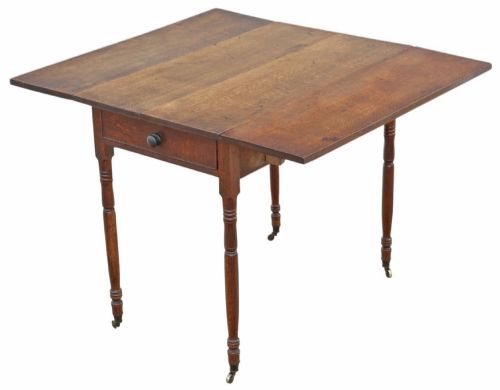
Listings feature woods including mahogany, rosewood, satinwood, oak, sycamore, harewood, and brass hardware across Georgian, Regency, and Victorian periods.
Johnstone and Jeanes
The Wooden Pembroke Table Glossary
- Pembroke table
- A small occasional table featuring two hinged flaps on opposite sides that can be raised or lowered. This drop-leaf design maximises floor space in smaller rooms.
- Drop-leaf table
- A table with a fixed central section and hinged flaps that fold down. Brackets or swing legs support the flaps when raised.
- Inlay
- A technique where pieces of contrasting wood, such as satinwood or harewood, are inserted into recessed cavities to form decorative patterns on the surface.
- Marquetry
- Elaborate veneer work forming pictorial or geometric designs using various coloured woods. It distinguishes finer Georgian and Sheraton pieces.
- Patina
- The surface sheen and mellowing of colour developed by wood over centuries of handling and exposure to light. It serves as an indicator of age and careful preservation.
Wooden Pembroke Table: Frequently Asked Questions
How were wooden pembroke tables used?
These drop-leaf surfaces served multiple functions in period homes, acting as breakfast tables, writing desks, or occasional side furniture. Their folding flaps allowed them to sit compactly against a wall when not in use.
When guests arrived or specific tasks required extra space, the leaves lifted to create an expanded surface area. Fitted drawers often stored writing materials, silver, or sewing equipment.
How do I identify a Georgian pembroke table?
Georgian examples often display characteristic period styling such as tapering square legs, spade feet, and delicate stringing or wood inlay. The proportion tends to be lighter and more refined than later Victorian iterations.
Construction details like hand-cut dovetails inside the drawer boxes and timber selection, such as early mahogany or satinwood, help confirm the eighteenth-century origin.
Can I use a pembroke table for dining?
Certain larger Georgian and Regency variants were built specifically as Pembroke dining tables, offering adequate clearance and stability when both flaps are raised. Smaller work tables and bedside versions lack the necessary legroom for comfortable dining.
Checking the dimensions and the robust nature of the flap supports will determine whether a specific piece suits daily dining use.
What is the difference between work tables and side tables?
Pembroke work tables usually incorporate a fabric bag or a deeper fitted compartment beneath the drawer for sewing and needlework supplies. They date predominantly to the Victorian period.
Side tables and lamp tables omit the under-tier basket, focusing purely on a clean surface top and a shallow storage drawer for general household items.