

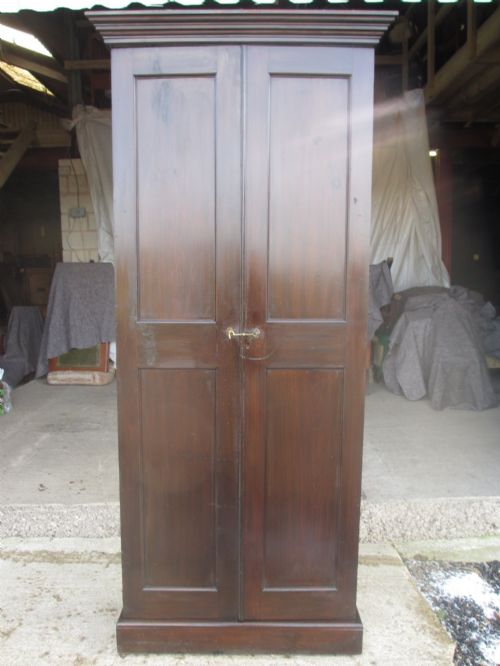
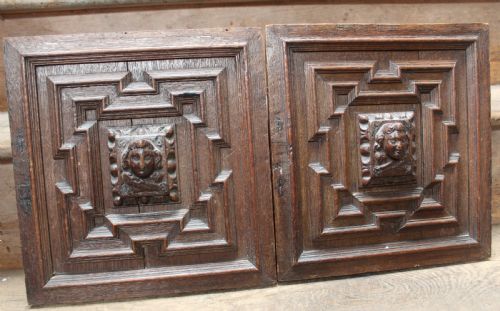
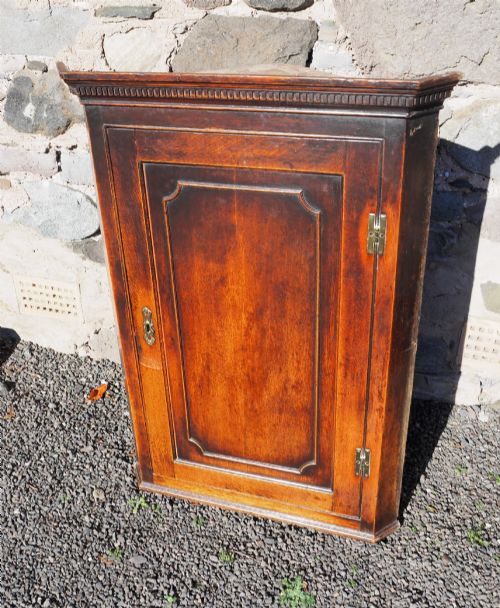
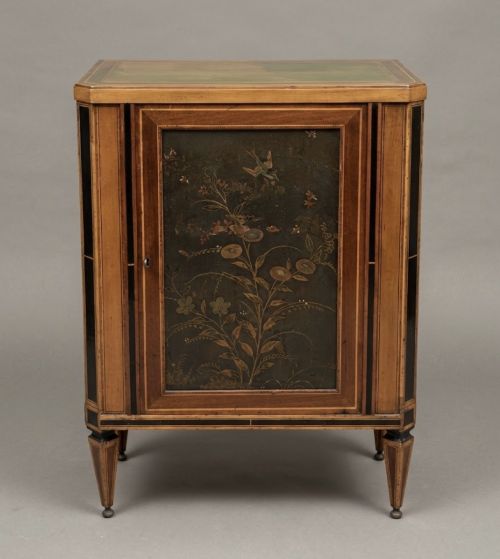
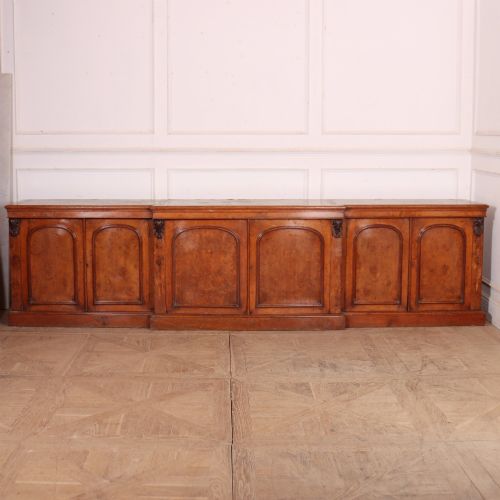
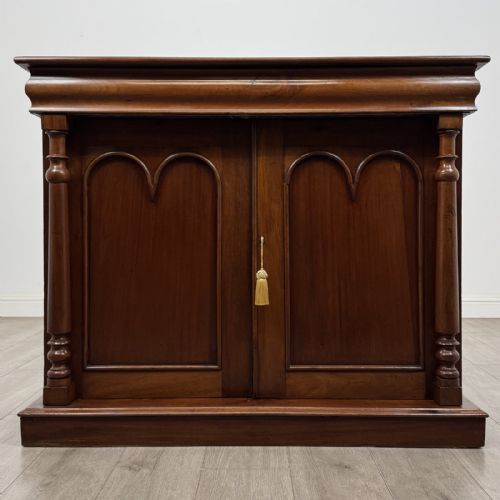
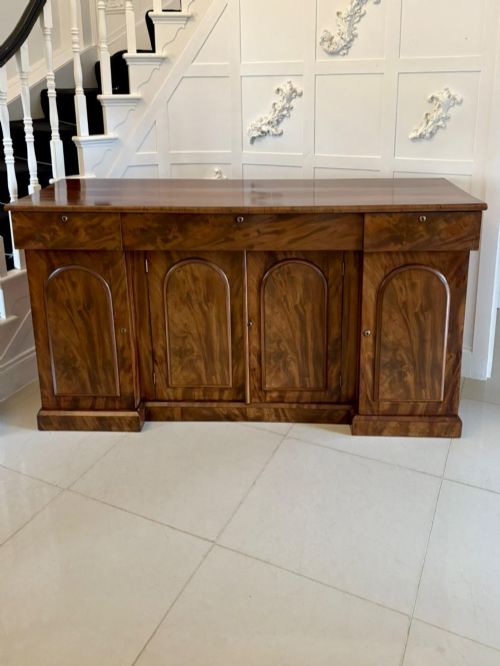
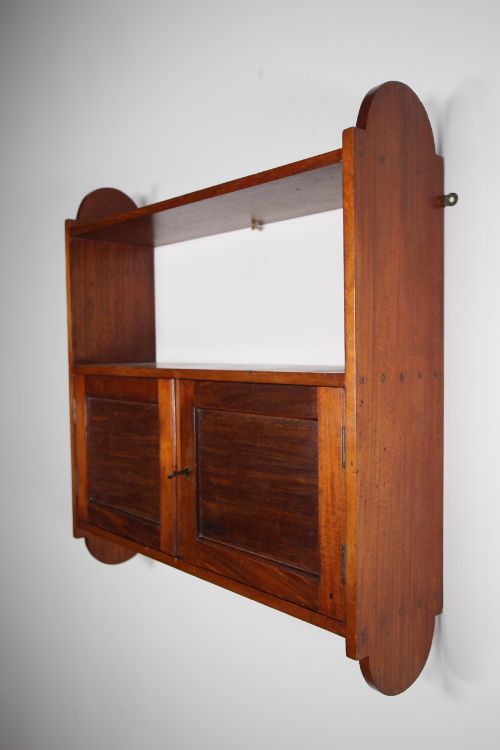
Wooden Panelled Door
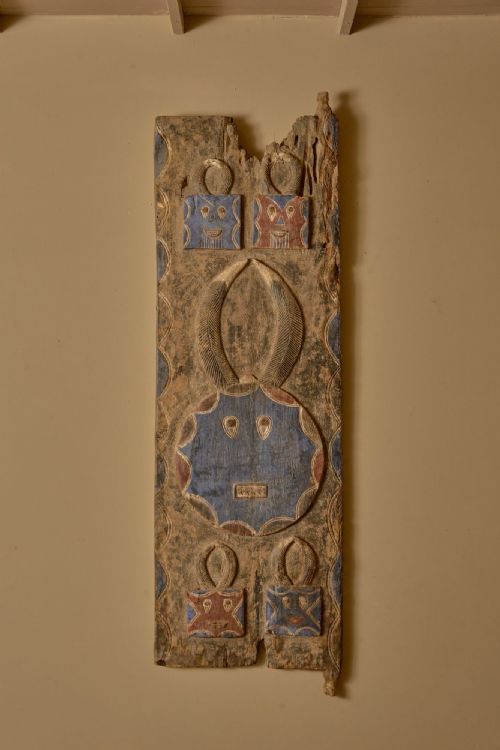
A wooden panelled door provides architectural depth and structural integrity, prized for period character and solid timber construction.
Wooden Panelled Door
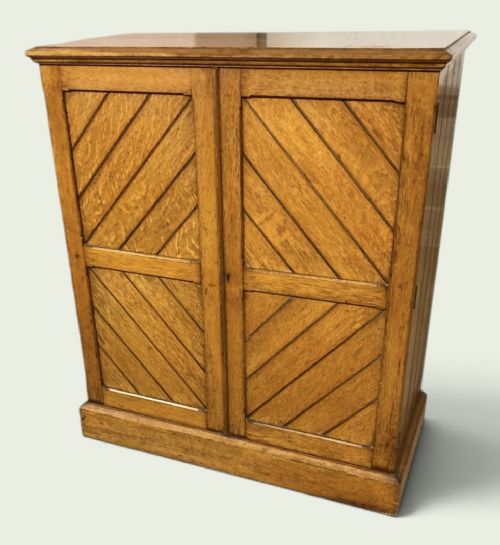
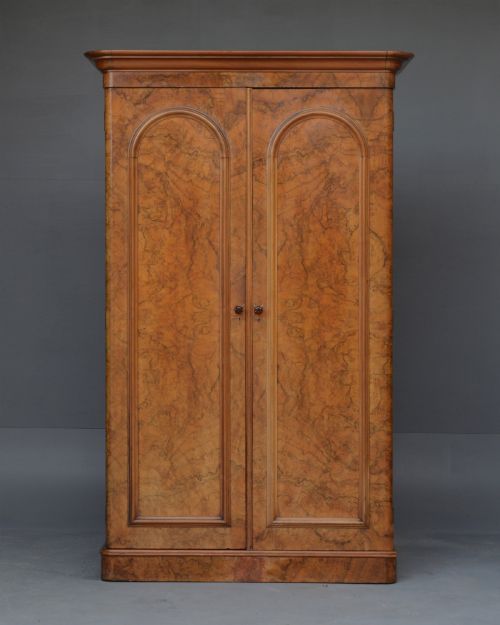
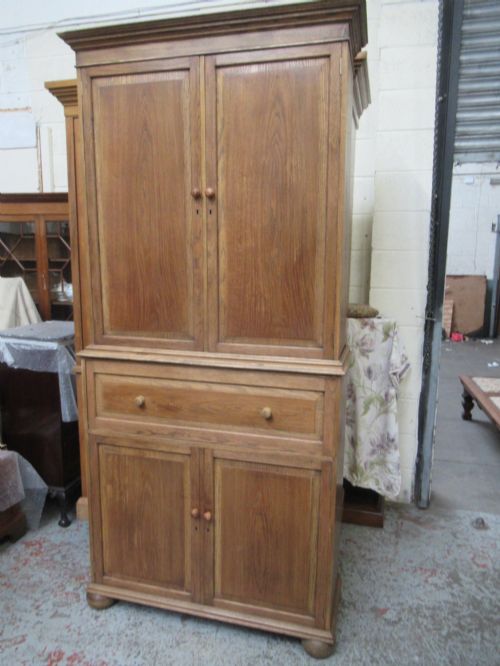
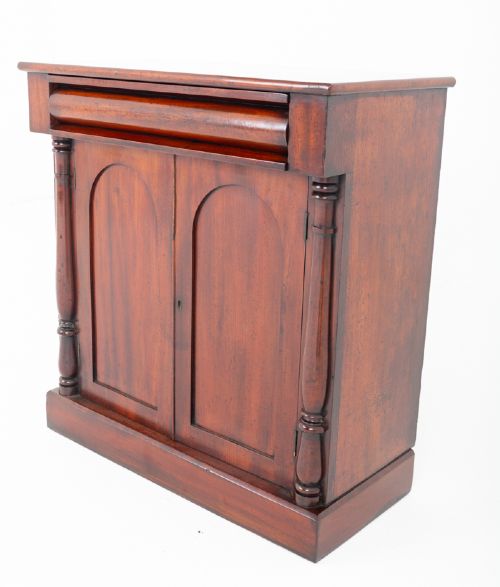
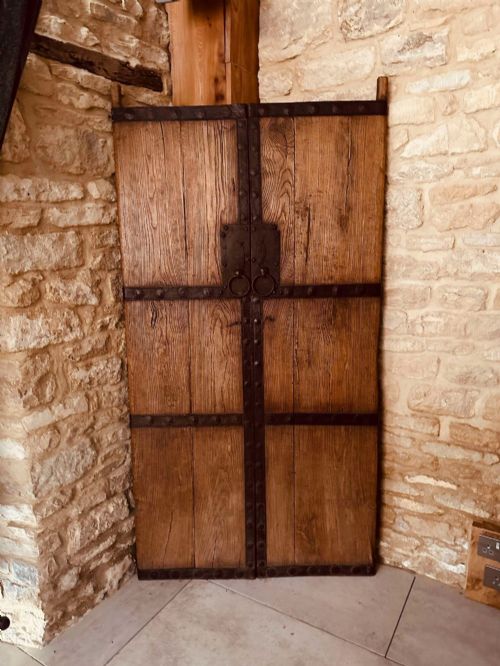
A wooden panelled door search brings up architectural salvage alongside larger cabinetry like wardrobes and cupboards that utilise panel construction.
The pieces span the eighteenth and nineteenth centuries into the twentieth century, reflecting styles from Georgian proportion to Victorian mass and Arts & Crafts utility.
Most items you will meet on this page are substantial storage pieces, such as mahogany wardrobes and oak cupboards, carrying original timber and paint surfaces.
Materials and construction methods
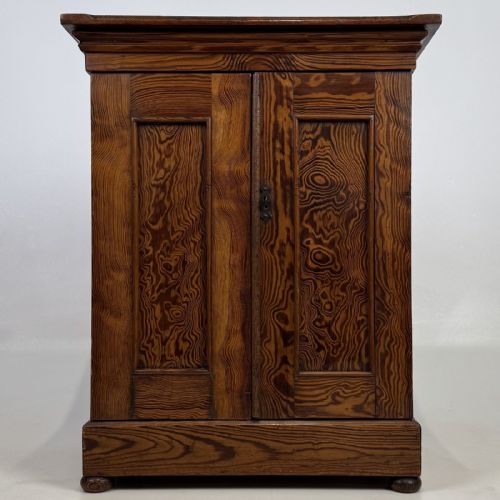
Cabinet makers utilised dense hardwoods like mahogany, oak, and walnut, alongside pine and ash, often building up surfaces with burr veneers or scumble paintwork.
Joinery relied on traditional panel construction techniques, fitting timber boards into grooved frames to allow for natural wood movement without splitting.
Metal elements in brass and iron provided functional hardware like hinges and handles, sometimes complemented by glass mirror inserts.
Wooden Panelled Door Retail Price Guide 2026
Typical asking prices for wooden panelled door among the pieces listed under this phrase on Sellingantiques today, from the lower quarter to the upper quarter. They describe what is for sale here now, not the wider market.
Listings include architectural salvage panels, wardrobes, and cupboards spanning eighteenth-century Georgian to twentieth-century styles.
Distinctions in quality and execution
Quality rests upon the selection of timber, visible in the choice of figured mahogany or burr walnut against plain utility pine.
The crispness of hand-carved detailing and the precision of the joinery separate standard workshop output from exceptional cabinet work.
Heals
The Wooden Panelled Door Glossary
- Compactum wardrobe
- A large fitted wardrobe containing compartmentalised interior storage with drawers and hanging space. This form became popular during the Victorian period.
- Scumble paintwork
- A decorative surface treatment applied to imitate the grain of finer woods like oak. Artisans worked a translucent glaze over a lighter base coat.
- Corner cabinet
- A storage piece designed to fit neatly into the ninety-degree angle of a room. These units frequently feature single or double panelled doors.
- Chiffonier
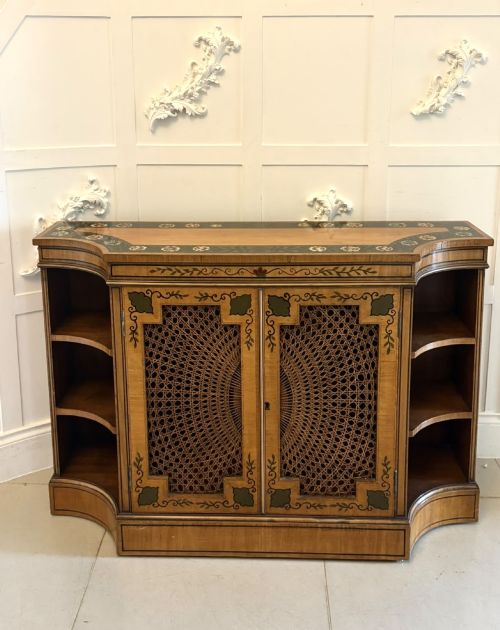
- A compact sideboard or low cabinet topped with a shelf, developed during the Regency and Victorian eras. Doors are often panelled in wood or silk.
Wooden Panelled Door: Frequently Asked Questions
What periods do these wooden panelled doors come from?
The selection spans the eighteenth century through the Victorian era into the early twentieth century. Pieces reflect distinct design movements from Georgian symmetry to Arts & Crafts utility.
Specific dates depend on the individual item, ranging from Georgian presses to Edwardian wardrobes and architectural panels.
How do I care for antique wood furniture?
Maintain timber surfaces by dusting with a dry cloth and occasionally applying natural beeswax to nourish the grain. Avoid placing pieces near direct heat sources or strong sunlight.
Proper humidity control prevents the wooden panels from warping or splitting within their frames.
What woods were used to build these cabinets?
Cabinet makers utilised native and imported hardwoods including mahogany, oak, walnut, and rosewood. Softer timbers like pine and ash also appear, particularly in painted storage pieces.
Finer pieces often showcase decorative veneers such as burr walnut over secondary carcase woods.
Are painted finishes on these pieces original?
Some items retain original decorative treatments like scumble paintwork or period grey paint schemes. Documentation in listings indicates whether a finish is period or later.
Inspect the surface wear to understand the age and application method of the paint layer.