


Wooden Panelled Chair
A wooden panelled chair brings centuries of solid timber construction and historic joinery straight into a modern interior.
Wooden Panelled Chair
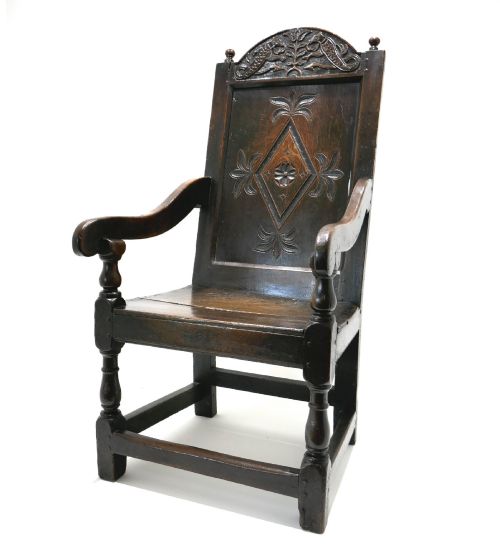
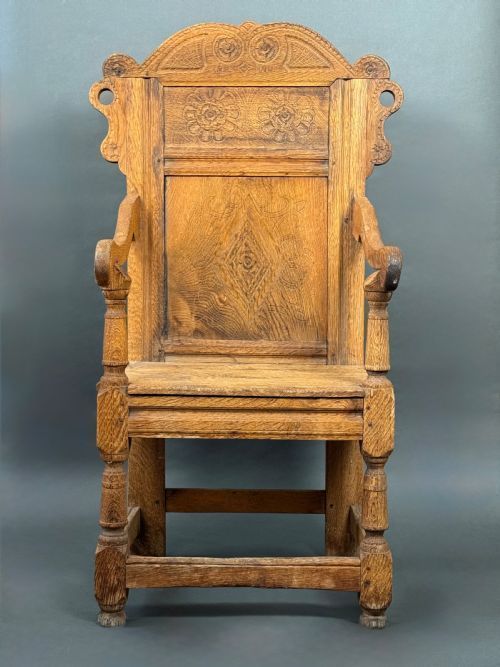
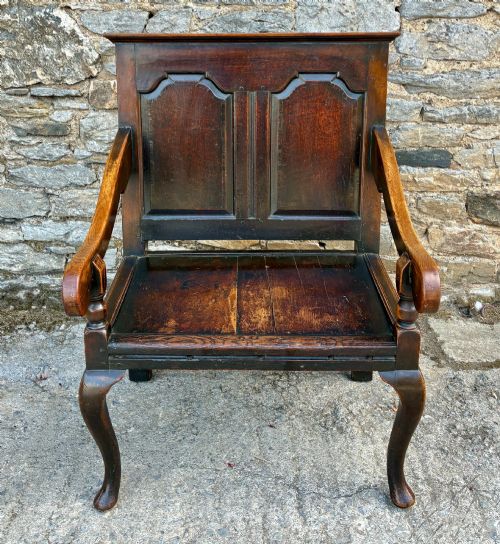
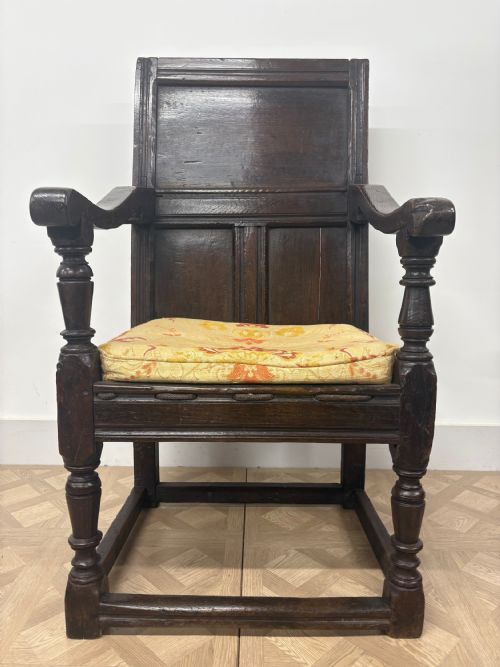
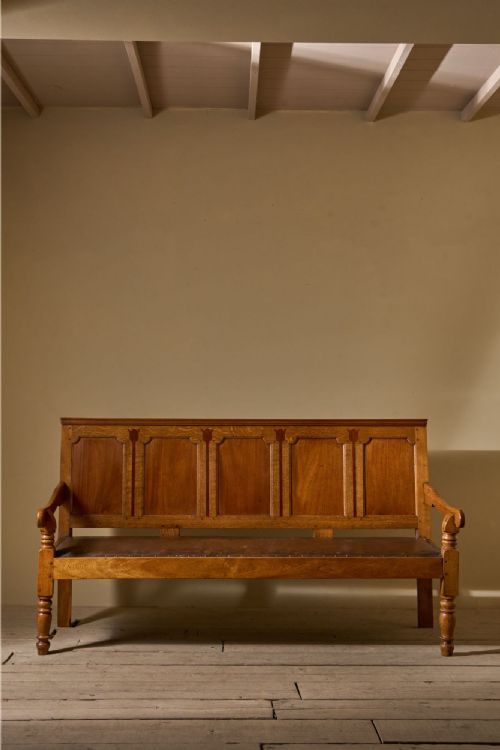
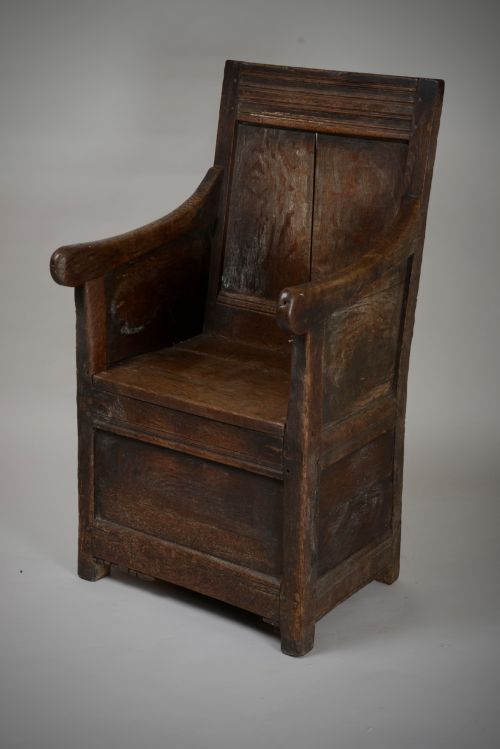
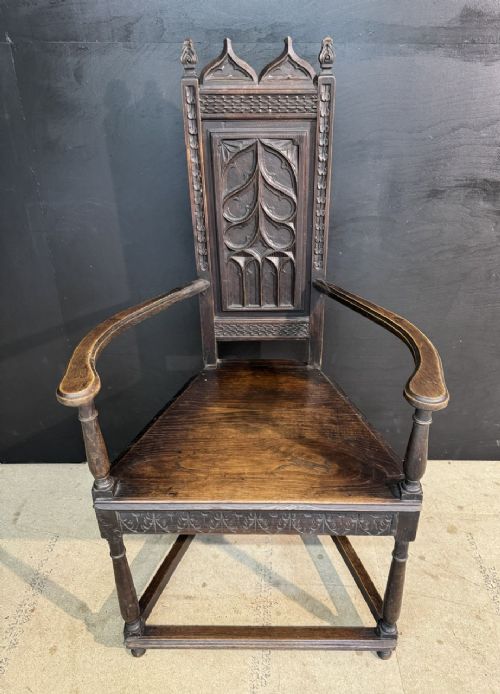
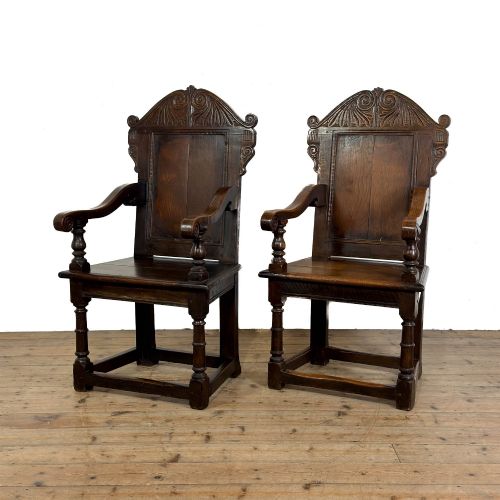
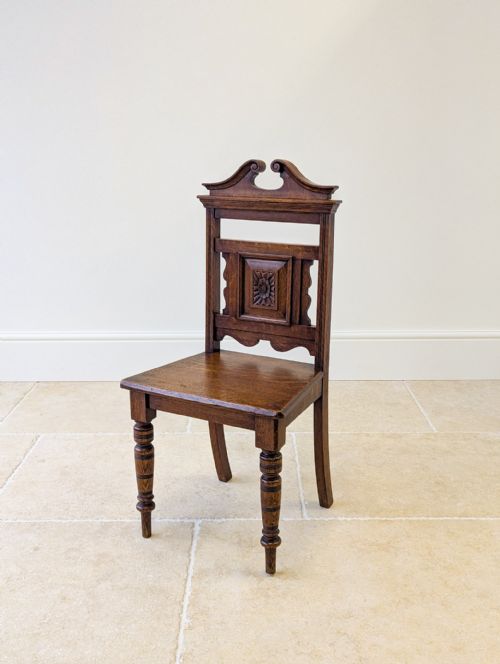
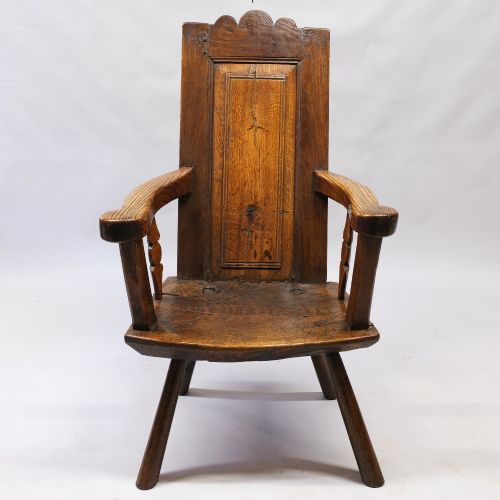
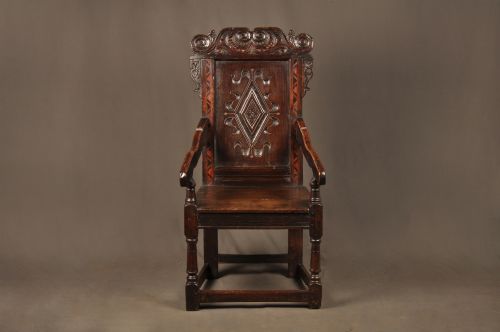
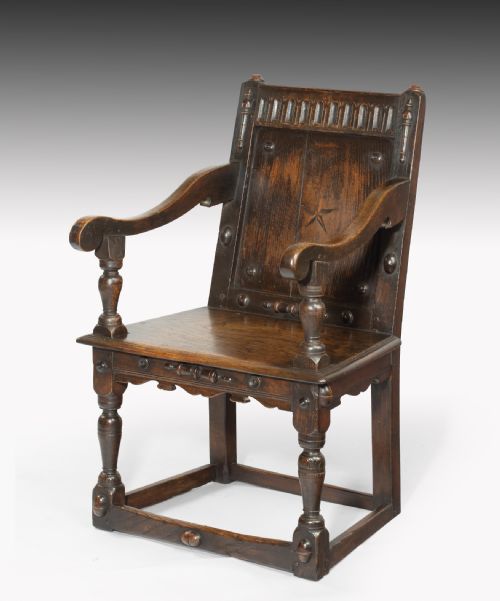
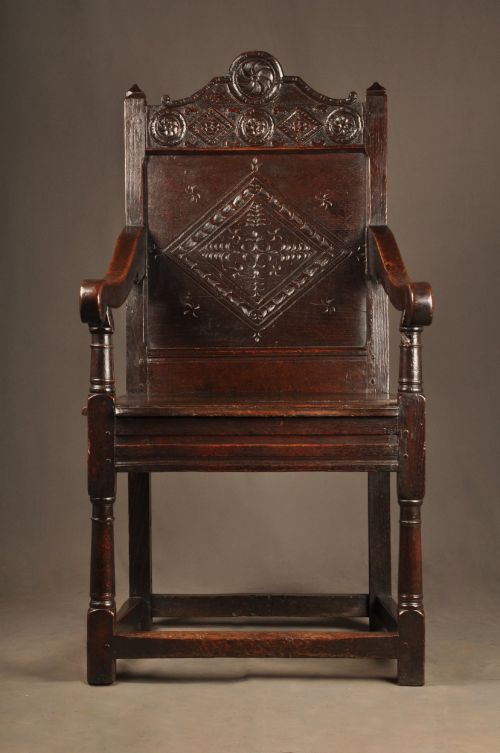
A wooden panelled chair represents a heavy timber tradition spanning from the sixteenth century through the Victorian era and into later revivals. Buyers seeking this phrase encounter wainscot armchairs, hall chairs, and settles built primarily in oak, with occasional mahogany, walnut, and hardwood variants.
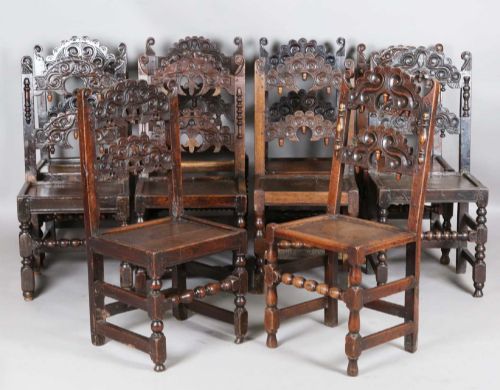
The regional variety is wide, ranging from Lancashire and Yorkshire wainscot examples to North Country pieces, Scottish masters armchairs, and Welsh variants. Makers shaped these seats for halls, dining rooms, and parlours, utilising solid boards for backs and seats.
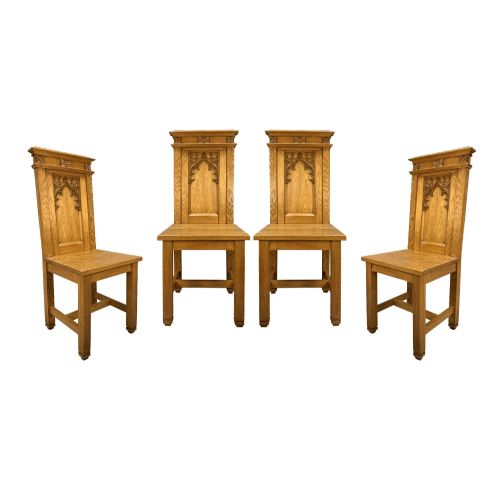
Later expressions include nineteenth-century Gothic revival hall chairs, twentieth-century interpretations, and corner chairs featuring inlaid details or needlepoint panels. Each period leaves distinct marks on the timber construction and surface decoration.
Materials and Technique
Makers relied predominantly on solid oak, shaping heavy frames through traditional mortise and tenon joinery secured with wooden pegs. Panels fit into grooved framing members, allowing the timber to expand and contract naturally with seasonal humidity changes.
Surface embellishment often involved hand carving, incorporating geometric patterns, floral motifs, or tulip decoration directly into the wooden panels. Some examples integrate brass fixtures, leather accents, or fabric inserts to complement the primary hardwood structure.
Wooden Panelled Chair Retail Price Guide 2026
Typical asking prices for wooden panelled chair among the pieces listed under this phrase on Sellingantiques today, from the lower quarter to the upper quarter. They describe what is for sale here now, not the wider market.
Listings feature solid oak, mahogany, walnut, and pine across periods ranging from the sixteenth century to the 1920s.
Craftsmanship and Proportion
Quality rests in the integrity of the timber framing and the crispness of the hand-carved panel details. Pieces retain strength when joinery remains tight and original wooden pegs hold the uprights and rails securely.
Proportion and surface patina distinguish superior examples from standard workshop production. Timber that shows a deep, natural tone through age carries greater presence than heavily restored or artificially darkened surfaces.
Liberty and Co
The Wooden Panelled Chair Glossary
- Wainscot chair
- An early wooden armchair constructed with solid panelled backs and heavy armrests. This form derives from the oak panelling used to line sixteenth and seventeenth-century rooms.
- Settle
- A wooden bench featuring a high solid panelled back and enclosed arms to block draughts. These seats served a practical purpose beside the hearth in country homes.
- Mortise and tenon
- A traditional woodworking joint where a projecting tongue fits snugly into a square cavity. This method binds structural members together without relying on metal fasteners.
- Lambing chair
- A vernacular armchair featuring high winged sides designed to keep out cold air. They appear frequently in eighteenth-century country contexts.
- Box chair
- An early seating form constructed with a solid box base beneath the seat. The lower section often served as storage space within the room.
Wooden Panelled Chair: Frequently Asked Questions
What is a wainscot chair?
A wainscot chair is an early wooden armchair built with solid panelled backs and heavy timber frames. These pieces date primarily to the seventeenth century and reflect heavy joinery traditions.
They stand apart from later upholstered seating through their rigid construction and carved ornamentation. Their sturdy build suits placement in hallways or studies.
How do I care for antique oak?
Antique oak requires stable humidity levels and protection from direct sunlight to prevent timber splitting. Regular dusting with a dry cloth keeps the surface clean without stripping natural oils.
Applying a traditional beeswax polish occasionally helps nourish the aged finish. Avoid placing these heavy timber seats near modern heat sources.
Where were these chairs used?
Historic panelled chairs occupied great halls, dining rooms, and farmhouses where durable seating was essential. Wainscot and hall chairs provided formal seating for heads of households or guests.
Enclosed settles and lambing chairs sat close to hearths to block cold drafts. Today they function effectively as statement pieces in modern entryways.
How do I date a wooden panelled chair?
Dating relies on examining the construction methods, tool marks left by woodworkers, and stylistic carving details. Seventeenth-century examples display pegged mortise and tenon joints with hand-split oak panels.
Later Victorian revivals or twentieth-century pieces often reveal machine-sawn timber or standardised fixings. Comparing the regional carving style to documented historic examples confirms the era.