



Wooden Painting Display Stand
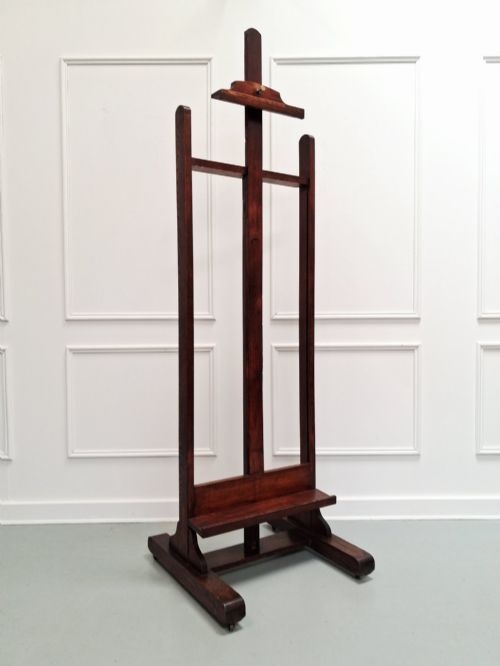
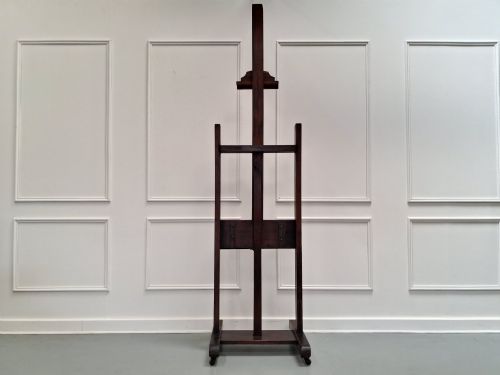
A wooden painting display stand holds artworks securely while lifting them to eye level for proper contemplation.
Wooden Painting Display Stand
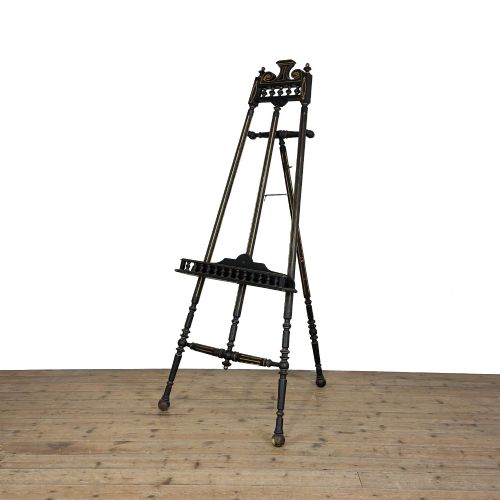
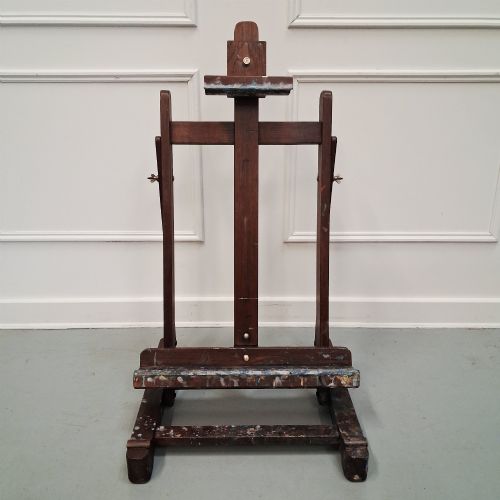
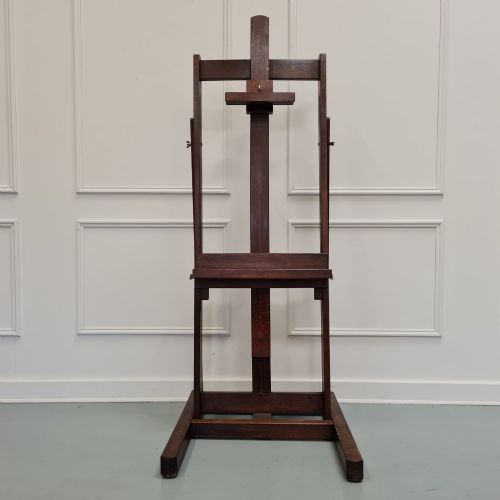
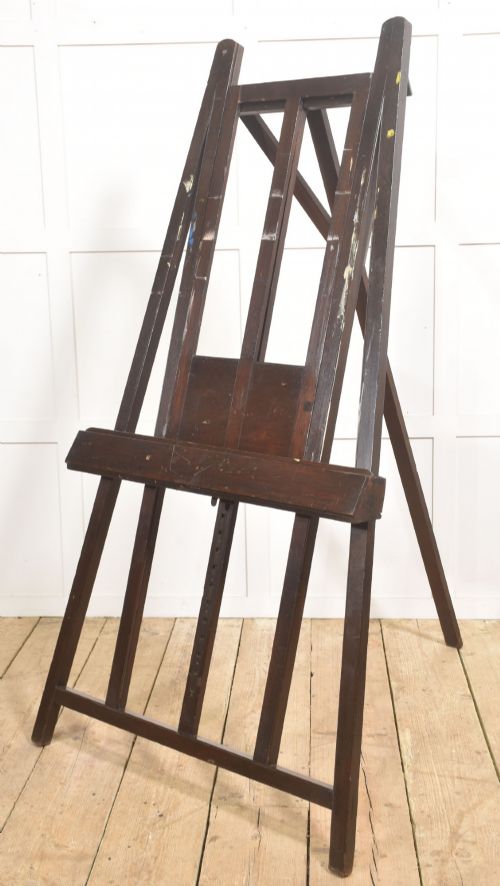
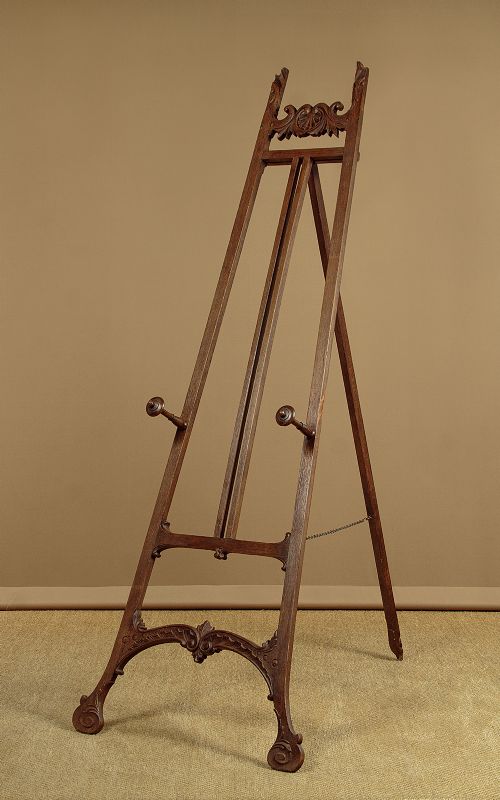
A wooden painting display stand encompasses various supporting structures designed to exhibit pictures, panels and books. Buyers searching for a wooden painting display stand most frequently encounter sturdy floor-standing studio models, compact tabletop versions and adjustable gallery easels dating from the nineteenth and early twentieth centuries. These pieces originate from diverse European and English workshops, serving both practical studio work and domestic exhibition.
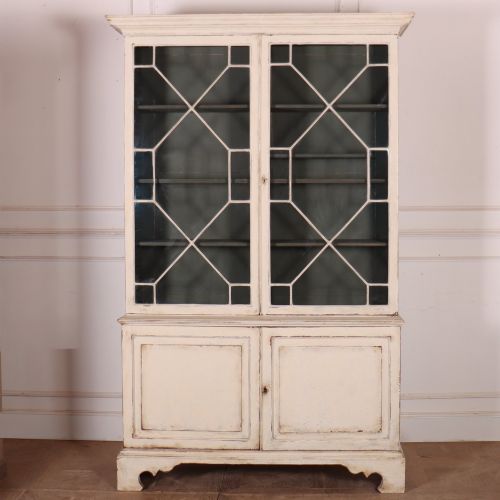
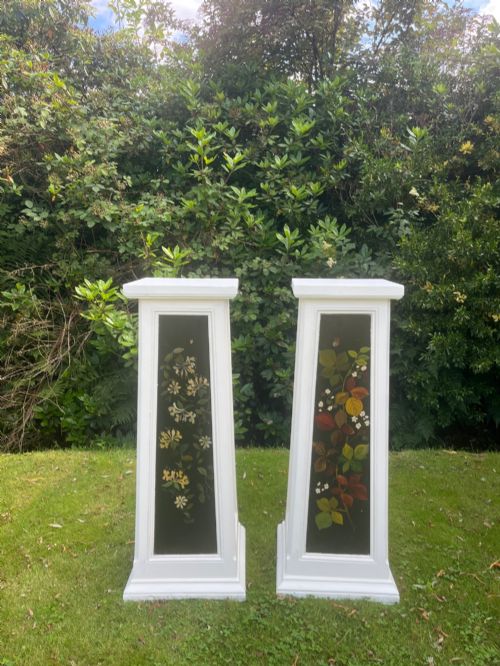
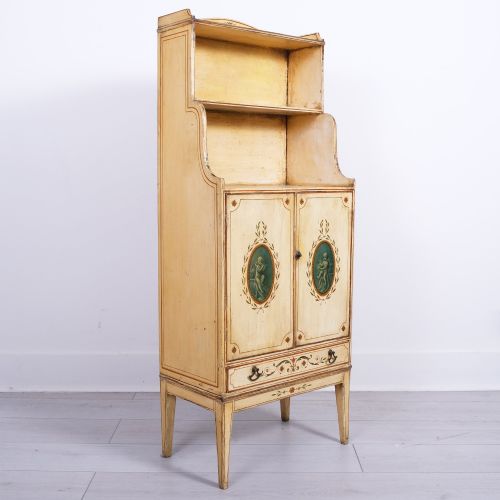
Beyond standard easels, the selection includes related display furniture such as pedestals, columns, plant stands and bookcases that elevate visual objects. Pieces span multiple historical periods including the Regency, Victorian and Edwardian eras, alongside items from the nineteen-thirties. This variety reflects changing domestic interiors and the evolving ways people chose to display art within the home.
Materials and construction
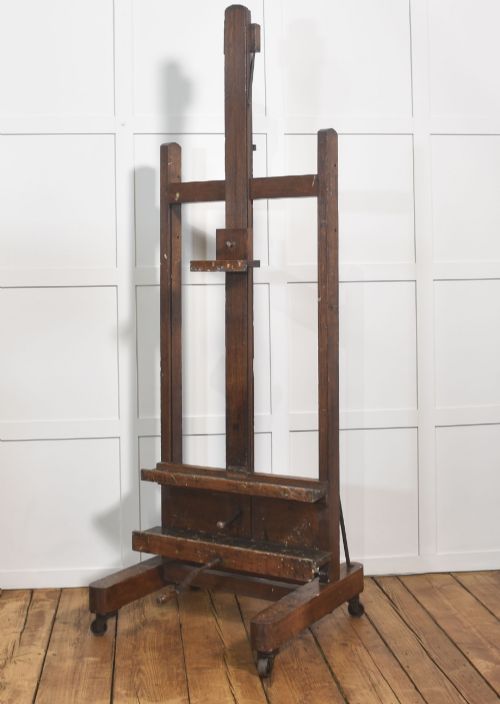
Craftsmen utilised various timbers including oak, mahogany, walnut, satinwood and pine, selecting each for its structural strength and grain pattern. Many pieces feature painted, ebonised or grain-painted finishes designed to mimic more expensive materials or suit specific interior aesthetics. Brass fittings, winding handles and adjustable mechanisms appear frequently on mechanical studio models to allow smooth height and angle alterations.
Joinery methods range from simple pegged mortise and tenon joints on rustic stands to sophisticated rack-and-pinion gearing on large studio easels. Carved details adorn specific display items, incorporating aesthetic movement motifs, gothic revival elements or simpler geometric turns. Surviving surfaces often retain their original patination, showing decades of studio use or domestic placement.
Judging quality and capability
Quality in these stands rests primarily on the integrity of the timber and the precision of any mechanical adjustment mechanisms. Superior pieces employ dense, well-seasoned hardwoods with robust joints that remain stable under heavy loads, whereas lesser examples may rely on softer pine with looser framing. The presence of fully functioning brass winding gear, original castors and complete peg sets distinguishes workshop tools made for heavy daily use from lighter decorative items.
The refinement of the surface finish also separates standard utility items from finer domestic furnishings. Examples featuring skilled hand-carving, original faux marble paintwork, or ebonised surfaces demonstrate greater craftsmanship than plain, utilitarian workshop variants. Retention of original surface coatings and hardware adds significant character and authenticity to the piece.
Edwards & Roberts
The Wooden Painting Display Stand Glossary
- Easel
- A freestanding upright support used for holding and displaying a painting or drawing at a working or viewing height. These range from heavy studio models to portable tabletop variants.
- Pedestal
- An architectural support or stand used to elevate a bust, vase, sculpture or plant. They appear in various forms including classical columns and simpler cylindrical shapes.
- Torchere
- A tall, slender stand or pedestal originally designed to hold a candelabrum or lamp. In later periods, they served primarily to display decorative objects or floral arrangements.
- Ebonised
- Wood finished with a dark stain or paint to imitate expensive ebony. This technique gained widespread popularity during the Victorian and Aesthetic periods.
- Folio stand
- A piece of furniture designed for holding large books, prints, maps or architectural drawings. These stands typically feature an A-frame design with slatted or solid sides.
Wooden Painting Display Stand: Frequently Asked Questions
How do I choose the right easel?
Consider the size of the artwork you intend to exhibit and the available floor or tabletop space in your room. Floor-standing studio models suit larger spaces and heavier frames, while compact tabletop versions fit smaller displays.
Check whether you require adjustable height mechanisms or a fixed display angle to suit your specific viewing requirements.
Can these stands hold heavy paintings safely?
Many nineteenth-century studio models were engineered specifically to support heavy canvases securely during painting or exhibition. Robust hardwood construction and wide base footprints provide the necessary stability for substantial works.
Inspect the peg supports, ledges and tightening screws to ensure the load-bearing components remain firm and reliable.
Where should I place a display stand?
Position your stand in a stable location away from heavy foot traffic and direct heat sources that might dry out the old timber. Natural light from a side window often enhances the texture of both the wood and the displayed artwork.
Ensure the surrounding floor surface is level to prevent any rocking on larger floor-standing models.
How do I care for antique wood?
Maintain the timber by dusting regularly with a soft, dry cloth and avoiding harsh chemical cleaning sprays or excessive moisture. Occasional application of a suitable beeswax polish helps nourish the grain and protect the historic surface.
Keep pieces away from damp environments and extreme temperature fluctuations to prevent timber movement or cracking.