




Wooden Office Organizer
A wooden office organizer keeps papers and letters in order on a desk.
Wooden Office Organizer
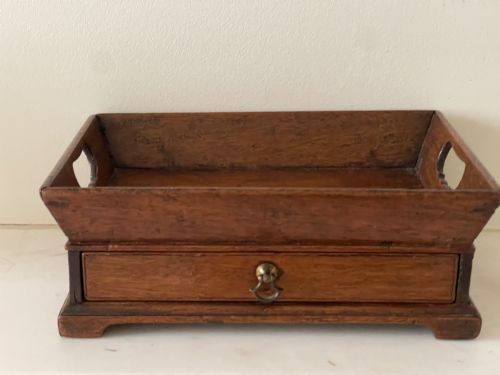
A wooden office organizer groups items like desk tidies, stationery cabinets, pigeon holes, and filing cabinets together for sorting correspondence and documents. These pieces stem from the Victorian and Edwardian eras up to the 1930s, reflecting the administrative needs of past offices.
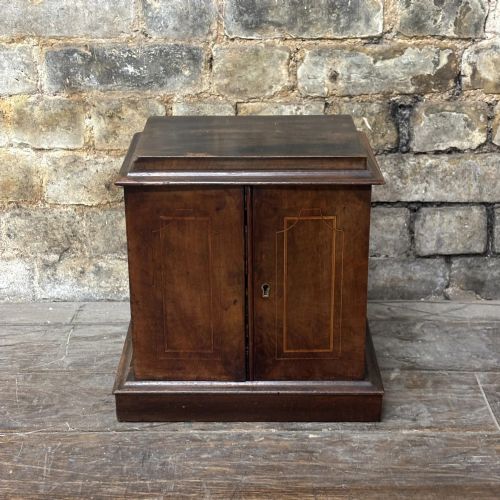
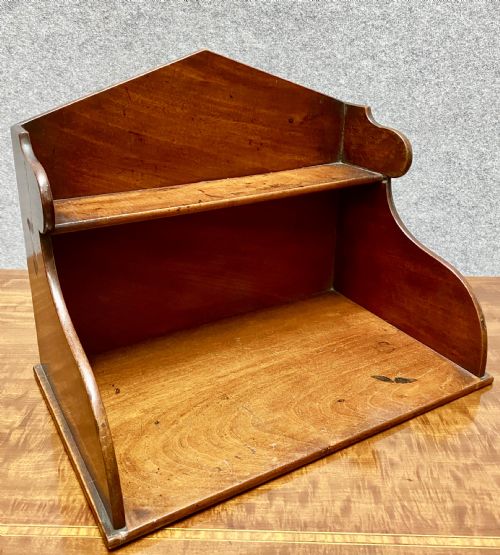
The most common formats on this page are pigeon holes and tabletop stationery cabinets constructed from timbers such as mahogany, oak, and pine. They range from small tabletop shelving accessories to large filing cabinets and modular index drawers.
Materials and construction
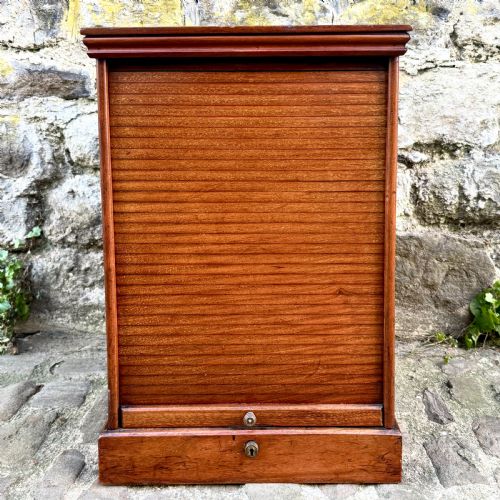
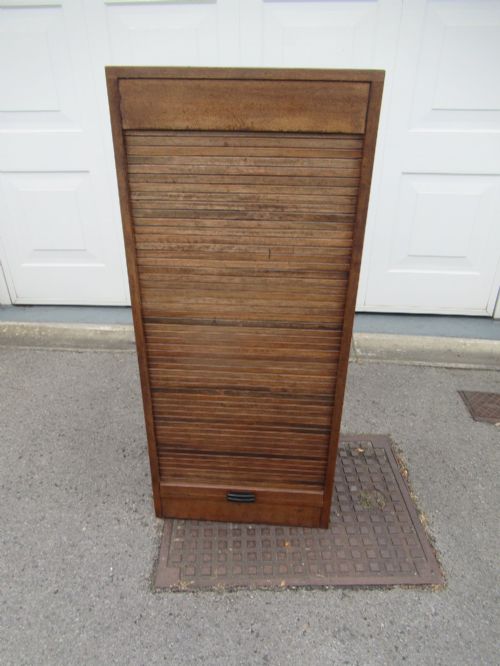
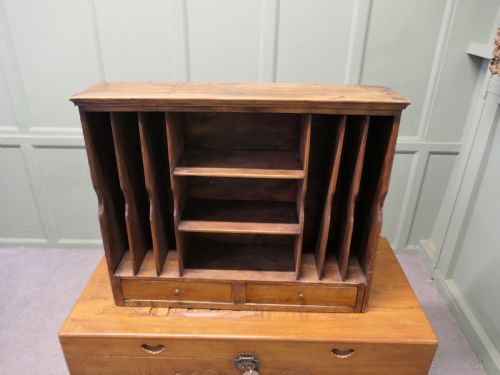
These items use hardwoods and softwoods including oak, mahogany, rosewood, pine, and beech, frequently combined with brass hardware and painted surfaces. Tambour fronts, small drawers, and open shelving compartments demonstrate traditional cabinet-making techniques suited to daily workspace use.
Metal elements appear on specialised filing mechanisms and brackets, while paper labels and linings survive inside certain drawers and compartments from the period.
Wooden Office Organizer Retail Price Guide 2026
Typical asking prices for wooden office organizer among the pieces listed under this phrase on Sellingantiques today, from the lower quarter to the upper quarter. They describe what is for sale here now, not the wider market.
Insurance agents and postal workers relied on these exact wooden compartments to keep the Victorian world running on time.
Judging quality
Quality rests on the choice of timber and the precision of the joinery, particularly in moving parts like tambour doors and sliding index drawers. Finer pieces employ dense timbers such as rosewood and figured mahogany alongside robust brass fittings.
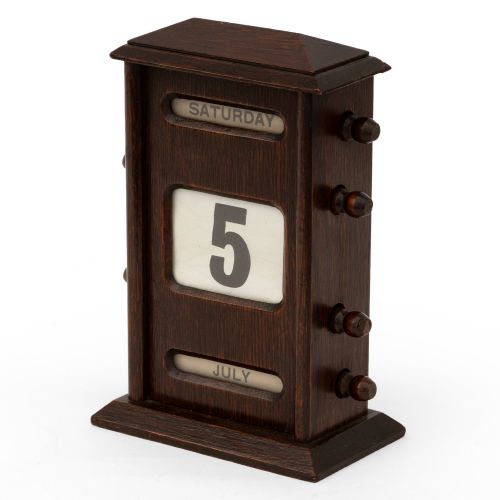
The presence of working mechanisms, such as fully functional perpetual calendars or smooth drawer action, separates standard utility items from more refined office furnishings.
The Wooden Office Organizer Glossary
- Tambour front
- A flexible door made of narrow strips of wood glued to a canvas backing, allowing it to slide around a curved track. This mechanism conceals the interior compartments of a cabinet.
- Pigeon holes
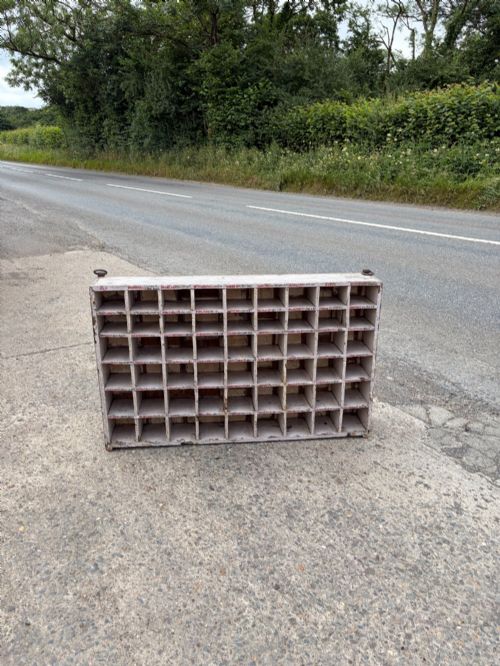
- A series of small, open compartments stacked in rows for sorting letters and documents. They form a staple feature of historical desktop storage.
- Stationery cabinet
- A specialised box with doors or drop-fronts designed to hold writing paper, envelopes, and ink. These often sit upon a larger desk.
- Index filing drawers
- Small, partitioned wooden drawers built to hold reference cards or alphabetized documents. They utilise beech and other durable woods for frequent handling.
Wooden Office Organizer: Frequently Asked Questions
What is a wooden office organizer?
A wooden office organizer is a piece of antique furniture designed to sort papers, letters, and stationery in a workspace. Examples include pigeon holes, stationery cabinets, and desk tidies.
These items date from the nineteenth century through the early twentieth century. They provide practical storage while retaining period craftsmanship.
How were pigeon holes used?
Pigeon holes served to sort incoming and outgoing correspondence in busy offices, postal sorting rooms, and insurance agencies. Each compartment held letters for a specific person, day, or category.
Their open construction allowed clerks to access documents quickly during the working day without opening doors or drawers.
How do I date a wooden office organizer?
Dating relies on the style, wood choice, and construction methods visible in the piece. Victorian and Edwardian pieces often use solid mahogany or oak with hand-cut joins.
Later items from the 1920s and 1930s introduce different hardware and simpler industrial forms. Labels or stamps from makers can also indicate the exact period.
Can I use an antique organizer on a modern desk?
Yes, these organizers fit well on modern desks to hold mail, notebooks, and pens. Their compact footprints suit contemporary workspaces while adding period character.
Tabletop shelves and small drawers require minimal space and keep daily clutter off the main writing surface.