







Wooden Musical Box
A wooden musical box brings the parlour tunes of the nineteenth century into the room through pinned cylinders and steel teeth.
Wooden Musical Box
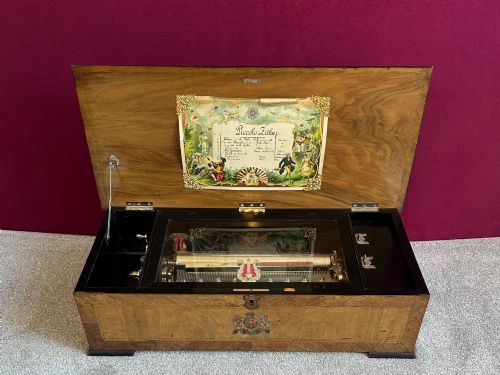
A wooden musical box is an instrument designed to play mechanical tunes using a revolving brass cylinder set with pins that pluck tuned steel teeth. The pieces gathered here span from the Victorian period through to the early twentieth century, showing both Swiss and British origins.
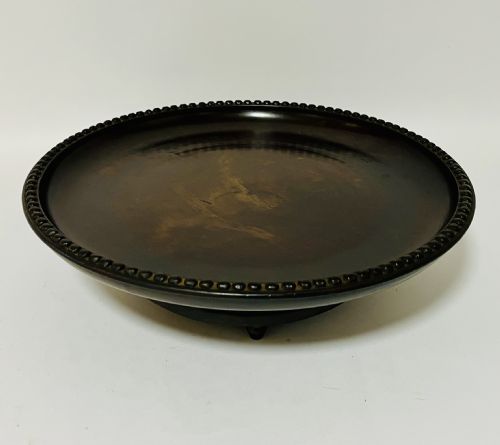
Most examples you encounter on this page take the form of rectangular wooden cases, though the selection also includes marquetry inlaid chairs, fruit bowls and cigarette boxes configured to play music. Rosewood and walnut provide the primary exterior housings, often enhanced with boxwood stringing or intricate inlaid decoration.
The mechanism sits inside a heavy timber case designed to amplify the resonance of the comb. Swiss makers produced the vast majority of these movements, housed in boxes that range from simple desktop models to large instruments featuring bells and multiple airs.
How they were made
Cabinetmakers constructed the exterior housings using timbers such as rosewood, walnut, and ebonised wood, frequently employing marquetry and contrasting veneers to ornament the lids and sides. Glass dust covers often protect the intricate brass and steel movements operating beneath.
Wooden Musical Box Retail Price Guide 2026
Typical asking prices for wooden musical box among the pieces listed under this phrase on Sellingantiques today, from the lower quarter to the upper quarter. They describe what is for sale here now, not the wider market.
Listings feature nineteenth century and Edwardian pieces constructed from rosewood, walnut, ebonised wood, and burr walnut, incorporating brass and steel movements.
What varies in quality
The musical capability of the movement determines the standing of the piece, measured by the number of airs it can play and the complexity of the comb. Instruments featuring twelve airs or visible bells demonstrate superior craftsmanship compared to simpler single-tune cylinders.
Cabinet work separates standard production boxes from exceptional examples, with crisp marquetry inlay, well-figured burr walnut or rosewood, and sound structural joinery elevating the piece. The richness and clarity of the acoustic resonance produced by the timber case complete the measure of quality.
Langdorff And Fils·Nicole Freres·B A Bremond
The Wooden Musical Box Glossary
- Cylinder
- The rotating brass barrel set with precise pins that determine the notes played by the comb. Each pin strikes a specific steel tooth as the cylinder turns.
- Comb
- The tuned steel plate with individual teeth that vibrate to create the notes when plucked by the cylinder pins. The quality of the steel dictates the purity of the sound.
- Air
- A distinct tune or musical piece programmed onto the cylinder. Boxes are commonly described by how many airs they are pinned to play.
- Marquetry
- Decorative veneer work using different coloured woods to create pictorial designs on the lid or sides of the box. Craftsmen cut pieces of walnut, rosewood, and boxwood to fit together flush.
- Tunbridge Ware
- Small wooden items decorated with microscopic mosaics of natural coloured woods arranged to form geometric patterns. This technique appears on novelty musical cigarette boxes.
Wooden Musical Box: Frequently Asked Questions
How do I wind a wooden musical box?
Most antique boxes use either an attached winding lever or a separate key to tension the internal mainspring. Turn the mechanism gently until you feel resistance, taking care not to overwind the spring.
Once wound, release the stop lever to let the cylinder rotate and the comb play its programmed tunes through the wooden case.
How many tunes can a box play?
The number of airs varies widely depending on the size and complexity of the brass cylinder. Smaller domestic models often play a single tune or a limited selection, while larger exhibition pieces handle twelve or more distinct airs.
The cylinder shifts laterally after each rotation to present a fresh set of pins to the steel comb.
Where were these musical boxes made?
The vast majority of nineteenth century movements originated in Switzerland, where specialised workshops perfected the pinning of cylinders and tuning of steel combs. These Swiss movements were then exported to be housed in cabinets across Britain and Europe.
Local cabinetmakers supplied the rosewood, walnut, and marquetry cases to suit contemporary domestic tastes.
How should I care for the timber case?
Keep the wooden housing away from direct sunlight and steady heat sources to prevent the rosewood or walnut veneers from drying and cracking. Maintain a stable room temperature to protect both the exterior wood and the delicate internal glue joints.
Dust the exterior gently with a dry cloth and avoid applying modern liquid polishes that might seep into the marquetry.