

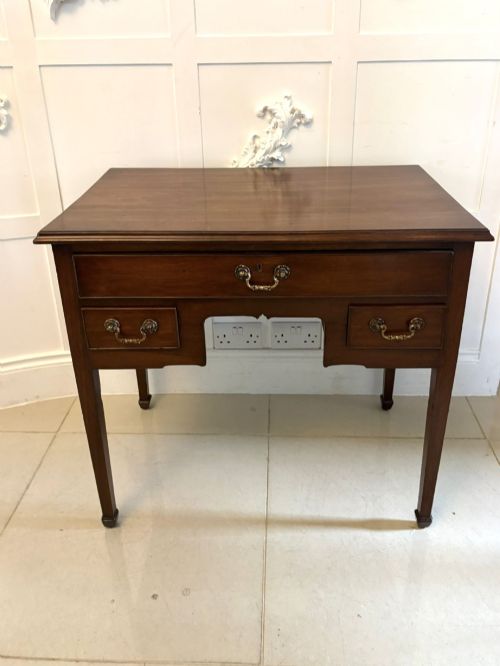
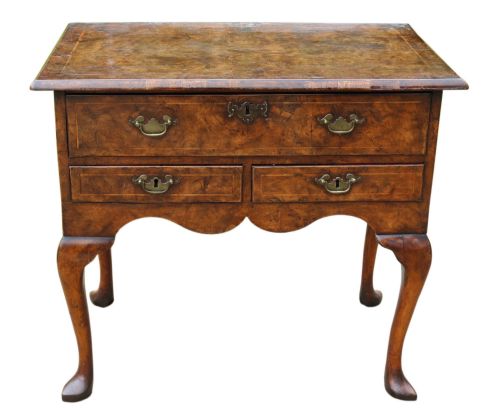
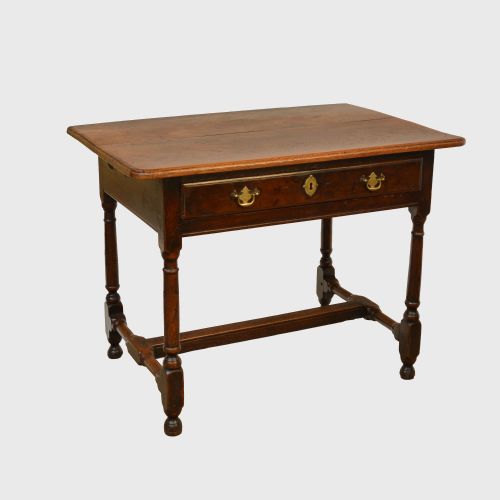
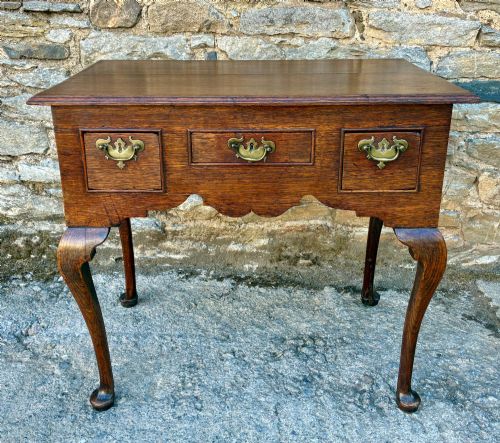
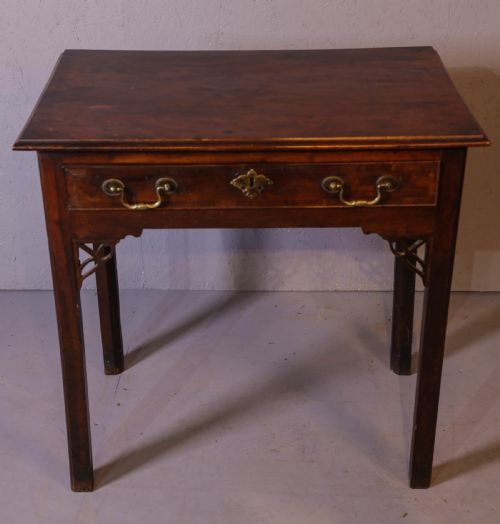


Wooden Lowboy Table
A wooden lowboy table is a compact, elegant piece of early furniture designed for personal grooming and writing.
Wooden Lowboy Table
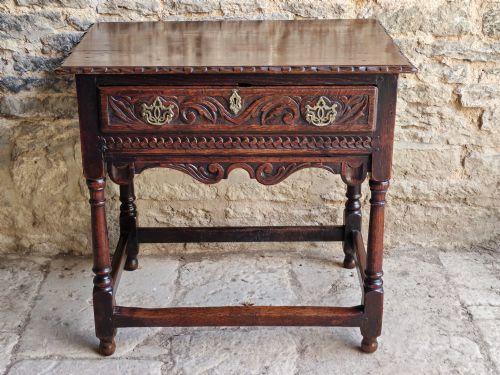
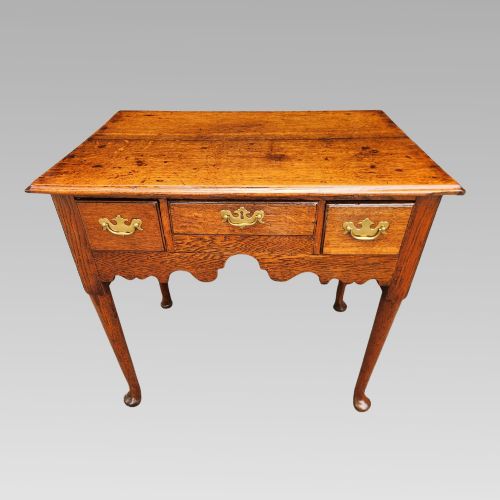
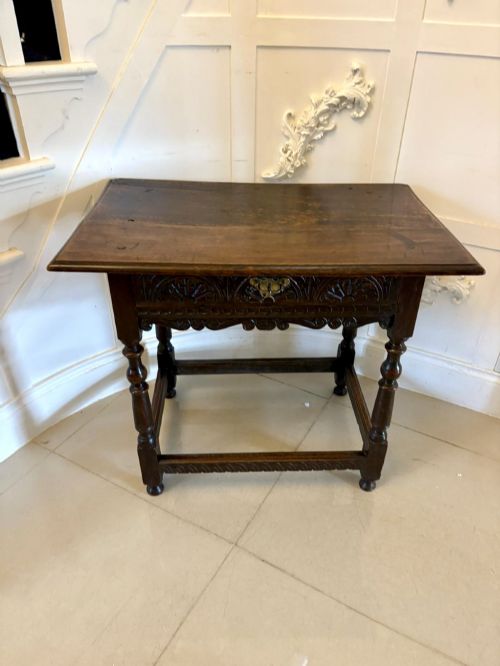
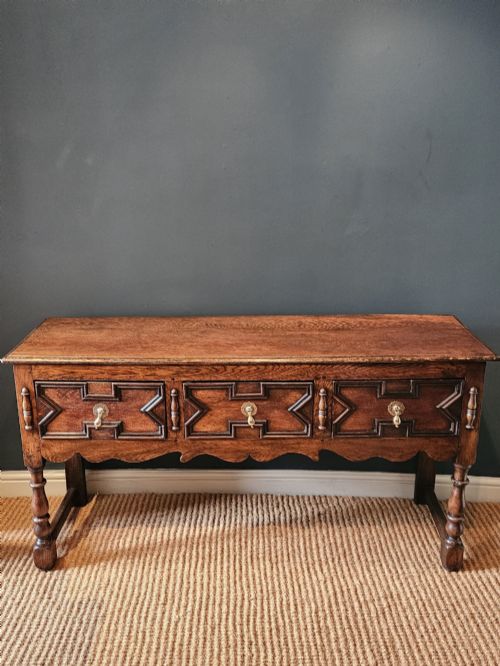
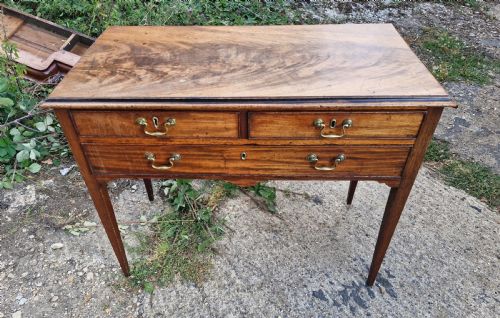
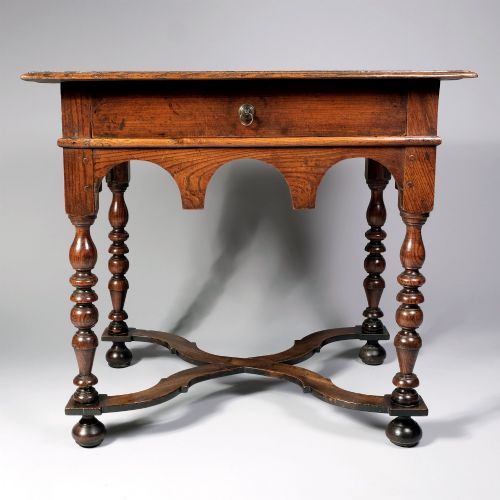
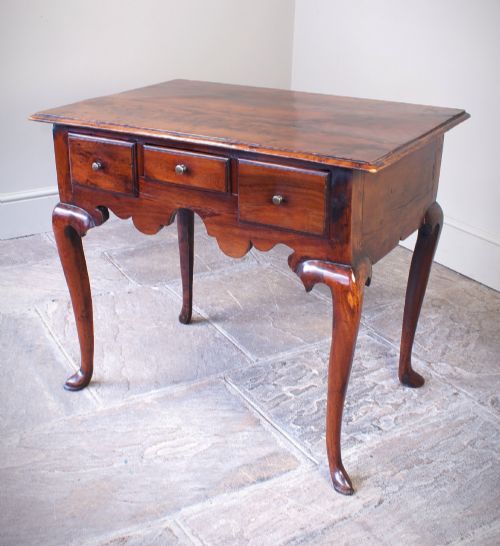
When you search for a wooden lowboy table, you encounter low-standing furniture primarily originating from the seventeenth, eighteenth, and nineteenth centuries. These versatile pieces function as side tables, dressing tables, and small writing desks within domestic interiors.
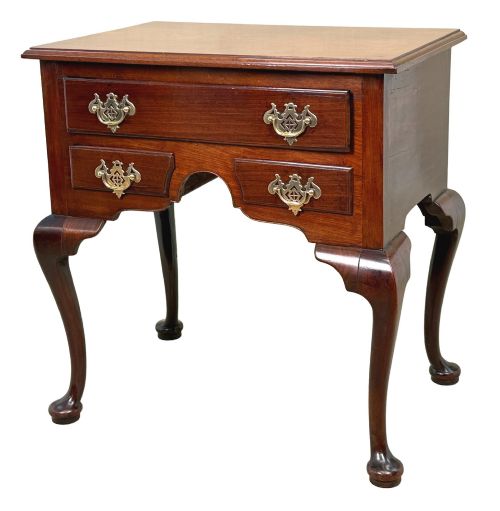
The most common examples on this page date from the Georgian period, often constructed from oak, mahogany, or elm. They typically feature one to three drawers set beneath a polished rectangular top, supported by slender cabriole or straight legs.
How they were made
Cabinetmakers utilised durable native timbers such as oak, elm, walnut, and fruitwood alongside imported mahogany. Yew wood and burr walnut appear on select examples, adding rich grain patterns to the primary surfaces.
Construction techniques involve traditional joinery, incorporating brass hardware for drawer pulls and sometimes geometric mouldings or carved details to ornament the facades.
Wooden Lowboy Table Retail Price Guide 2026
Typical asking prices for wooden lowboy table among the pieces listed under this phrase on Sellingantiques today, from the lower quarter to the upper quarter. They describe what is for sale here now, not the wider market.
Early cabinetmakers thoughtfully sized these little tables so homeowners could powder their wigs in absolute comfort.
What varies in quality
The distinction between ordinary and exceptional pieces lies in the choice of timber and the refinement of the carving. Finely figured burr walnut or yew wood elevates a simple form into a high-status object.
Proportion and the crispness of surviving mouldings or carved drawer fronts dictate the overall standard of craftsmanship found across these tables.
Shoolbred and Co·Muirhead Moffat and Co
The Wooden Lowboy Table Glossary
- Lowboy
- A small table with drawers, raised on four legs, historically used as a dressing table or side table.
- Cabriole leg
- A furniture leg that curves outward at the knee and tapers inward toward an ankle, common in eighteenth-century designs.
- Dresser base
- A low, heavy table fitted with multiple drawers, often serving a similar function to a large lowboy in country houses.
- Geometric moulding
- Raised decorative wooden framing applied to drawer fronts, typical of the late seventeenth and early eighteenth centuries.
- Burr walnut
- A prized wood veneer harvested from walnut tree growths, displaying swirling and mottled grain patterns.
Wooden Lowboy Table: Frequently Asked Questions
What is a wooden lowboy table used for?
These tables served primarily as dressing tables for personal grooming or as convenient side surfaces for correspondence and storage in bedrooms and parlours.
Today, buyers frequently utilise them as hallway tables, lamp tables, or compact desks in smaller rooms.
How do I distinguish oak lowboys from mahogany ones?
Oak examples generally date from the seventeenth and early eighteenth centuries, displaying visible grain patterns and a robust, earthy character suited to country houses.
Mahogany lowboys emerged later in the eighteenth century, offering a smoother, reddish-brown surface often associated with formal Georgian refinement.
Are all lowboys from the eighteenth century?
While the classic form belongs to the Georgian era, variations continue into the nineteenth and early twentieth centuries through revival styles and later cabinetmaking.
Nineteenth-century interpretations often adopt heavier mahogany proportions, while Edwardian pieces faithfully copy earlier walnut and mahogany designs.
How do I style a lowboy in a modern room?
Place the table against a hallway or living room wall where its shallow depth preserves floor space while providing a useful surface.
Top the piece with a simple lamp, a ceramic bowl, or a mirror to highlight its compact proportions and traditional craftsmanship.