




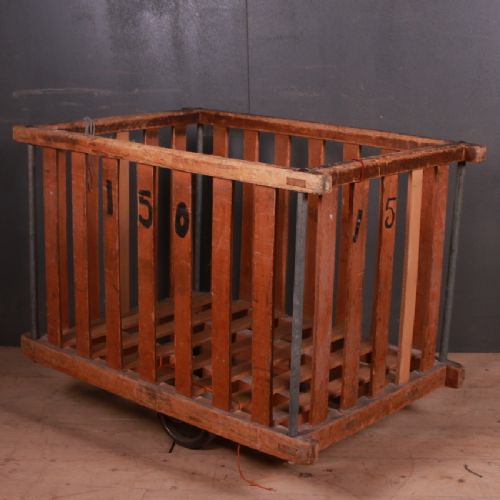
Wooden Log Basket
These wooden log basket options span sturdy country pine, coopered oak and brass-banded vessels built for fireside service.
Wooden Log Basket
A wooden log basket serves fireside utility by holding firewood near the hearth while bringing functional age into a room. When searching for a wooden log basket, buyers encounter everything from humble pine vessels to robust country house bins.
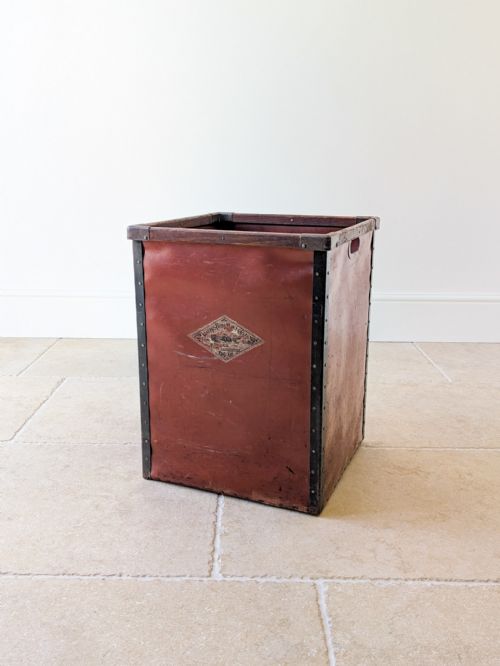
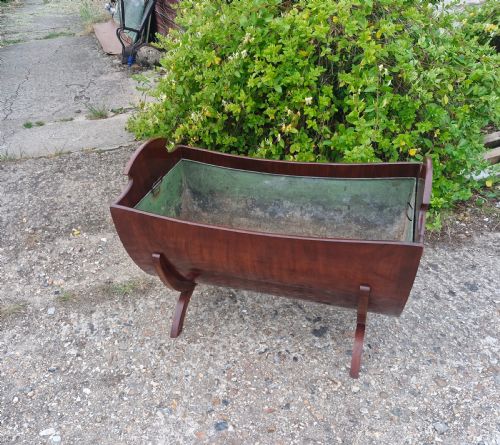
The selections range across several periods, notably Victorian and 19th Century examples, alongside earlier Georgian forms. Common functional variants include log bins, storage barrels, mill bins, and adapted cradles or buckets.
Origins stretch across Scandinavian country styles, rustic farmhouse traditions, and British domestic workshops. Each form reflects the daily domestic needs of its era, combining practical storage with robust wooden construction.
How they were made
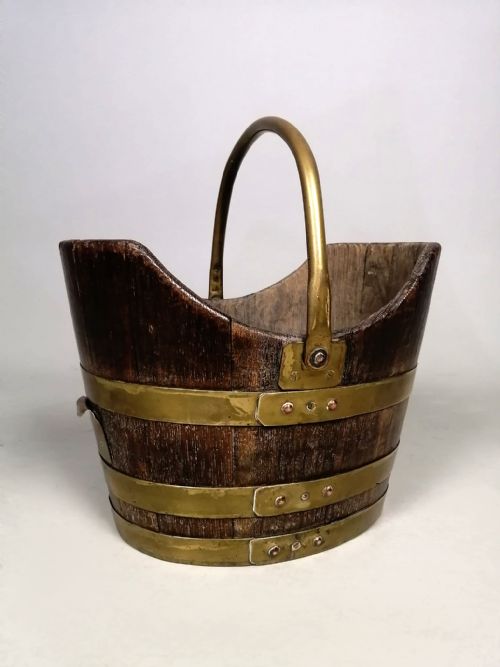
Construction relies heavily on solid timbers such as pine, oak, and mahogany, shaped into staves, woven splints, or carved bodies. Many containers utilise coopered barrel techniques where wooden staves lock together under tension.
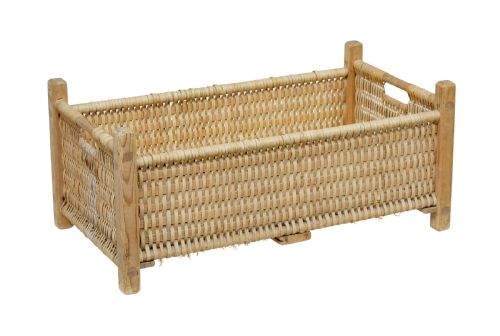
Metal reinforcement plays a crucial role in durability, with iron and brass banding securing the wooden bodies against the weight of heavy logs. Hand-woven pine and wood splint techniques demonstrate traditional basketry applied to larger storage vessels.
Scandinavian country workshops contributed numerous hand-woven pine baskets alongside British industrial mill bins.
What varies in quality
Quality rests in the integrity of the timber selection and the precision of the joinery, whether coopered staves or hand-woven splints. Heavier gauge metal bands and secure fixings distinguish sturdier utilitarian pieces from lighter decorative items.
The depth of patination on the wood surface reveals how a piece has aged through decades of fireside use. Finer examples display thoughtful proportion and honest vernacular craftsmanship rather than purely decorative additions.
Liberty London
The Wooden Log Basket Glossary
- Coopered
- Built by joining curved wooden staves together with metal or wood bands, similar to barrel construction. This technique provided the strength needed for holding heavy loads of coal or timber.
- Splint
- Thin strips of wood shaved or peeled from a log and woven together to form a flexible yet strong basket body. It appears frequently in Scandinavian country pieces.
- Patina
- The surface sheen and colour developed over decades through handling, polishing, and exposure to hearth environments. It serves as a visual marker of age and honest use.
- Mill Bin
- A heavy-duty industrial container originally utilised in textile mills or factories, later repurposed for domestic log storage. These pieces bring a robust, utilitarian character to the fireside.
Wooden Log Basket: Frequently Asked Questions
How do I choose the right size log basket?
Consider the volume of firewood you burn daily and the clearance available beside your fireplace. Larger barrels and bins suit substantial hearths, while woven baskets fit neatly into tighter spaces.
Measure your typical log lengths before selecting a vessel to ensure the wood rests comfortably inside without spilling over the edges.
Can these bins hold materials other than logs?
These vessels historically accommodated coal, kindling, or general hearthside accessories alongside firewood. Many forms function equally well for storing blankets or toys in a living room.
Their sturdy timber and metal construction handles heavy contents safely, making them adaptable for various household storage needs.
How do I care for antique wooden log storage?
Keep wooden vessels away from direct, intense heat sources such as hot fireplace inserts to prevent the timber from drying out and splitting. Dust the surface regularly with a dry cloth and occasionally apply appropriate wax to nourish the grain.
Avoid dragging heavy containers across rough floors to protect the base and any original metal banding underneath.
How do I distinguish between Victorian and earlier pieces?
Victorian and late 19th Century examples often show industrial influences or heavier pine and oak construction suited to mass domestic use. Earlier 18th Century or Georgian items frequently feature finer cabinet timbers like mahogany and detailed brass banding.
Examining the tool marks, joinery methods, and underlying patination helps clarify the era of manufacture.