






Vintage Firewood Store
These vintage firewood store pieces are sturdy domestic vessels built to hold hearth fuel, offering practical storage that suits country and industrial interiors alike.
Vintage Firewood Store
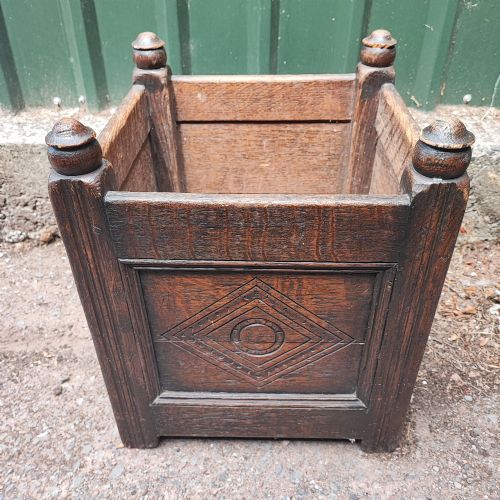
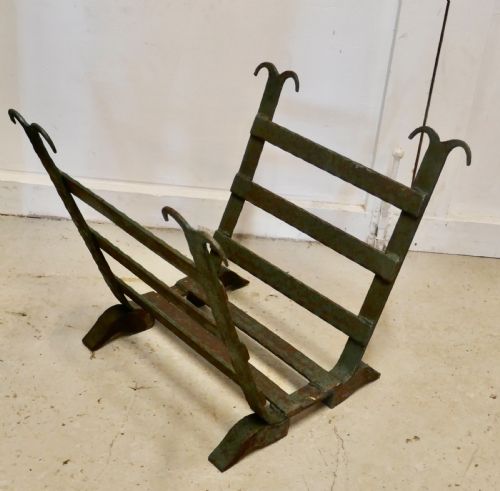
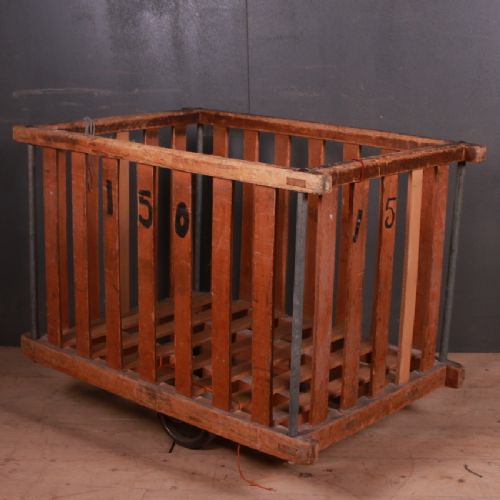
A vintage firewood store encompasses practical hearth vessels designed to keep logs and coal near the fireplace, ranging from heavy iron bins to country oak boxes. Buyers seeking a vintage firewood store encounter robust utilitarian containers shaped for domestic hearths across the nineteenth and early twentieth centuries.
The selections on this page draw from periods spanning the Victorian era through the nineteen-thirties, featuring robust regional styles like rustic farmhouse and industrial utilitarian. Forms vary from lidded pine chests and cane baskets to riveted copper buckets and blacksmith-made iron carriers.
Origins stretch across English country houses and continental workshops, yielding practical items originally built for daily toil by the hearth. These pieces serve equally well today as fireside accessories or decorative storage bins in traditional and modern interiors.
How they were made
Makers constructed these pieces from enduring materials like solid oak, pine, copper, brass, iron, and cane, choosing each substance for its structural strength and resilience near the hearth. Blacksmiths shaped heavy iron and wrought iron into riveted bands and carriers, while carpenters joined sturdy timbers with pegged or dovetailed joints.
Metal vessels often feature hand-beaten copper panels joined with visible rivets, paired with brass handles and fittings for durability. Woven cane and wooden slats provide lighter alternatives, utilising traditional basketry and cabinetry techniques to withstand heavy loads of timber.
Listings feature items from the 19th Century, Victorian period, and early 20th Century.
What varies in quality
Quality rests in the integrity of the construction, from the thickness of the hand-beaten copper and the weight of the blacksmith-forged iron to the soundness of the oak and pine timbers. Pieces featuring substantial gauge metal, tight joints, and original handles stand apart from lighter utilitarian iterations.
The distinction also lies in the preservation of original patination and honest wear acquired through decades of hearthside service. Superior examples retain their structural stability and original surface characteristics without compromising their utilitarian purpose.
The Vintage Firewood Store Glossary
- Log bin
- A large container designed specifically to store firewood beside a hearth. These vessels appear in metal, wood, and cane.
- Inglenook
- A recessed space around a fireplace where heavy iron carriers and log bins traditionally sat. Such items were built to withstand intense hearth heat.
- Riveted
- Fastened with metal pins whose ends are beaten flat, commonly seen on copper and brass coal buckets and log bins. This method ensures lasting structural strength under heavy use.
- Wrought iron
- Iron beaten into shape by a blacksmith rather than cast in a mould, frequently utilised for sturdy log carriers and bins. Each piece displays distinct hammer marks from its creation.
- Country house
- A large domestic estate from which many substantial oak and pine log boxes originate. These items combined practical utility with regional craftsmanship.
Vintage Firewood Store: Frequently Asked Questions
How do I clean a copper log bin?
Wipe the surface gently with a soft, damp cloth to remove dust and debris without harming the aged patina. Avoid harsh chemical cleaners that strip the historic finish.
Dry the metal thoroughly after cleaning to prevent spotting or corrosion on the antique copper and brass surfaces.
Can I use these baskets for modern logs?
These robust vessels accommodate standard firewood logs safely, provided the interior is kept reasonably dry. Strong cane and metal bins were originally built for heavy daily loads.
Inspect the base of older wooden or woven containers to ensure they remain strong enough to bear heavy timber without strain.
How do I date a wooden log box?
Examine the timber species, joinery methods, and overall construction style to determine the likely period of manufacture. Oak and pine boxes often display nineteenth-century vernacular woodworking traits.
Look for tool marks and hardware types that correspond to Victorian or Arts and Crafts production techniques.
Are iron log carriers heavy?
Blacksmith-made iron pieces possess substantial weight due to the solid metal used in their construction. This heft ensures they remain stable when loaded with heavy fuel.
Consider the weight of the metal vessel when deciding where to place it near your fireplace.