






Wooden Library Case
These wooden library case pieces span Victorian mahogany cabinets to oak bookcases, offering functional storage and period character for any study.
Wooden Library Case
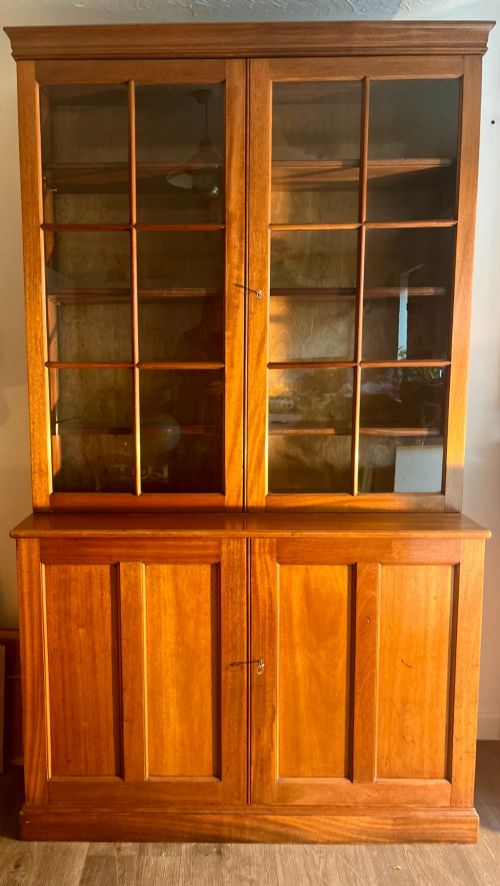
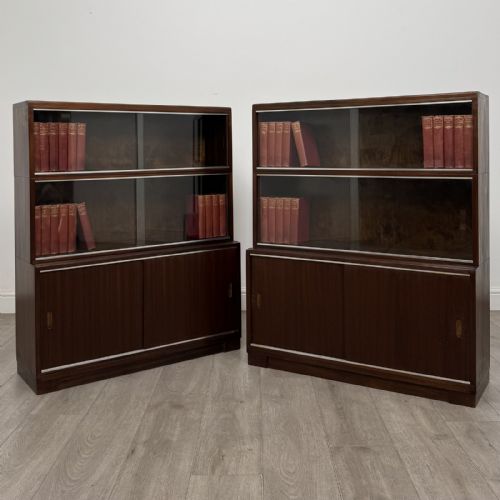
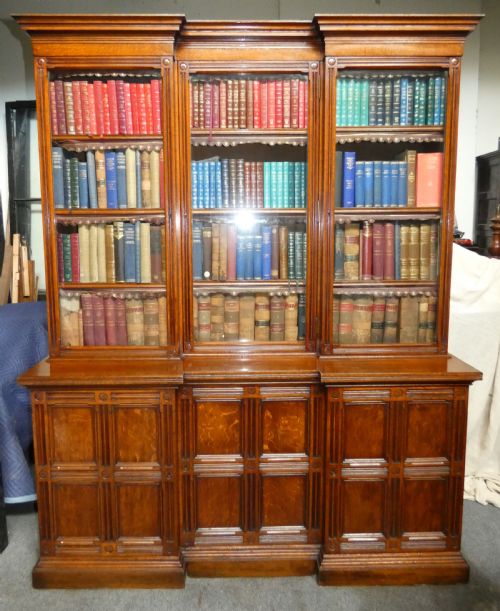
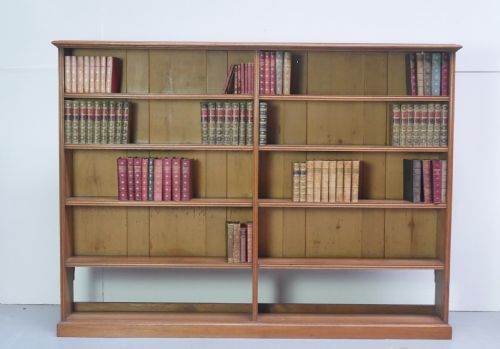
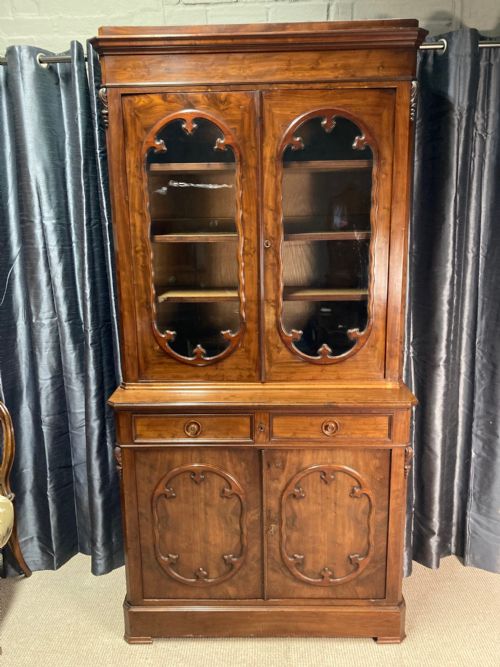
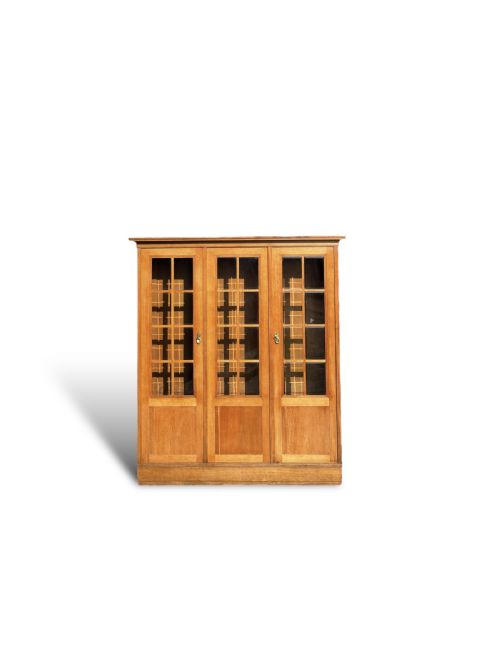
When you search for a wooden library case, you find a selection of furniture and instruments designed for study spaces, predominantly featuring bookcases, display cabinets, and library clocks. The items range from Georgian cupboard bookcases and Victorian open mahogany shelves to early twentieth-century oak stacking bookcases and glazed cabinets.
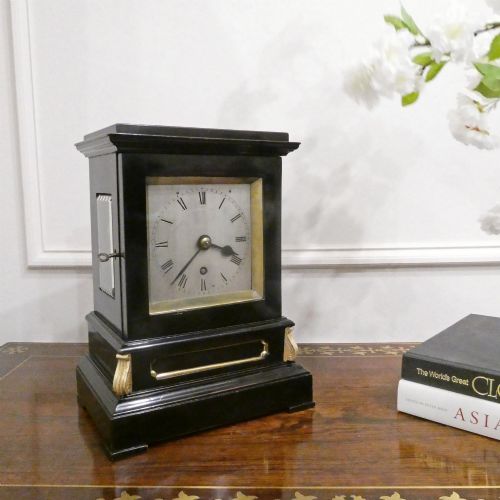
You are most likely to encounter Victorian and Edwardian examples on this page, alongside earlier Georgian forms and later mid-century pieces. The selection also includes related scientific items such as telescopes and library clocks housed in wooden and brass cases.
How they were made
Makers utilised solid timbers and veneers, predominantly mahogany and oak, often accented with satinwood or finished with ebonised treatments. Glass doors and adjustable shelves appear frequently in the cabinetry, allowing for the display and organisation of books.
Metal components such as brass and steel feature in hardware, clock movements, and scientific instruments like the cased telescopes. Fusee clock movements and sliding glass doors demonstrate the mechanical and joinery techniques employed across the periods.
Wooden Library Case Retail Price Guide 2026
Typical asking prices for wooden library case among the pieces listed under this phrase on Sellingantiques today, from the lower quarter to the upper quarter. They describe what is for sale here now, not the wider market.
Listings feature oak and mahogany as the predominant woods, alongside brass hardware and glass doors.
What varies in quality
The standard of timber selection and cabinet construction dictates the distinction between ordinary utility items and finer pieces. Better examples display carefully matched wood grains, precise joinery in adjustable shelving systems, and high-grade glass panels.
Horological and scientific pieces rely on the reputation of the maker and the complexity of the mechanism, such as fusee movements housed within the clock cases. The integrity of the original materials, from brass fittings to ebonised surfaces, marks the upper tier of the range.
Dent·McCabe London·Chadburn Brothers of Sheffield
The Wooden Library Case Glossary
- Fusee
- A conical pulley used in clock movements to maintain equal power as the mainspring unwinds. This mechanism is frequently found in quality library clocks.
- Ebonised
- Wood treated to imitate ebony, creating a dark, uniform finish. It appears on nineteenth-century clock and furniture cases.
- Satinwood
- A durable, yellowish timber used for decorative veneers and inlay work. Cabinetmakers paired it with darker woods like mahogany for contrast.
- Stacking bookcase
- Modular shelving units designed to be stacked vertically, popular in the early twentieth century. These pieces offer flexible storage for growing collections.
Wooden Library Case: Frequently Asked Questions
What is a wooden library case?
A wooden library case typically refers to furniture and clocks built for studies and libraries, including bookcases, display cabinets, and table clocks.
The category spans multiple centuries, incorporating Georgian, Victorian, and Edwardian examples made from oak, mahogany, and ebonised wood.
How do I identify a Victorian bookcase?
Victorian bookcases often feature adjustable shelves, glazed or open fronts, and dense timbers like mahogany or oak.
Details such as ebonised finishes or Gothic revival styling help narrow down the specific decade of manufacture within the Victorian era.
What is a fusee library clock?
A fusee library clock is a timekeeper driven by a chain and a conical pulley mechanism that ensures steady tension for accurate timekeeping.
These clocks are typically housed in polished wooden cases designed to sit on a desk, mantel, or shelf in a study.
Are stacking bookcases period pieces?
Stacking bookcases found in these listings date from the early twentieth century, designed with modular sections for practical book storage.
They combine utilitarian function with mahogany or oak construction, suiting both traditional and contemporary interiors.