



Wooden Kitchen Storage
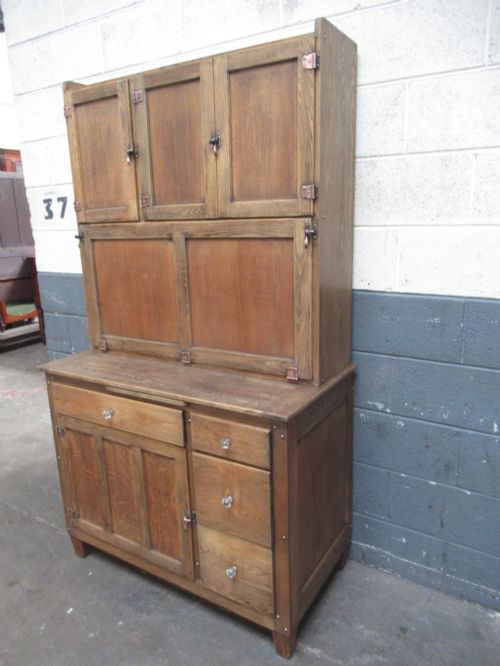
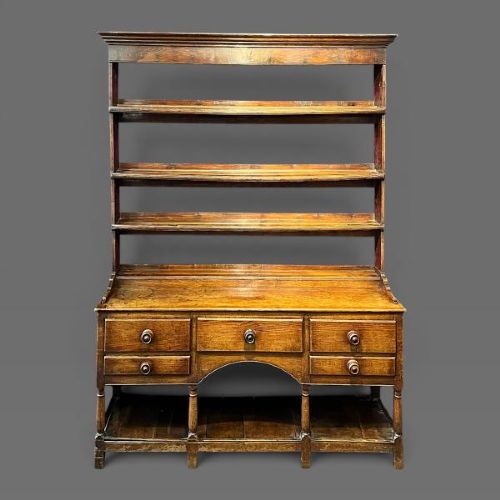
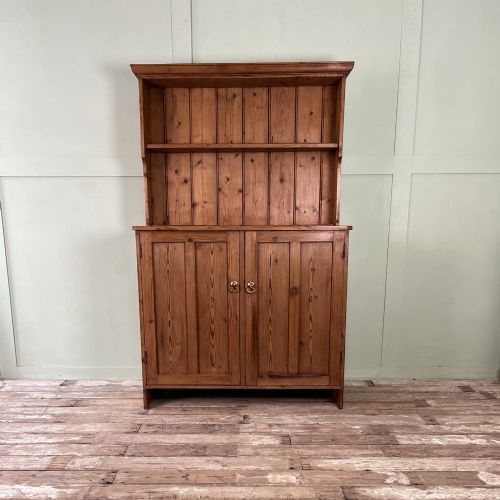
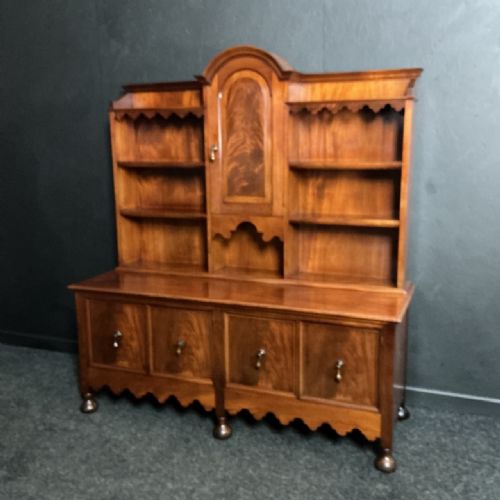
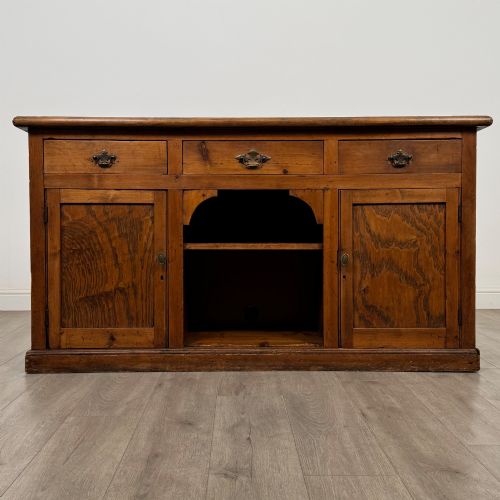
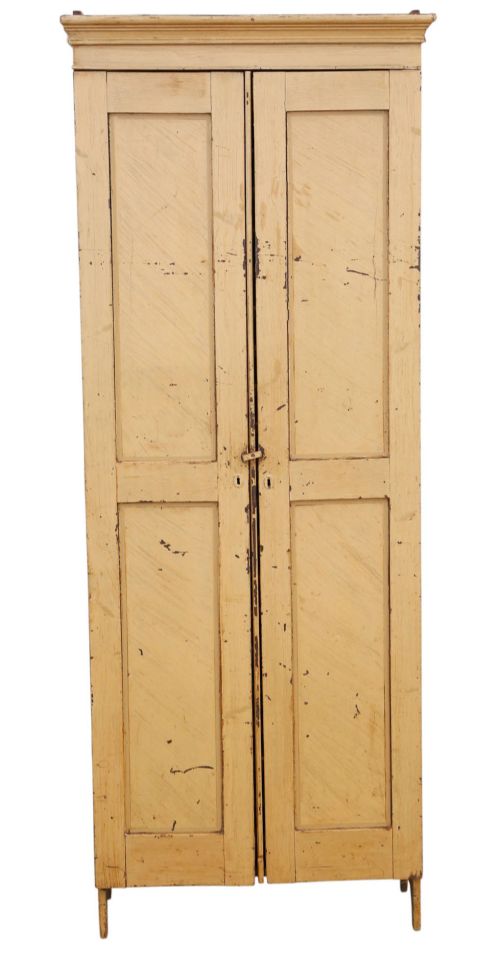
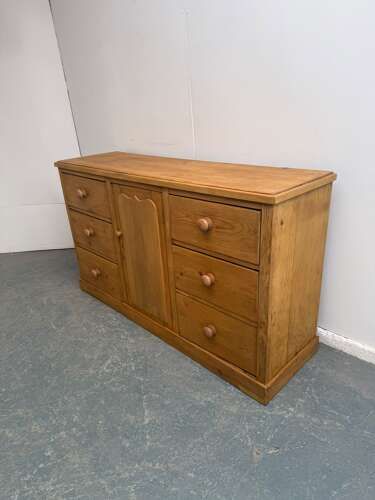
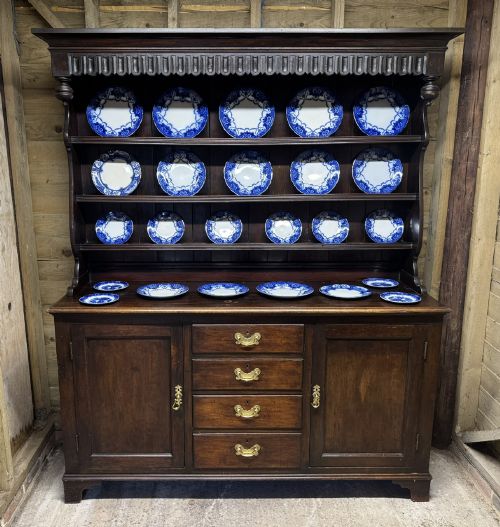
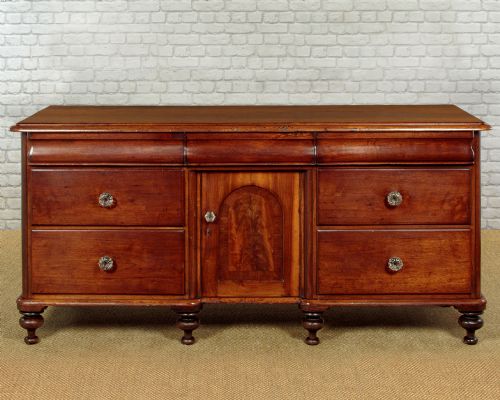
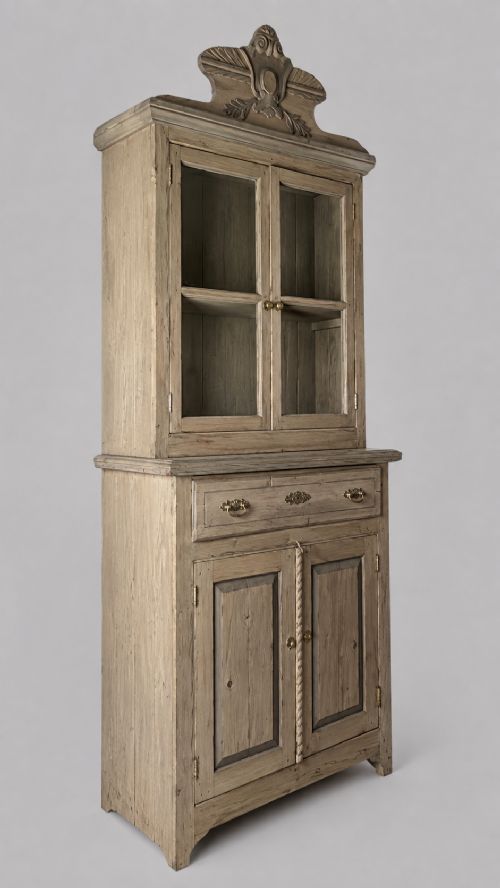
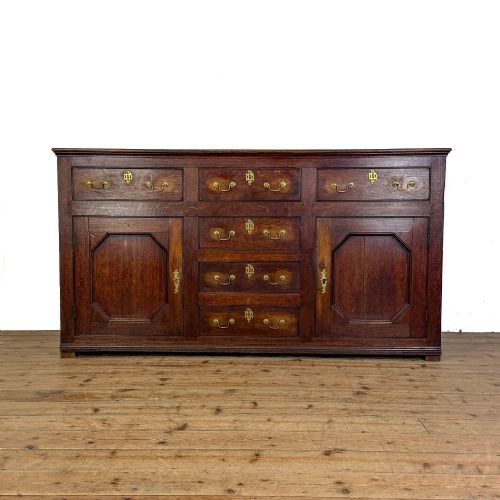
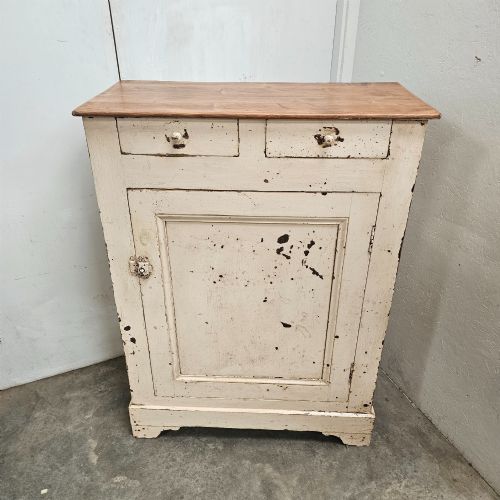
These wooden kitchen storage pieces range from sturdy pine dressers to oak spice cabinets built to hold household provisions.
Wooden Kitchen Storage
When searching for wooden kitchen storage, buyers encounter practical furniture designed for domestic provisions, including dressers, larders, cupboards, and spice cabinets. These items originate from various periods such as the Georgian, Victorian, and Edwardian eras, reflecting everyday utility in past households.
The most common forms on this page are pine and oak dresser bases, housekeepers' cupboards, and larder cabinets. Many exhibit regional vernacular styles, spanning English country, French provincial, and Scandinavian country traditions.
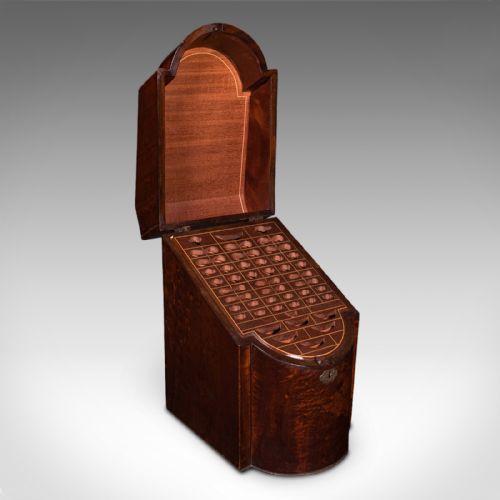
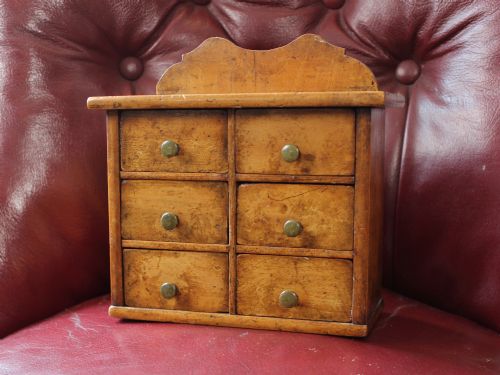
Beyond large storage furniture, the selection includes smaller accessories like spice drawers and wall-hanging boxes. These smaller items served specific culinary tasks in the preparation and organisation of food.
How they were made
Construction relies heavily on timbers such as pine, oak, mahogany, fruitwood, and walnut, chosen for their durability in domestic settings. Craftsmen joined panels using traditional methods to withstand the heavy daily demands of storing food and utensils.
Many surfaces retain original paint finishes, wax layers, or iron banding used for structural reinforcement on larger storage bins. Hardware typically consists of brass or iron fittings, which secure doors and drawers whilst adding functional detail.
Wooden Kitchen Storage Retail Price Guide 2026
Typical asking prices for wooden kitchen storage among the pieces listed under this phrase on Sellingantiques today, from the lower quarter to the upper quarter. They describe what is for sale here now, not the wider market.
What varies in quality
Quality separates through the integrity of the timber, the retention of original paint or wax surfaces, and the subtlety of construction details. Pieces retaining honest patination and untouched regional characteristics stand apart from heavily altered examples.
Proportion and scale also dictate distinction, particularly in how drawers and cupboards are fitted within the overall frame. Better examples display balanced proportions and functional iron or brass hardware appropriate to their period.
The Wooden Kitchen Storage Glossary
- Dresser base
- A lower sideboard unit often featuring drawers above cupboards, historically used for food preparation and storage.
- Housekeeper's cupboard
- A tall, large storage cabinet used in substantial homes for linens, dry goods, and kitchen provisions.
- Confiturier
- A French jam cupboard typically featuring a single door above or below a small drawer, designed for preserving storage.
- Spice cabinet
- A small wall-hanging or table-top wooden box containing multiple small drawers for herbs and aromatics.
- Iron banded
- Featuring strapwork or bands of iron fixed around the timber body to provide structural strength for heavy loads.
Wooden Kitchen Storage: Frequently Asked Questions
What is a housekeepers cupboard?
A housekeeper's cupboard is a tall, large storage unit traditionally utilised for keeping dry goods, provisions, and household linens organised. These substantial pieces provide deep shelving enclosed by wooden doors.
They originate mostly from the nineteenth century and reflect the functional demands of large country houses or domestic service quarters.
How do I identify a dresser base?
A dresser base consists of a solid wooden lower cabinet featuring a combination of working drawers and cupboards beneath a flat top surface. Unlike full dressers, they lack the upper plate rack.
These pieces served as workspace for food preparation while offering concealed storage for kitchen utensils and tableware.
Are these pieces made from pine?
Many listings utilise pine as the primary timber, often found in waxed, polished, or original painted finishes. Pine was a practical choice for everyday domestic furniture in country kitchens.
Other items utilise hardwoods such as oak, mahogany, and fruitwood depending on the regional origin and the period of manufacture.
How do I care for antique wooden storage?
Maintenance involves keeping wooden surfaces away from direct heat sources and excessive moisture to prevent warping or splitting. Regular dusting with a soft cloth preserves the existing wax or paint finish.
Applying natural wax occasionally helps nourish older timbers without altering the historical patina acquired over decades of use.