


Wooden Kitchen Rack
A wooden kitchen rack organises domestic life with utility and honest charm, offering plate display and storage rooted in centuries of vernacular tradition.
Wooden Kitchen Rack
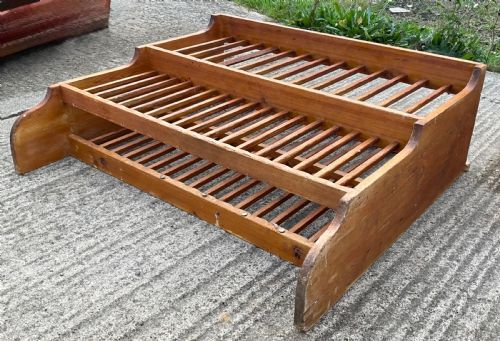
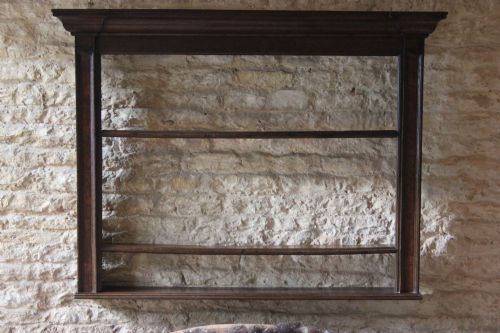
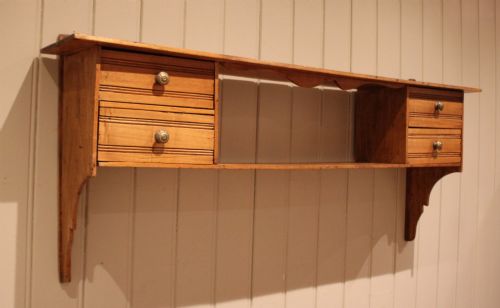
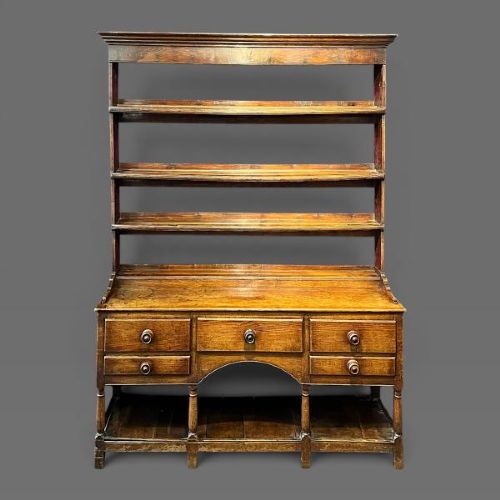
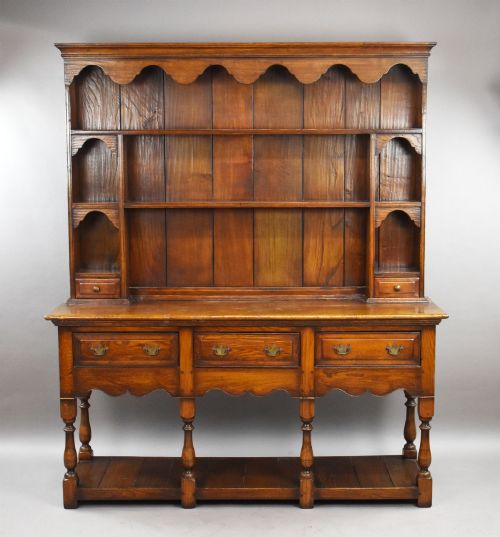
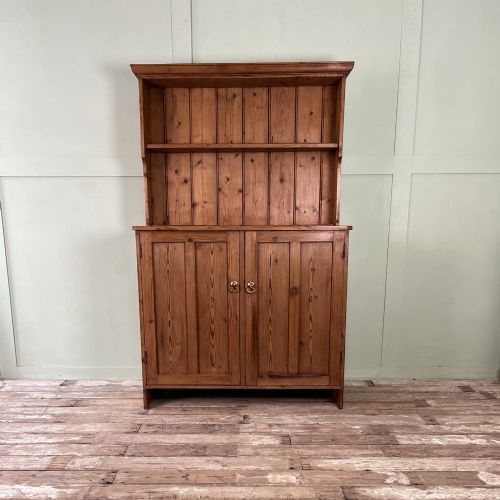
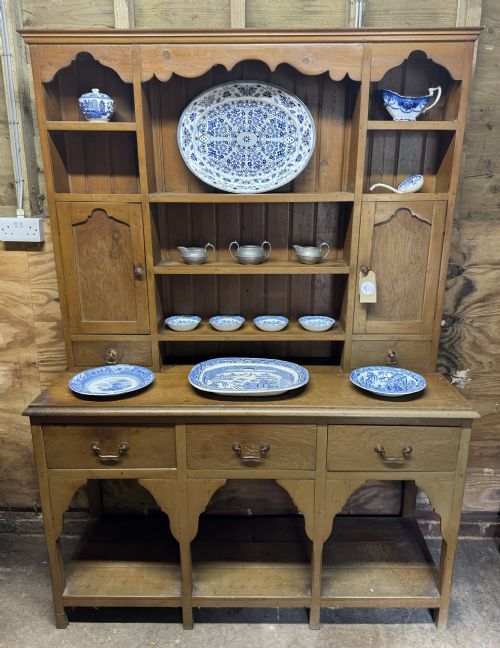
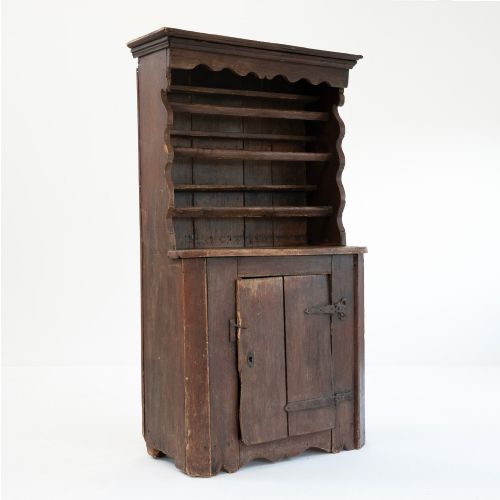
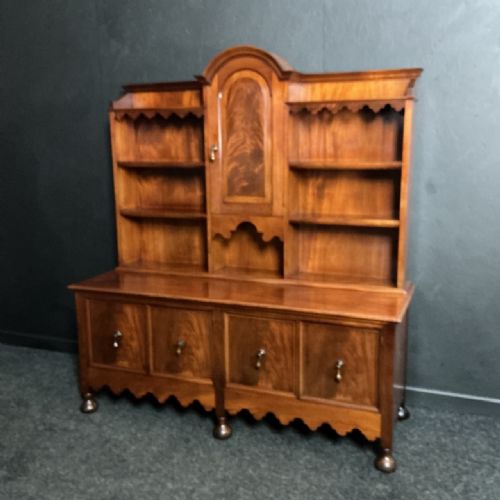
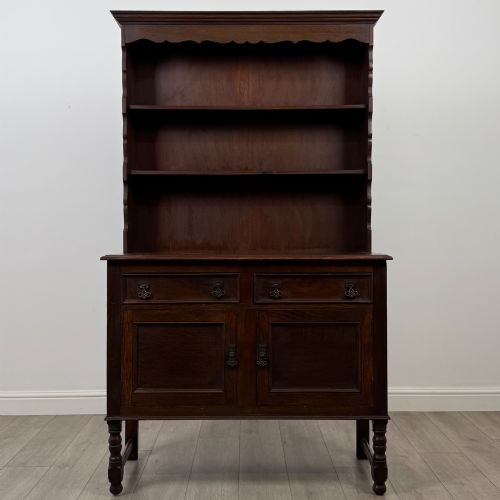
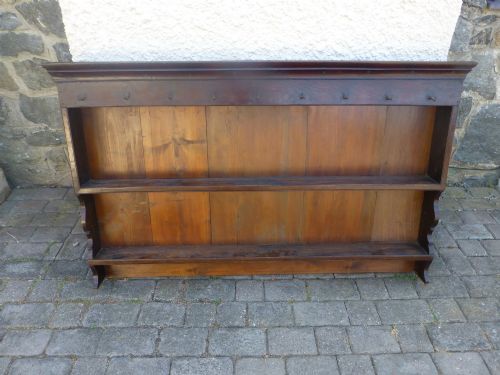
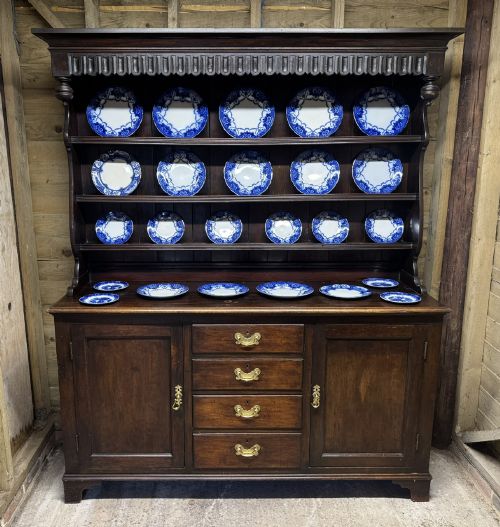
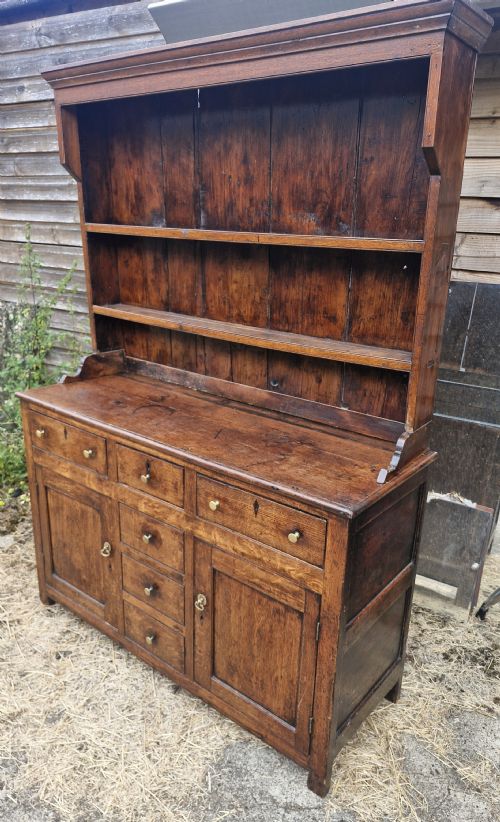
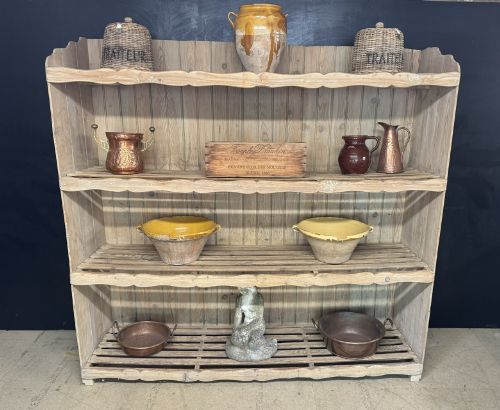
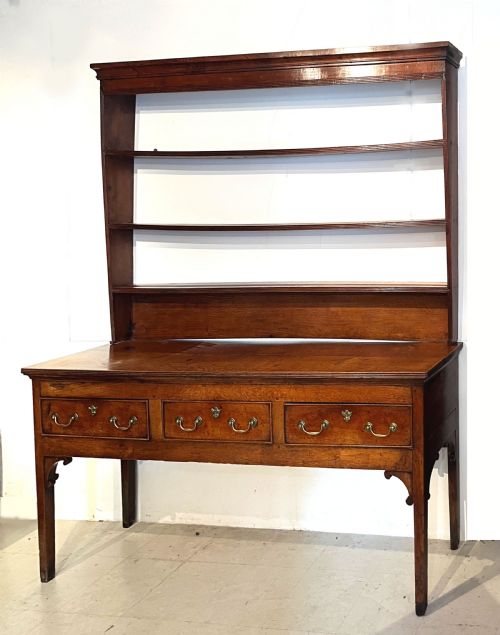
A wooden kitchen rack serves as a practical display for plates, spoons, and everyday culinary wares. Buyers seeking a wooden kitchen rack will encounter various forms, ranging from hanging wall shelves and plate racks to substantial Welsh dressers featuring integrated shelving.
The selection spans periods from the eighteenth century through the Edwardian era and the early twentieth century. Pieces emerge from regional traditions across England, Wales, France, Denmark, and America, reflecting local domestic habits.
Materials and construction
Carpenters relied primarily on native timbers such as oak, pine, elm, and walnut, often utilising fruitwoods or poplar for regional variants. Iron and brass hardware provided structural support and functional hinges, whilst painted finishes or wax highlighted the natural grain of the wood.
Joinery techniques prioritize durability, employing pegged joints, hand-turned legs, and dovetailed drawers suited to daily agrarian and domestic use. Surfaces developed a distinct patina over generations of cleaning and handling in bustling kitchens.
Wooden Kitchen Rack Retail Price Guide 2026
Typical asking prices for wooden kitchen rack among the pieces listed under this phrase on Sellingantiques today, from the lower quarter to the upper quarter. They describe what is for sale here now, not the wider market.
Listings feature eighteenth-century and nineteenth-century pieces alongside early twentieth-century examples in oak, pine, elm, and walnut.
Assessing craftsmanship and proportion
Quality rests upon the integrity of the timber selection and the harmony of regional proportions. Superior examples retain their original hanging racks or plate rails, unmodified by later alterations.
The depth of the patina and the subtlety of hand-carved or turned details distinguish standard utility furniture from finer country workshop production.
The Wooden Kitchen Rack Glossary
- Welsh dresser
- A traditional kitchen storage unit combining base cupboards or drawers with an upper open rack for displaying plates. It originated as a utilitarian piece for rural homes.
- Delft rack
- An open wall-mounted shelving unit specifically designed to display ceramic plates upright. The shelves often feature a narrow groove to keep plates from slipping.
- Pot board
- The lower open shelf situated near the floor on traditional dressers, originally intended for storing heavy pots and pans. It defines many vernacular oak pieces.
- Patina
- The deep surface sheen and mellow colour developed by wood over decades or centuries of exposure to light, wax, and human touch. It serves as an indicator of age.
- Vernacular furniture
- Domestic pieces made by local tradesmen for everyday use rather than following high-style metropolitan designs. These items prioritize local materials and practical function.
Wooden Kitchen Rack: Frequently Asked Questions
What is a wooden kitchen rack used for?
These pieces functioned historically as the central storage and display hub for domestic crockery, utensils, and provisions in busy household kitchens. They kept everyday plates and spoons within arm's reach while airing out damp ceramics after washing.
Today, they serve a similar practical purpose in modern homes, allowing collectors to display vintage dishware and dry goods while adding rustic warmth to kitchen walls or dining spaces.
How do I date an antique wooden rack?
Dating relies on examining the timber species, joinery methods, and the tool marks left by the carpenter. Eighteenth-century examples often feature pegged oak construction and hand-sawn boards, whereas Edwardian and later pieces display more uniform machining.
Hardware such as brass pulls, iron hinges, and the presence of original painted finishes or surface wax also provide reliable clues to the period of manufacture.
Are these racks suitable for modern walls?
Hanging wall racks and plate shelves require secure installation into masonry or wall studs due to the substantial weight of solid hardwood and stacked ceramics. Proper wall anchors ensure the piece safely supports heavy daily loads.
Free-standing dressers with integrated racks offer an alternative for rooms where wall mounting is impractical, providing stable floor placement while fulfilling the same storage role.
What is the difference between a dresser and a wall rack?
A wall rack is a self-contained shelving unit designed to be mounted directly onto a wall surface for plate and spoon display. It takes up no floor space and functions independently.
A dresser combines a lower base of cupboards, drawers, or a pot board with an upper plate rack, forming a single, heavy piece of furniture that rests on the floor.