




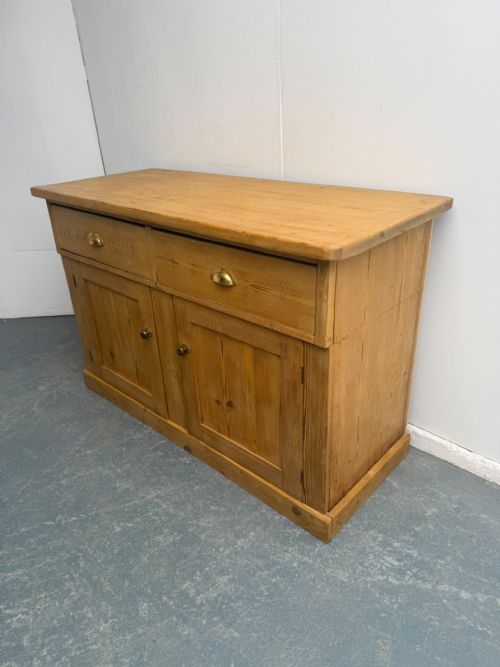
Wooden Kitchen Cupboard
A wooden kitchen cupboard brings honest utility and vernacular character to a room, offering practical storage grounded in centuries of domestic tradition.
Wooden Kitchen Cupboard
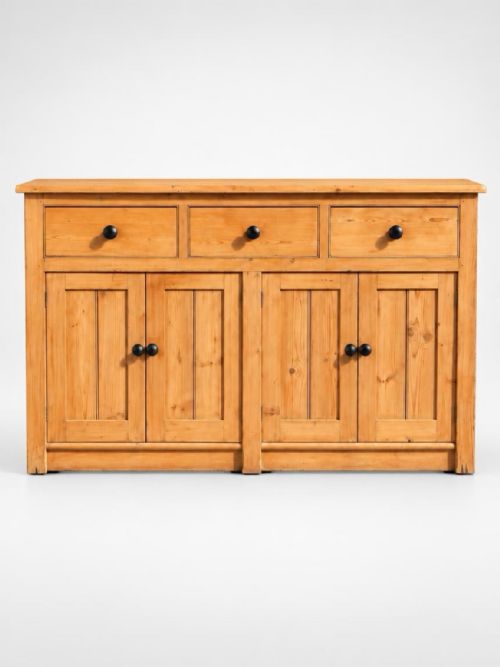
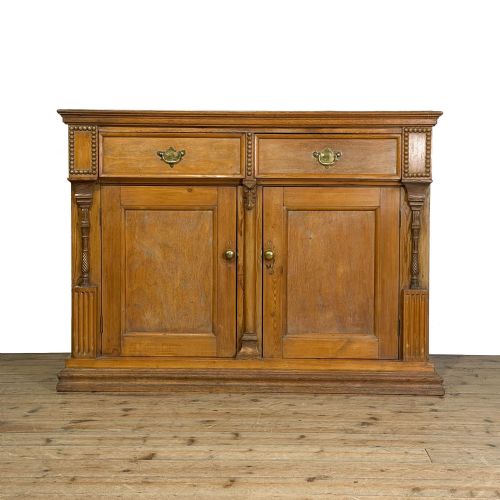
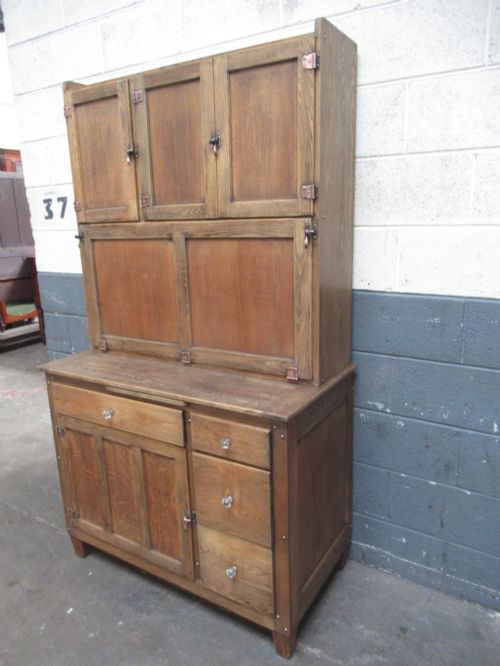
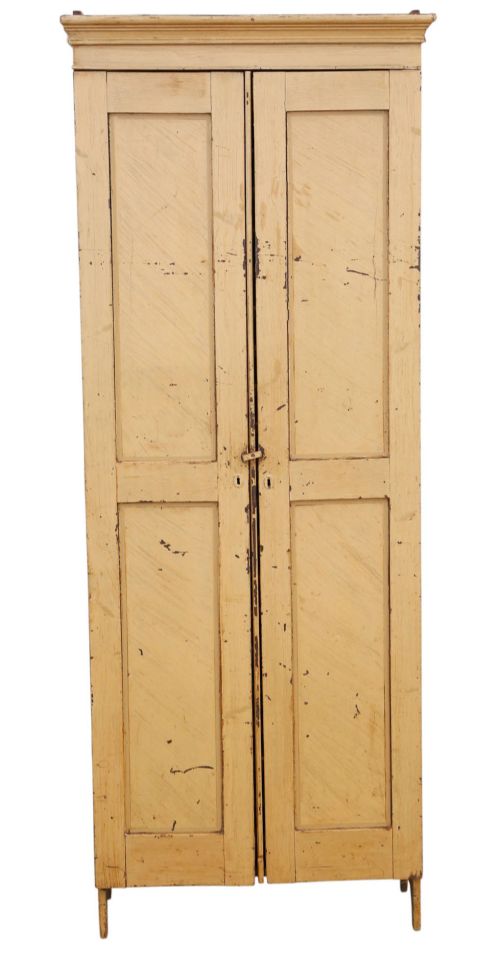
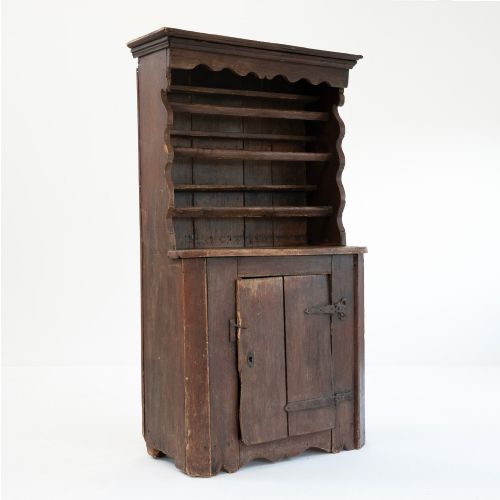
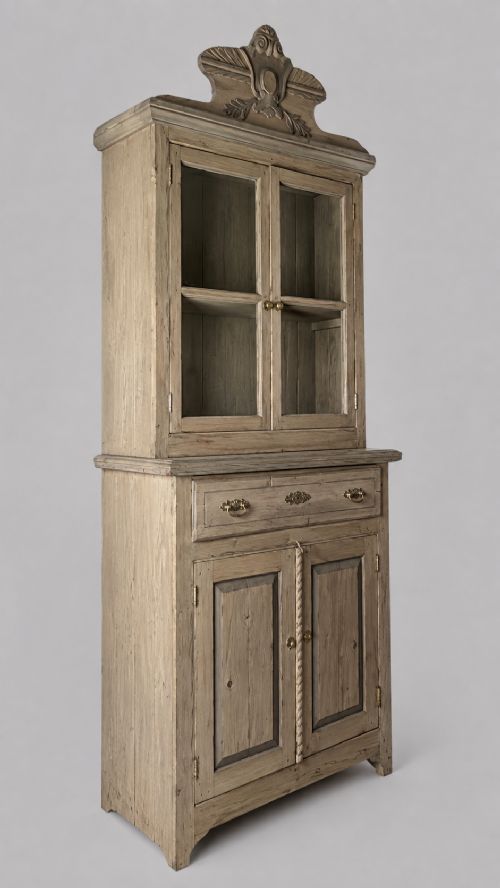
A wooden kitchen cupboard encompasses robust country furniture designed for storage, from tall housekeeper's cupboards and larder cabinets to low dresser bases and spice drawers. Buyers browsing this selection meet pieces spanning the eighteenth, nineteenth, and early twentieth centuries, reflecting diverse regional domestic traditions.
Pine and oak predominate among the forms, often shaped by regional styles such as French Provincial, English Country, Georgian, and Victorian. Many examples originate from British workshops, alongside provincial French cabinets, Danish dressers, and Japanese kitchen tansu.
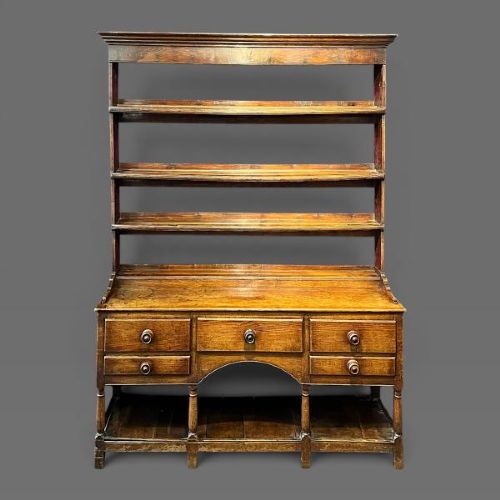
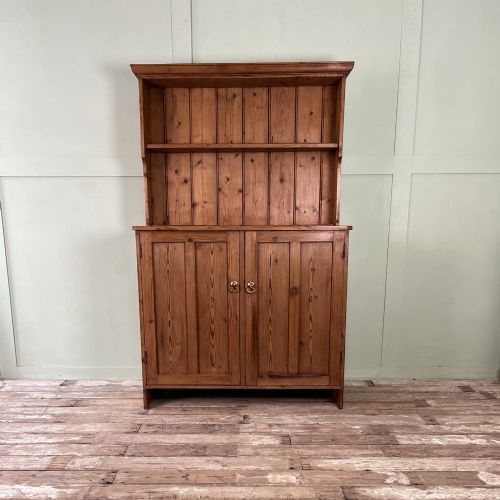
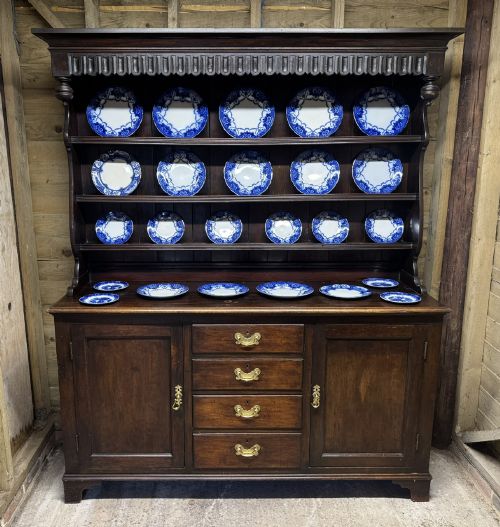
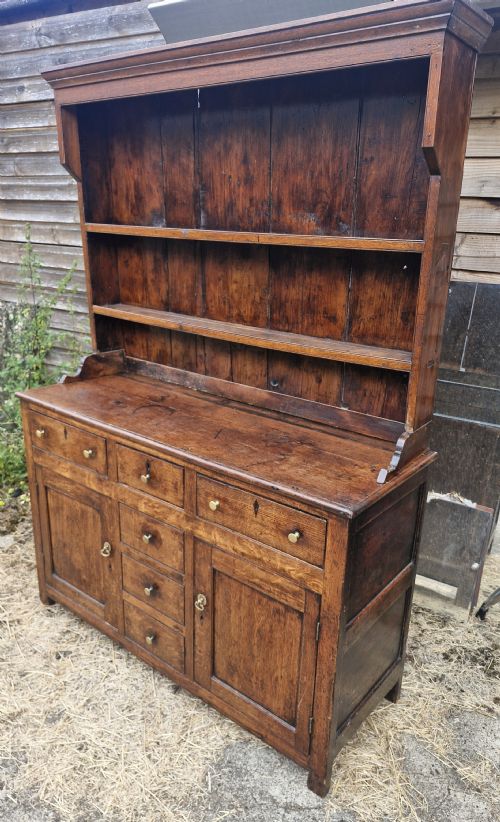
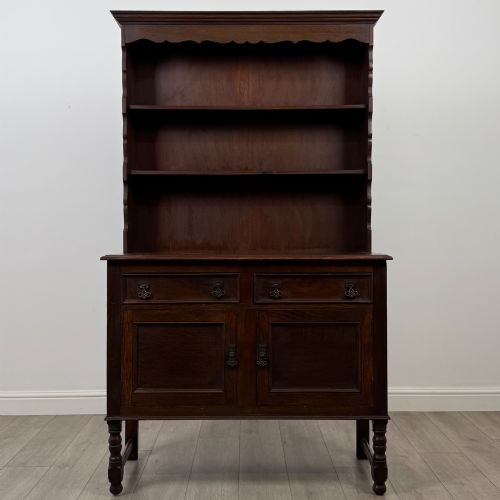
The most frequent encounters on this page are nineteenth-century pine dresser bases and oak Welsh dressers, which combine deep storage capacity with display shelving or surface work areas. These pieces served central roles in historic kitchens and pantries before finding a place in modern homes.
Proportions and Surface Integrity
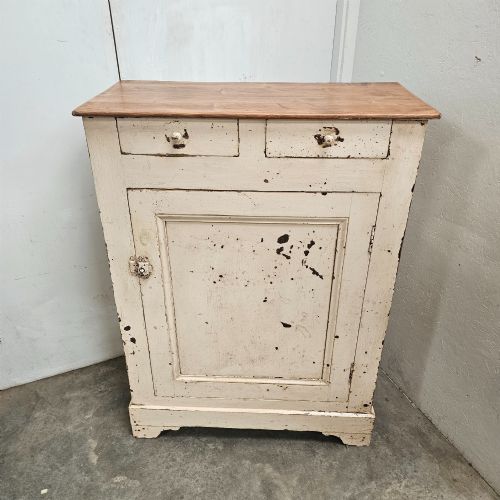
Quality rests in the balance of proportions and the retention of original surfaces, whether patinated bare wood or historic layered paint. Pieces retaining their original hardware, backboards, and unaltered structural timber command greater interest among collectors.
Subtlety of regional detail, such as turned legs on Edwardian dressers or shaped aprons on eighteenth-century oak cabinets, distinguishes standard vernacular items from finer examples of country craftsmanship.
Wooden Kitchen Cupboard Retail Price Guide 2026
Typical asking prices for wooden kitchen cupboard among the pieces listed under this phrase on Sellingantiques today, from the lower quarter to the upper quarter. They describe what is for sale here now, not the wider market.
Historic spice drawers occasionally retain lingering aromatic hints of nutmeg and cinnamon embedded within the oak joints.
Rushworth's
The Wooden Kitchen Cupboard Glossary
- Dresser base
- A low cabinet featuring drawers and cupboards beneath a flat work surface, historically used for food preparation and storage.
- Pot board
- An open lower shelf built into a dresser, originally designated for storing heavy pots and culinary vessels.
- Panetiere
- A ventilated wall or standing cabinet traditional in French provincial kitchens, designed specifically to store and protect bread.
- Welsh dresser
- A large kitchen unit combining lower storage cupboards with upper open shelving intended for displaying plates and ceramics.
- Spice cupboard
- A small wall-hanging or tabletop cabinet containing multiple miniature drawers for storing herbs, spices, and valuable provisions.
Wooden Kitchen Cupboard: Frequently Asked Questions
What is a Welsh dresser?
A Welsh dresser is a traditional kitchen furniture piece combining a solid lower section of drawers and cupboards with an upper plate rack. It served as the central storage and display hub for domestic tableware in historic homes.
Today, these pieces function well in modern kitchens or dining rooms for organising crockery while adding substantial historic character to the interior.
How do I care for a waxed pine cupboard?
Waxed pine benefits from occasional application of quality beeswax to nourish the timber and maintain a soft protective sheen. Avoid placing wooden furniture near direct heat sources or in damp environments to prevent the wood from warping.
Clean surfaces with a dry or lightly damp cloth, steering clear of harsh chemical sprays that strip the historic wax finish.
Are painted cupboards original?
Many kitchen cupboards retain original historic paint layers applied decades or centuries ago, which add significant character and collectable value. Other pieces feature later decorative paint finishes applied to suit domestic tastes over time.
Examining the wear patterns, pigment types, and underlying timber helps determine the age of the paint surface relative to the cabinet structure.
Where were larder cupboards used?
Larder cupboards stood in cool pantries or kitchens before the widespread adoption of domestic refrigeration, serving to store perishable food items securely. Their enclosed shelving and panelled doors kept provisions protected from dust and pests.
In contemporary spaces, they provide exceptionally deep and organised storage for modern kitchen groceries and appliances.