

Wooden Kitchen
A wooden kitchen antique brings honest utility and time-worn character into a home, from sturdy pine tables to elm Windsor chairs.
Wooden Kitchen
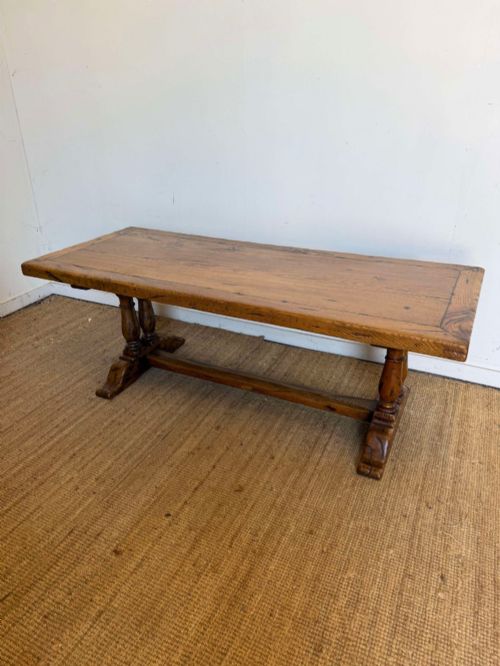
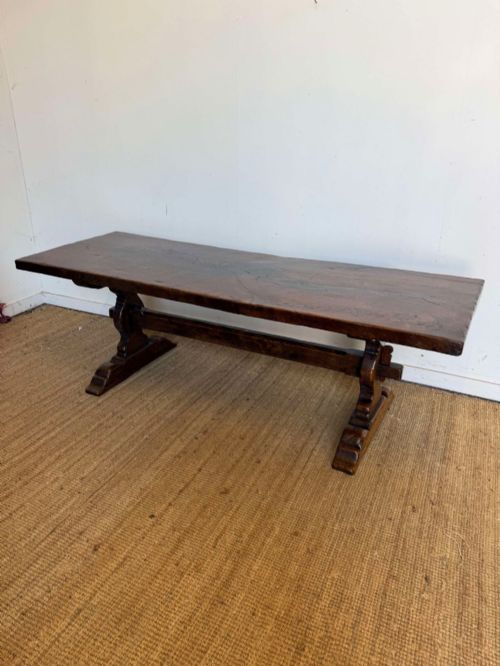
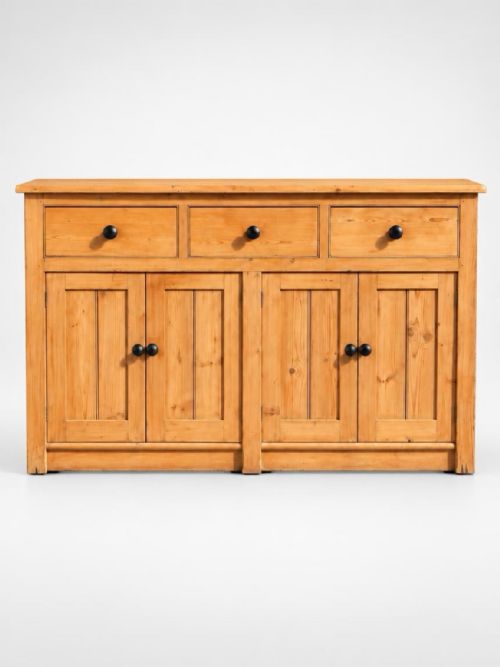
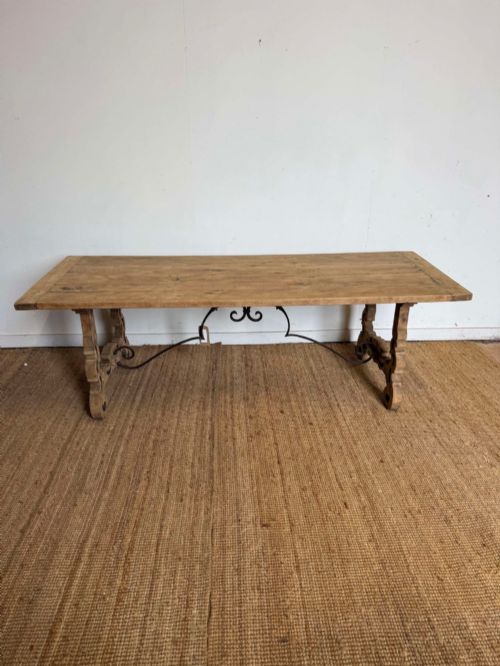
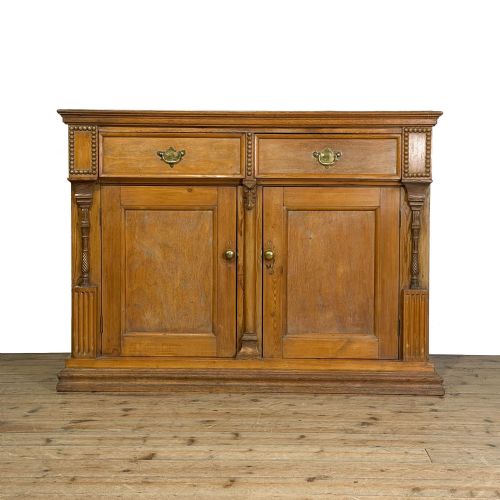
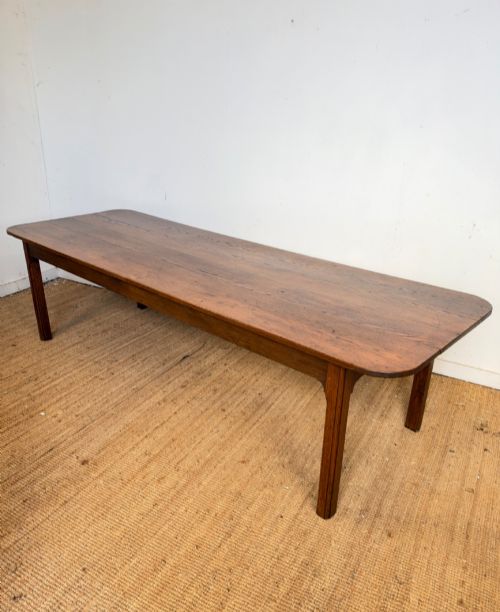
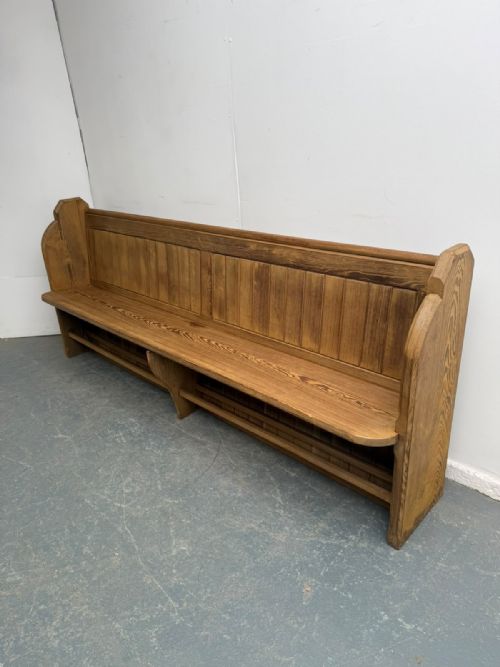
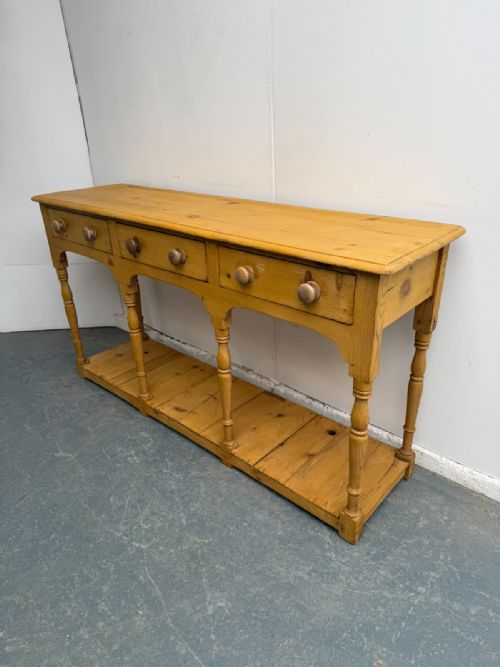
When searching for a wooden kitchen antique, buyers encounter substantial furniture built for daily domestic labour rather than formal parlour display. The selection on this page centres on sturdy tables, seating, and storage pieces designed to withstand heavy everyday use.
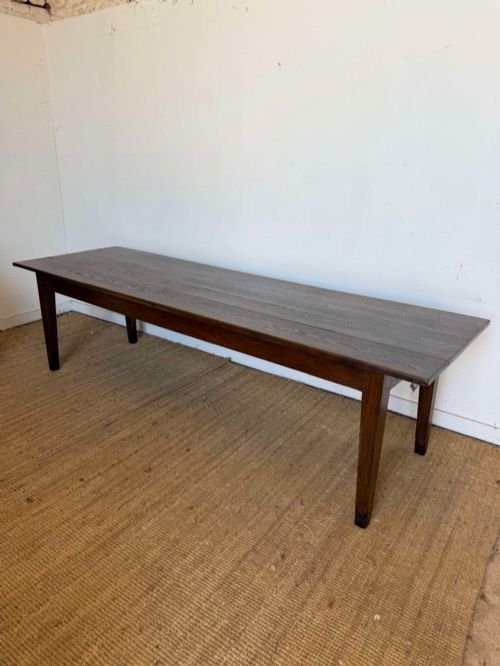
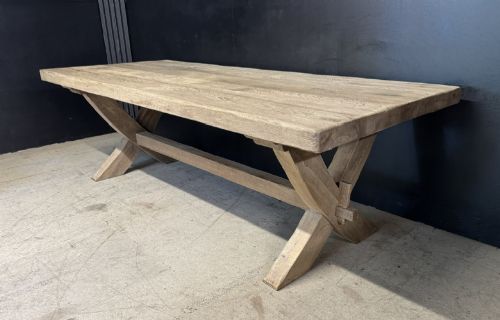
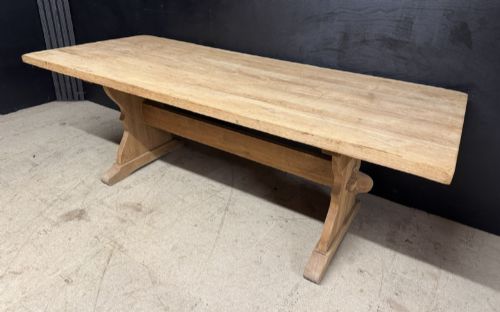
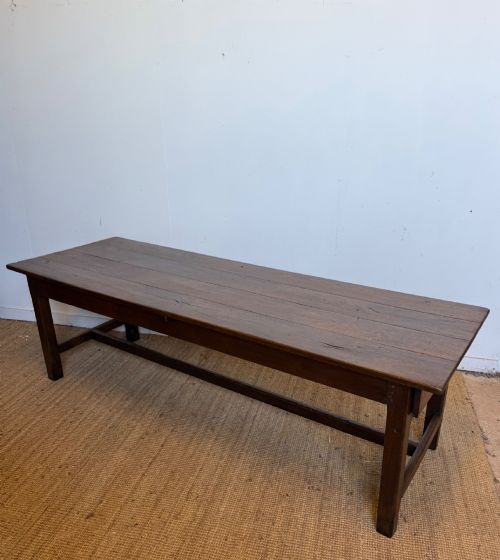
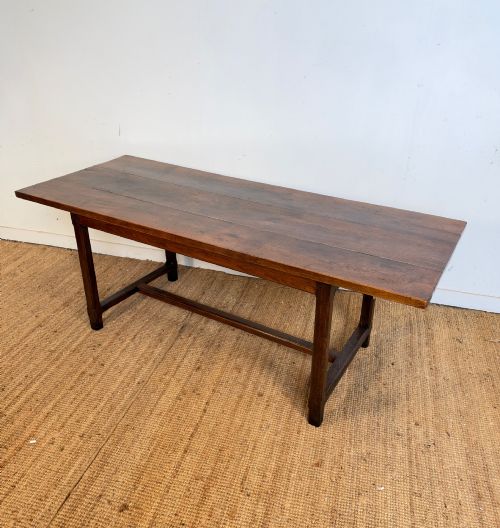
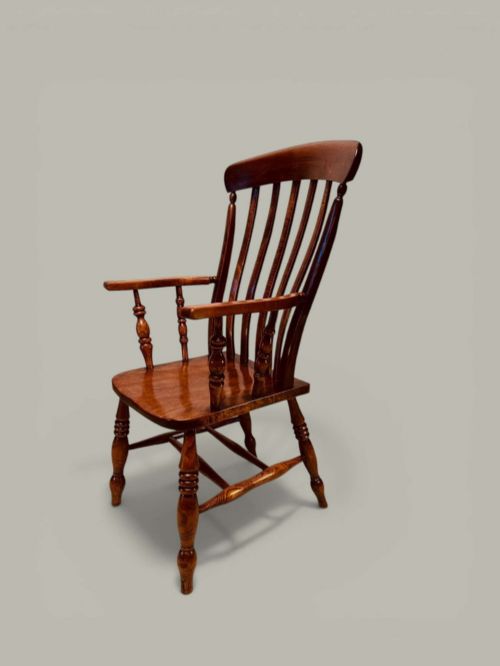
The most common forms include large farmhouse dining tables, Windsor chairs, and scrub-top prep tables originating from periods spanning the eighteenth, nineteenth, and early twentieth centuries. These items reflect traditional British and European country life, constructed to serve practical functions in busy kitchens and dining spaces.
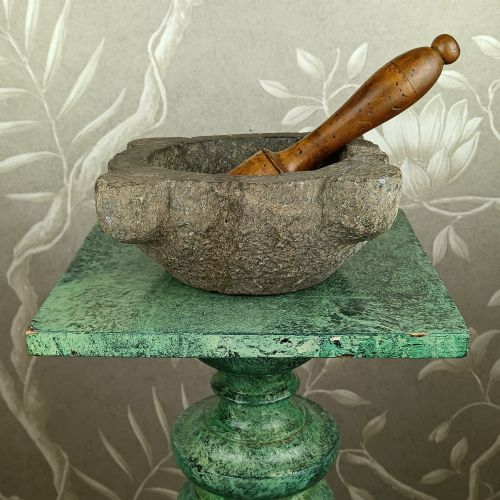
The materials reflect what was locally available and robust, predominantly featuring heavy woods like oak, pine, and elm alongside fruitwoods and chestnut. Buyers find pieces shaped by utilitarian needs, such as dressers, salt boxes, and worktables with shelves or drawers.
How they were made
Construction relies heavily on native hardwoods and softwoods including oak, pine, elm, beech, and chestnut, selected for strength and durability. Joinery methods prioritise stability, utilising solid planks, pegged joints, and Windsor chair construction techniques where spindles are wedged into solid seats.
Surfaces often show evidence of hard use and practical finishes, including original paint, scrubbed tops, and occasional brass or iron hardware such as studded seats and winding mechanisms. Carpenters shaped these items by hand using local timber, resulting in thick twin planks and robust refectory frames.
Wooden Kitchen Retail Price Guide 2026
Typical asking prices for wooden kitchen among the pieces listed under this phrase on Sellingantiques today, from the lower quarter to the upper quarter. They describe what is for sale here now, not the wider market.
Listings feature woods such as oak, pine, elm, beech, chestnut, walnut, poplar, and fruitwood across the eighteenth, nineteenth, and early twentieth centuries.
What varies in quality
Quality in these domestic pieces is determined by the integrity of the original timber and the degree of unaltered survival. Items retaining their original paint, scrub tops, or untouched patination command greater interest than those stripped down or heavily restored.
Structural heft and timber selection set finer examples apart from standard utility items, particularly tables built from heavy oak planks or fruitwood rather than lighter secondary woods. The balance of proportions, especially in vernacular seating and large farmhouse tables, defines the upper tier of the range.
The Wooden Kitchen Glossary
- Refectory table
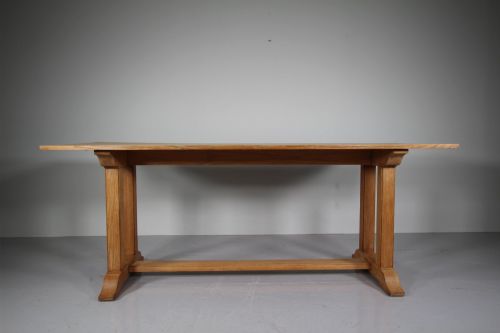
- A long narrow dining table traditionally used for communal dining. These pieces feature substantial wooden legs connected by low stretchers for extra stability.
- Windsor chair
- A wooden chair constructed with a solid wooden seat into which the back and legs are separately bored and wedged. Examples often pair elm seats with beech or ash spindles.
- Scrub top
- A plain wooden table top designed to be aggressively scrubbed clean with water and sand after food preparation. This process leaves the timber pale and deeply textured.
- Housekeepers cupboard
- A large tall storage cabinet used for housing linens, dry goods, and kitchen utensils. These pieces were essential fixtures in traditional large country houses.
Wooden Kitchen: Frequently Asked Questions
What defines a wooden kitchen antique?
These items are utilitarian furnishings built from woods like oak, pine, and elm for practical domestic tasks rather than formal display.
They include heavy farmhouse tables, Windsor chairs, prep tables, and storage dressers dating from the eighteenth century through to the early twentieth century.
How were these tables used originally?
Kitchen and farmhouse tables served as the central hub for food preparation, daily dining, and family work.
Sturdy construction in woods such as oak and chestnut allowed them to endure continuous heavy domestic labour without modern synthetic surfaces.
How do I care for antique wooden furniture?
Keep wooden pieces away from direct heat sources and sudden humidity shifts to prevent the timber from splitting.
Apply traditional wax sparingly and clean surfaces with a soft, dry cloth to preserve the natural patination built up over centuries.
How can I tell the period of a table?
Dating relies on observing construction methods, timber choice, and tool marks left by makers on the underside of planks.
Georgian and eighteenth-century examples often feature hand-sawn boards and pegged joinery, while later Victorian and twentieth-century items incorporate mechanical fasteners or different wood combinations.