

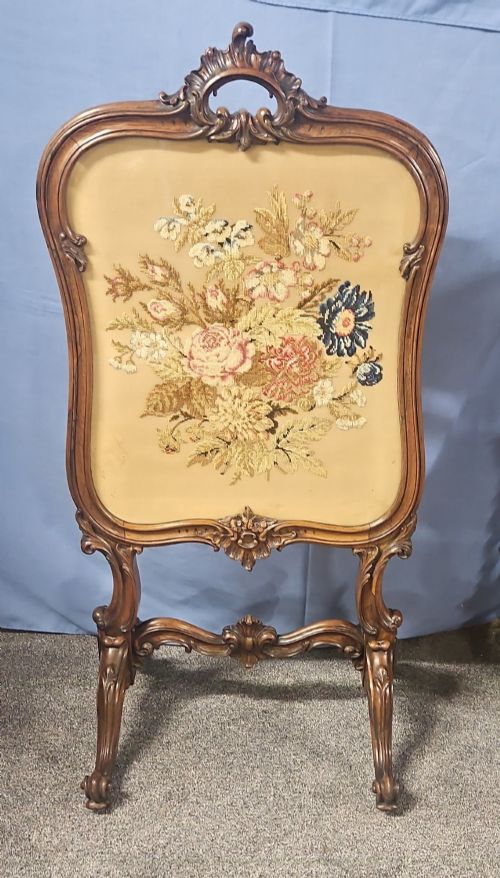


Wooden Hearth Screen
A wooden hearth screen is a traditional fireside guard designed to deflect heat or block draughts, bringing rich textures and period character to any room.
Wooden Hearth Screen
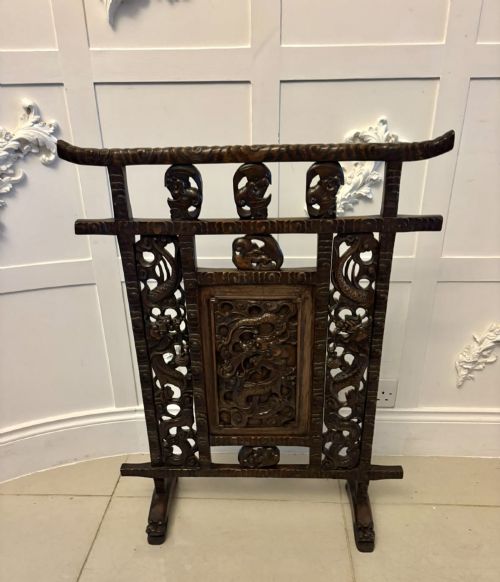
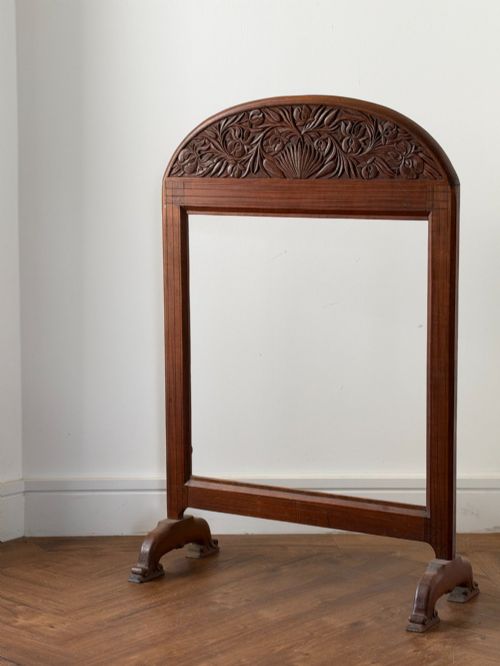
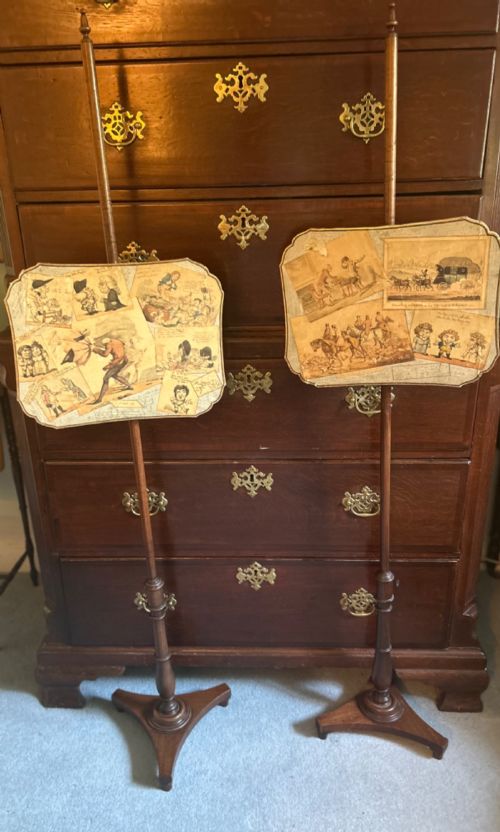
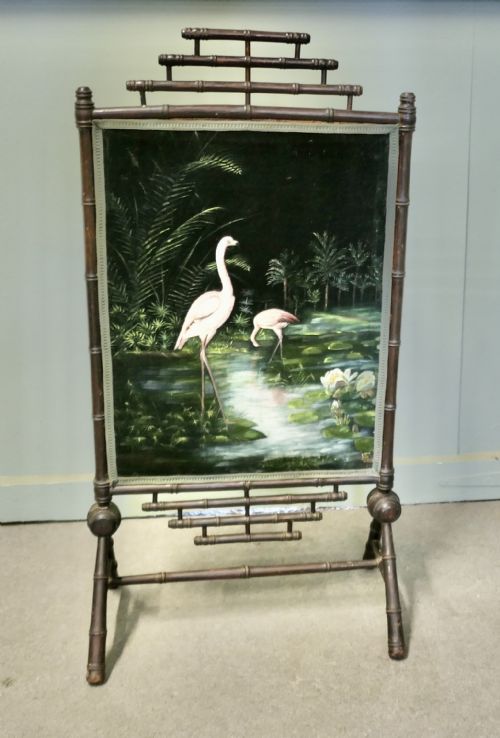
When you search for a wooden hearth screen, you encounter a variety of antique guards and shields designed to protect those sitting near an open fire from excessive heat. These pieces range from upright floor-standing frames to adjustable pole screens and folding table versions that sit near the grate.
The selections span multiple periods, with Victorian and Regency examples appearing frequently alongside Georgian, Edwardian, and later twentieth-century interpretations. You find standing panels and pole screens constructed to serve both a practical domestic function and a decorative purpose within the principal rooms of a house.
Makers utilised various native and exotic woods such as walnut, mahogany, oak, and satinwood to build the structural frames. These timbers frequently house decorative inserts including woolwork panels, needlepoint, glass, painted lacquer, and embroidered textiles.
How they were made
Joinery and cabinet-making techniques formed the solid wooden frames, utilising timbers like mahogany, walnut, and oak to create sturdy upright supports and feet. Carved ornamentation, turning, and applied mouldings frequently embellish the structural framework of the better pieces.
The central panels required specialist craft skills, incorporating woven textiles, Berlin work, needlepoint samplers, and embroidered pictures held securely within the wood. Other variations utilised glass, painted lacquer, or carved wood panels inset into the primary frame.
Adjustable mechanisms on pole screens and pull-out designs allowed the screen portion to slide vertically or extend outwards using brass fittings, bronze elements, or sliding wooden leaves.
Wooden Hearth Screen Retail Price Guide 2026
Typical asking prices for wooden hearth screen among the pieces listed under this phrase on Sellingantiques today, from the lower quarter to the upper quarter. They describe what is for sale here now, not the wider market.
The inserted panels display diverse materials, ranging from Berlin work and woolwork embroidery to painted lacquer and glass.
What varies in quality
The distinction between standard examples and superior pieces rests in the selection of timber and the depth of carving on the wooden frame. Dense, finely figured walnut, mahogany, or satinwood combined with crisp, hand-carved details signal a higher grade of manufacture.
The artistry and condition of the central panel heavily influence the overall quality, with finely executed needlework, tapestries, or painted lacquer work commanding greater visual interest. Original adjustable mechanisms, intact glass, and stable joinery further differentiate the finer survivals from simpler domestic items.
The Wooden Hearth Screen Glossary
- Pole screen
- A vertical wooden stand featuring an adjustable sliding panel mounted on a central pillar, designed to shield the face from the heat of the fire.
- Berlin work
- A style of colourful wool embroidery popular in the nineteenth century, frequently worked from charted patterns and mounted within hearth screens.
- Needlepoint
- A type of canvas work embroidery using various stitches to cover the mesh entirely, often depicting floral or figurative scenes on fire screen panels.
- Chinoiserie
- The European interpretation of Chinese and East Asian artistic traditions, visible on lacquered screen surfaces decorated with painted motifs.
- Spade foot
- A rectangular foot that tapers slightly towards the base, commonly found on the legs of Georgian and Regency pole screens.
Wooden Hearth Screen: Frequently Asked Questions
What is a wooden hearth screen?
A wooden hearth screen is a decorative and functional furnishing placed near an open fireplace to protect occupants from excessive radiant heat.
These pieces typically consist of a wooden frame supported by legs or a central pole, housing an adjustable panel made from textiles, glass, or carved wood.
How were pole screens used?
Pole screens were positioned beside fireplaces by people who wished to shield their faces from the intense heat of open coal or wood fires.
The adjustable panel could be slid up or down the central wooden rod to the precise height required by the person seated.
What materials are found in these screens?
The frames are constructed from various timbers including walnut, mahogany, oak, and satinwood, occasionally accented with brass or bronze fittings.
Inside these wooden structures, makers inserted textiles such as woolwork, needlepoint, tapestry, and embroidery, alongside glass panels and painted lacquer.
How do I date a wooden hearth screen?
Dating relies on observing the prevailing style of the wooden frame, such as Regency lines, Georgian proportions, or Victorian carving techniques.
Associated textiles, mounting methods, and mechanical fittings like brass adjustments also provide clear indications of the period of manufacture.