

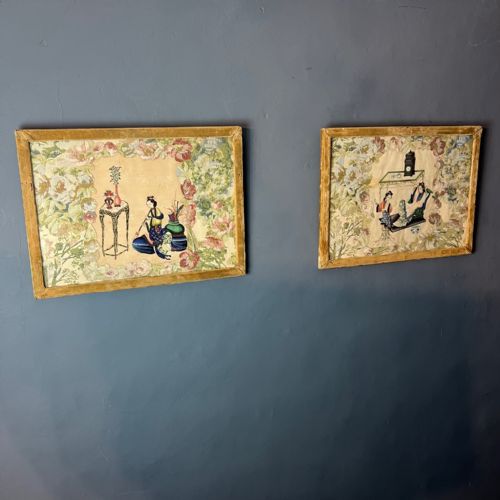

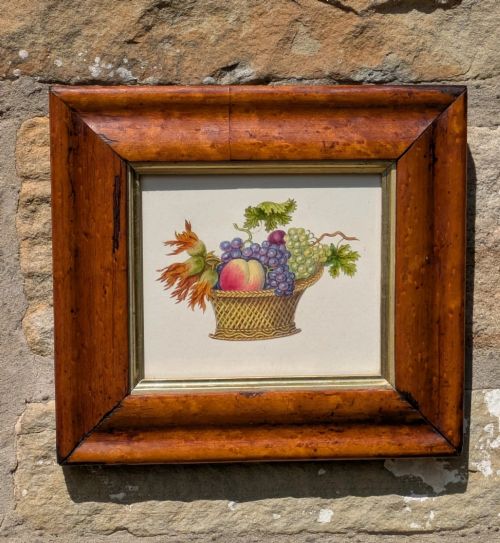
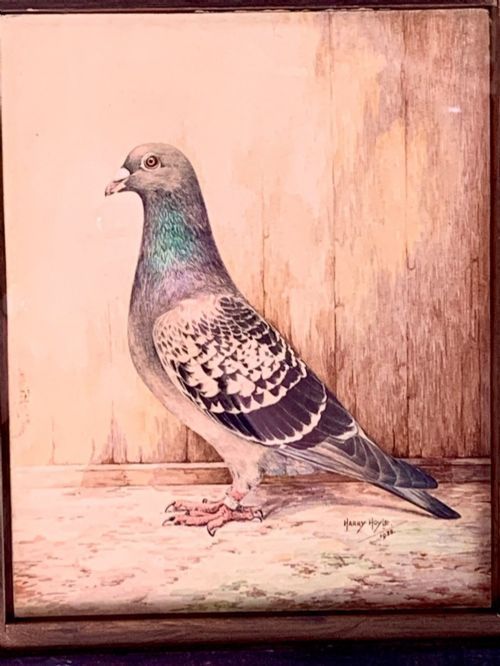
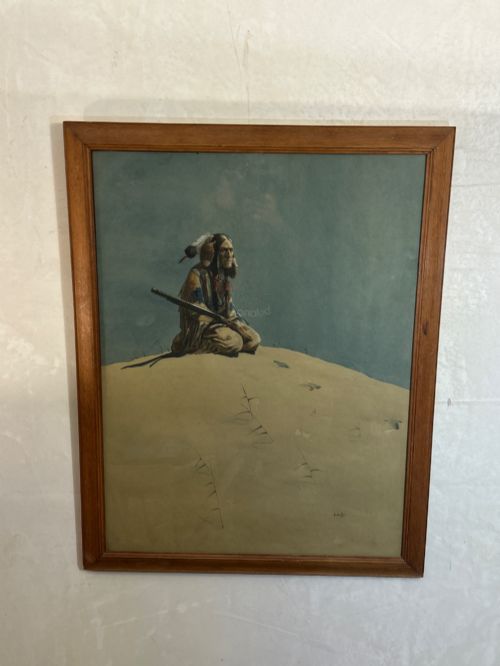



Wooden Framed Watercolour
A wooden framed watercolour brings tactile depth and colour to a wall through the simple union of pigment on paper and timber moulding.
Wooden Framed Watercolour
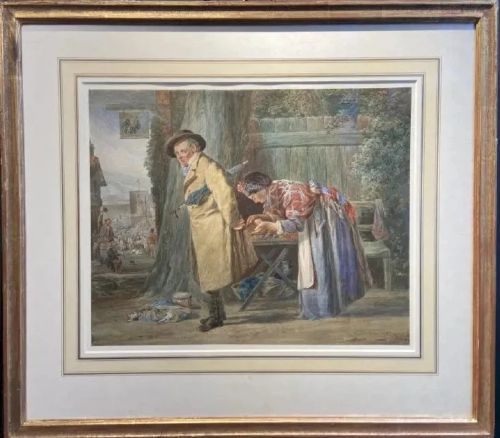
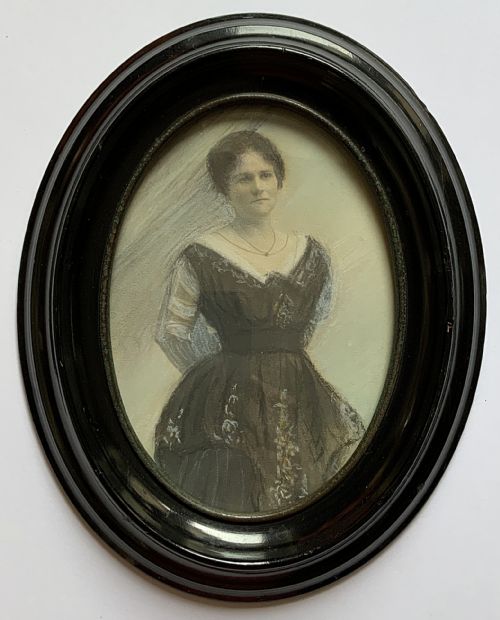
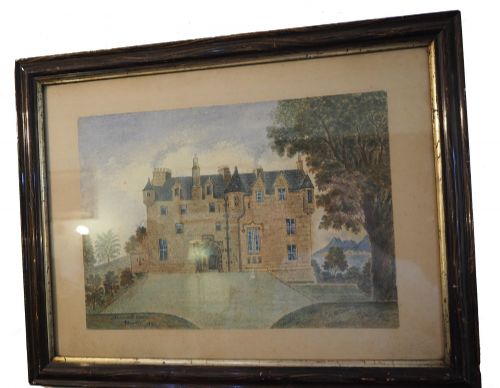
A wooden framed watercolour encompasses works executed on paper using water-soluble pigments, enclosed within timber surrounds that date predominantly from the nineteenth and early twentieth centuries. These pieces range from naive portraits and topographical views to detailed illustrative works and coastal scenes.
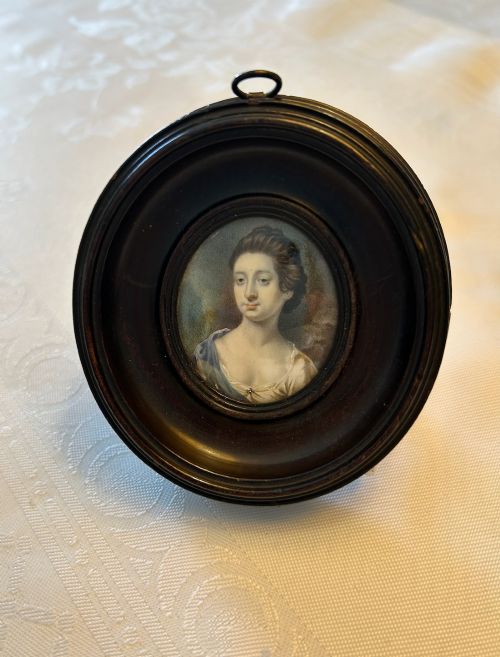
The selections available span the Regency, Victorian, and Edwardian periods, frequently demonstrating the shifting aesthetic preferences of British and European schools. Buyers encounter everything from grand architectural studies of the Grand Tour to intimate miniature silhouettes and domestic animal portraits.
The timber frames serve as the primary housing for these works, often utilising ebonised wood or gilt mouldings to complement the delicate washes of the paintings within. Each piece reflects the specific framing conventions of its era, protecting the paper beneath glass from environmental damage.
How they were made
The creation of these works relies on water-based pigments applied to paper substrates, sometimes combined with pastel or bodycolour to achieve opacity and highlight details. Artists utilised varying grades of paper, from smooth vellum-like sheets to heavily textured drawing papers that caught the pigment in distinct ways.
The supporting frames are constructed from timber such as oak, mahogany, or pine, often finished with ebonisation or applied gilding to enhance the visual weight of the presentation. Glazing with historic glass protects the delicate watercolour medium from moisture and dust while maintaining optical clarity.
Wooden Framed Watercolour Retail Price Guide 2026
Typical asking prices for wooden framed watercolour among the pieces listed under this phrase on Sellingantiques today, from the lower quarter to the upper quarter. They describe what is for sale here now, not the wider market.
Listings feature works spanning the eighteenth to the twentieth centuries, utilising wood, paper, glass, and watercolour pigment.
What varies in quality
The distinction between ordinary and exceptional works rests upon the confidence of the brushwork and the preservation of the pigment against fading. Master practitioners achieved remarkable luminosity with thin washes, whereas lesser examples often appear overworked or heavy-handed.
Frame integrity and originality also dictate the standing of a piece, as period frames matching the exact execution date of the painting command greater regard than later replacements. The harmony between the subject matter, the skill of the artist, and the patination of the wooden surround governs the overall merit.
Bruce Bairnsfather·John Hassall·Joseph H Barnes·William Lee Hankey·George Weatherill·A Winter Shaw·John E Bosanquet·Lilian Stannard·Archibald Thorburn
The Wooden Framed Watercolour Glossary
- Watercolour
- A painting method in which the paints are made of pigments suspended in a water-based solution. It allows for translucent washes of colour that let the white of the paper illuminate the composition.
- Ebonised wood
- Timber treated to resemble ebony, a technique popular in nineteenth-century framing to provide a stark, dark contrast that draws the eye towards the paper work inside.
- Grand Tour
- A traditional trip of Europe undertaken by upper-class European young men of means circa 17th to 19th century, which generated a demand for topographical watercolours as souvenirs.
- Miniature painting
- A small-scale portrait or scene, often executed on a delicate surface such as ivory or prepared paper, requiring immense precision and fine brushes.
Wooden Framed Watercolour: Frequently Asked Questions
How should I hang a wooden framed watercolour?
Position the piece away from direct sunlight to prevent the watercolour pigments from fading over time. Maintaining a stable indoor climate also protects both the paper support and the wooden frame from warping.
Use appropriate picture hooks rated for the weight of the timber frame and glass. Ensure the hanging wire or rings are secure before placing the work on the wall.
Are these watercolours original or prints?
The works listed are original hand-painted watercolours created directly by artists rather than mass-produced reproductions. Close inspection often reveals brush texture and variations in pigment density unique to each application.
Paper grain and the physical pooling of watercolour wash further distinguish genuine painted surfaces from printed facsimiles. Examining the piece under magnification confirms the direct application of pigment.
How do I identify the period of the frame?
Period frames often display construction methods typical of their era, such as hand-cut mitres, wooden backing boards, and old fixings. The type of wood preparation, including gesso layers and gilding techniques, also points to specific historical decades.
Match the framing style with the known working dates of the artist or the apparent costume and subject matter of the painting. Original pairings of art and frame provide the most reliable chronological context.
What subjects are most common?
Landscapes and architectural studies dominate the selection, reflecting the popularity of topographical recording and travel scenes during the nineteenth and early twentieth centuries. Portrait miniatures and genre scenes depicting daily life also appear frequently.
Maritime subjects, including sailing ships and coastal towns, form another prominent category within the available works. Botanical and garden scenes round out the typical pastoral themes.