





Wooden Framed Landscape Art
Wooden framed landscape art brings together natural timber enclosures and painted views of rural, coastal and urban scenes from past centuries.
Wooden Framed Landscape Art
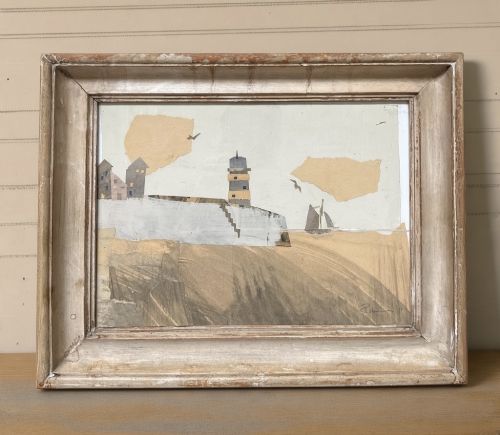
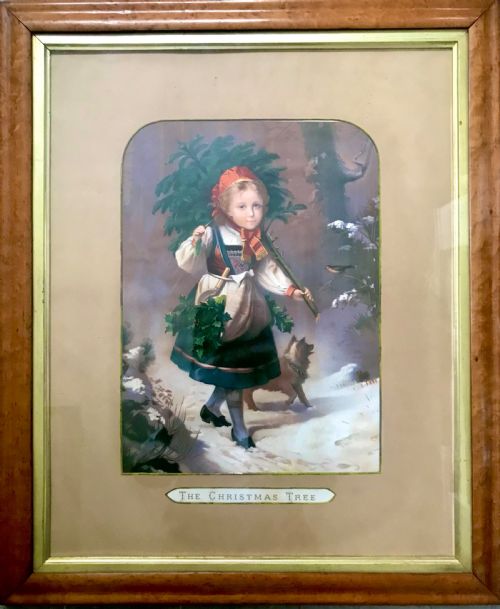
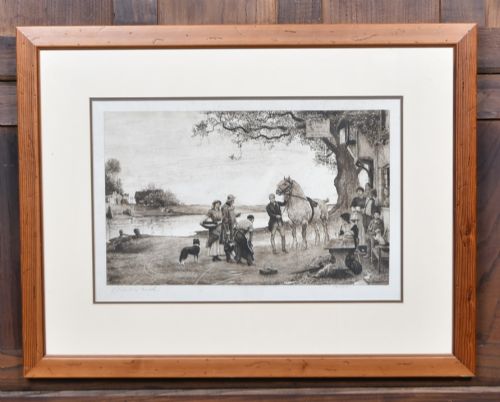
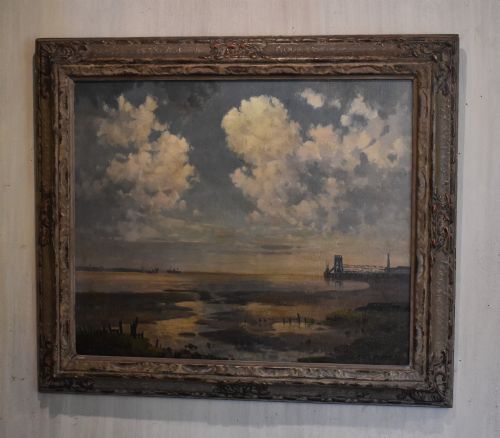
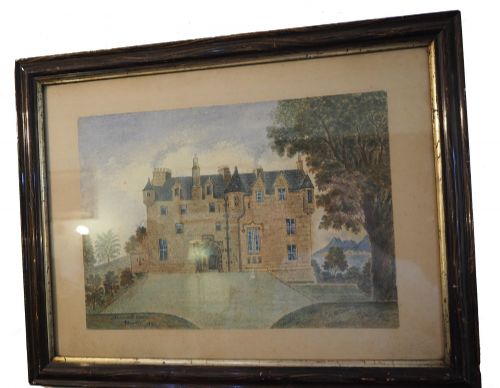
Buyers searching for wooden framed landscape art encounter a varied selection of wall pieces, ranging from traditional oil and watercolour paintings to textured dioramas and marquetry panels. The selection spans the nineteenth and twentieth centuries, capturing rural vistas, coastal harbours, and domestic scenes housed in period timber surrounds.
Most examples originate from the Victorian, Edwardian, and mid-century periods, reflecting shifting tastes in British and continental European art. These works utilise wood for both the structural frame and, in specific instances, the primary panel support or decorative inlay.
Materials and construction methods
Makers applied oil paint, watercolour, gouache, and pastel onto traditional supports such as canvas, paper, wood panel, and card. Selected works incorporate layered construction, with canvases occasionally laid onto board or housed within shadow box arrangements.
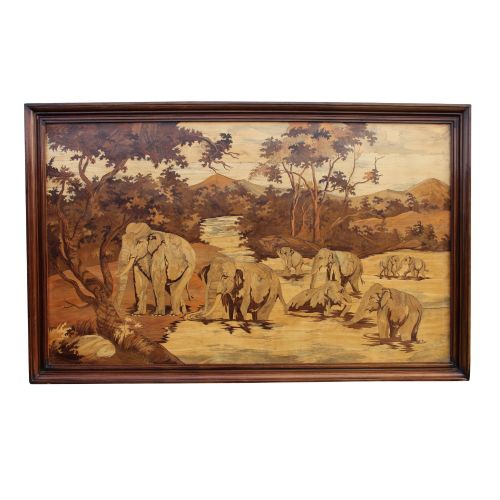
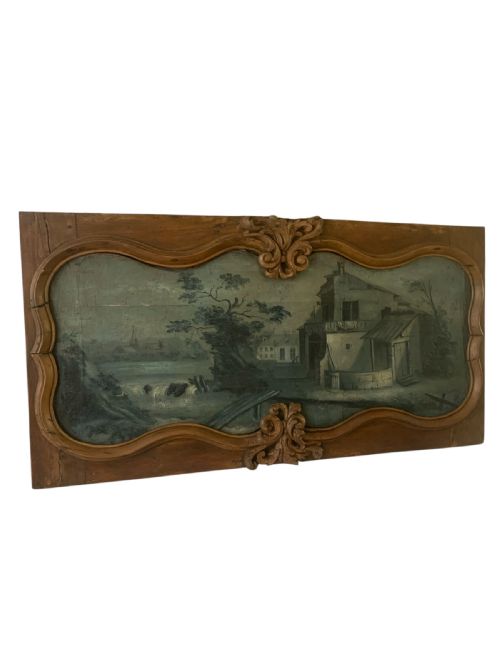
Wood serves a dual purpose across the inventory, forming protective surrounds and intricate decorative elements such as marquetry panels, cork work, and carved mouldings. Glass frequently protects delicate works on paper and detailed dioramas from environmental dust and damage.
Wooden Framed Landscape Art Retail Price Guide 2026
Typical asking prices for wooden framed landscape art among the pieces listed under this phrase on Sellingantiques today, from the lower quarter to the upper quarter. They describe what is for sale here now, not the wider market.
Detailed dioramas constructed from humble cork and shells bring entire villages to life inside quiet wooden boxes.
Factors that distinguish individual pieces
The degree of finesse in the painted brushwork or detailed inlay work separates standard decorative items from finer artistic examples. Competently rendered perspective and confident handling of light distinguish superior pictorial depth in both oils and watercolours.
The integrity and craftsmanship of the wooden frame influence overall distinction, with integrated period mouldings or specialised marquetry adding physical substance to the artwork. Originality of mounting and the preservation of the surface materials contribute further to a piece's standing.
Thomas Barker of Bath·Robert W. Macbeth·Clive Browne·F.J. Snell·Hubert Wellington·Edward Matthew Elliott·Raymond Picque·William Lee Hankey·Gustave De Bréanski·John Constable·Robert Macaulay Stevenson·Emanuele Cappello·Ernest Higgins Rigg·John Falconar Slater·Albert de Belleroche
The Wooden Framed Landscape Art Glossary
- Oil paint
- A slow-drying paint made from pigment suspended in a drying oil, typically linseed. This medium allows for rich colour blending and textured impasto applications.
- Watercolour
- A paint consisting of pigment suspended in a water-soluble vehicle, traditionally applied to paper surfaces. It produces translucent washes of colour.
- Marquetry
- The art and craft of applying pieces of veneer to a structure to form decorative designs and scenes. It utilises the natural grains and tones of various woods.
- Shadow box
- A deep, glass-fronted framed box that holds and displays objects in three dimensions. It protects delicate items like shells or dioramas while creating depth.
- Gouache
- An opaque water-based paint that includes a white pigment filler, resulting in solid, flat colour planes. It often appears in historical landscape and study works.
Wooden Framed Landscape Art: Frequently Asked Questions
What periods do these pieces date from?
The available selection spans from the eighteenth century through the Victorian and Edwardian eras into the mid-twentieth century. Pieces reflect the prevailing artistic styles of their respective decades.
Earlier items include eighteenth-century topographical paintings and overdoor panels, while later examples extend into mid-century impressionism and modernist abstracts.
How should I display wooden framed art?
These works suit placement on interior walls where they can be viewed at eye level. Ensure the hanging location avoids direct, harsh sunlight to protect pigments and paper supports.
Stable indoor humidity helps preserve both the wooden frames and the underlying canvas or paper elements over time.
What is a diorama piece?
Dioramas utilise three-dimensional elements, such as carved wood, cork work, or shells, to construct miniature scenes within a framed enclosure. They often depict architectural townscapes or coastal environments.
Glass fronts typically protect these dimensional arrangements from dust while allowing clear viewing from the front.
Are these works signed by artists?
Certain pieces feature visible artist signatures or inscriptions, while others remain unattributed or represent work in the manner of established painters. Historical attributions often link unsigned works to specific schools or followers of known masters.
Documentation within individual listings notes available signatures, stamps, or historical context.