

Wooden Framed Crest
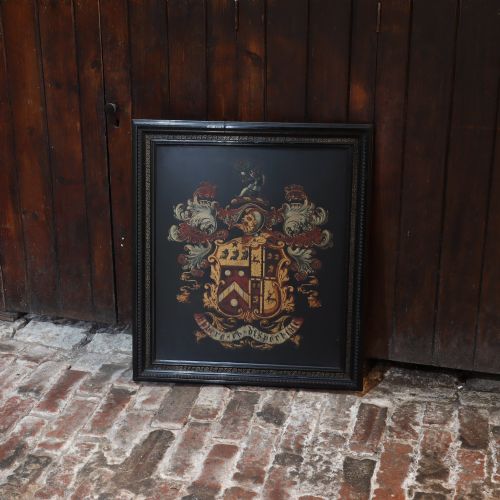
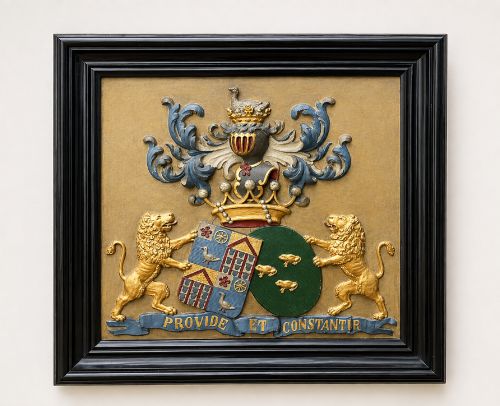
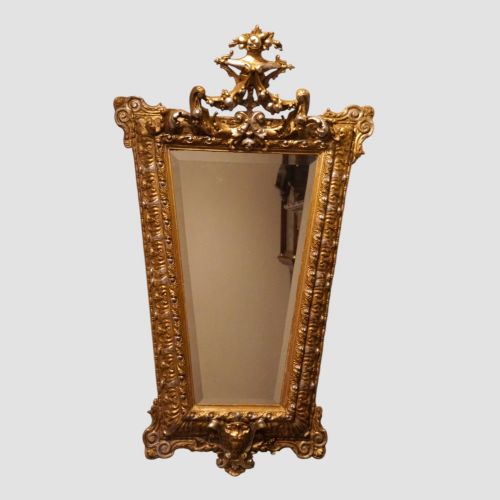
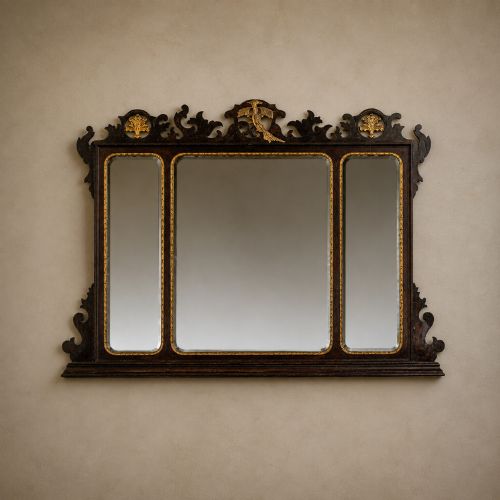
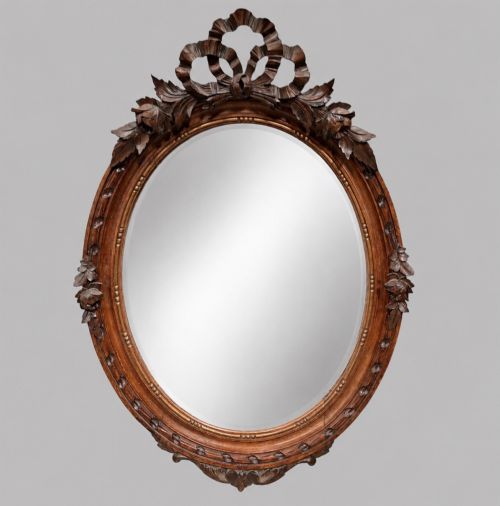
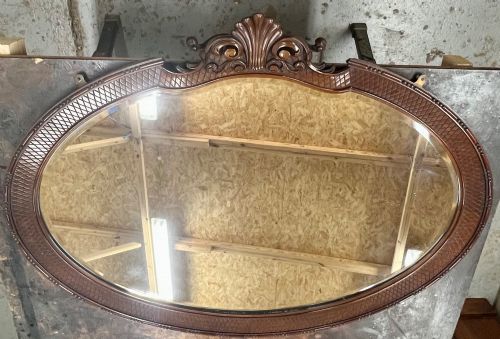
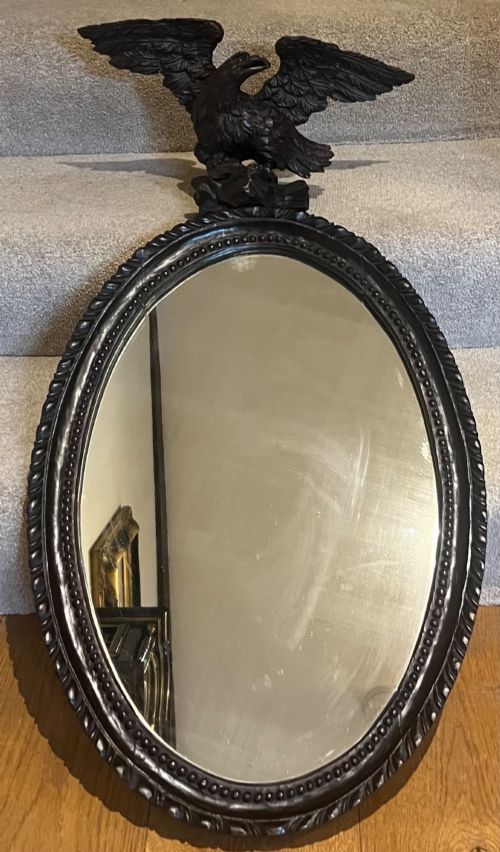
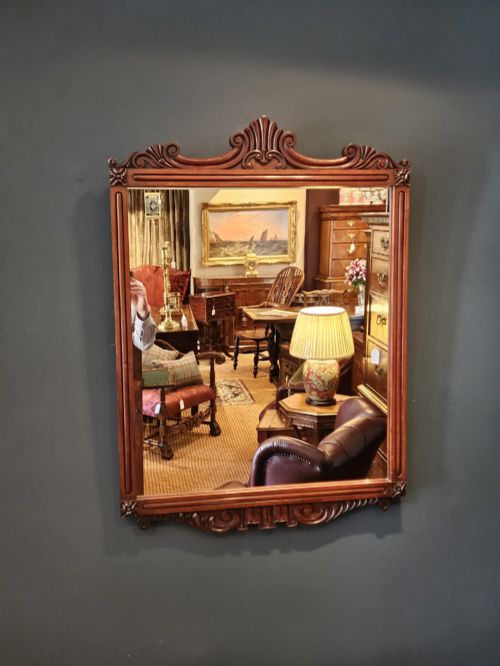
These wooden framed crest and mirror pieces combine carved timber frames with heraldic panels or prominent crestings from the eighteenth to twentieth centuries.
Wooden Framed Crest
A wooden framed crest search brings together carved wall mirrors, overmantels, and heraldic panels spanning the eighteenth, nineteenth, and early twentieth centuries. These objects combine wooden frames with distinct cresting details, carved crests, or coats of arms.
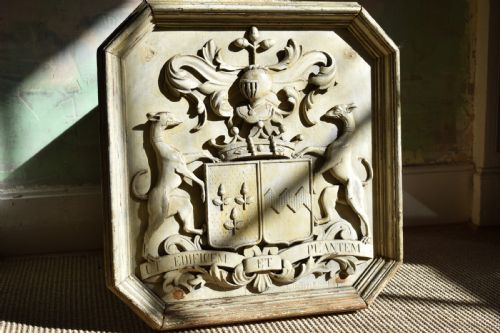
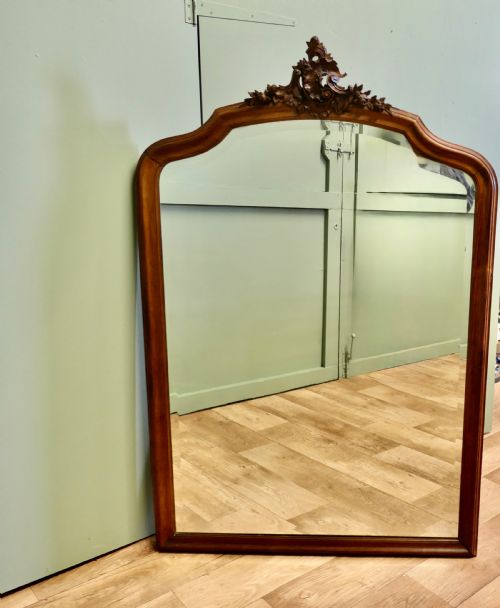
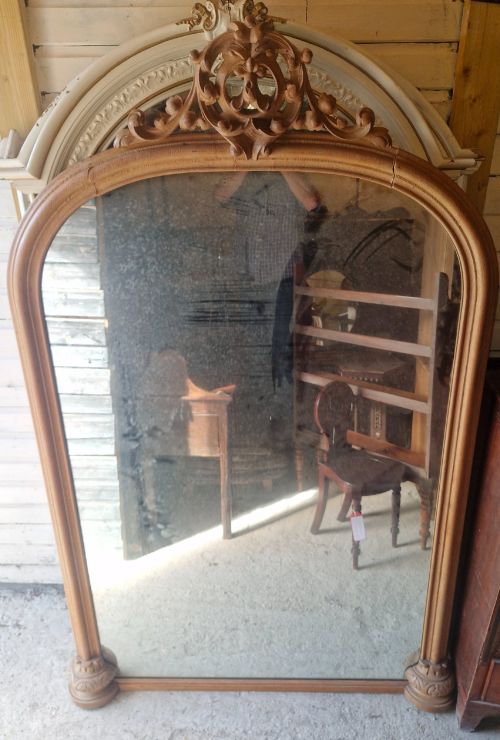
Mirrors dominate the selection, particularly large overmantels, wall mirrors, and oval looking glasses shaped in Victorian, Queen Anne, and Louis XV styles. Alongside mirrors, buyers encounter carved heraldic marriage plaques and wooden panels displaying coats of arms.
The materials reflect traditional cabinet making, utilising walnut, mahogany, oak, and chestnut alongside giltwood and gesso finishes. Pieces range from plain nineteenth century oak frames to elaborately carved giltwood and silver-gilt designs.
Materials and construction methods
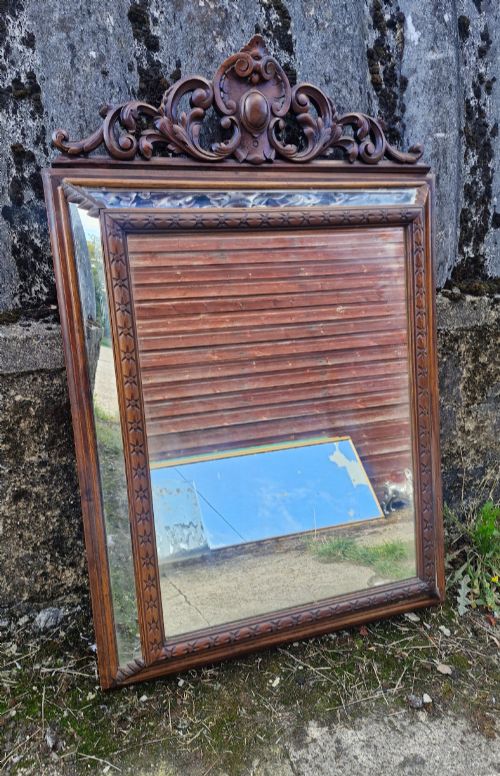
Frames are constructed from solid timbers including walnut, mahogany, oak, and chestnut, often shaped with applied mouldings or carved directly from the solid wood. Carved details and crestings make extensive use of gesso applied over wood to build up relief ornamentation before gilding.
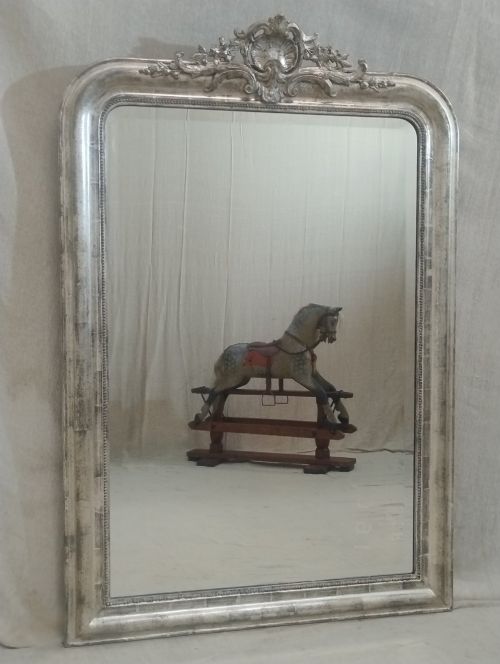
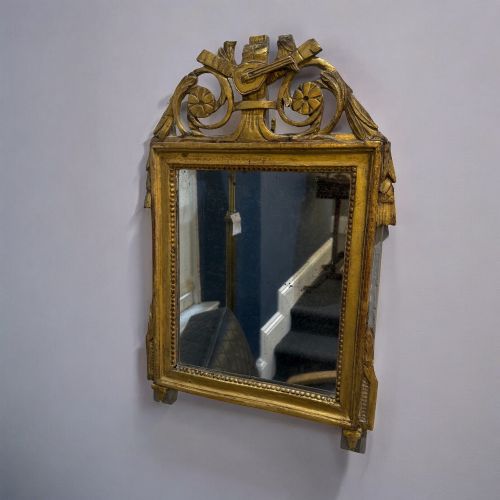
Giltwood and silver-gilt finishes involve laying gold or silver leaf over prepared gesso surfaces, which are then burnished or aged. Mirrors frequently retain original glass plates, including Vauxhall plates, set within rebated wooden frames.
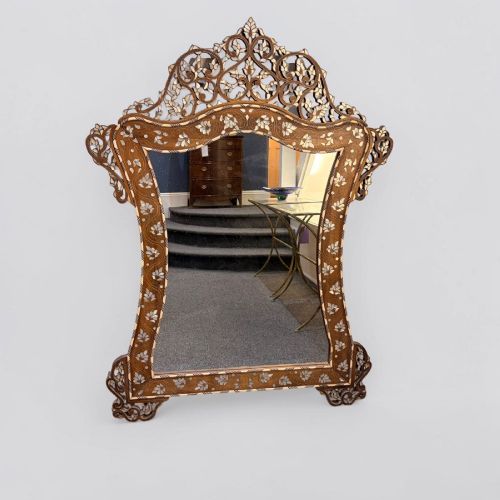
Inlaid examples incorporate contrasting veneers and decorative woods, while heraldic panels utilise painted or carved wooden substrates to render coats of arms and genealogical details with precision.
Wooden Framed Crest Retail Price Guide 2026
Typical asking prices for wooden framed crest among the pieces listed under this phrase on Sellingantiques today, from the lower quarter to the upper quarter. They describe what is for sale here now, not the wider market.
Listings span the eighteenth to twentieth centuries, uniting walnut, mahogany, and oak frames with giltwood and gesso mirror designs.
Distinctions in quality and execution
Quality rests primarily on the depth and crispness of the wood carving, especially around the cresting, pediment, and frame corners. Hand carved relief work on walnut and giltwood displays sharp undercut details and fluid lines, whereas lesser examples rely on moulded composition ornament.
The integrity of the materials also defines the tier of a piece, such as the use of burr walnut veneers, original silver-gilt leaf, and period mirror glass plates with appropriate foxing. Frames that retain their original gilding and structural joinery without excessive restoration hold greater distinction.
The Wooden Framed Crest Glossary
- Cresting
- The decorative carved ornament or pediment positioned at the very top of a mirror frame or panel. This element often takes the form of a cartouche, shell, or heraldic motif.
- Gesso
- A plaster mixture applied to wood frames to create a smooth surface for gilding or to build up low relief carved details. It provides the foundation for gold leaf application.
- Giltwood
- Timber, typically pine or softer woods, that has been coated with gold leaf over a gesso base. It defines much of the decorative wall furniture from the eighteenth and nineteenth centuries.
- Vauxhall plate
- An early type of mirror glass characterised by bevelled edges and high clarity, produced from the seventeenth century onwards. These plates add authenticity to period mirrors.
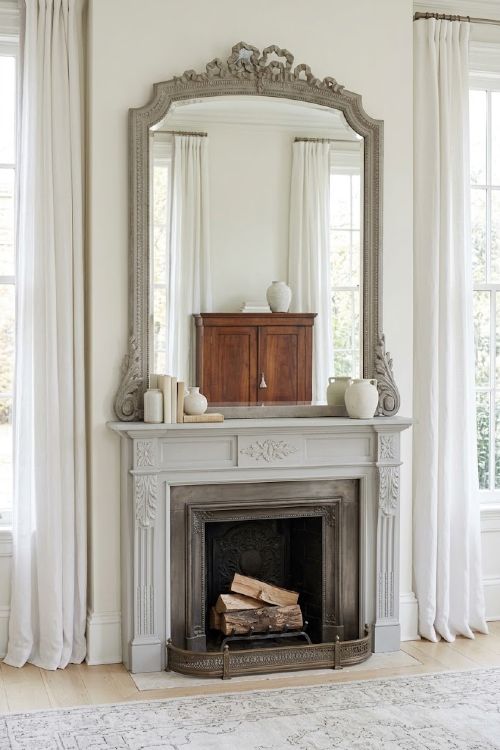
- Overmantel mirror
- A large horizontal mirror designed specifically to hang above a fireplace mantelpiece. They frequently incorporate elaborate crestings and architectural frames.
Wooden Framed Crest: Frequently Asked Questions
How do I date a wooden framed mirror?
Dating relies on examining the timber species, construction joints, backboards, and the manufacturing method of the glass plate. Eighteenth century examples often feature walnut or early gilding techniques, while Victorian pieces utilise mahogany and heavier gesso decoration.
Secondary woods at the back of the frame and the type of screws or nails used also provide clear chronological markers. Comparing the overall style, such as Queen Anne or Rococo Revival, with these structural details confirms the period.
Were heraldic panels meant for display?
Heraldic panels and marriage plaques were created to commemorate significant family alliances, lineage, and estates. They served as prominent wall displays in great halls and reception rooms to denote status and heritage.
These carved and painted wooden pieces document specific families, such as the Bath family of Swansea, and were commissioned by nobility and gentry. Today, they function as historical artworks reflecting genealogical history.
How should I hang a heavy overmantel mirror?
Due to the substantial weight of timber frames, gesso, and glass, secure wall fixings into structural brickwork or stud work are essential. Professional mirror hangers utilise heavy duty brackets attached directly to the wall rather than relying on decorative wire.
Ensuring the weight is distributed evenly across multiple fixing points protects both the antique frame and the wall surface. Regular checks of the hanging cord or chain maintain stability over time.
What is the difference between giltwood and painted finishes?
Giltwood involves applying thin leaves of gold or silver metal over a gesso and bole preparation on wooden frames. This technique creates a reflective, luminous surface prized in formal neoclassical and baroque interiors.
Painted finishes utilise oil or distemper paints directly on the wood or gesso, often in white, grey, or soft tones for French provincial and chateau styles. Both finishes require careful handling to preserve the original surface integrity.