



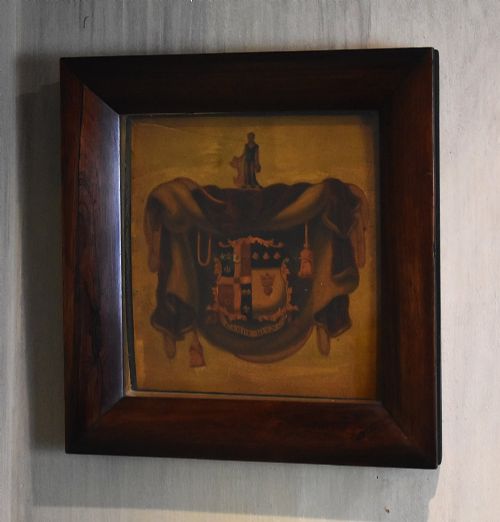

Wooden Frame Oil Painting
A wooden frame oil painting brings centuries of pigment, canvas and carved timber together to anchor a room.
Wooden Frame Oil Painting
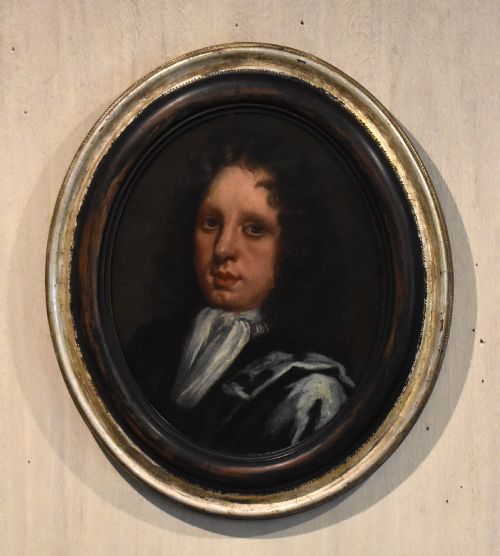
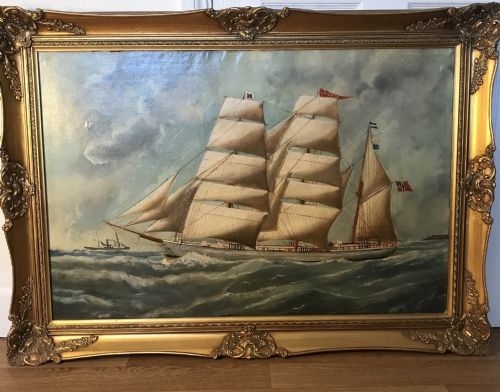
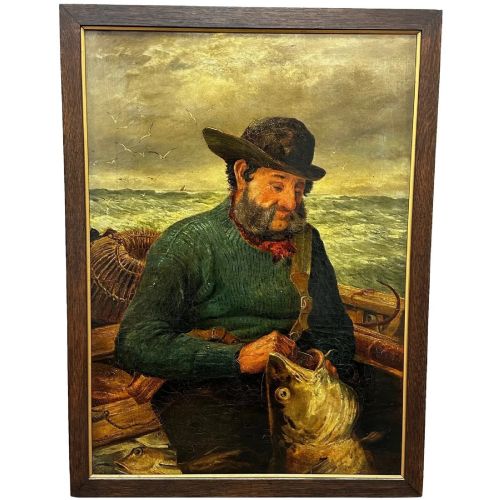
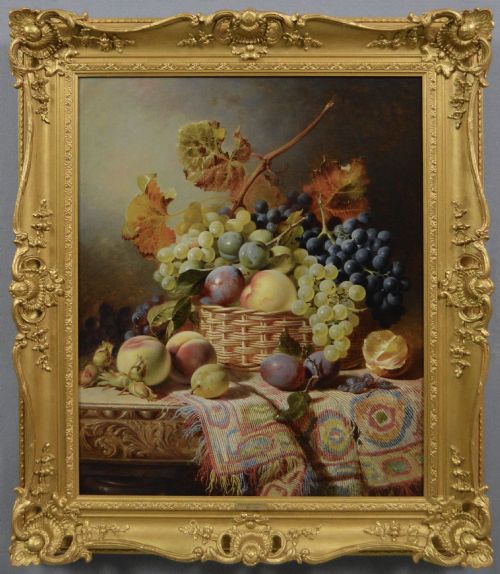
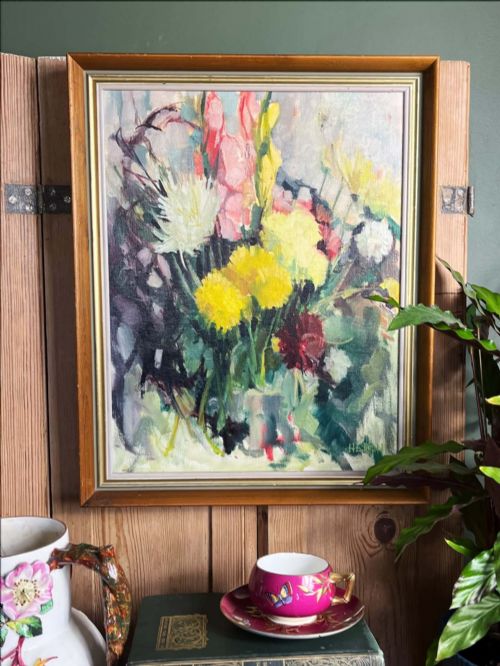
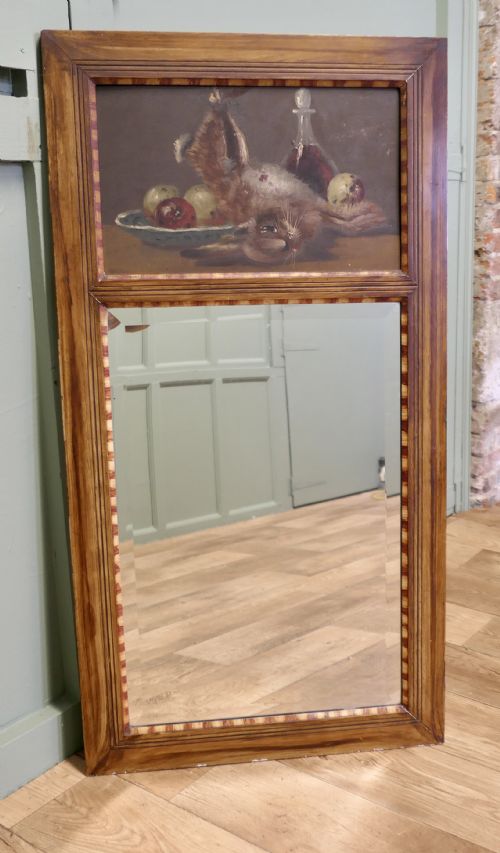
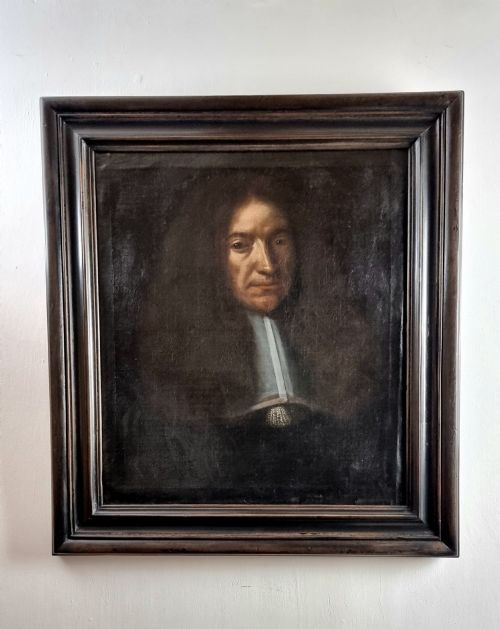
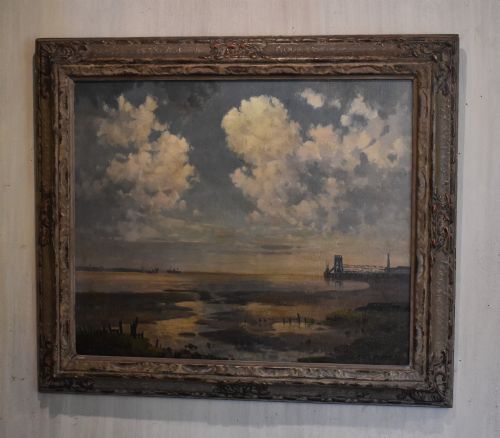
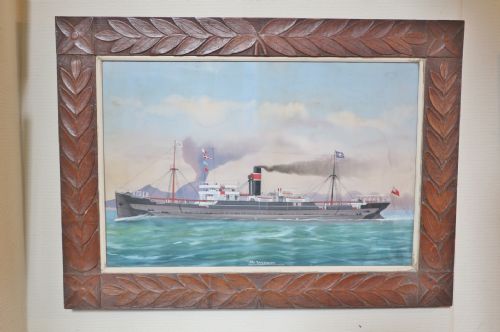
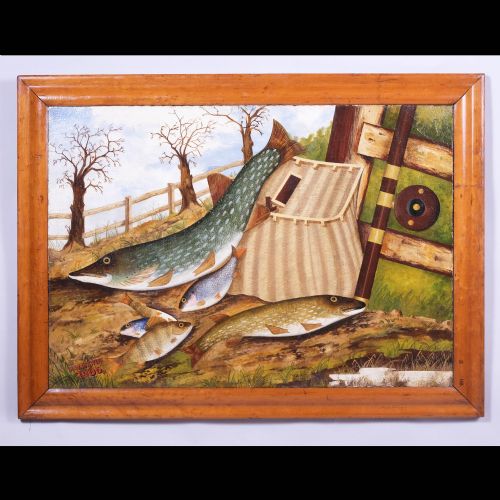
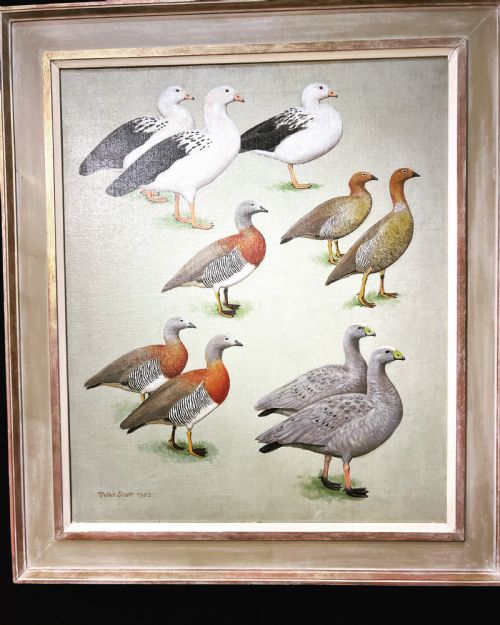
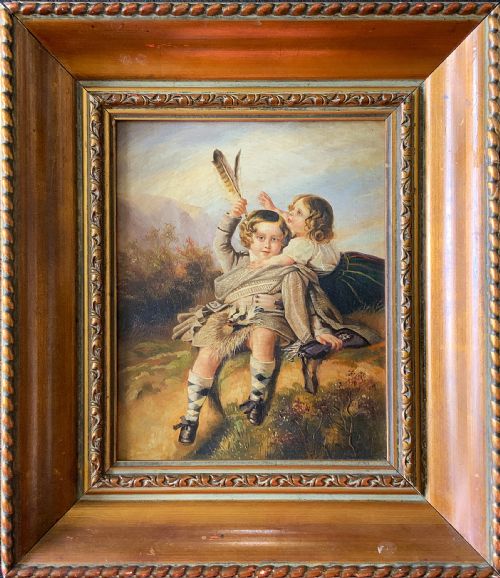
A wooden frame oil painting comprises traditional pigments bound in oil, applied to canvas, wood panel or board, and set within a timber enclosure. Buyers searching for a wooden frame oil painting encounter works ranging from nineteenth-century coastal scenes and portraits to mid-century abstract and impressionist compositions.
The selection on this page draws together centuries of artistic expression, featuring British landscapes, French portraits, maritime subjects and naive folk art. Many examples retain their original Victorian, Edwardian or carved giltwood surrounds, linking the maker's hand on the canvas directly to the carpenter's work on the moulding.
How they were made
Makers applied oil paint to stretched canvas, wooden panels, board or paper, utilising the slow-drying medium to build rich layers of colour and tone. Canvases were occasionally laid onto board in later years to provide structural support, while wooden panels utilised pine or other timbers native to the artist's region.
Surrounding mouldings were shaped from wood, sometimes accented with gesso, and gilded or left in their natural state to complement the artwork. These frames were constructed using traditional joinery methods suited to the period, protecting the perimeter of the painting and completing the visual object.
Wooden Frame Oil Painting Retail Price Guide 2026
Typical asking prices for wooden frame oil painting among the pieces listed under this phrase on Sellingantiques today, from the lower quarter to the upper quarter. They describe what is for sale here now, not the wider market.
The listings span the seventeenth century through to the mid-twentieth century, employing canvas, wood panel, oil paint and glass.
What varies in quality
Quality rests in the surety of the brushwork, the depth of the palette and the harmony between the painting and its wooden housing. Finer works display confident handling of light and form, whether capturing a maritime swell or an intimate interior scene.
The relationship between the artwork and the frame also dictates the merit of the piece. Period frames that are original to the canvas and retain their early gilding or surface finish elevate the entire object above those married to later replacements.
Richard Harry Carter·Clive Browne·Sir Peter Markham Scott·Carl Whitfield·Hubert Wellington·Edward Matthew Elliott·Raymond Picque·Gustave De Bréanski·Gertrude Halsband·William Williams·George E Sharpe·Henri Joseph Pauwels·Edwin Hughes·Alfred John Bouchette·William Tate
The Wooden Frame Oil Painting Glossary
- Oil on canvas
- Pigments mixed with drying oils applied to a woven fabric support stretched across a wooden frame. This combination allows for subtle blending and rich texture.
- Oil on board
- Pigments applied directly to a rigid wooden or composition board rather than woven fabric. It provides a stable, flat surface often found in smaller or sketch-like works.
- Giltwood
- Timber that has been coated with a thin layer of gold leaf or metal powder over a prepared surface. It catches ambient light and defines the edge of the artwork.
- Gesso
- A paint mixture consisting of a neutral binder mixed with chalk, gypsum, or pigment. It was applied to wooden frames to create a smooth surface for subsequent gilding or carving.
Wooden Frame Oil Painting: Frequently Asked Questions
How do I date a wooden frame?
Dating relies on observing the timber species, the joinery at the corners, and the preparation layers beneath the surface. Hand-carved mouldings and early gesso formulations point firmly to specific historical periods.
Changes in hardware, backing boards and fastening methods also help determine whether a frame is original to the painting it houses.
Should I clean an oil painting?
Surface dust can be removed gently with a soft, dry brush, but deeper cleaning requires professional conservation. Varnish darkens over time and alters the perception of colour.
Intervening with solvents or water without expertise risks damaging the delicate layers of historical pigment beneath.
How do I hang an oil painting safely?
Weight distribution is critical, particularly for large works set within heavy timber and gesso housings. Secure fixings must be chosen to match the construction of the wall.
Positioning the piece away from direct sunlight and fluctuating heat sources protects both the canvas and the wooden frame from warping.
What is the difference between canvas and board?
Canvas provides flexibility and texture through its woven fabric support, which responds dynamically to atmospheric changes. Board offers rigid stability that prevents sagging over time.
Artists frequently chose boards for smaller plein air studies, while larger formal commissions were traditionally executed on stretched canvas.