

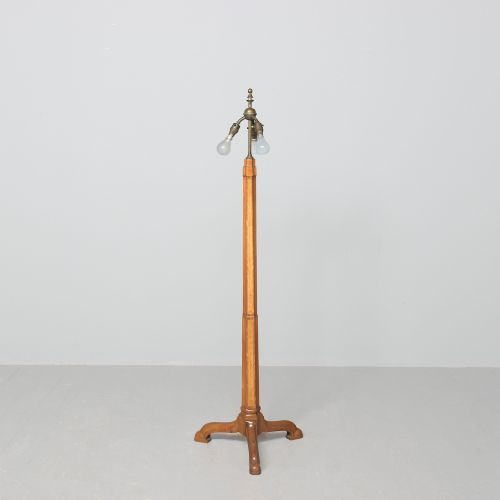
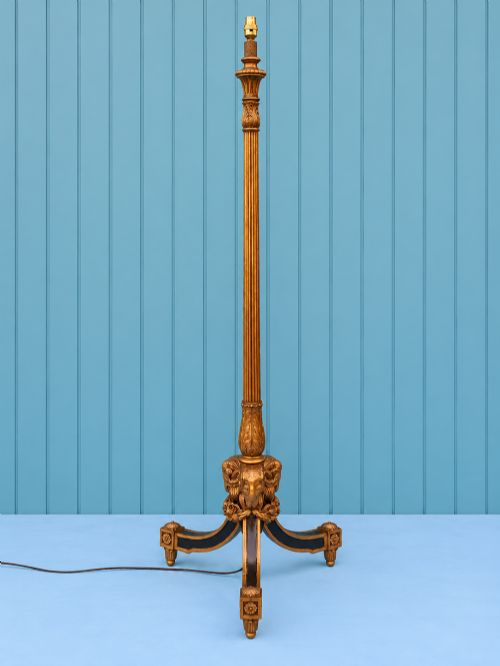
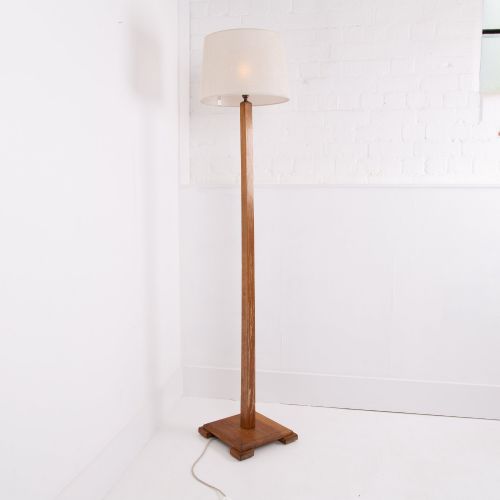
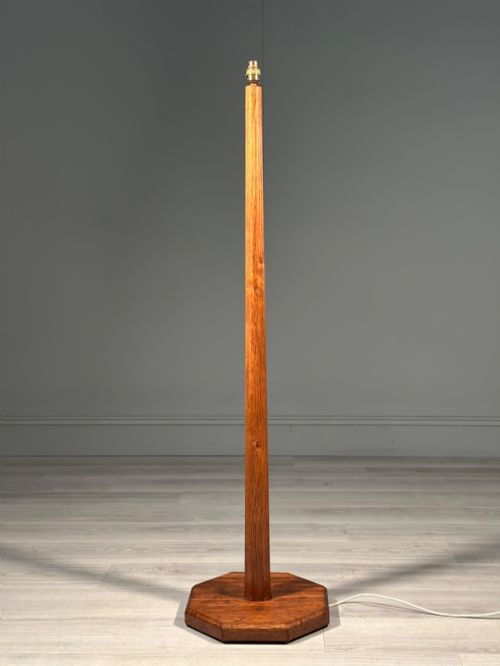
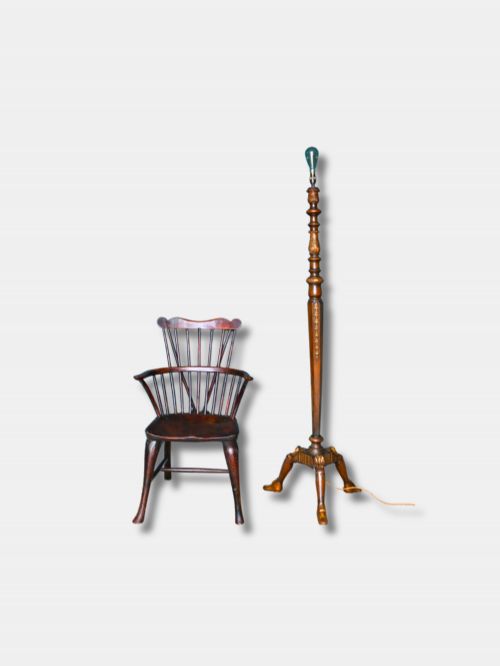


Wooden Floor Lamp Base
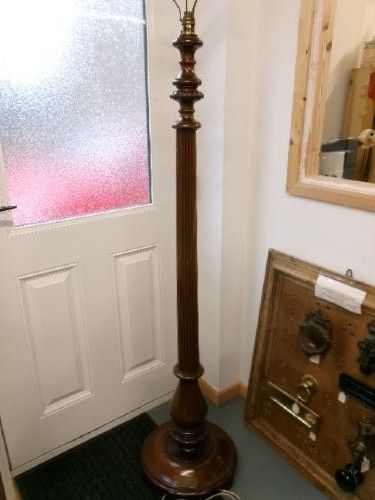
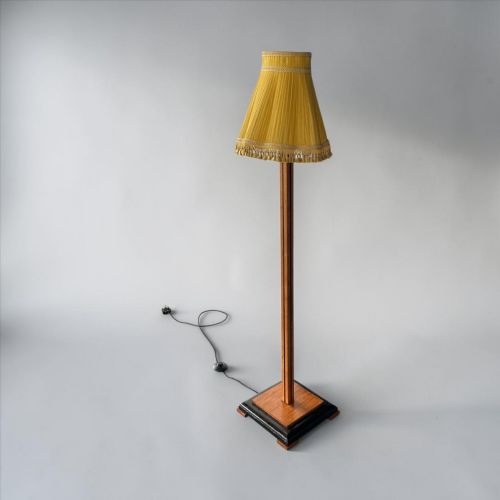
A wooden floor lamp base stands as a practical architectural column for the room, offering height and warm illumination without crowding the floor.
Wooden Floor Lamp Base
A wooden floor lamp base provides the sturdy vertical support and weighted foundation for standard lamps and torchieres found across various historical periods. When searching for a wooden floor lamp base, buyers encounter diverse forms ranging from straightforward turned timber posts to elaborate sculptural columns.
The selections span from late Victorian and Edwardian examples to distinct Art Deco designs alongside earlier revival styles. Oak, mahogany, and walnut frequently appear as the primary timbers shaping these upright furnishings.
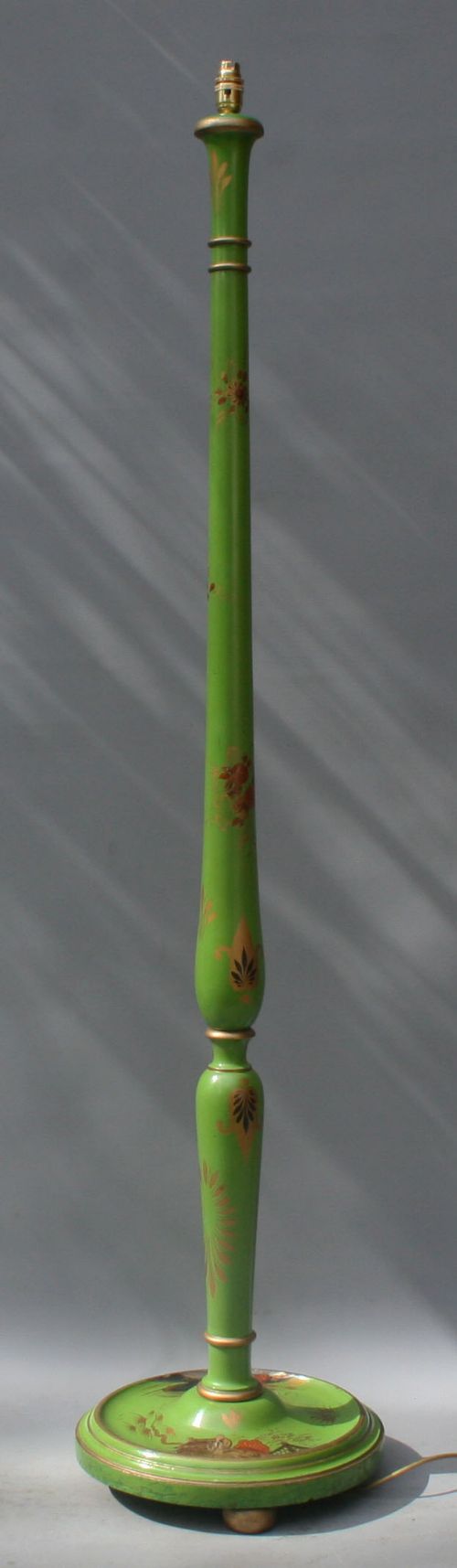
Makers often adapted architectural motifs, producing standard lamps that reflect Georgian, William IV, or Neoclassical revivals. Pieces also draw upon Chinoiserie and Florentine Baroque aesthetics, adding distinct regional character to domestic interiors.
Materials and construction methods
Carpenters and cabinetmakers utilised dense hardwoods such as oak, mahogany, and walnut to construct stable upright pillars capable of supporting substantial light fittings. These timbers were frequently turned on a lathe to create fluted or reeded shafts, or hand-carved with decorative motifs.
Finishes varied significantly, incorporating applied giltwood, subtle marbling, and polished wax to highlight the natural grain of the wood. Brass components often reinforced structural joints or formed decorative mounts at the base and collar.
Wooden Floor Lamp Base Retail Price Guide 2026
Typical asking prices for wooden floor lamp base among the pieces listed under this phrase on Sellingantiques today, from the lower quarter to the upper quarter. They describe what is for sale here now, not the wider market.
An amusing sculpture of a bibliophile bookworm occasionally joins the standard lamps.
Determinants of quality
Quality rests upon the selection of timber and the precision of the turning or carving on the main shaft. Dense, well-figured walnut or oak demonstrates superior material choice compared to softer pine alternatives.
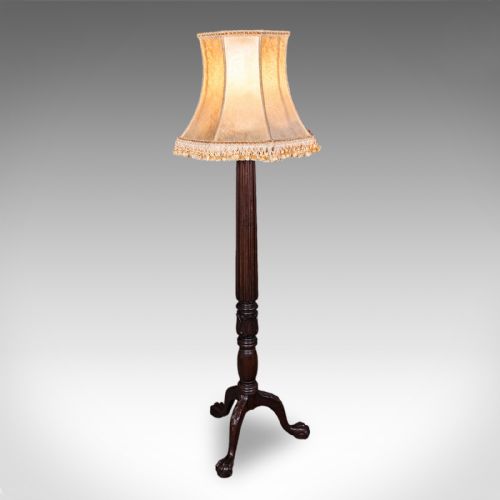
Stability relies on a properly proportioned footprint, whether formed by a tripod arrangement or a weighted circular plinth. Finer examples exhibit crisp execution in decorative details such as stepped Art Deco tiers or intricate carved foliage.
The Wooden Floor Lamp Base Glossary
- Standard Lamp
- A tall freestanding lamp designed to stand directly on the floor rather than a table. These fixtures provide ambient illumination and often serve as focal points within a room layout.
- Torchiere
- An ornate tall stand or floor lamp originally intended to hold a torch or candle, later adapted for electricity. They frequently feature decorative carving or classical architectural proportions.
- Tripod Base
- A three-legged support structure used beneath lamp shafts to ensure stability on uneven floor surfaces. This configuration appears frequently on walnut designs from the early twentieth century.
- Giltwood
- Timber that has been coated with a thin layer of gold leaf or gold paint. This technique accentuates carved details on decorative standards from the Victorian and Art Deco periods.
- Reeded
- A decorative surface treatment comprising parallel convex mouldings carved directly into the timber shaft. This classical detail appears frequently on revival pieces inspired by Georgian and Regency styles.
Wooden Floor Lamp Base: Frequently Asked Questions
What periods do these bases represent?
The selections encompass pieces from the Victorian era, the Edwardian period, and the 1920s to 1940s. Art Deco and various revival styles are strongly represented.
Craftsmen across these decades utilised traditional hardwoods and applied contemporary stylistic influences to standard lighting supports.
How do I choose the right timber?
Oak and mahogany offer durability and traditional grain patterns suited to classical and revival interiors. Walnut provides a rich, darker tone often associated with Art Deco pieces.
Consider the existing furniture in your room to select a wood type that harmonises with surrounding decor.
Where were standard lamps placed?
These tall fixtures stood in corners or beside seating areas to cast downward light for reading or general illumination. Their elevated profile saved surface space while illuminating darker zones.
They functioned effectively in studies, drawing rooms, and large hallways during the nineteenth and twentieth centuries.
Are these bases heavy enough to remain stable?
Quality standards incorporate weighted internal components or wide bases such as tripod structures to prevent tipping. Heavier hardwoods naturally contribute to a secure foundation.
Proper weight distribution is essential for supporting tall stems and fabric shades safely in busy rooms.