
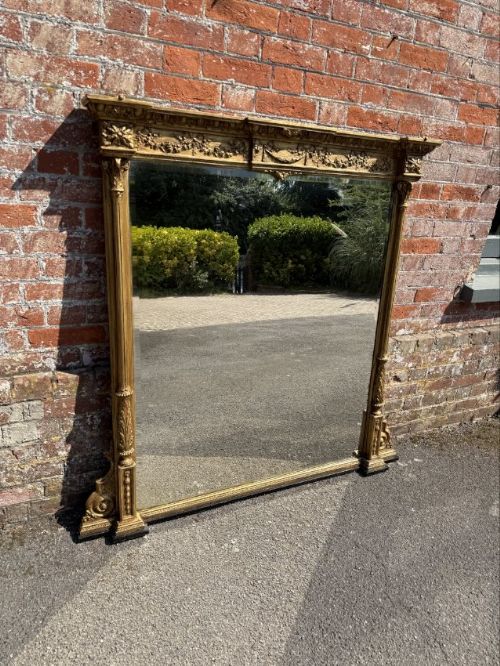
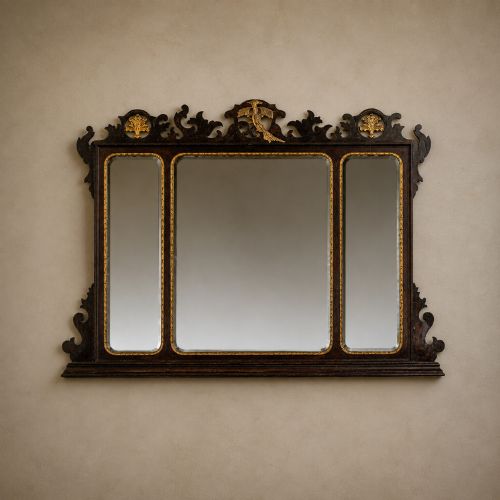
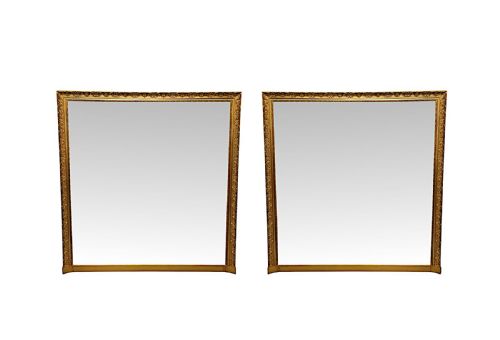
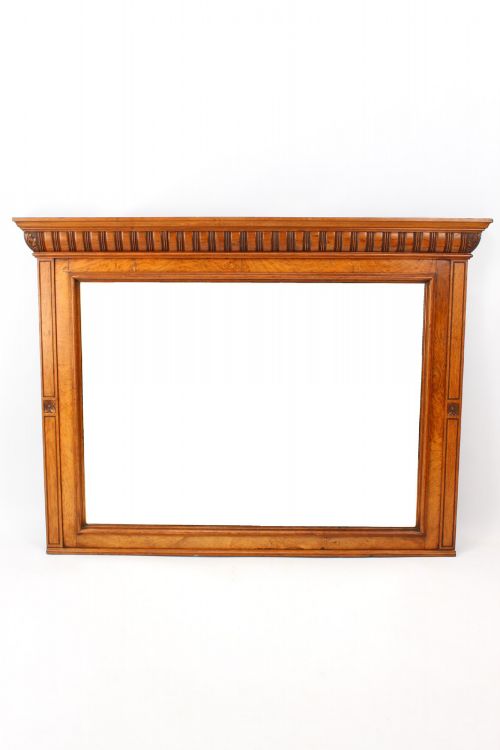



Wooden Fireplace Frame
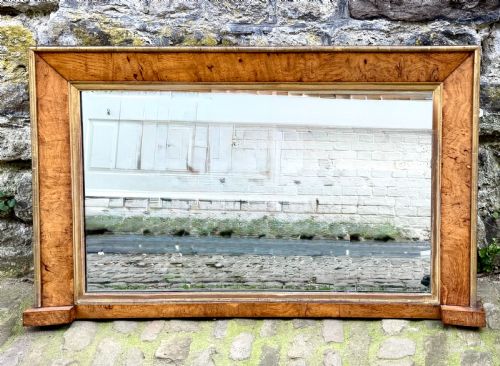
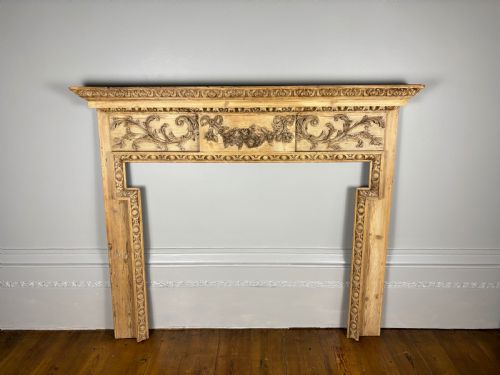
A wooden fireplace frame brings architectural presence to a room, framing a hearth or reflecting light above a mantelpiece.
Wooden Fireplace Frame
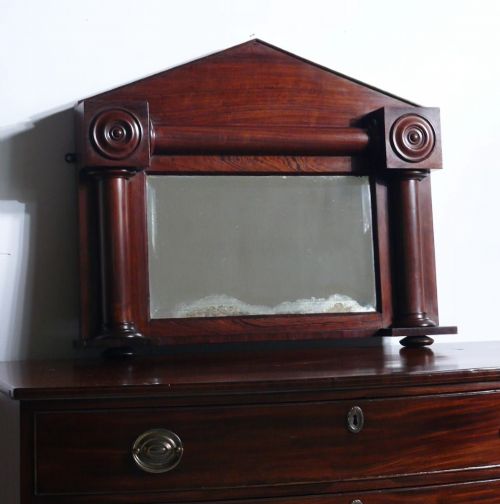
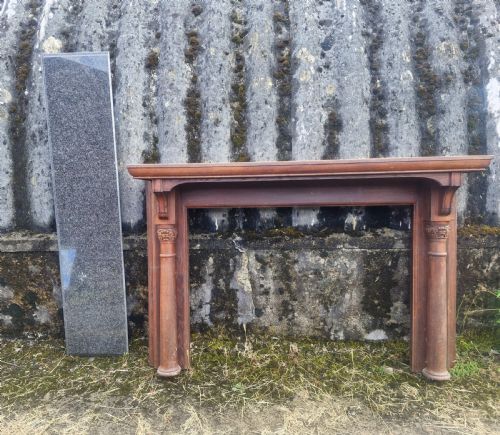
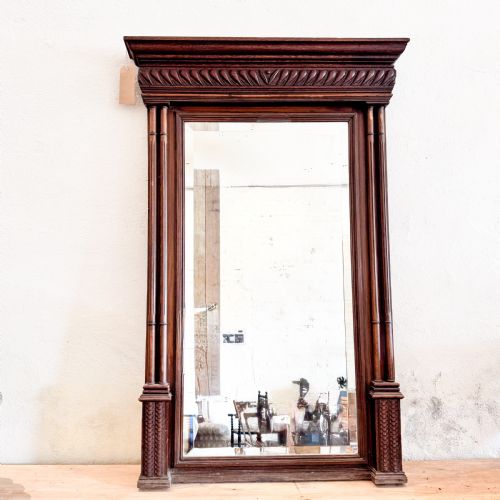
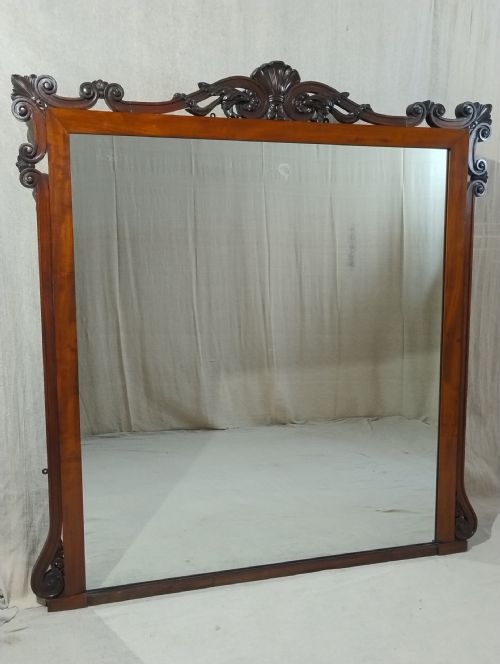
A wooden fireplace frame encompasses structural surrounds built to enclose a hearth and large mirror frames designed to sit directly above a mantelpiece. When searching for a wooden fireplace frame, buyers encounter architectural timber surrounds and substantial overmantel mirrors spanning the nineteenth and early twentieth centuries.
The selection ranges from Georgian pine surrounds and Edwardian oak fireplace surrounds to elaborate Victorian, Edwardian, and Art Deco overmantel mirrors. Alongside architectural timber surrounds, the listings heavily feature overmantel mirrors constructed with wooden framing.
Maker styles and regional influences appear across the selection, including Chippendale Revival mahogany pieces, Arts and Crafts carved oak designs, and rosewood examples with marquetry or brass detailing.
Materials and construction methods
Carpenters and cabinetmakers utilised dense native and exotic timbers such as oak, mahogany, walnut, rosewood, burr walnut, birds-eye maple, and pine. These woods were carved, turned, and joined to form the architectural lines of surrounds and the heavy framework of mantel mirrors.
Surface ornamentation involved applied gesso, parcel gilt, and giltwood highlights, alongside ebonising to simulate more costly materials. Marquetry inlay, brass detailing, and granite tops complete the construction of specific architectural surrounds and mirrors.
Listings feature oak, mahogany, walnut, rosewood, burr walnut, birds-eye maple, gesso, giltwood, and mirror glass across the nineteenth and early twentieth centuries.
Assessing craftsmanship and execution
Quality rests in the crispness of carved wooden ornament and the depth of the timber grain selected for the frame. Pieces displaying intricate hand-carving, such as Chippendale Revival cresting or deep relief work, demonstrate superior execution compared to plainer stock.
The integrity of the structural joints and the retention of original gilding, ebonising, or mirror glass separate standard examples from finer works of the period. Superior frames integrate decorative elements like marquetry inlay or brass detailing with precision.
The Wooden Fireplace Frame Glossary
- Overmantel mirror
- A large mirror designed specifically to hang on the wall directly above a fireplace mantelpiece. These frames often incorporate architectural mouldings and crests.
- Fire surround
- The decorative architectural framework of wood, stone, or marble enclosing the sides and top of a fireplace opening. Georgian and Edwardian examples demonstrate distinct period styling.
- Giltwood
- Timber that has been coated with a thin layer of gold leaf or gold paint over a prepared ground. This finish appears frequently on nineteenth-century mirror frames.
- Ebonising
- A finishing process applied to timber to give it the appearance of solid ebony. It is commonly found on Victorian and turn-of-the-century wall mirrors.
- Marquetry
- Decorative veneer work arranged in geometrical or pictorial patterns across a wooden surface. Edwardian rosewood frames often utilise this technique.
Wooden Fireplace Frame: Frequently Asked Questions
How do I date a wooden fireplace frame?
Dating relies on identifying the prevailing timber choices, decorative motifs, and construction techniques associated with periods like the Georgian era, Victorian period, or Edwardian years.
Examining the type of mirror glass, such as bevelled edges or original silvering, alongside secondary woods helps confirm the age of the piece.
Where should an overmantel mirror be hung?
An overmantel mirror is traditionally positioned centrally on the wall immediately above a fireplace mantelpiece to reflect light and anchor the room's proportions.
Secure heavy wooden frames directly into wall studs using appropriate fixings to support the weight of the timber and glass.
What is the difference between a surround and a mirror?
A fire surround is the architectural wooden structure built around the fireplace opening itself, framing the hearth and firebox.
An overmantel mirror is a hanging wall frame placed higher up, resting above the mantel shelf rather than enclosing the fireplace opening.
How do I care for antique wood and gilt frames?
Maintain antique wooden frames by dusting gently with a dry, soft cloth and avoiding moisture, harsh chemical polishes, or direct sunlight.
Giltwood surfaces require particular care to prevent flaking of the delicate gold leaf layer applied over the gesso base.