

Wooden Farmhouse Seating
Wooden farmhouse seating brings everyday utility and honest craftsmanship into domestic spaces through robust benches, chairs, and tables.
Wooden Farmhouse Seating
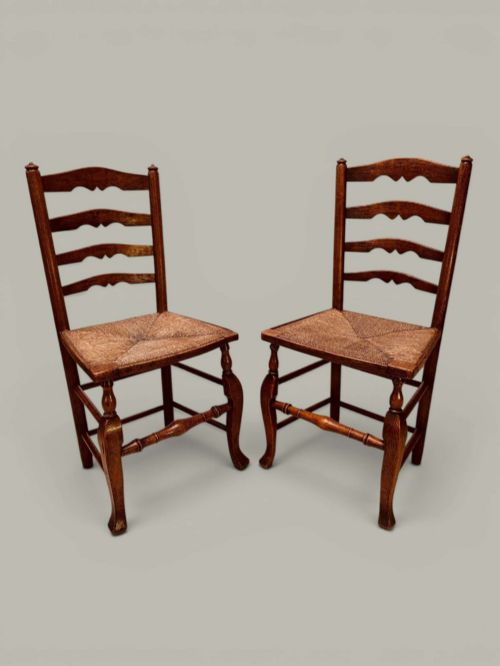
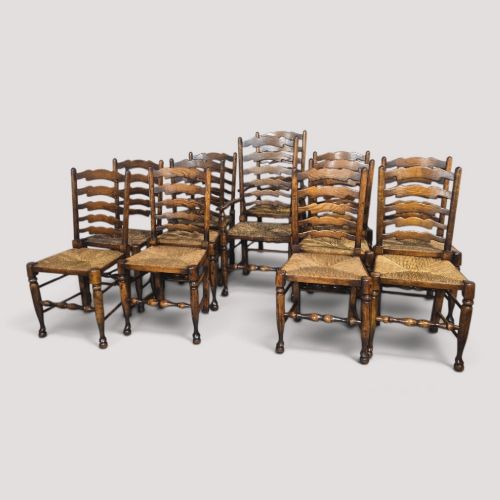
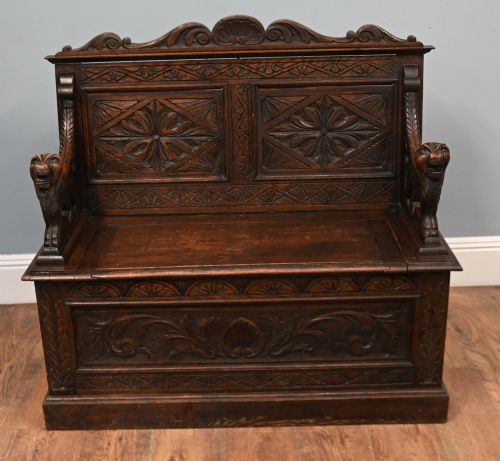
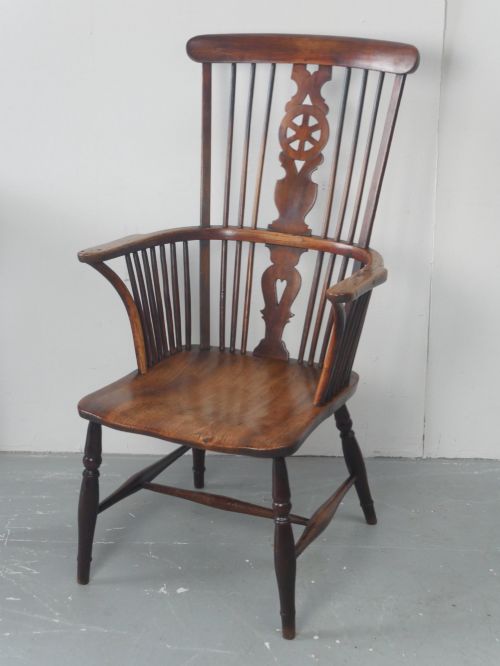
Wooden farmhouse seating comprises robust utilitarian pieces made for daily service in kitchens, dairies, and halls, spanning the nineteenth and early twentieth centuries. Surviving examples include Windsor chairs, settles, refectory benches, ladderback chairs, and simple milking stools.
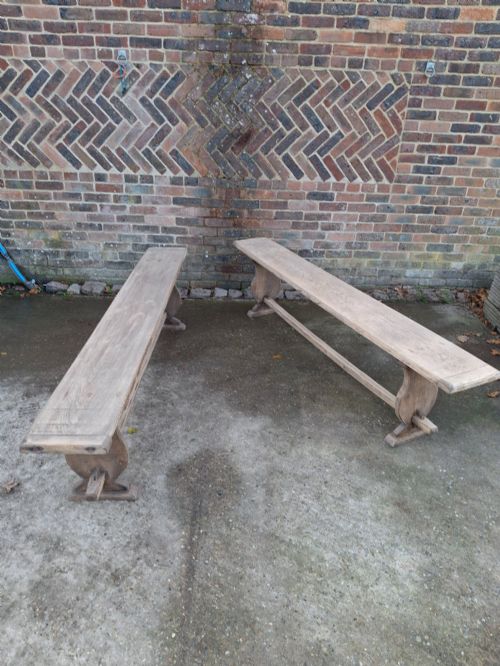
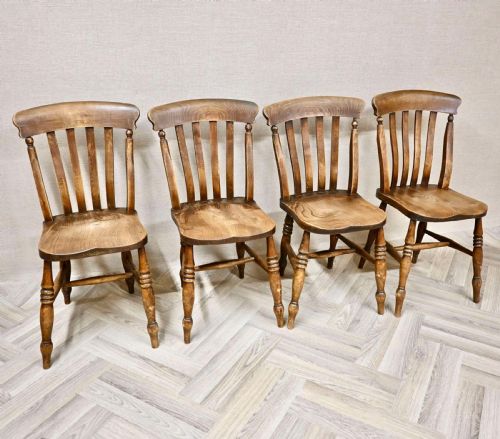
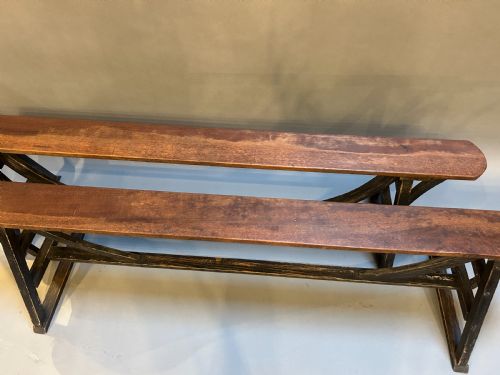
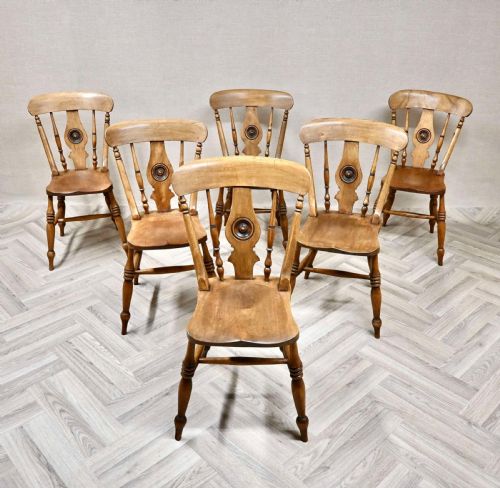
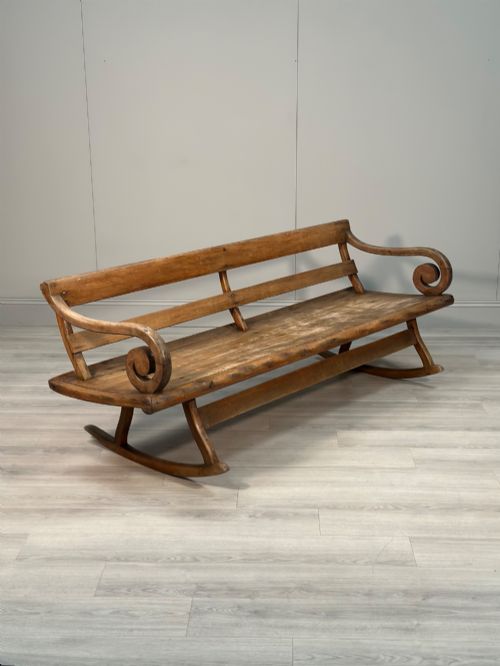
The prevailing forms on this page include spindle-back armchairs, plank benches, and sets of dining chairs shaped from solid timber. These pieces reflect regional vernacular traditions across English, French, and Austrian workshops.
Buyers encounter individual stools alongside matched sets of kitchen chairs intended for communal dining tables. Materials range from pale scrubbed pine to rich figured elm, oak, and beech.
Materials and construction
Construction relies on solid timbers chosen for structural resilience, combining ash and beech for turned spindles and steam-bent bows with elm for sculpted solid seats. French and English makers frequently utilised oak, cherrywood, and fruitwood for tables and long benches.
Joinery methods prioritize durability through pegged mortise and tenon joints, double stretchers, and wedged legs driven straight through thick plank seats. Surfaces often display remnants of early paint or natural patination developed through generations of scrubbing and use.
Wooden Farmhouse Seating Retail Price Guide 2026
Typical asking prices for wooden farmhouse seating among the pieces listed under this phrase on Sellingantiques today, from the lower quarter to the upper quarter. They describe what is for sale here now, not the wider market.
Many dairy stools retain the polished indentation left by generations of milkmaids sitting down for the morning milking.
Quality and character
Quality rests on the integrity of the original construction, the thickness of the timber planking, and the survival of matching sets rather than assembled harlequin groups. Superior Windsor chairs exhibit well-turned spindles, crisply carved saddle seats, and deep steam-bent hoops without excessive replacement parts.
Proportion and stance differentiate finer vernacular work from plain utility items, as seen in the sweep of an armchair arm or the taper of a turned leg. Patina earned through honest wear elevates a piece, whereas aggressive stripping diminishes the warmth of the original wood surface.
Worksop
The Wooden Farmhouse Seating Glossary
- Windsor
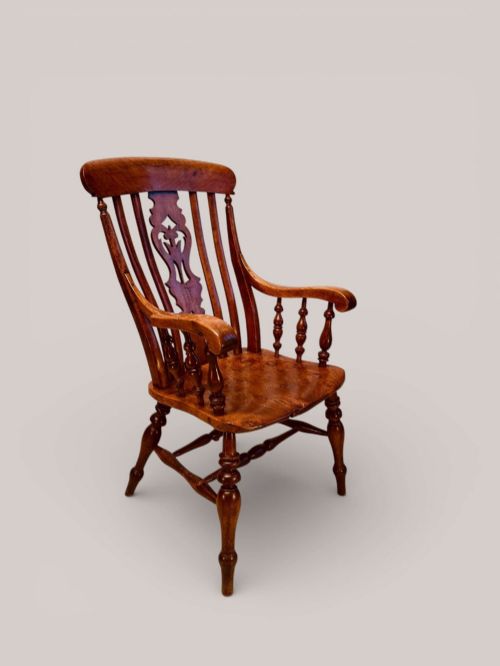
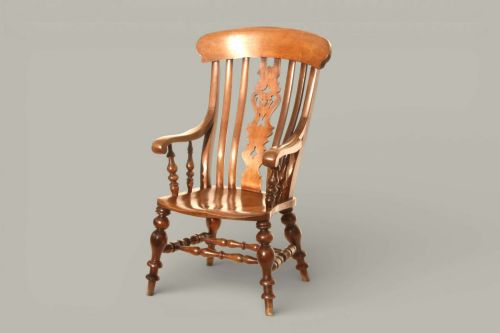
- A chair built with a solid wooden seat into which the legs, back spindles, and bow are separately inserted. This construction provides great strength without heavy framing.
- Settle
- A high-backed wooden bench with solid arms and often a storage box beneath the seat. It was designed to block cold draughts in large farmhouse kitchens.
- Ladderback
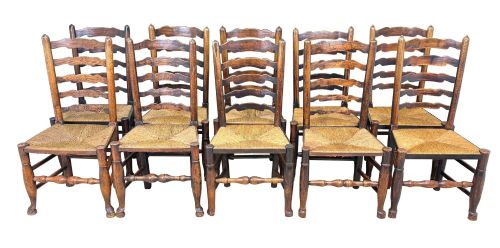
- A chair back constructed with horizontal arched slats between two upright posts. This traditional form frequently accommodated woven rush seating.
- Refectory
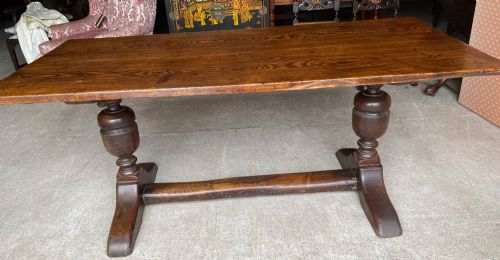
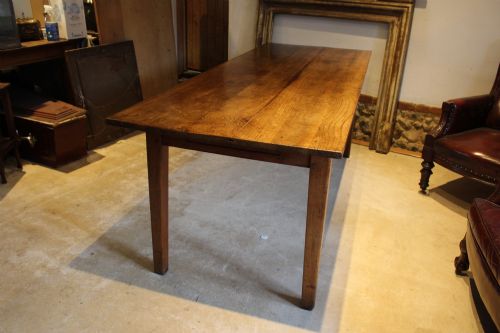
- A long dining table designed for communal eating spaces. These sturdy tables typically feature heavy stretchers supporting thick timber plank tops.
- Vernacular
- Objects made by local craftsmen following regional traditions rather than high-style academic designs. These pieces emphasise practical function and available local materials.
Wooden Farmhouse Seating: Frequently Asked Questions
How do I clean wooden farmhouse seating?
Clean surfaces using a soft cloth slightly dampened with warm water and mild soap, avoiding harsh chemical sprays that strip the aged finish.
Nourish dry timber periodically with traditional beeswax to maintain the natural lustre of elm, pine, or oak.
Are rush seats strong enough for daily dining?
Traditional rush seating woven from marsh grass offers surprising tensile strength and resilience for daily seating needs.
Avoid placing rush-seated chairs in excessively damp environments to prevent the natural fibres from weakening over time.
Can I mix different styles of farmhouse chairs?
Combining varied chair styles, such as pairing ladderback carvers with simpler spindle-back side chairs, creates an authentic collected interior aesthetic.
Maintain visual harmony by anchoring the arrangement around a consistent table material or shared timber tone.