




Wooden Entomology Cabinet
A wooden entomology cabinet is a proper home for delicate specimens, built with tight-fitting drawers to keep out pests.
Wooden Entomology Cabinet
A wooden entomology cabinet serves the serious naturalist or collector by housing butterflies, beetles, and natural history specimens in shallow, uniform drawers. When you search for a wooden entomology cabinet, you encounter pieces designed to protect fragile collections from light, dust, and insects over generations of study.
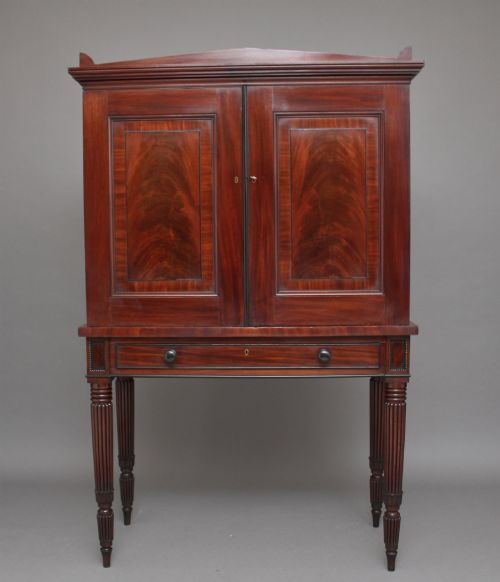
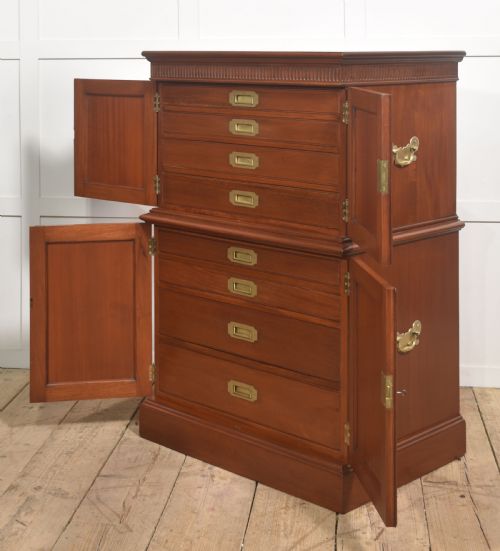
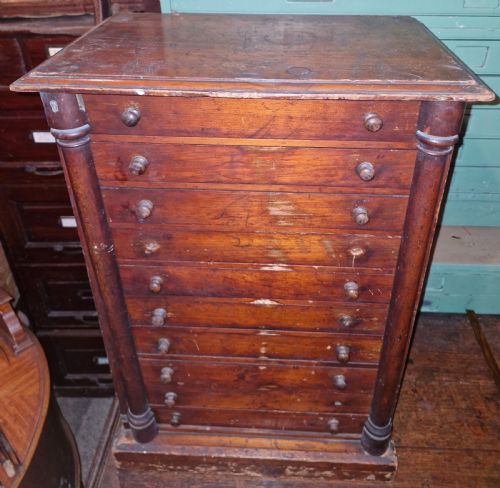
The versions most commonly met span the Victorian and Georgian eras, taking the form of upright collectors chests or specimen cases. These pieces typically feature banks of numerous small drawers fronted by panelled or glass doors, fitted with brass drop handles or campaign hardware.
Materials and construction
Makers relied heavily on dense hardwoods such as mahogany and oak to build stable carcasses that would not warp and compromise the drawer seals. Flame mahogany veneer and boxwood inlay occasionally add decorative refinement to the exterior facades of finer examples.
Internal drawer construction prioritises precision, using secondary softwoods like deal and pine alongside tightly fitted glass panels. Brass fixtures and locking mechanisms provide both security and the necessary airtight integrity for long-term preservation.
Wooden Entomology Cabinet Retail Price Guide 2026
Typical asking prices for wooden entomology cabinet among the pieces listed under this phrase on Sellingantiques today, from the lower quarter to the upper quarter. They describe what is for sale here now, not the wider market.
One listed piece carries the precise pedigree of William John Burchall, dated neatly between 1781 and 1863.
Quality differences
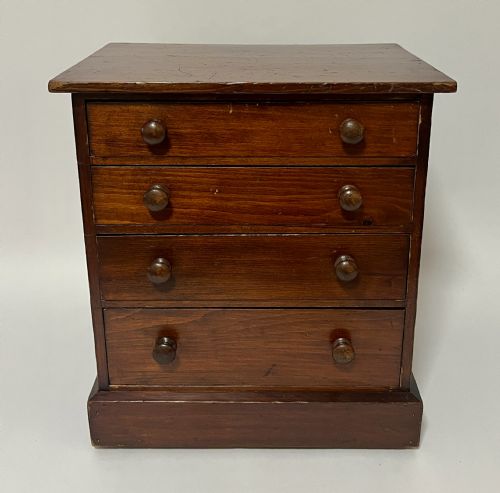
Quality rests primarily in the precision of the drawer fit and the choice of primary timber. Cabinets constructed from figured mahogany with careful boxwood stringing demonstrate a higher tier of workshop execution than utilitarian stained pine storage pieces.
The sophistication of the internal mechanics and hardware further separates everyday utility pieces from workshop-marked creations by makers such as Brady or Schofield. Original glass, functional keys, and untouched interior linings elevate the standing of a specimen chest significantly.
Brady·Charles William Schofield·William John Burchall
The Wooden Entomology Cabinet Glossary
- Campaign hardware
- Recessed brass handles and flush fittings designed to prevent damage during transport and transit.
- Collectors chest
- An upright piece of furniture containing multiple shallow drawers intended for organising natural history specimens.
- Deal
- A traditional British term for fir or pine timber used widely in secondary carcase framing and drawer construction.
- Specimen case
- A smaller portable enclosure fitted with glass to display individual natural history items safely.
Wooden Entomology Cabinet: Frequently Asked Questions
What were wooden entomology cabinets used for?
These cabinets served naturalists and academics as secure storage for preserved insects, butterflies, and botanical samples.
The shallow drawers kept specimens flat and orderly while protecting them from handling damage and environmental decay.
How do I care for a wooden entomology cabinet?
Keep the cabinet away from direct sunlight and sudden temperature shifts to protect the timber and delicate interior glues.
Maintain the wood using traditional beeswax and check the drawer runners periodically to ensure smooth operation without forced friction.
How do I date a Victorian entomology cabinet?
Examine the construction methods of the internal drawers, noting dovetailing techniques and the presence of secondary pine or deal timbers.
Look at the exterior styling cues, such as brass drop handles, flame mahogany veneers, and panelled door configurations typical of the nineteenth century.
Can I use these cabinets for modern collections?
The shallow drawers suit the storage of small flat objects, jewellery, coins, and mineral samples rather than bulky items.
Ensure the internal dimensions and drawer depths accommodate your specific items before arranging them inside.